Running a retail business in Pittsburgh comes with unique security challenges. From the bustling Strip District to suburban shopping centers in Robinson Township, retail store owners face everything from shoplifting and break-ins to employee theft and vandalism. Choosing the right security system isn’t just about protecting inventory: it’s about safeguarding your investment, ensuring customer safety, and maintaining business continuity.
The right security system can reduce theft by up to 60% while providing valuable business insights through advanced analytics. But with so many options available, how do you choose what’s best for your Pittsburgh retail location?
Before diving into specific security technologies, you need to understand what you’re protecting against. Pittsburgh retail businesses face several common security threats:
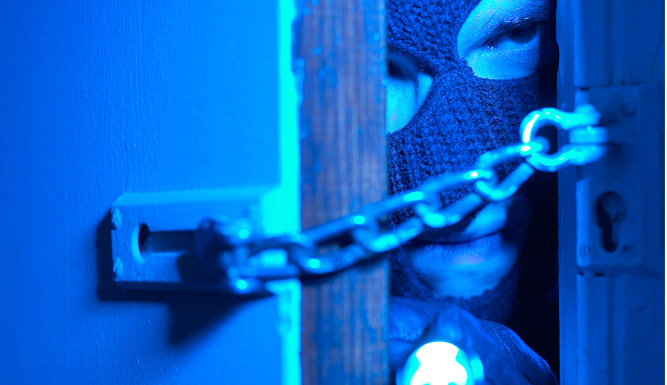
External theft remains the most visible concern, with shoplifting accounting for significant inventory loss across the region. Internal theft by employees often causes even greater financial damage, though it’s harder to detect. Break-ins after hours are particularly concerning for stores in certain Pittsburgh neighborhoods, while organized retail crime has become increasingly sophisticated.
Your location within Pittsburgh also influences your security needs. A boutique in Shadyside faces different challenges than a convenience store in Homewood or a electronics retailer in South Side. Understanding your specific risk profile helps determine which security components deserve priority in your system design.
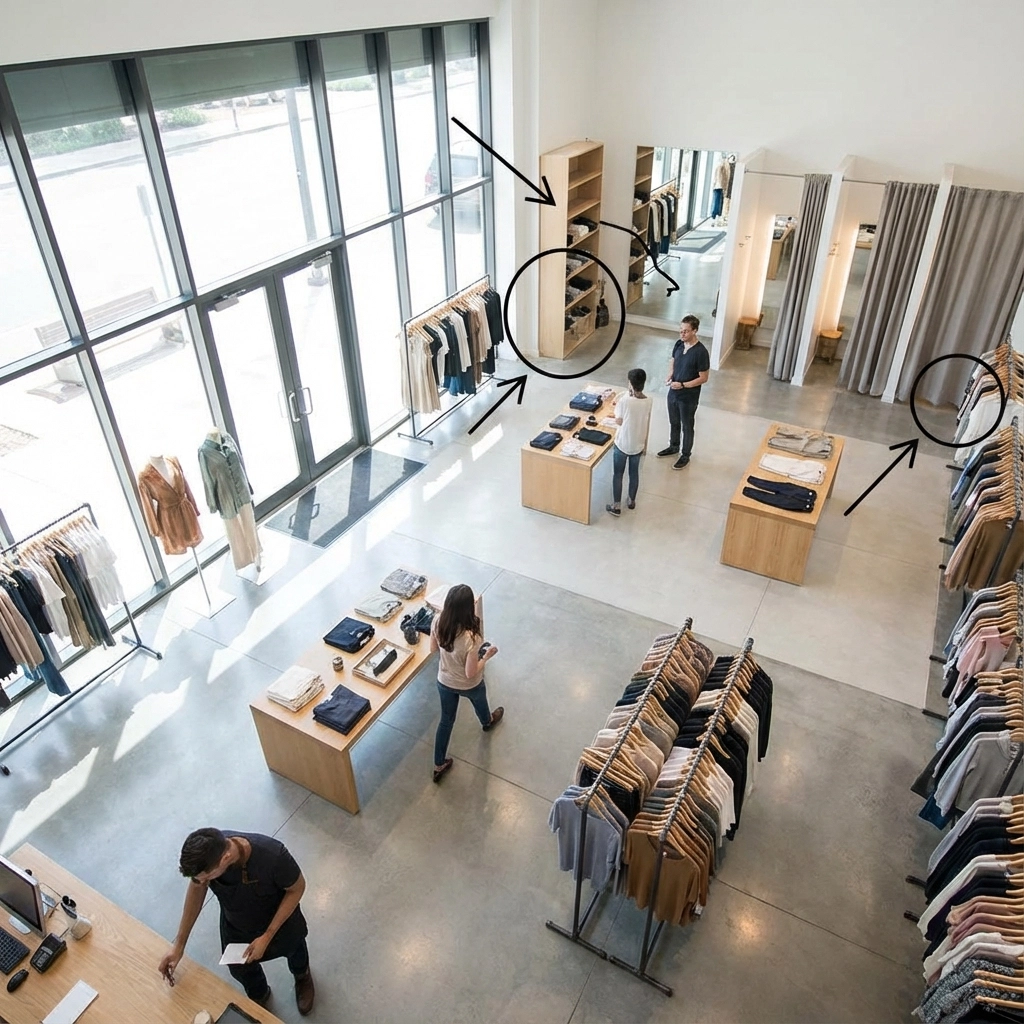
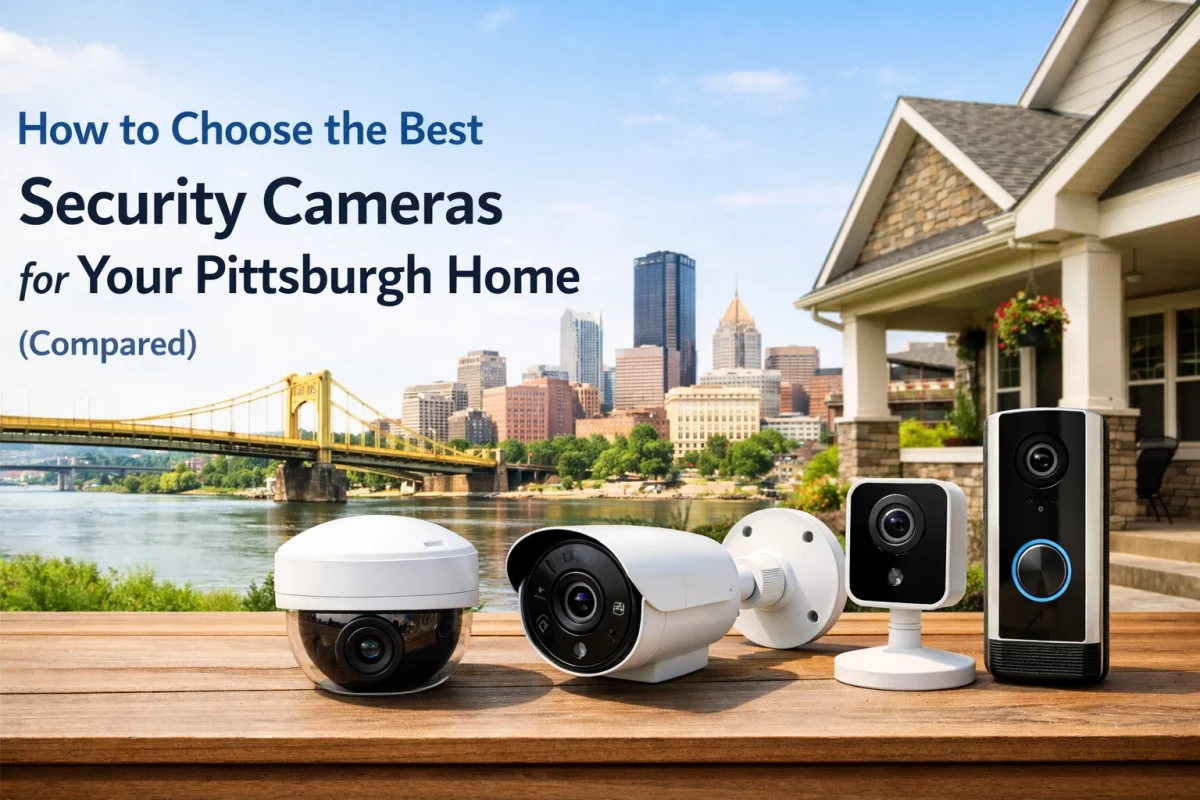
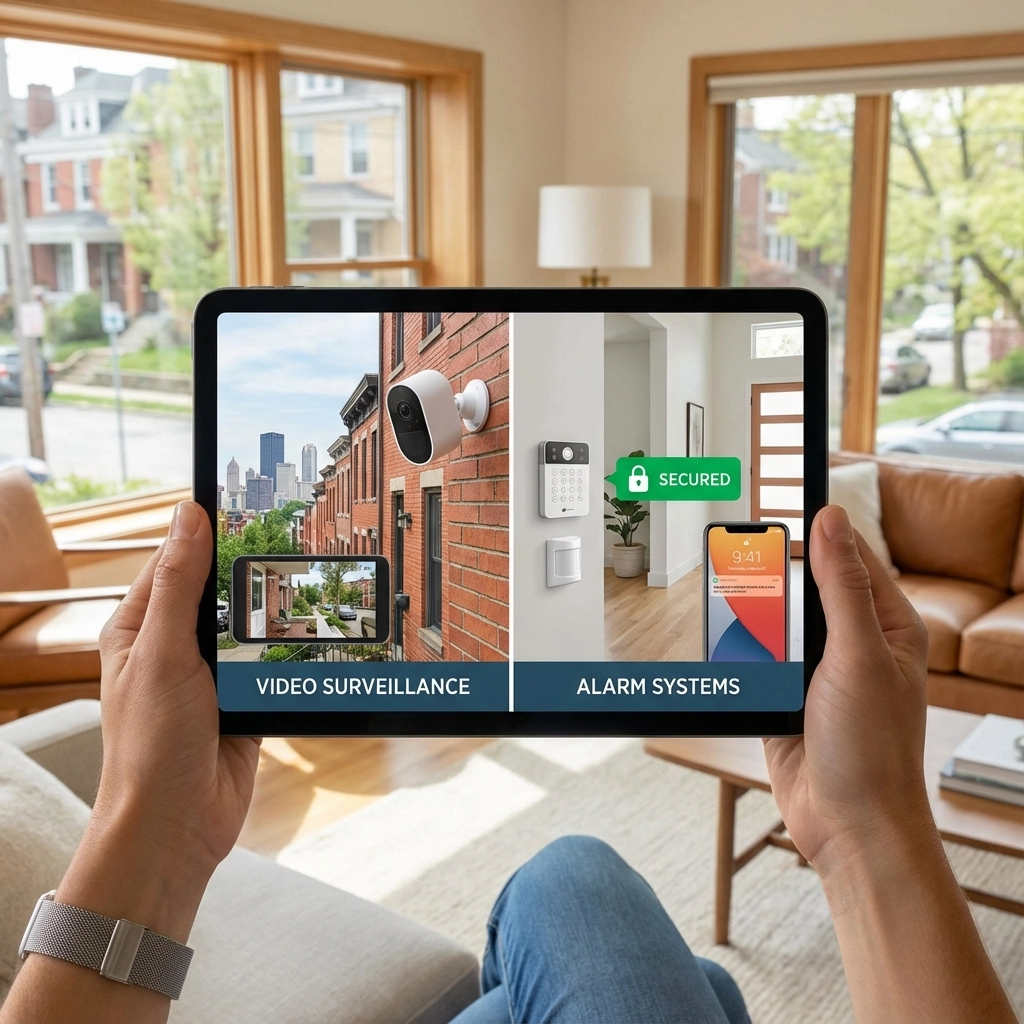
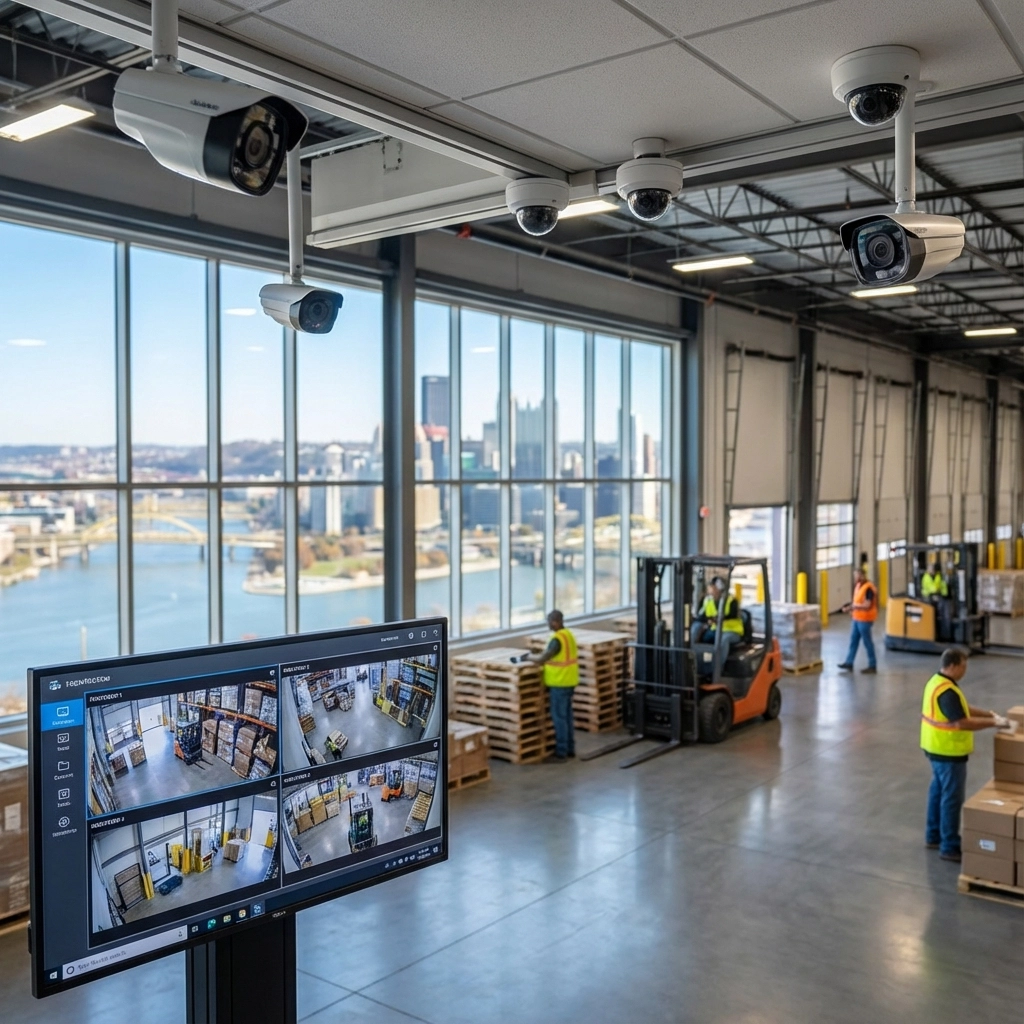
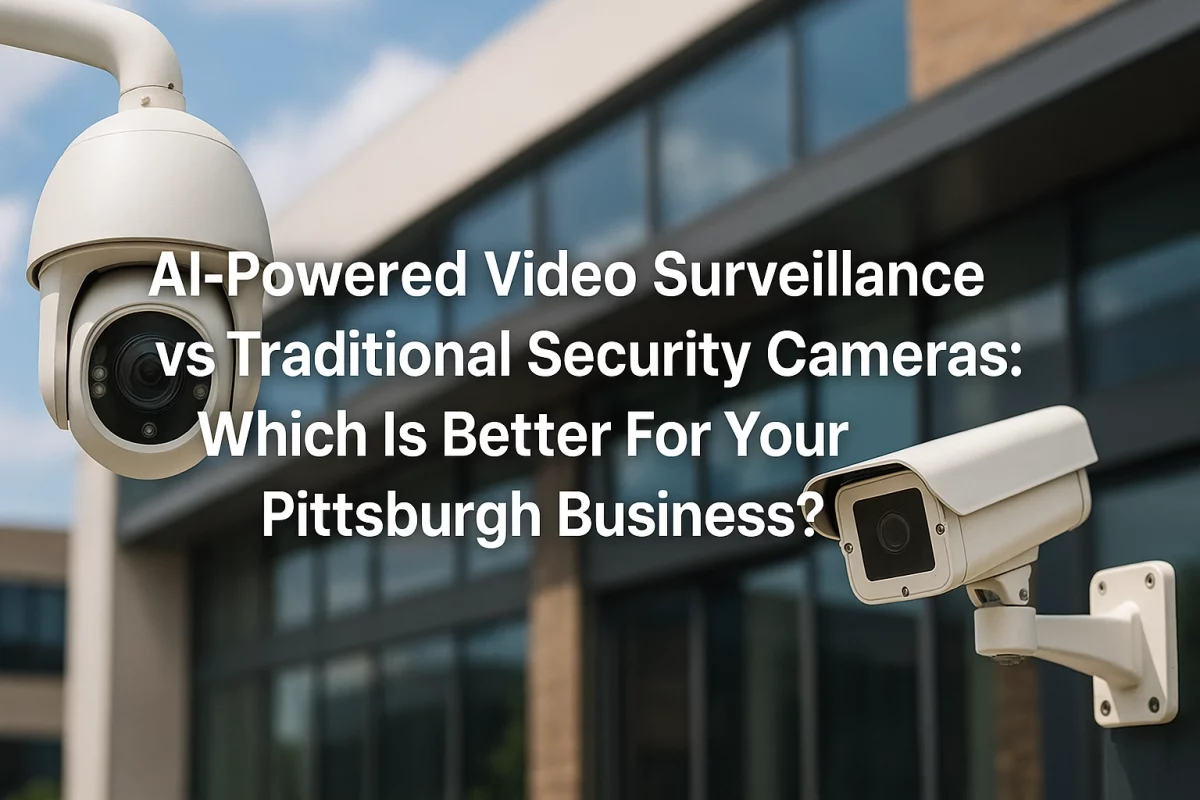
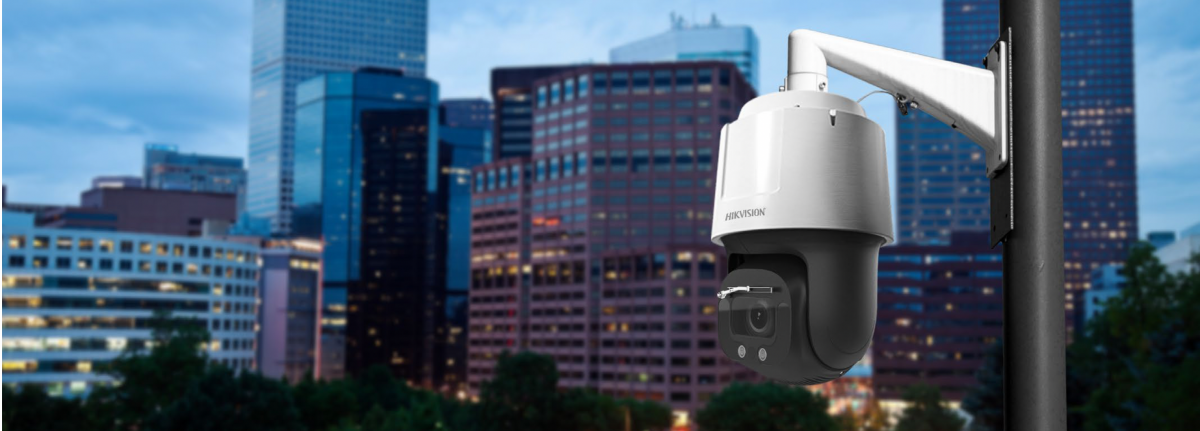
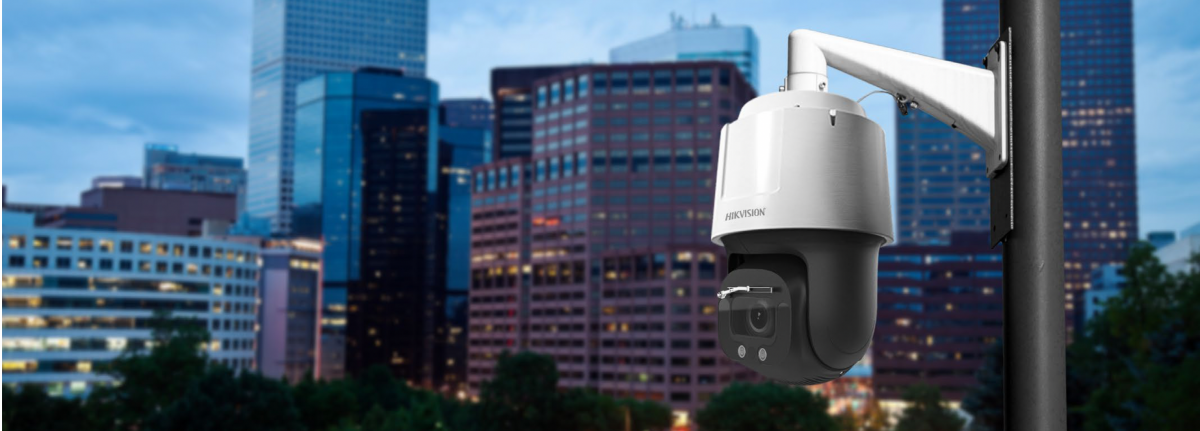
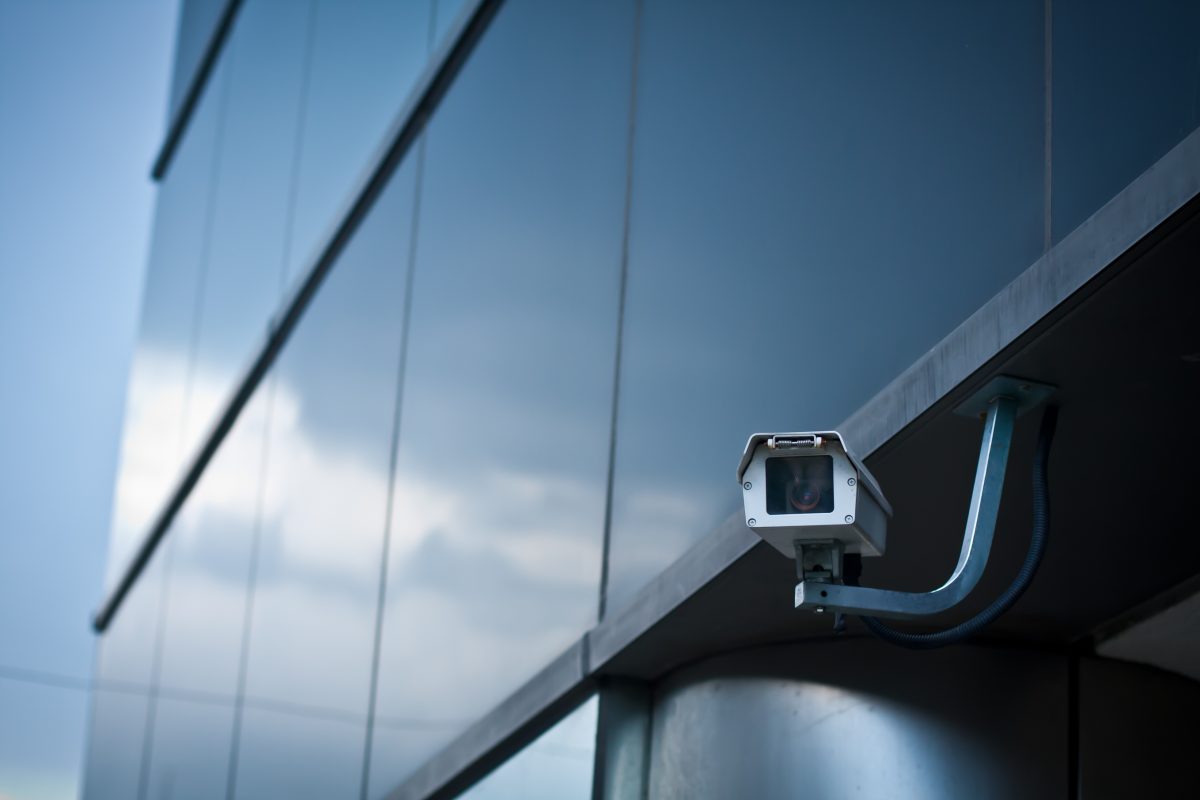
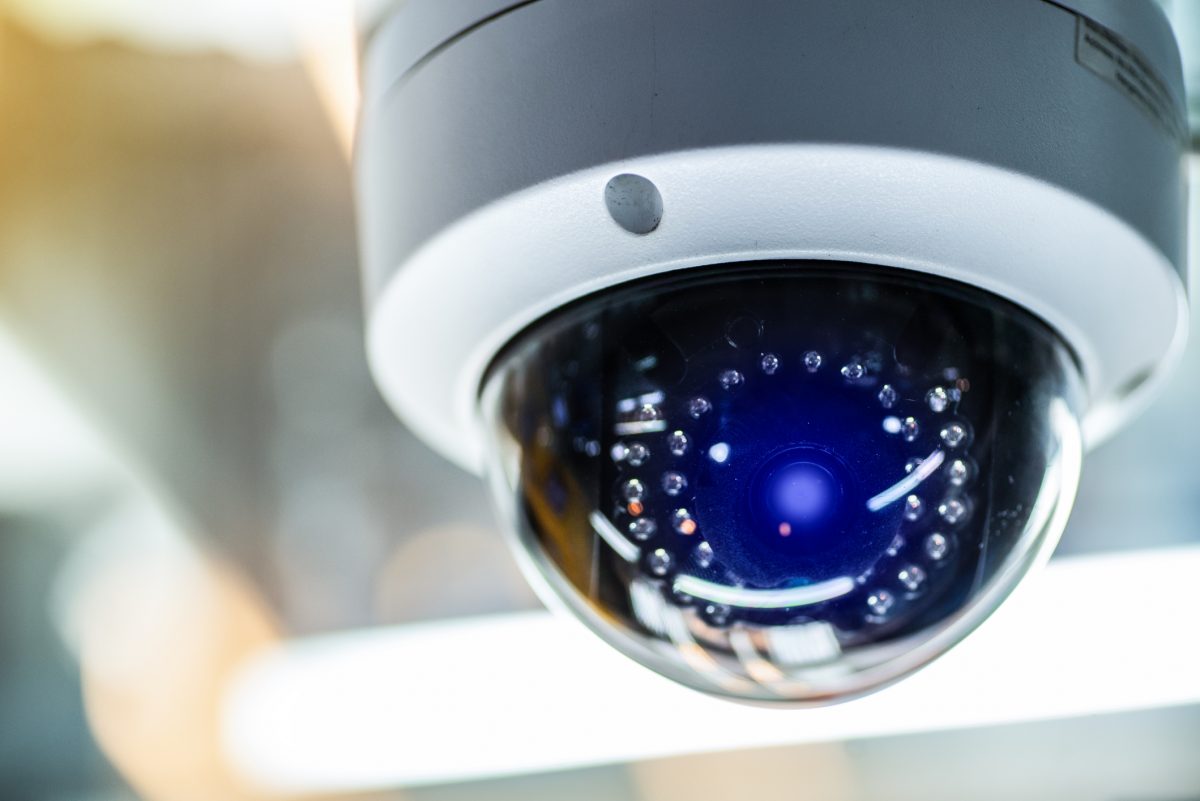
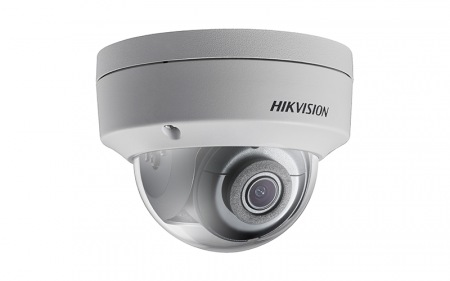
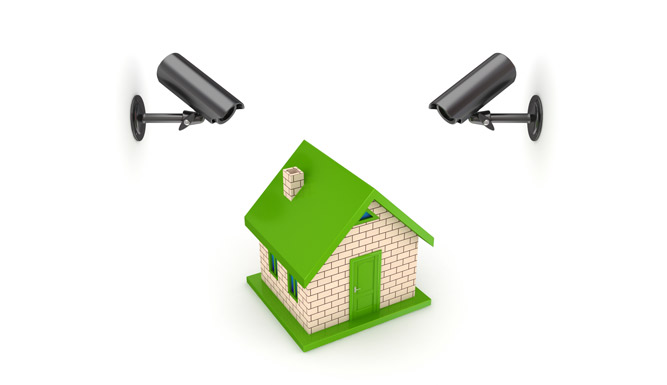
Modern video surveillance forms the backbone of retail security. Today’s systems go far beyond basic recording: they provide real-time monitoring, cloud storage, and advanced analytics that can identify suspicious behavior patterns.
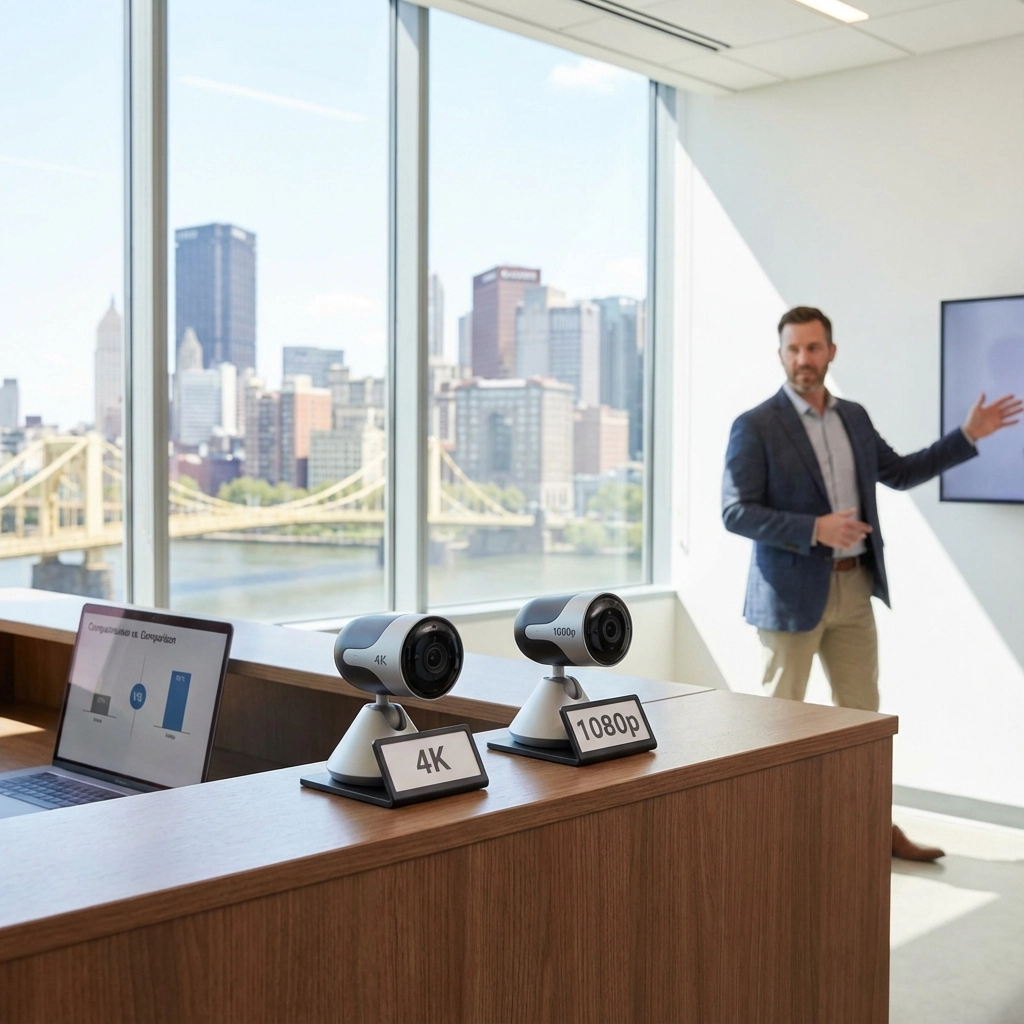
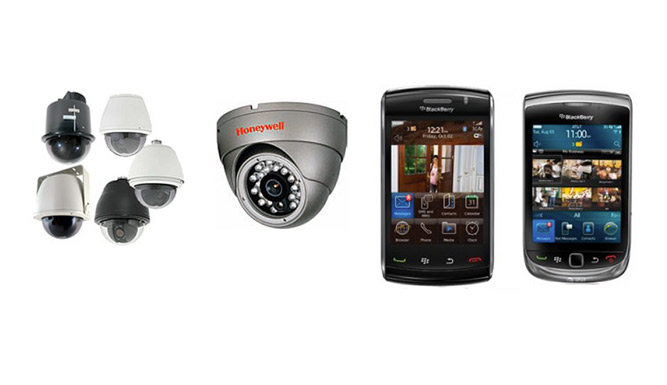
High-definition cameras with night vision capabilities ensure clear footage regardless of lighting conditions. Strategic camera placement covers all entrances, exits, cash registers, and high-value merchandise areas. Many Pittsburgh retailers find that visible cameras alone deter a significant percentage of potential shoplifters.
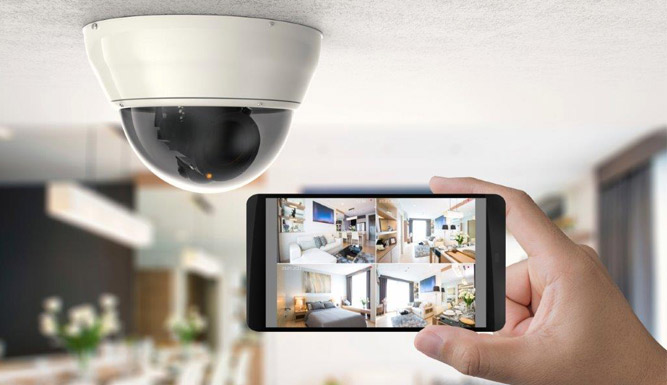
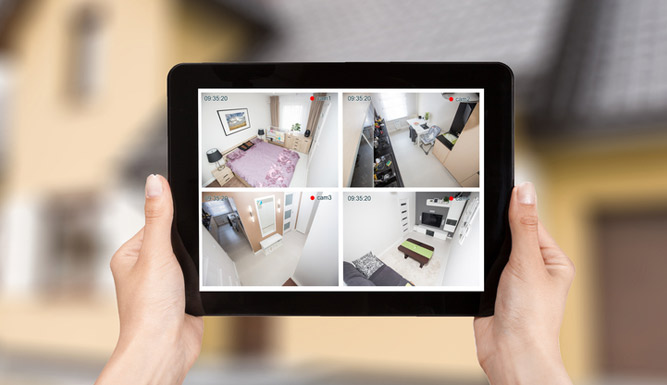
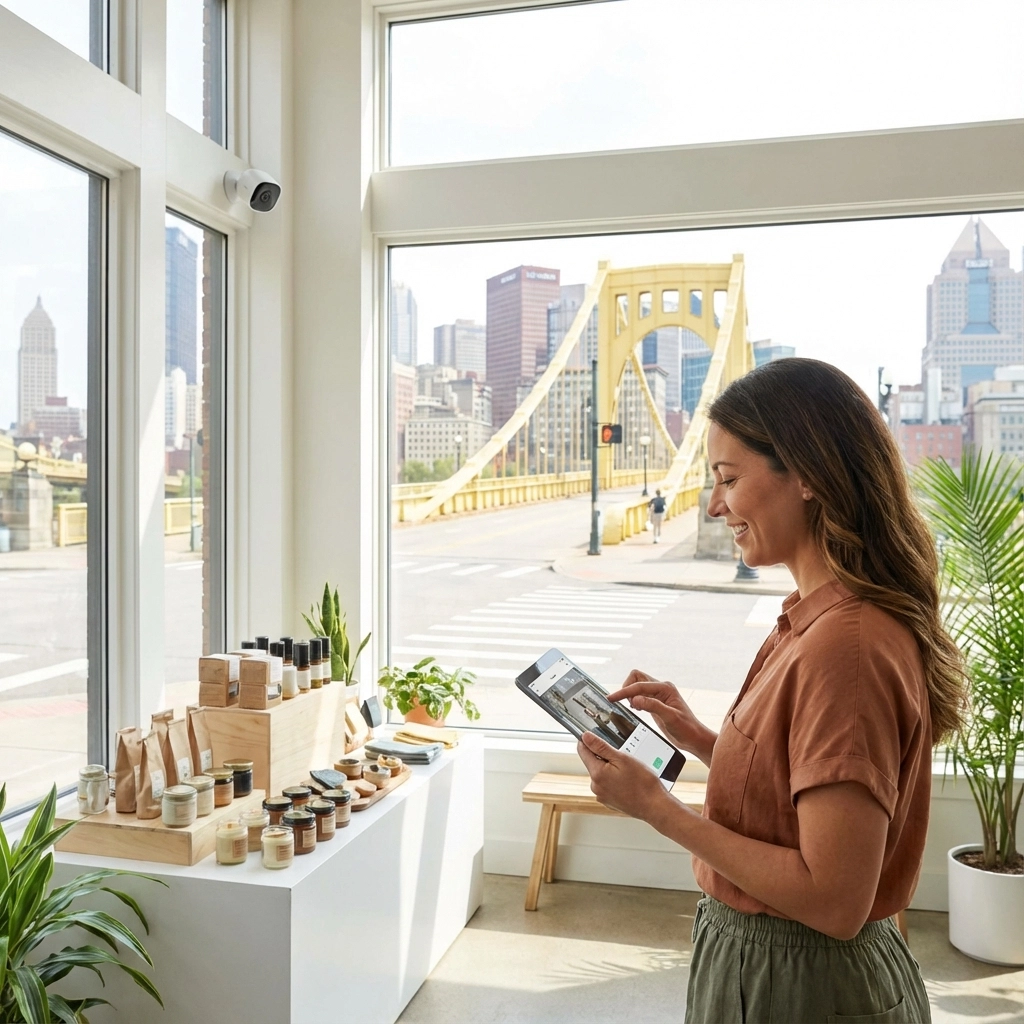
Cloud-based storage eliminates the risk of losing footage if equipment is damaged or stolen. Mobile apps allow you to monitor your store from anywhere, whether you’re at home in Mt. Lebanon or traveling for business.
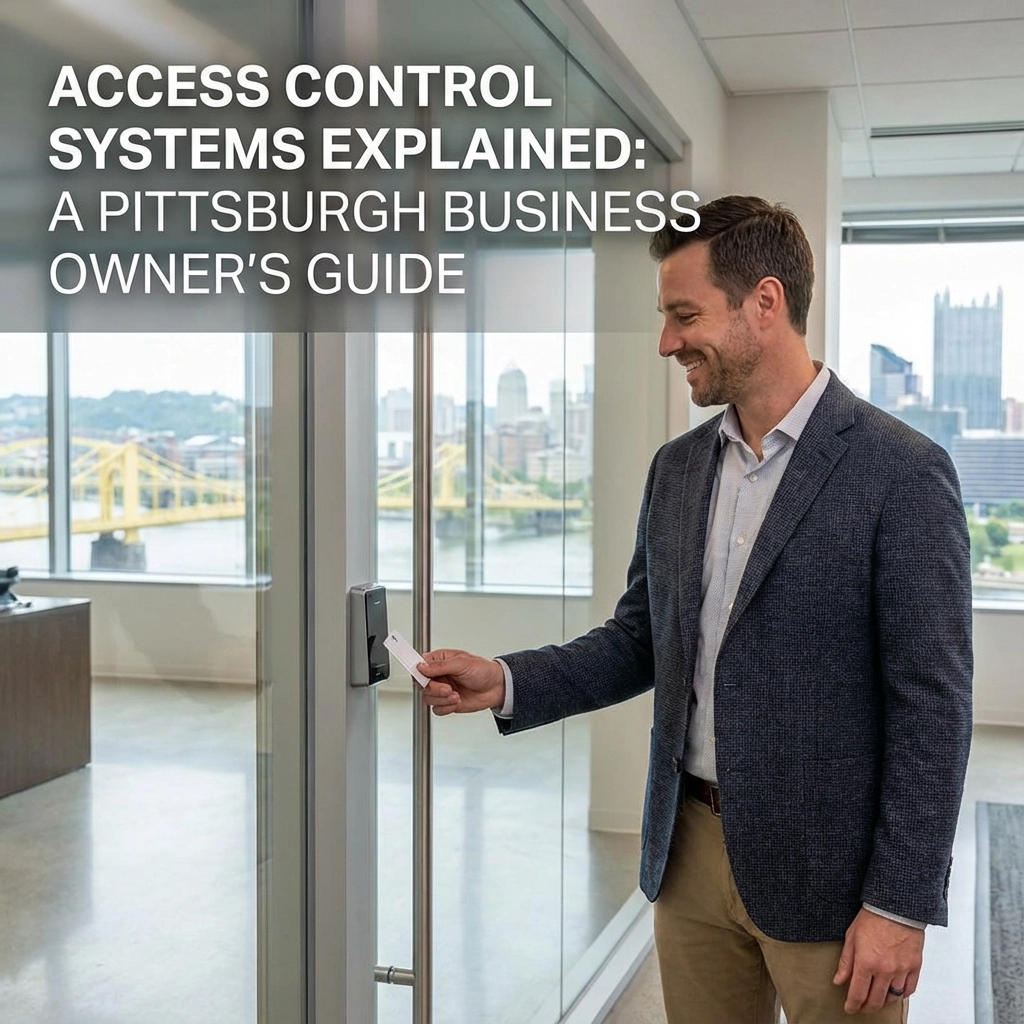
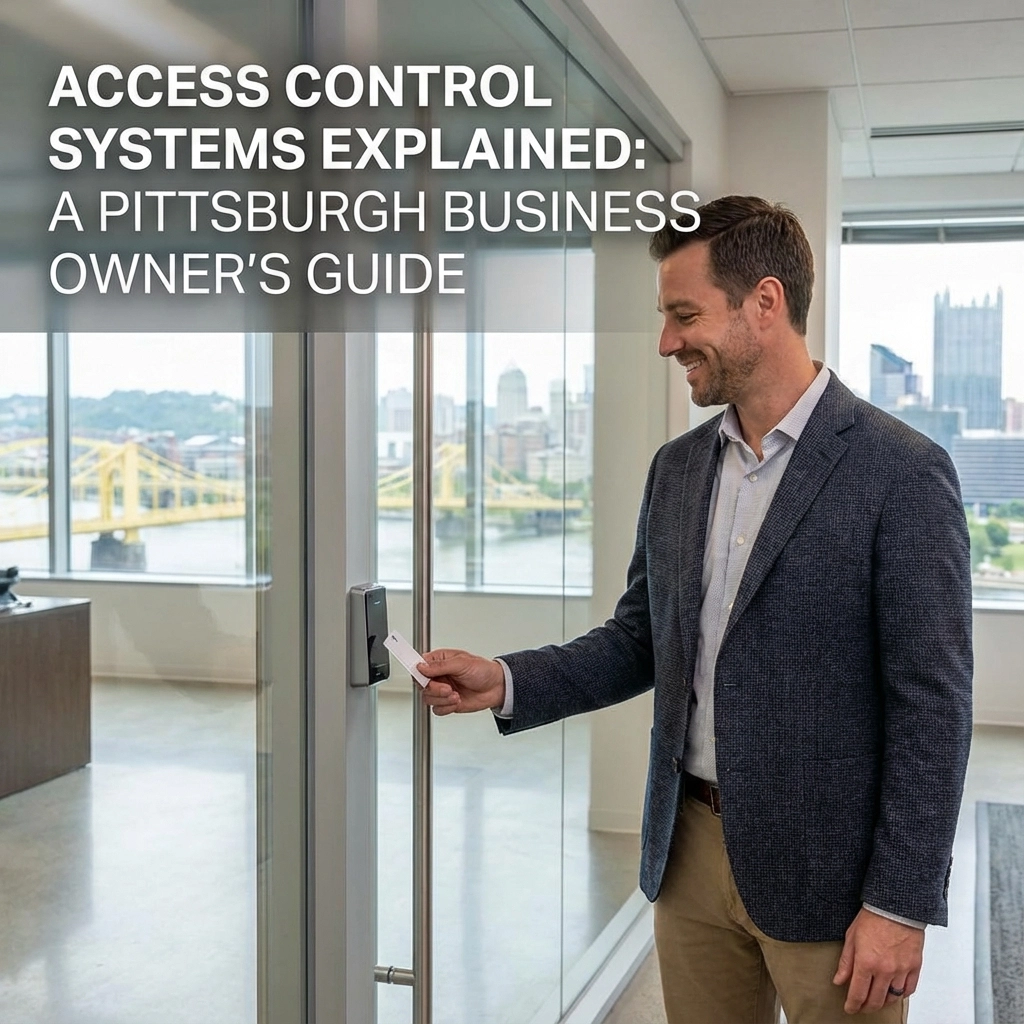
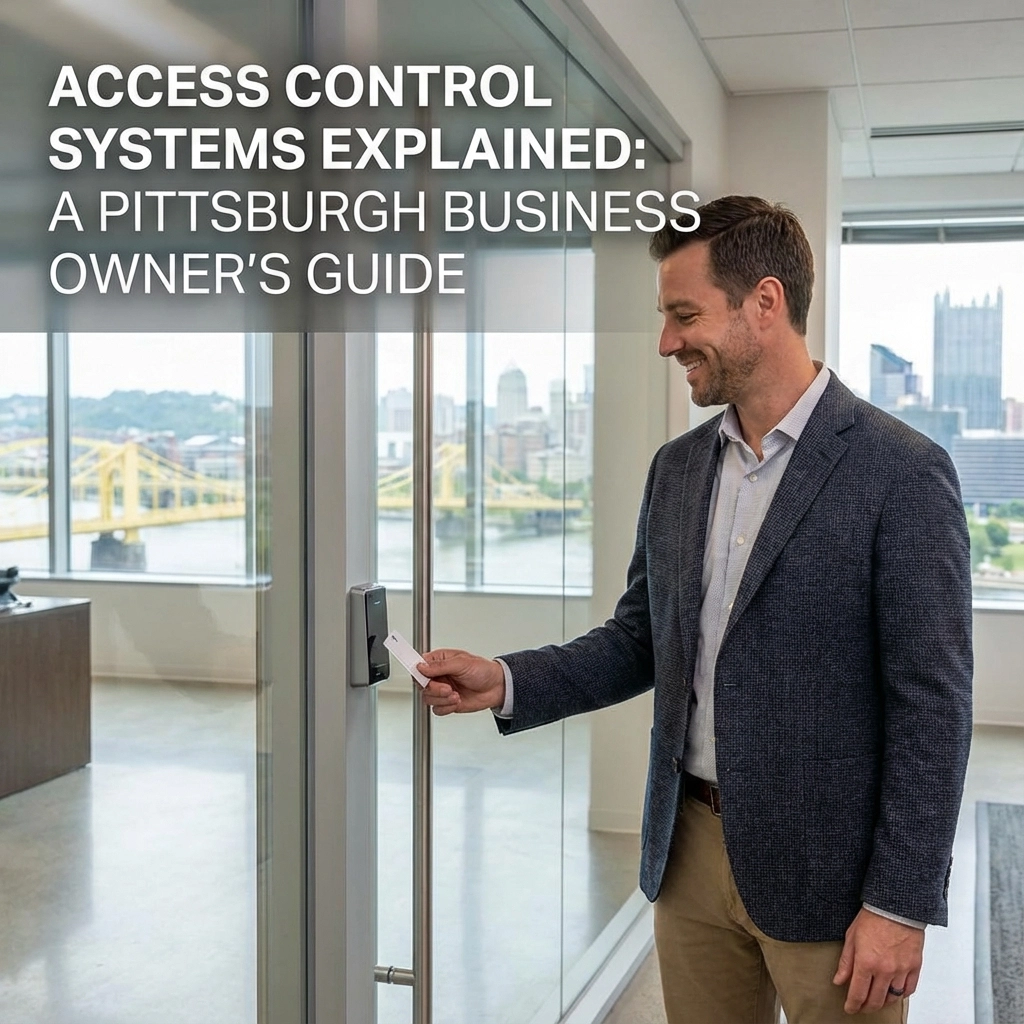
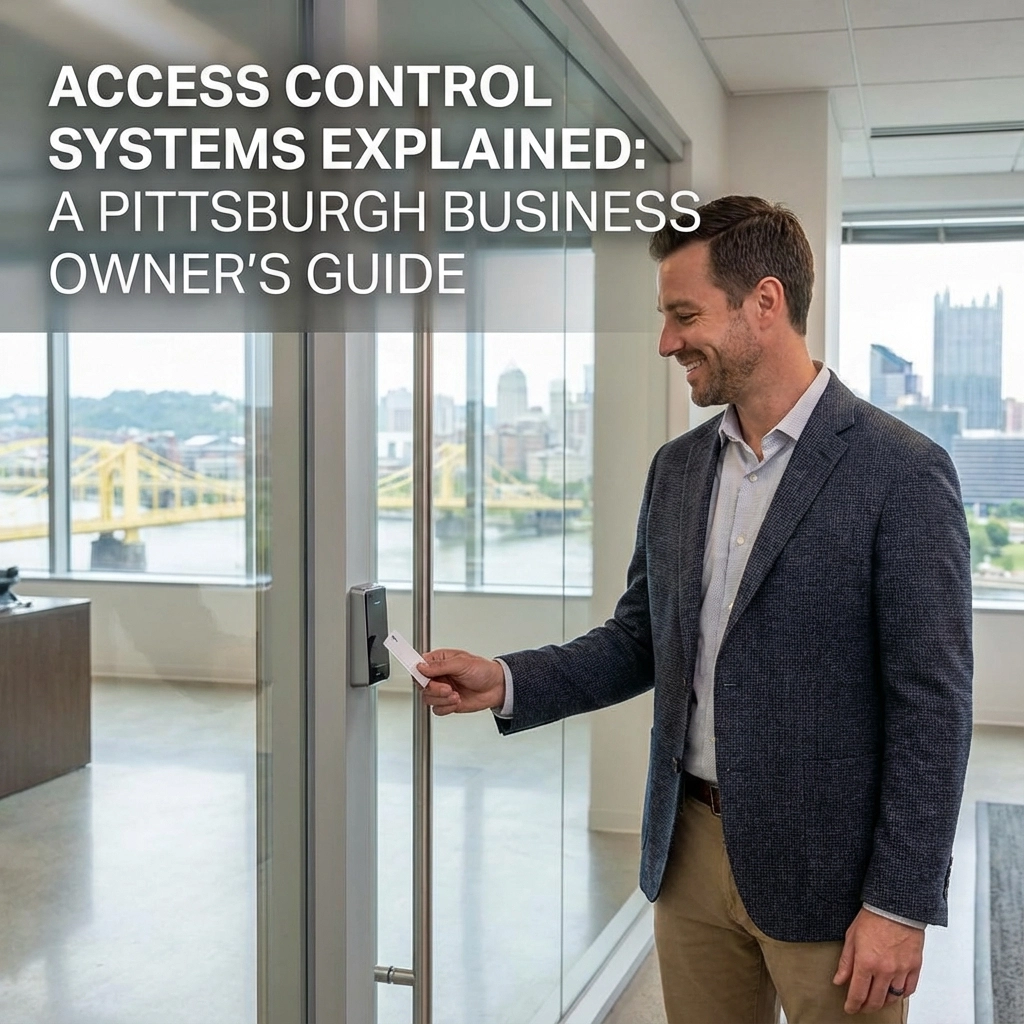
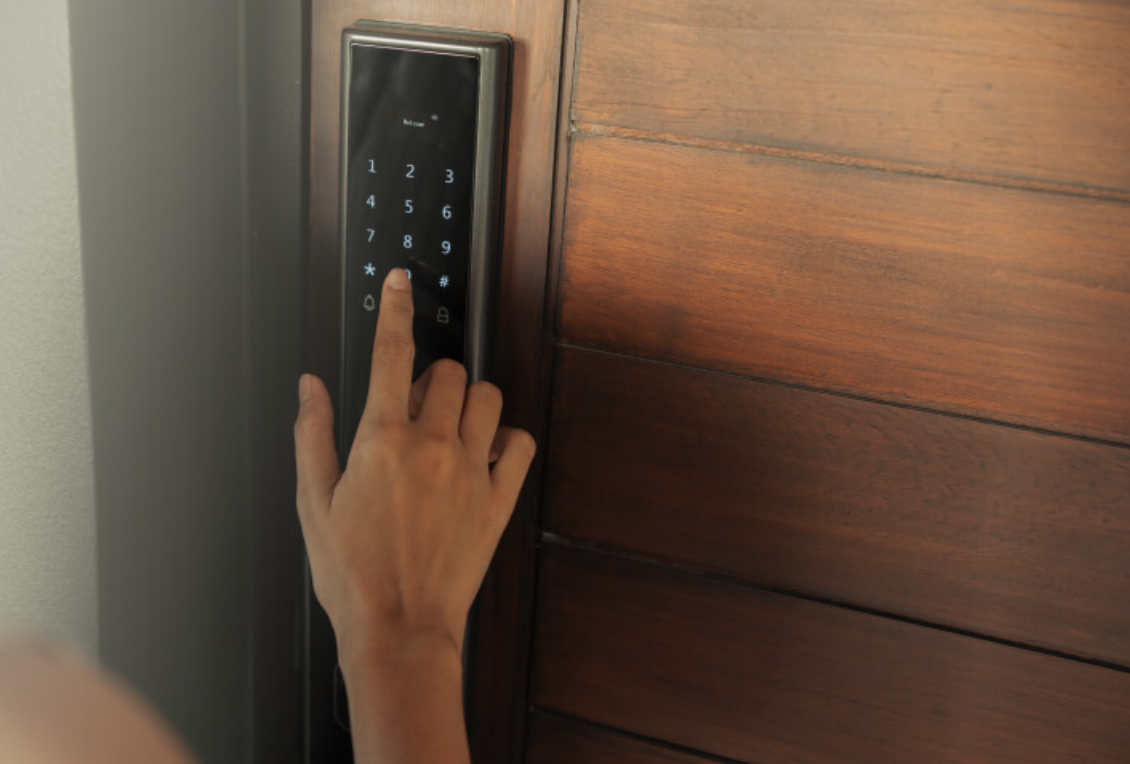
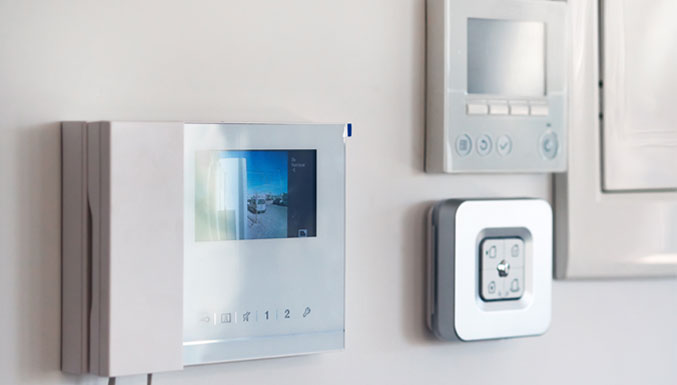
Access control systems track who enters and exits your store, and when. For retail businesses, this technology serves multiple purposes beyond basic security.
Employee access cards create detailed logs of staff arrivals and departures, helping identify responsibility if inventory discrepancies occur. Time-based access restrictions ensure only authorized personnel can enter during specific hours. Some systems integrate with payroll software, streamlining administrative processes while enhancing security.
For larger retail operations with multiple entrances or restricted storage areas, access control systems provide granular control over who can access what areas and when.
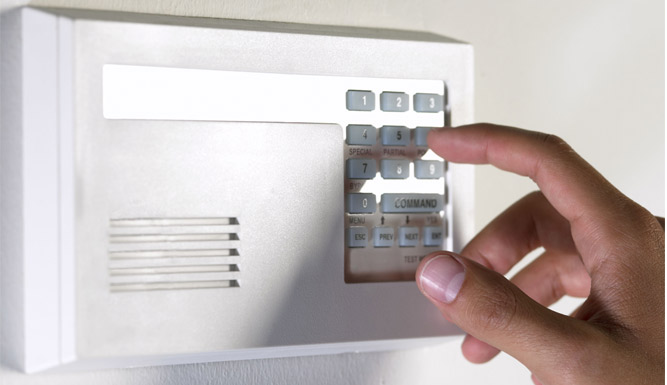
Traditional alarm systems remain crucial for after-hours protection. Modern intrusion detection goes beyond basic door and window sensors to include motion detectors, glass break sensors, and perimeter protection.
Smart alarm systems can differentiate between different types of movement, reducing false alarms while maintaining sensitivity to actual threats. Integration with local monitoring services ensures rapid response when incidents occur.
For many retail operations, electronic article surveillance provides the first line of defense against shoplifting. EAS systems use security tags or labels that trigger alarms when someone attempts to leave without proper deactivation.
Modern EAS technology offers nearly invisible tags that don’t detract from product presentation while providing reliable theft deterrence. The psychological deterrent effect often proves as valuable as the actual detection capability.

Pittsburgh requires specific permits for commercial alarm systems. The city’s regulations mandate proper installation by licensed technicians and registration of alarm systems with local authorities. Fire alarm integration often requires additional permitting, particularly for larger retail spaces.
Working with local security providers ensures compliance with these requirements while avoiding potential fines or complications during inspections.
Different Pittsburgh neighborhoods present varying security challenges. Retail stores in high-traffic areas like Oakland might prioritize crowd management and shoplifting prevention, while locations in industrial areas might focus more on break-in protection and perimeter security.
Understanding local crime patterns helps inform security system design. TN Security Pittsburgh has extensive experience with retail installations throughout the region and can provide insights specific to your location. Their team at 3287 Library Road has worked with businesses from downtown Pittsburgh to the surrounding suburbs, understanding how local factors influence security needs.
Pittsburgh’s weather patterns affect security system performance. Snow, ice, and temperature fluctuations can impact outdoor cameras and sensors. Choosing equipment rated for local climate conditions ensures reliable year-round operation.
Humidity from the region’s frequent rain can affect electronic components in storage areas. Proper environmental controls and equipment selection prevent weather-related system failures.
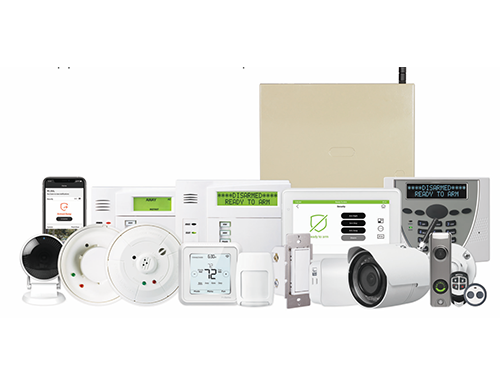
The most effective retail security systems integrate multiple components into a unified platform. When cameras, access control, alarms, and point-of-sale systems work together, they provide comprehensive protection and valuable business insights.
Integrated systems can correlate unusual access patterns with inventory discrepancies, identify employee behavior patterns that might indicate theft, and provide detailed incident reports combining video, access logs, and alarm data.
Professional monitoring ensures someone’s always watching your business, even when you can’t. Local monitoring services understand Pittsburgh’s geography and can coordinate effectively with city police and fire departments.
24/7 monitoring centers use advanced software to filter false alarms while ensuring genuine emergencies receive immediate attention. The rapid response capability often makes the difference between minor incidents and major losses.

AI-powered video analytics can identify suspicious behavior patterns, count customers for occupancy management, and even analyze shopping patterns for business insights. These systems learn normal behavior patterns and alert you to anomalies that might indicate theft or other security concerns.
Facial recognition technology helps identify known shoplifters or banned individuals, though privacy considerations require careful implementation and clear policies.
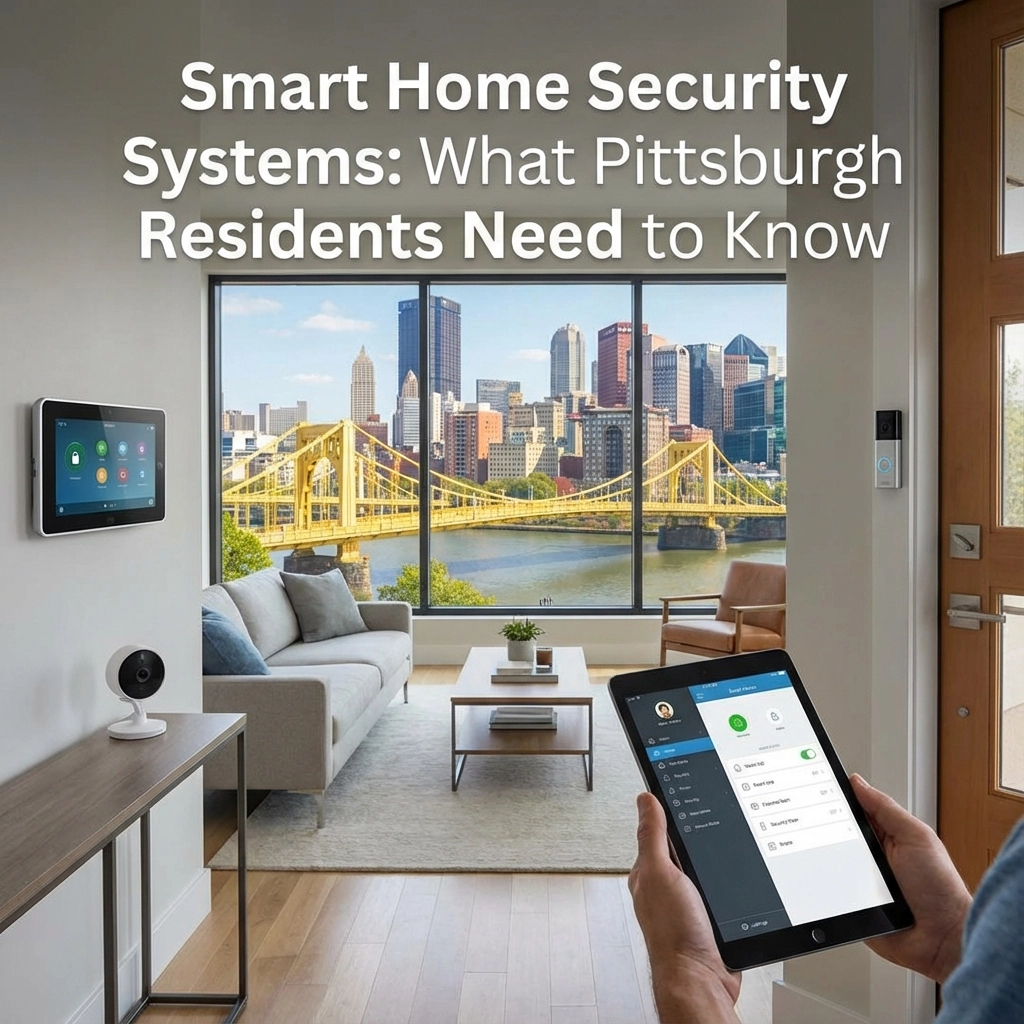
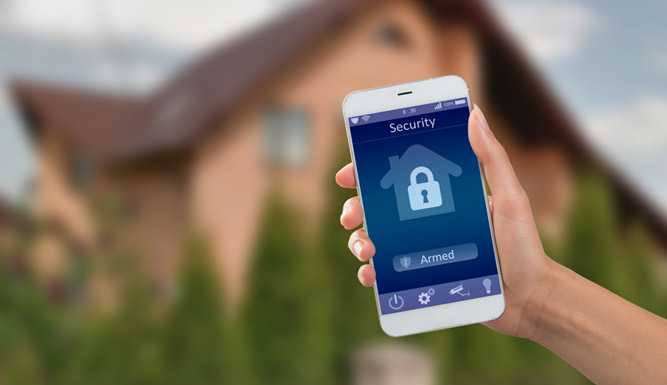
Modern security systems put control in your pocket. Mobile apps allow real-time monitoring, remote system control, and immediate alerts. You can check your store’s status, view live video feeds, and manage access permissions from anywhere.
Push notifications ensure you’re immediately aware of any security events, allowing rapid response even when you’re off-site.
Cloud-based security platforms offer scalability, reliability, and reduced on-site equipment requirements. Data backup and system redundancy protect against equipment failures while reducing maintenance burdens.
Cloud solutions also facilitate multi-location management for retail chains, providing centralized monitoring and control across multiple Pittsburgh-area stores.
Security system costs include initial equipment and installation, plus ongoing monitoring fees and maintenance. However, the return on investment often justifies these expenses through reduced theft, lower insurance premiums, and improved operational insights.
Many Pittsburgh retailers find that comprehensive security systems pay for themselves within the first year through theft prevention alone. Additional benefits like improved employee productivity and customer safety provide ongoing value.
Many security providers offer financing plans that spread costs over time, making comprehensive security systems accessible to smaller retail operations. Some programs allow upgrades and expansions as businesses grow.
Comprehensive security systems often qualify for insurance premium reductions. Many insurers offer discounts for businesses with professional monitoring, modern video surveillance, and integrated alarm systems.
Working with a local security provider offers several advantages. Local companies understand Pittsburgh’s specific requirements, maintain relationships with permit offices, and provide faster service response.
TN Security Pittsburgh brings years of experience with retail security installations throughout the region. You can reach their team at 412-967-0467 or visit them at 3287 Library Road, Pittsburgh, PA 15234 to discuss your specific security needs. Their expertise with Pittsburgh’s permit requirements and local conditions ensures compliant, effective installations tailored to your retail operation.
Ongoing support matters as much as initial installation. Choose providers who offer 24/7 technical support, regular maintenance services, and system updates. Local providers can respond quickly to service calls and understand your business needs.

Consider implementing security systems in phases, starting with the most critical components. This approach spreads costs over time while providing immediate protection for highest-risk areas.
Begin with basic video surveillance and alarms, then add access control and advanced analytics as budget allows. This strategy ensures you get core protection quickly while building toward a comprehensive system.
Even the best security system requires proper use. Train employees on system operation, emergency procedures, and their role in maintaining security. Regular training sessions ensure everyone understands how to maximize system effectiveness.
Clear policies about video monitoring, access procedures, and incident reporting create consistency and legal protection while ensuring effective security practices.
Security needs evolve as businesses grow and threats change. Schedule regular system reviews to identify gaps, upgrade opportunities, and optimization possibilities.
Annual evaluations help ensure your security investment continues providing maximum protection and value as your retail operation evolves.
Choosing the right security system for your Pittsburgh retail store requires careful assessment of your specific needs, understanding of local requirements, and selection of appropriate technologies and installation partners.
Start by conducting a thorough security assessment of your current situation. Consider your location, inventory, staff size, and specific risk factors. Research local providers and compare their experience with retail installations, ongoing support capabilities, and understanding of Pittsburgh’s regulatory environment.
For expert guidance on retail security solutions in Pittsburgh, contact TN Security Pittsburgh at sales@teamnutztechnology.com. Their experienced team can help assess your needs and design a security system that protects your business while fitting your budget and operational requirements.
The right security system is an investment in your business’s future. With proper planning and professional installation, it provides peace of mind, reduces losses, and often pays for itself through improved security and operational insights.