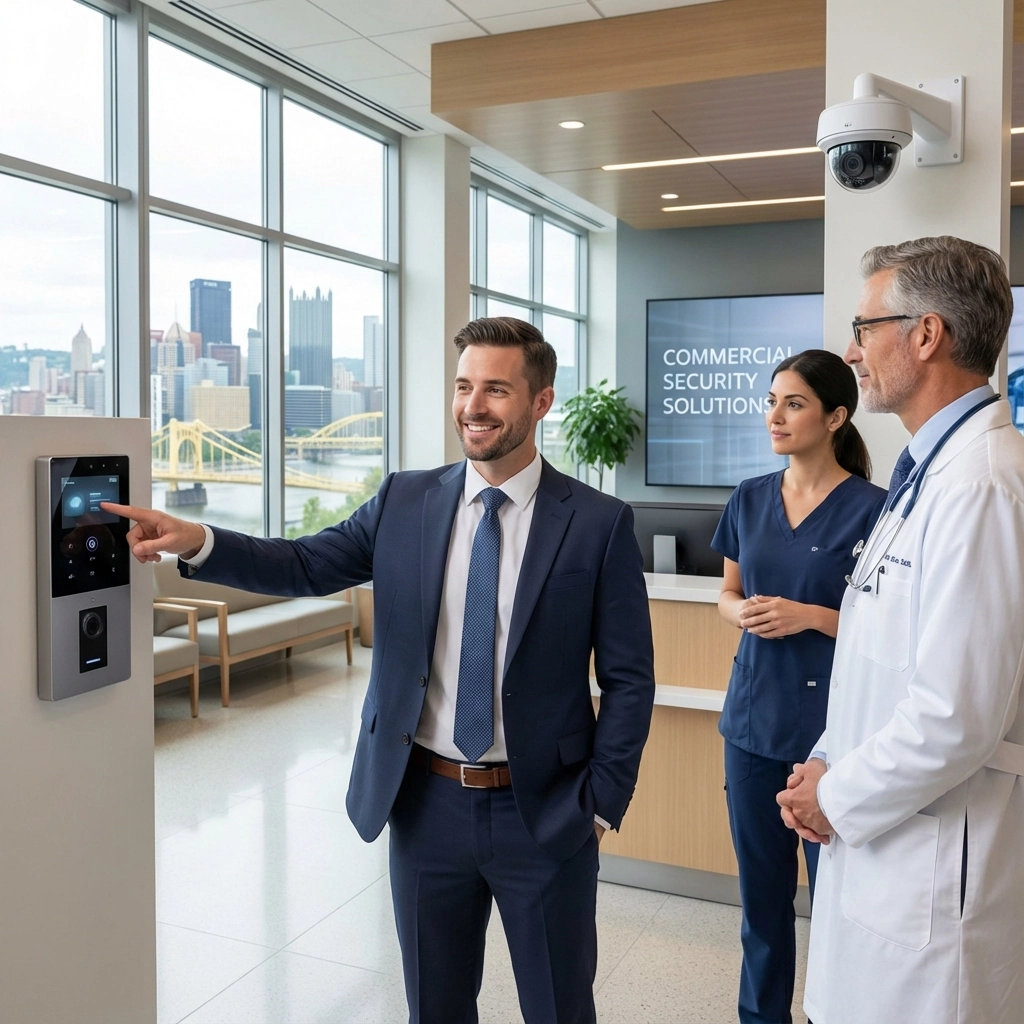
Running a medical practice in Pittsburgh comes with unique security challenges that go far beyond typical commercial properties. Between protecting sensitive patient data, securing valuable pharmaceutical supplies, and ensuring staff and patient safety, healthcare facilities require specialized security solutions tailored to the medical industry’s strict requirements.
Medical offices face a perfect storm of security vulnerabilities. Unlike other commercial properties, healthcare facilities must protect both physical assets and highly sensitive digital information while maintaining an welcoming environment for patients. HIPAA compliance requirements add another layer of complexity, making unauthorized access to patient records a serious federal violation.
Pittsburgh medical offices also deal with specific regional challenges. Urban locations face higher risks of break-ins targeting prescription medications, while suburban practices must secure larger perimeters with fewer natural surveillance opportunities. The city’s diverse neighborhoods mean security needs vary dramatically from practice to practice.

Recent trends show increasing theft of medical equipment and pharmaceutical supplies from healthcare facilities. Prescription drug theft has become particularly problematic, with criminals specifically targeting medical offices for opioids and other controlled substances. These targeted attacks require sophisticated security responses that standard commercial systems often can’t provide.
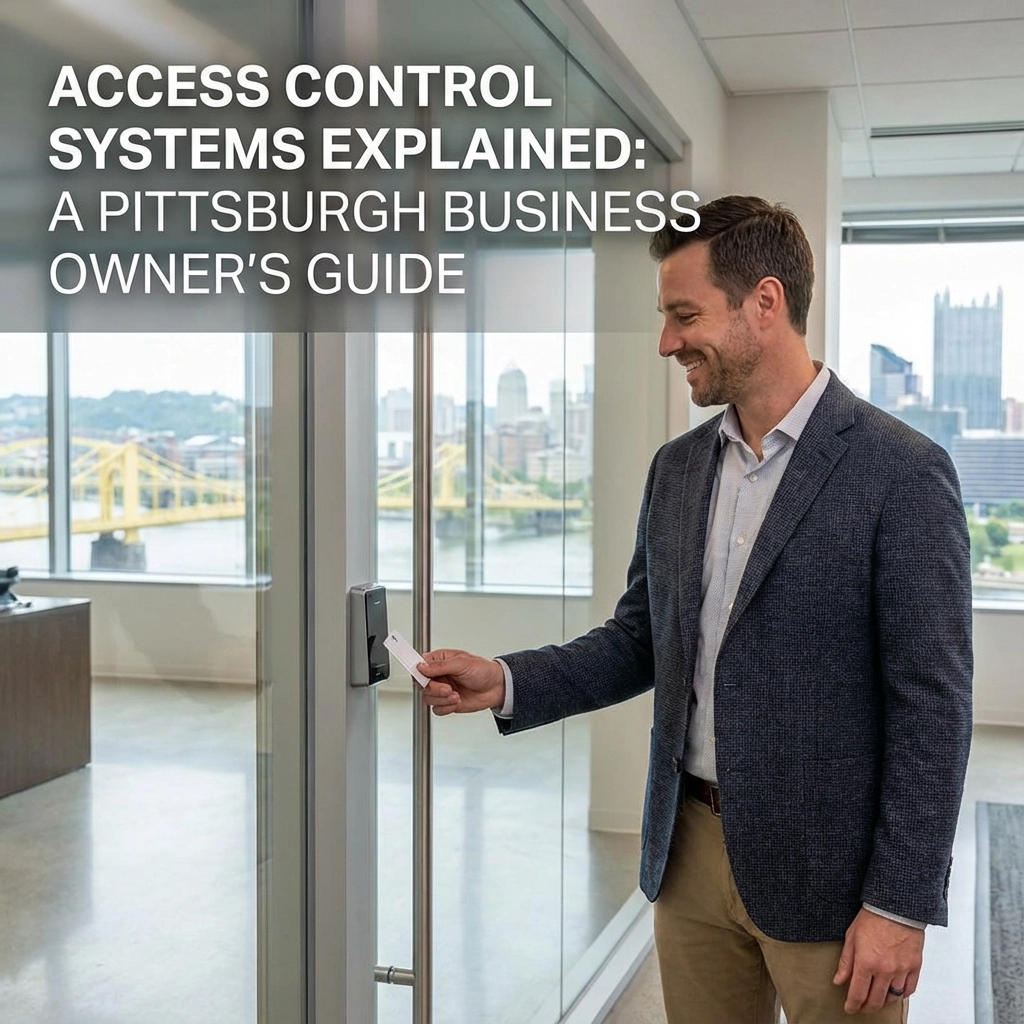
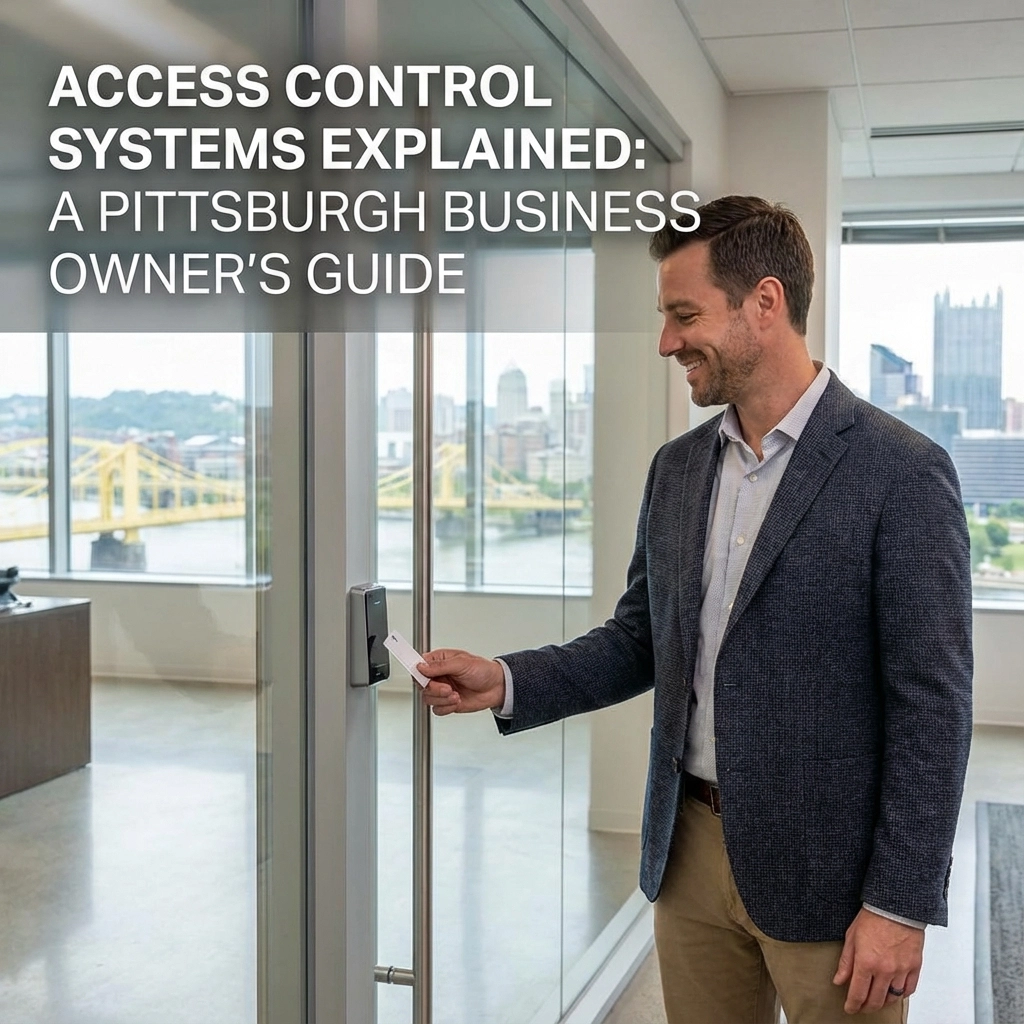
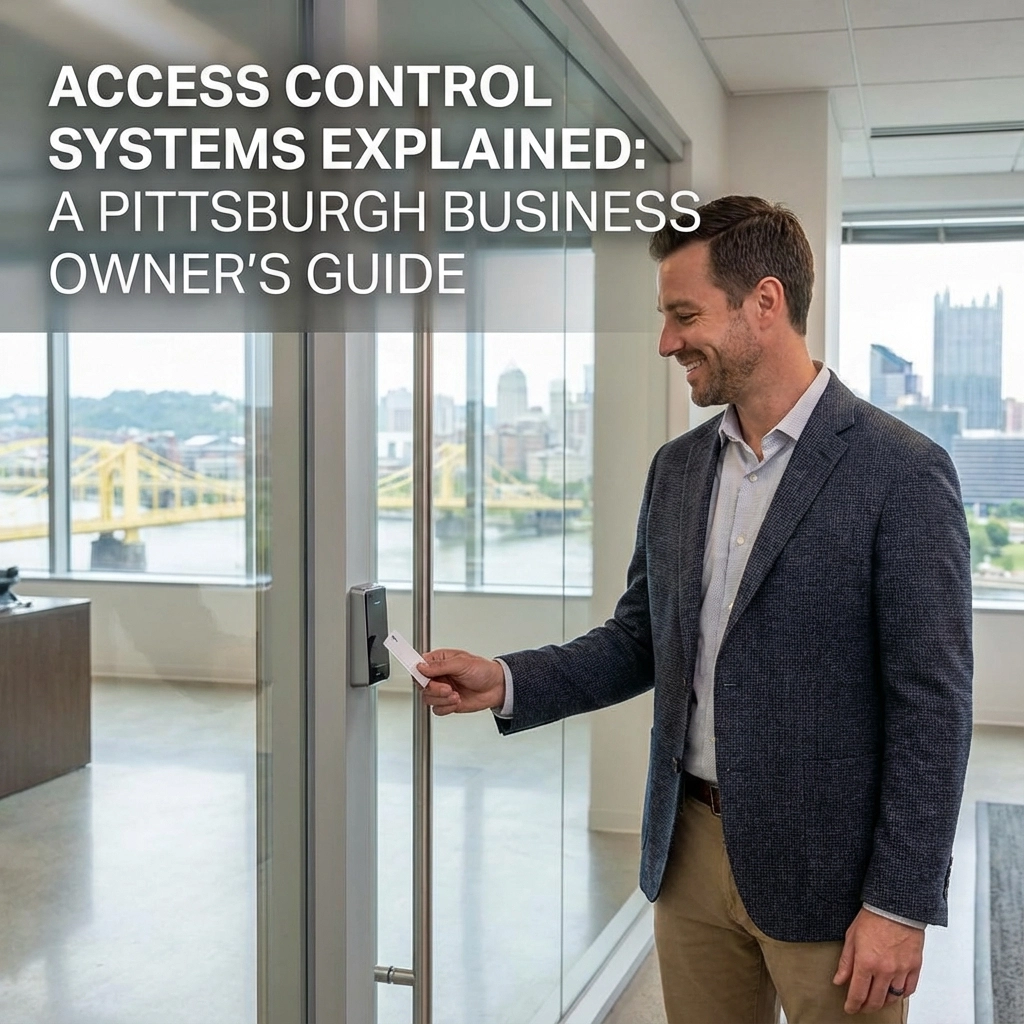
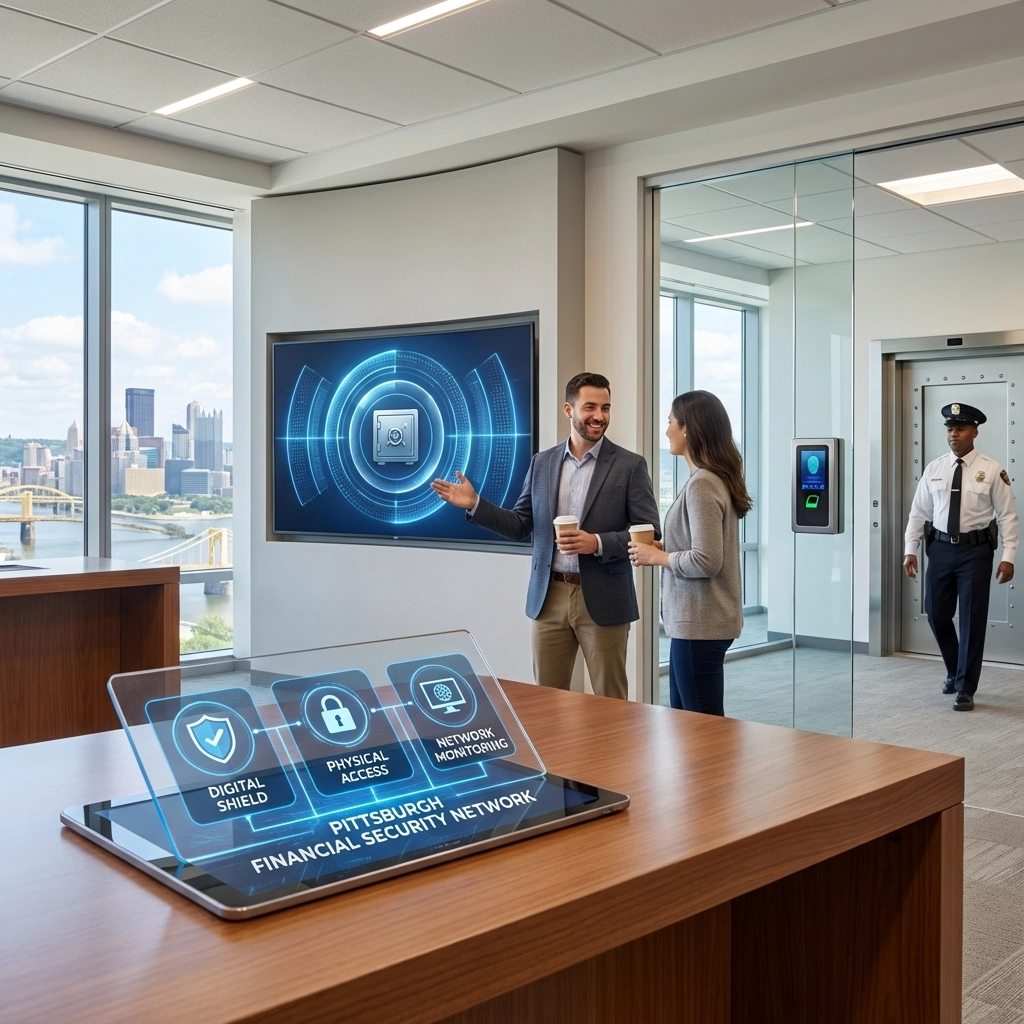
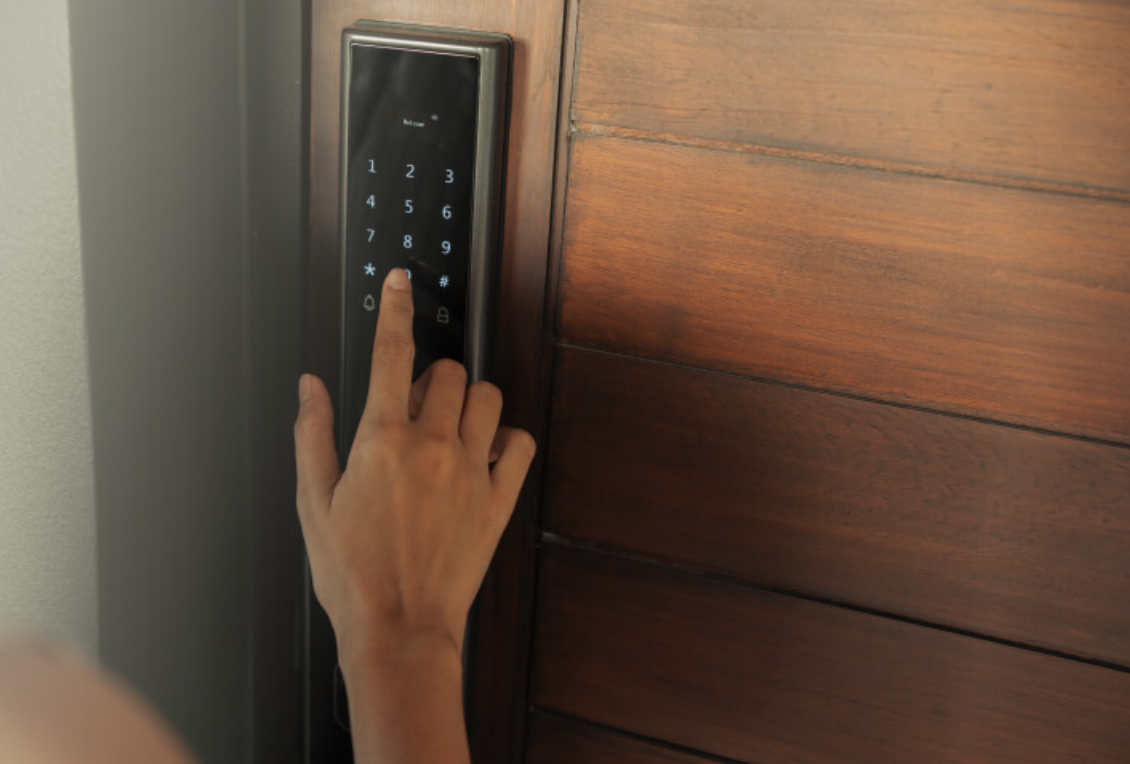
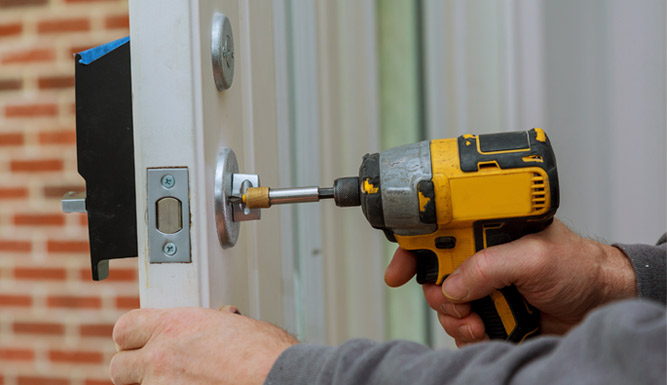
Access control systems serve as the first line of defense for any medical practice. These systems go beyond simple door locks, creating multiple security zones throughout your facility. Patient areas, administrative offices, pharmaceutical storage, and records rooms each require different levels of access control.
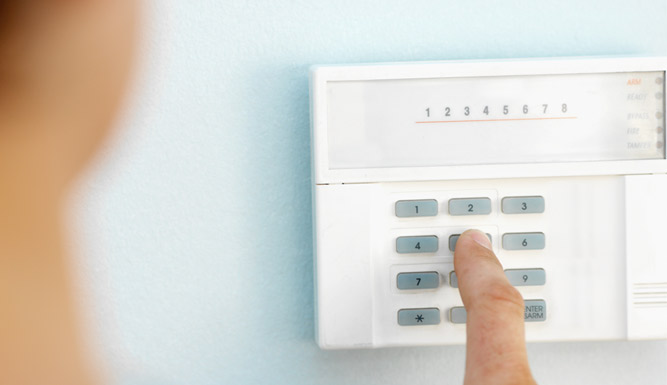
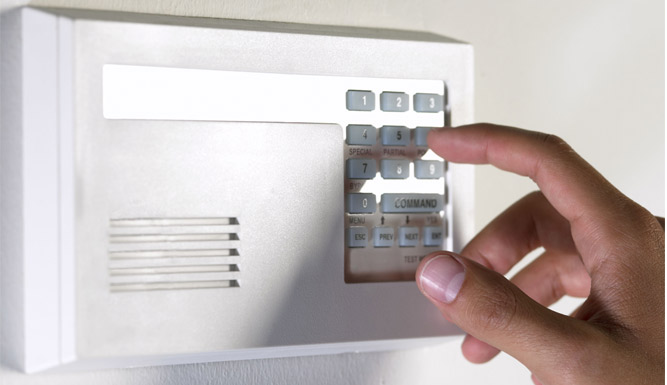
Modern access control systems use electronic key cards or PIN codes to regulate entry. This creates an audit trail showing exactly who accessed which areas at what times – crucial information for HIPAA compliance and security investigations. When properly configured, these systems automatically restrict access to sensitive areas like narcotics storage or patient record rooms.
The technology has evolved significantly in recent years. Biometric systems now offer fingerprint or retinal scanning for highest-security areas, while mobile access control allows authorized staff to use smartphones as digital keys. For larger medical practices with multiple entrances, centralized control systems can manage dozens of access points from a single location.
Integration with scheduling systems adds another layer of functionality. Access permissions can automatically adjust based on staff schedules, temporary employees, or visiting physicians. This ensures only people who should be in the building have access during specific time periods.
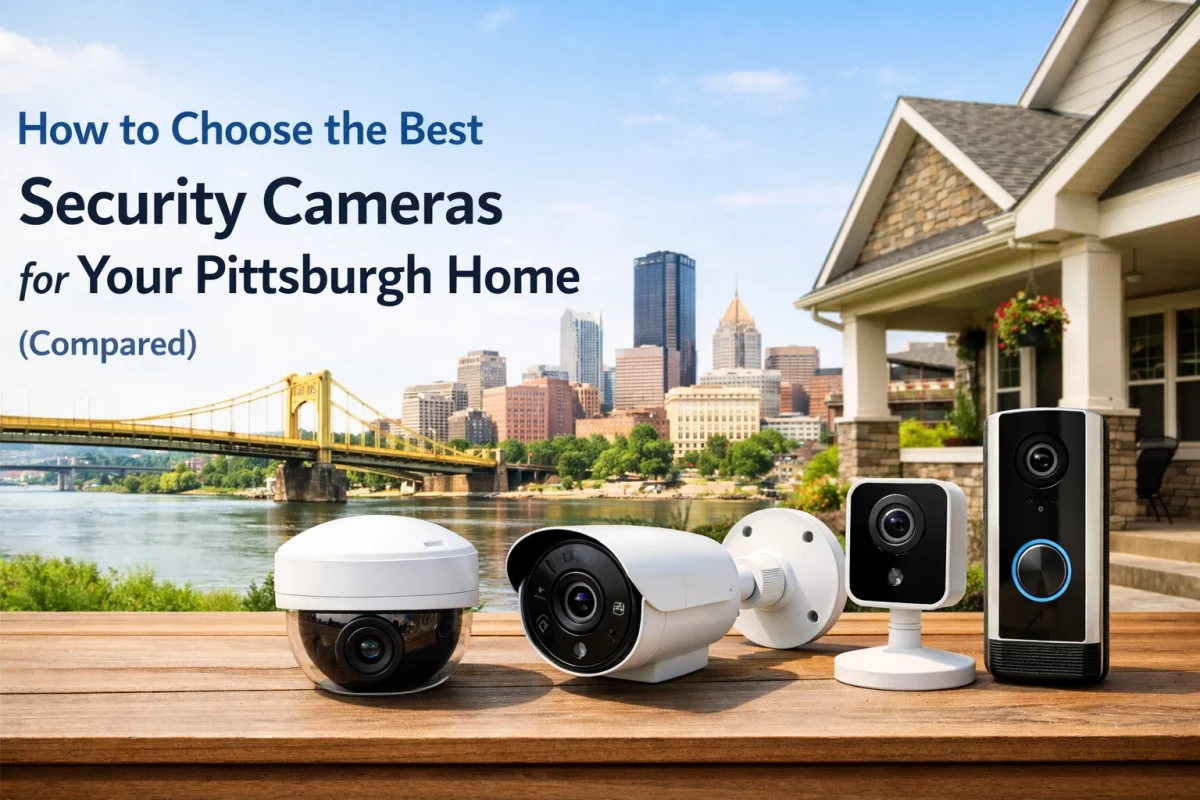
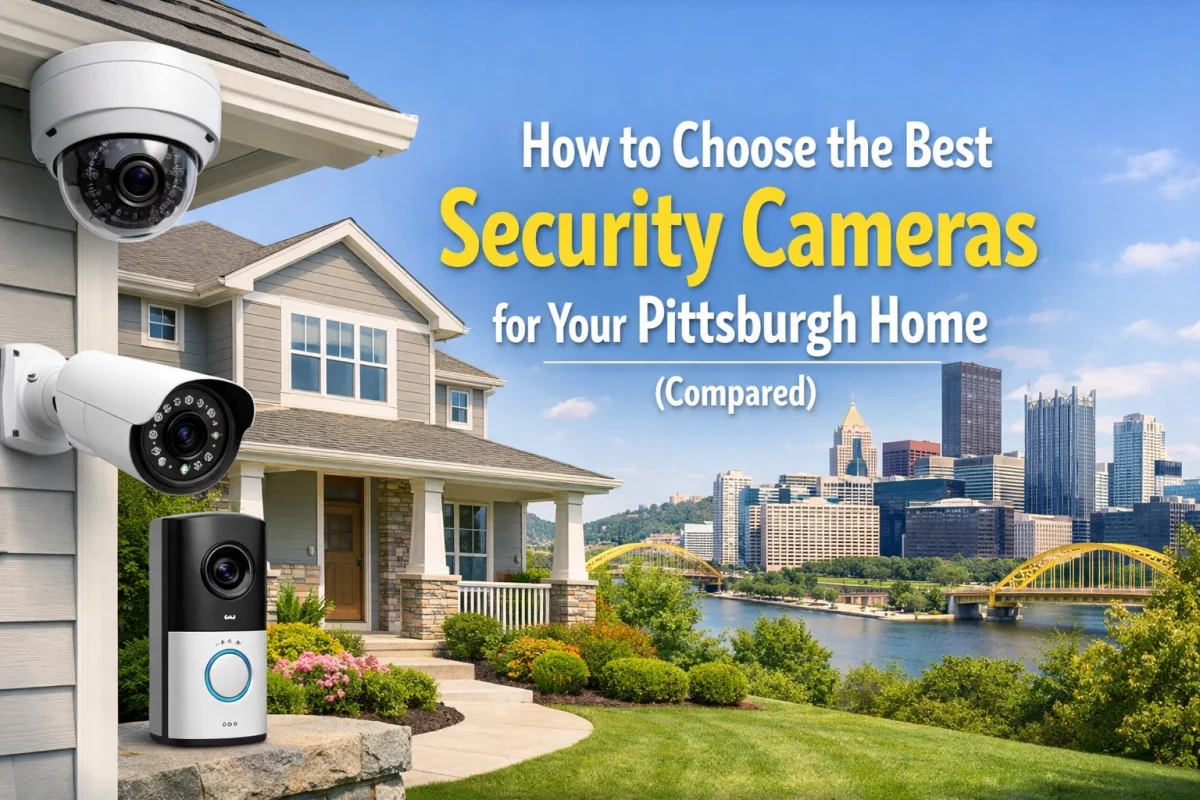
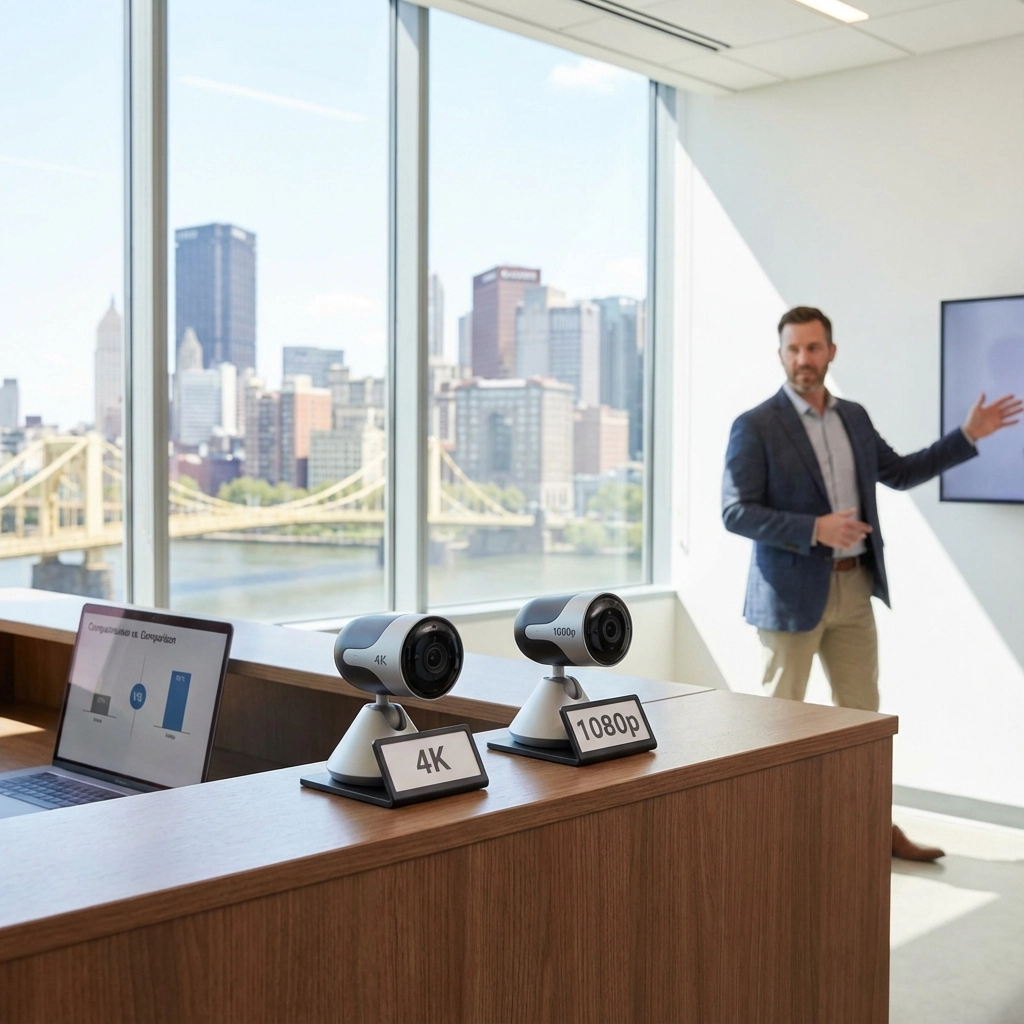
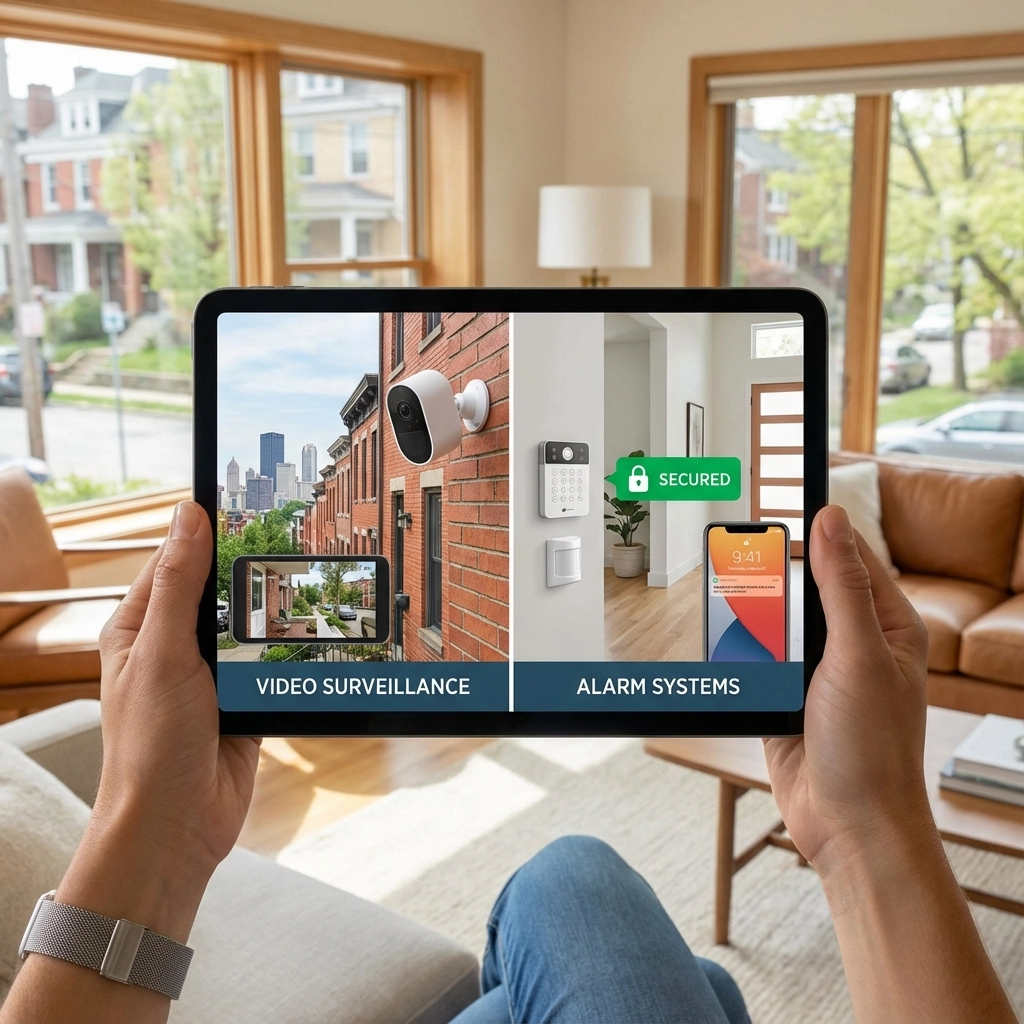
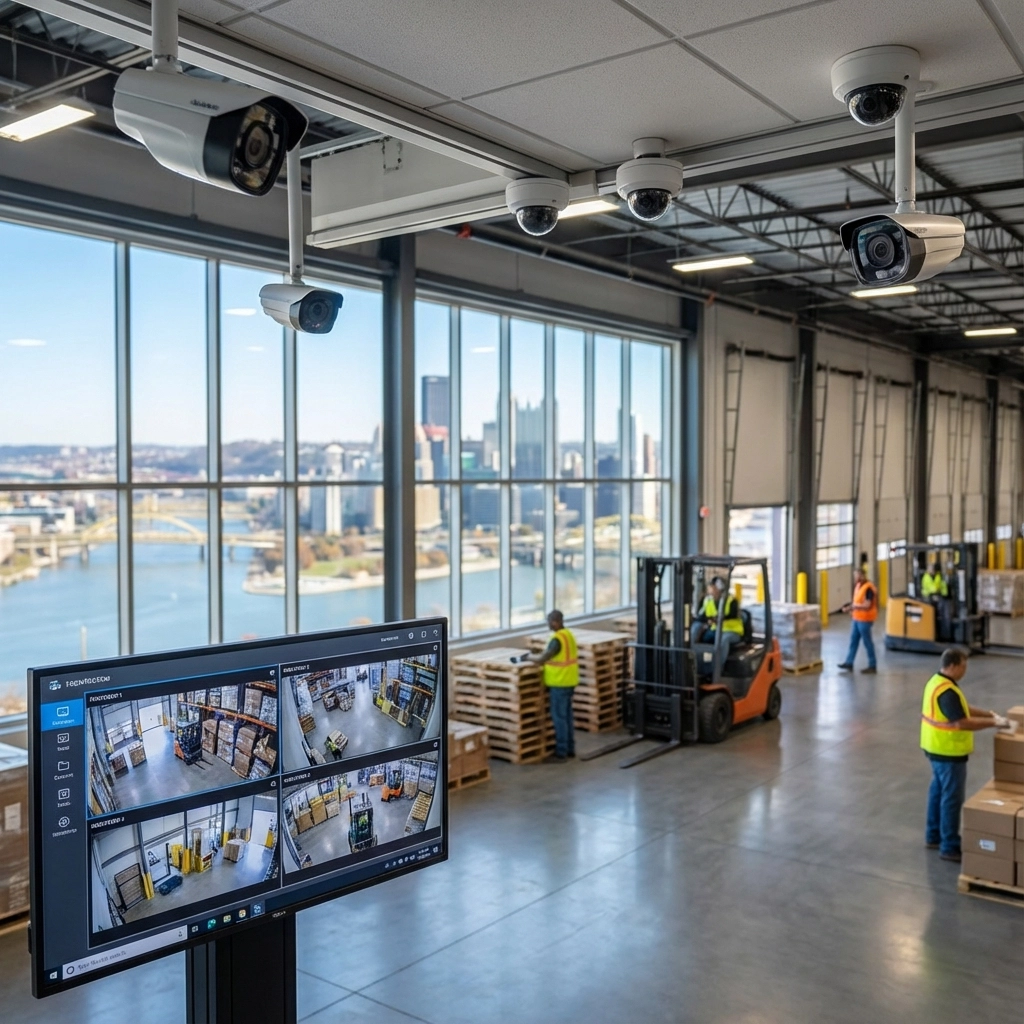
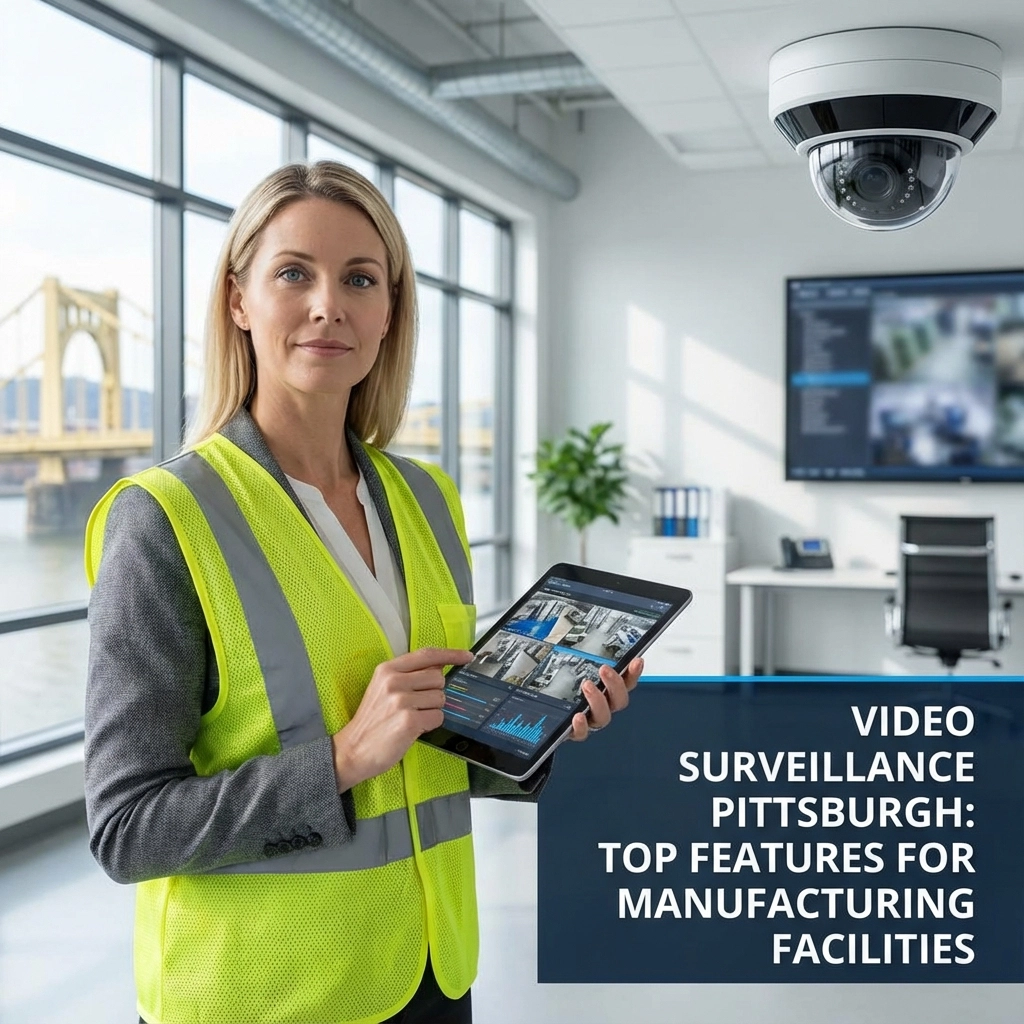
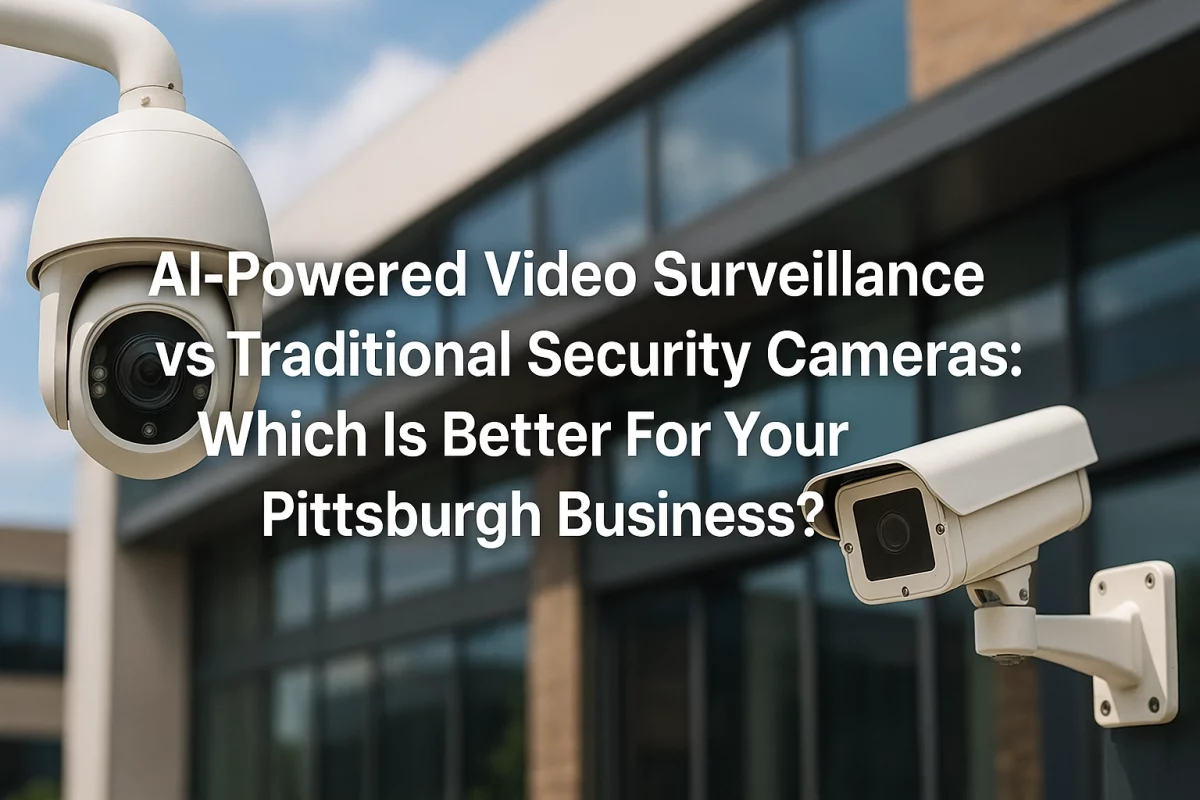
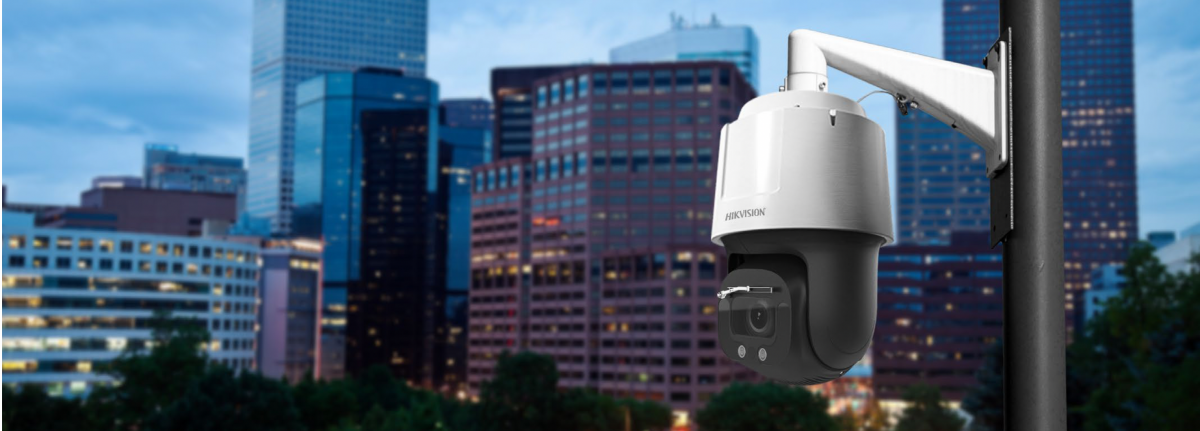
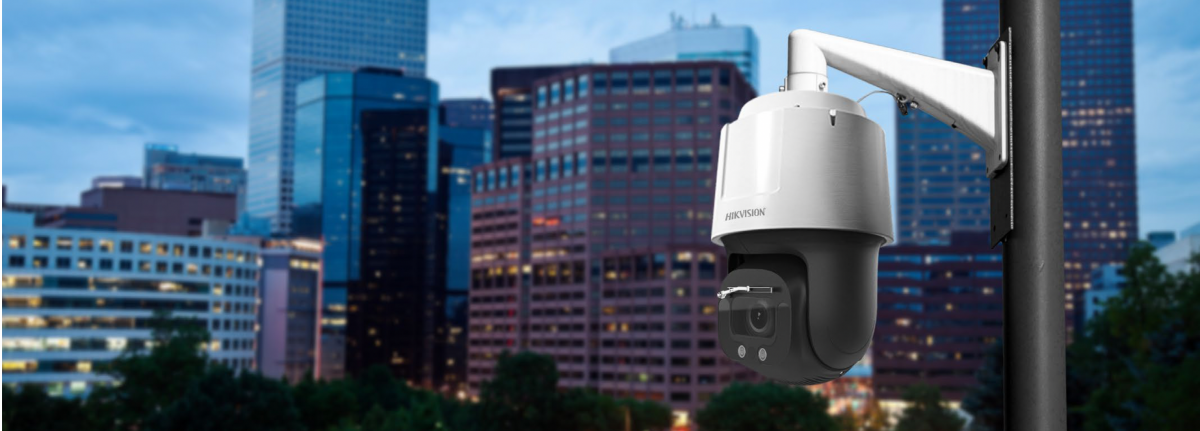
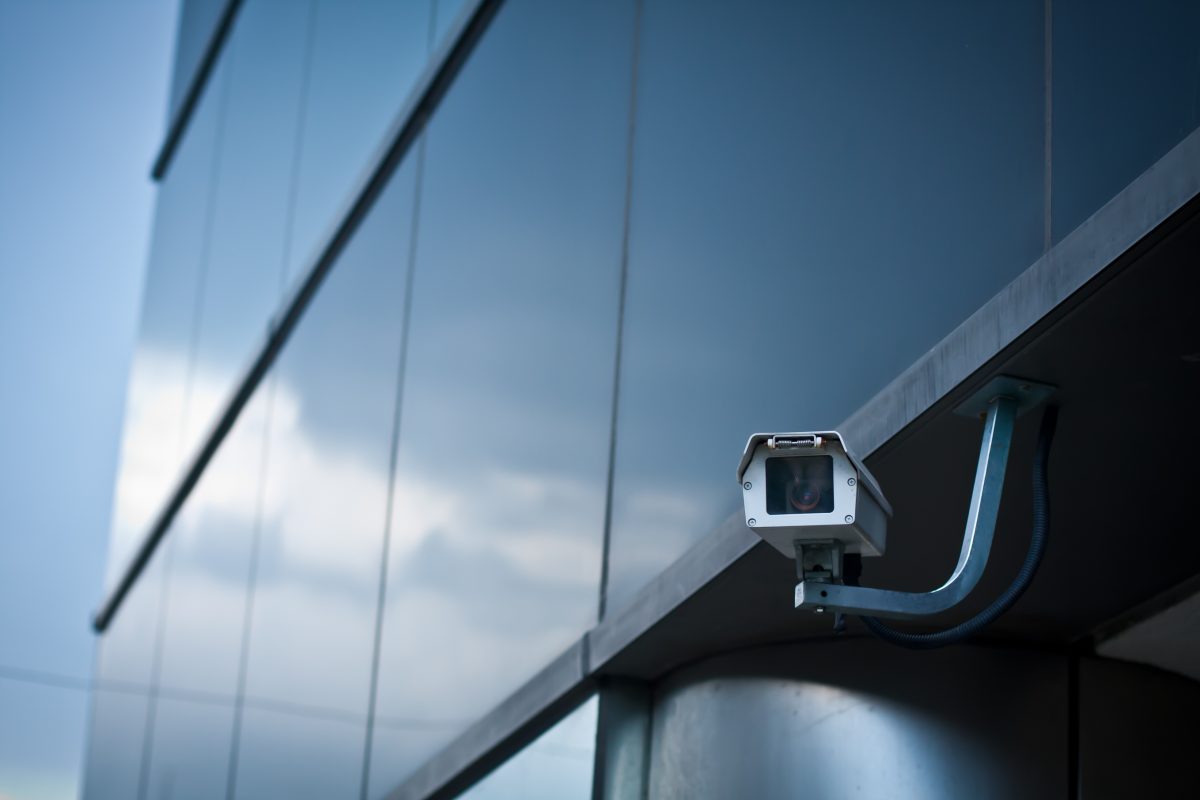
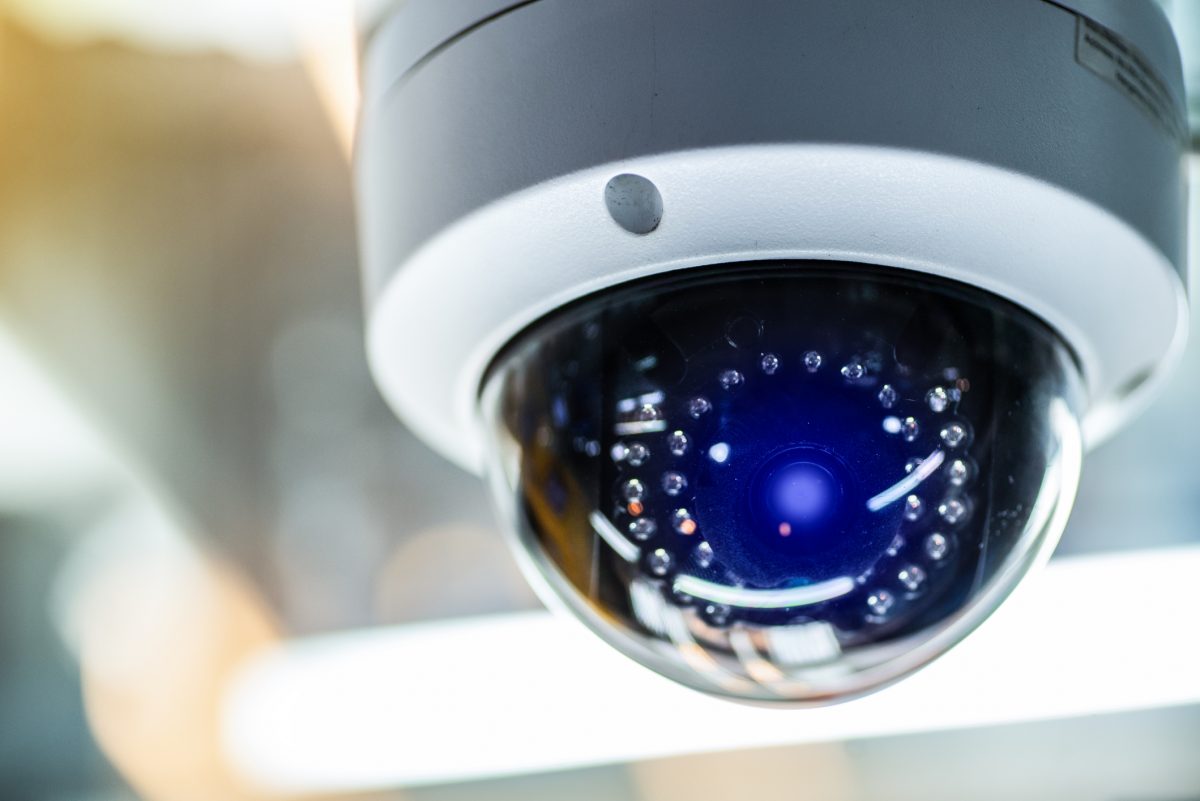
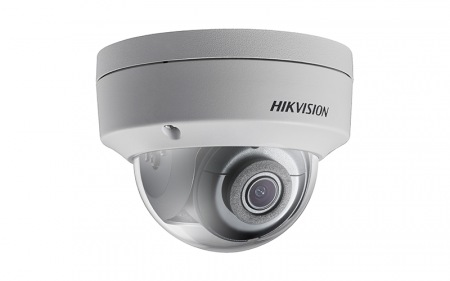
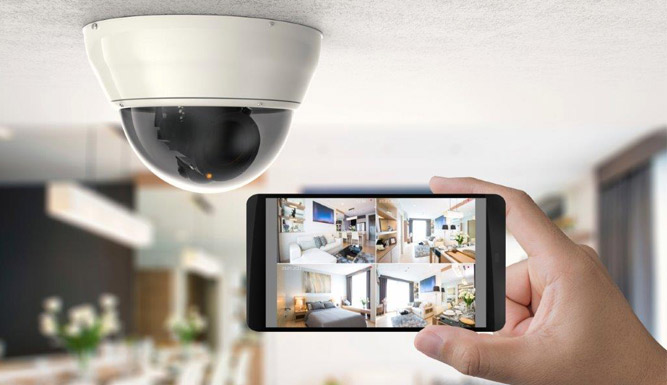
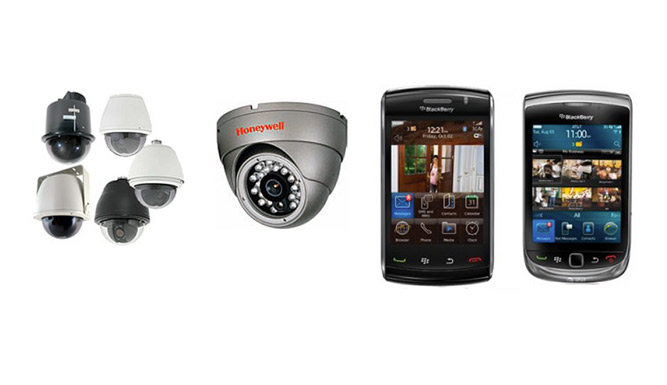
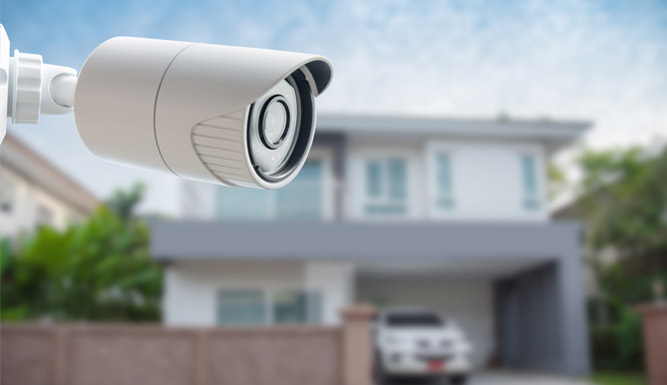
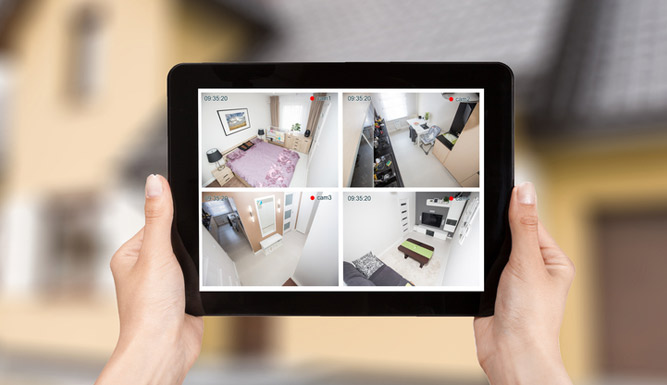
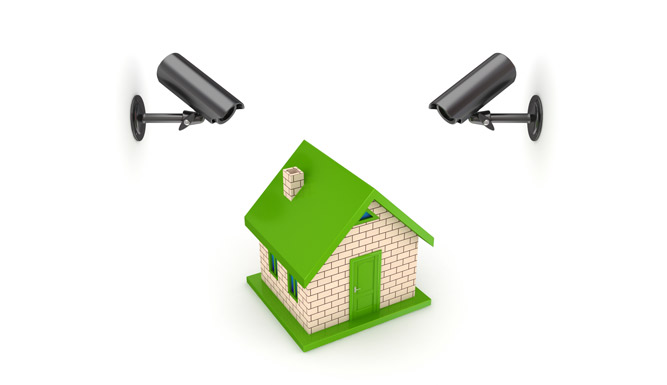
Video surveillance systems have become essential for medical office security, providing both deterrent effects and crucial documentation capabilities. Modern systems offer far more than basic recording – they include motion detection, mobile alerts, and remote viewing capabilities that keep you connected to your practice even when you’re not there.

Strategic camera placement covers critical areas without compromising patient privacy. Entrances, exits, pharmaceutical storage areas, and common spaces typically require coverage, while examination rooms and private counseling areas must remain camera-free to maintain HIPAA compliance. Professional installation ensures optimal camera angles and coverage patterns while respecting privacy requirements.
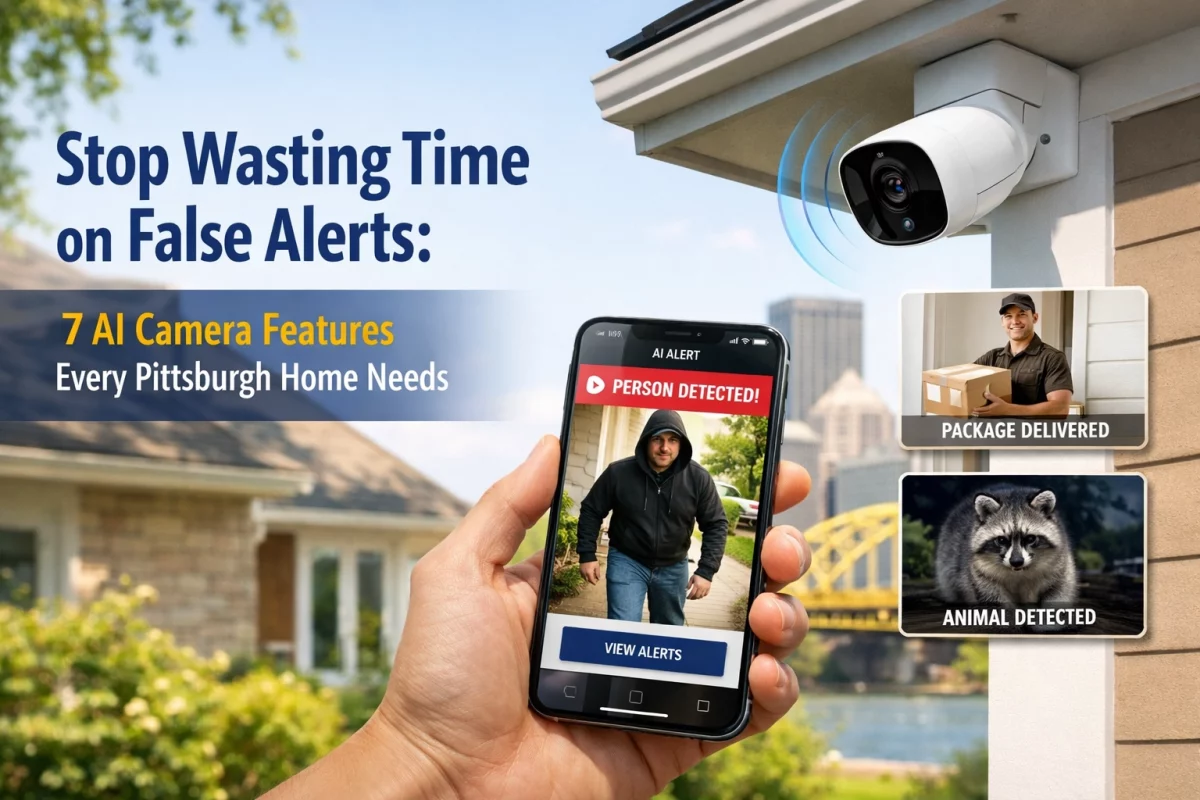
Cloud-based storage solutions now allow unlimited recording capacity with automatic backup and retrieval systems. This proves invaluable for insurance claims, security investigations, or compliance audits. Many systems include AI-powered analytics that can detect unusual behavior patterns, unauthorized access attempts, or potential security threats in real-time.
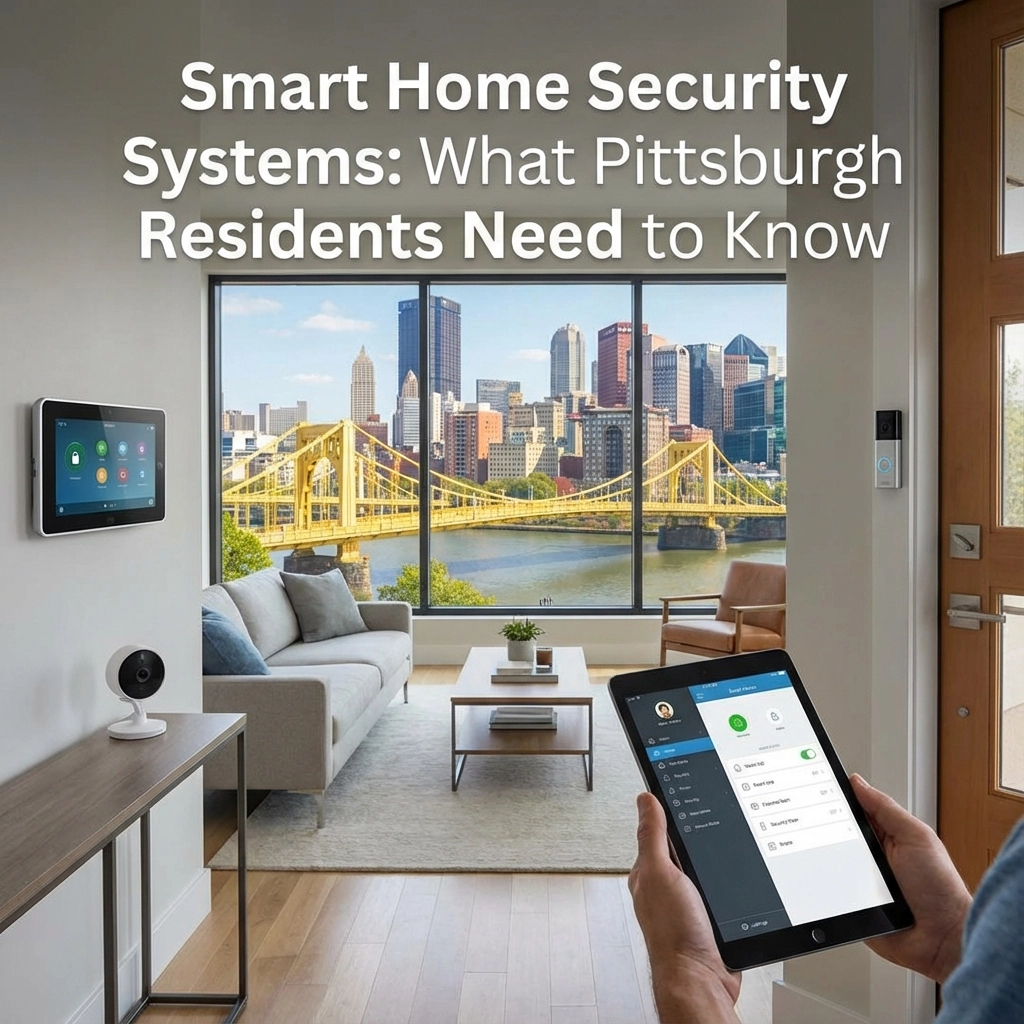
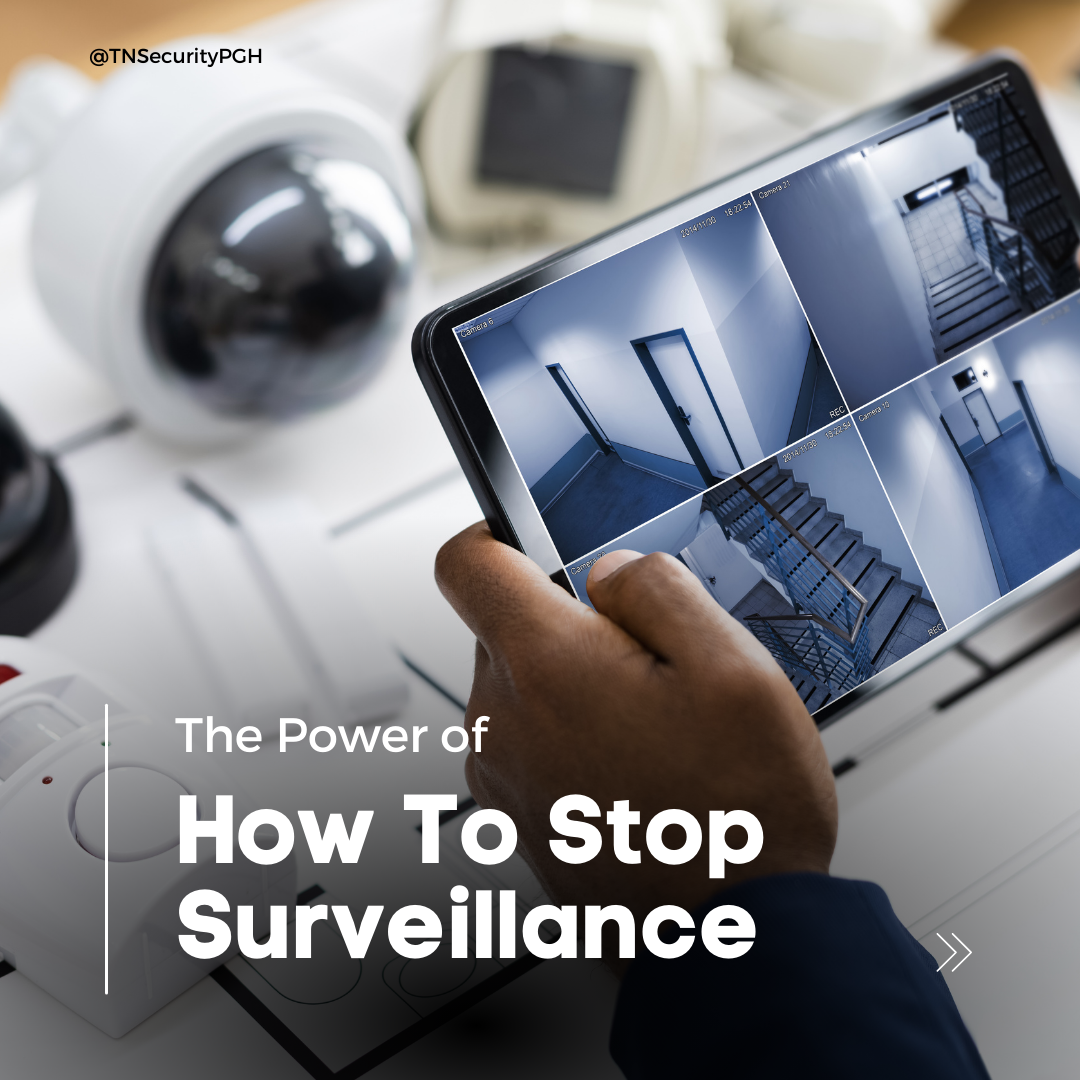
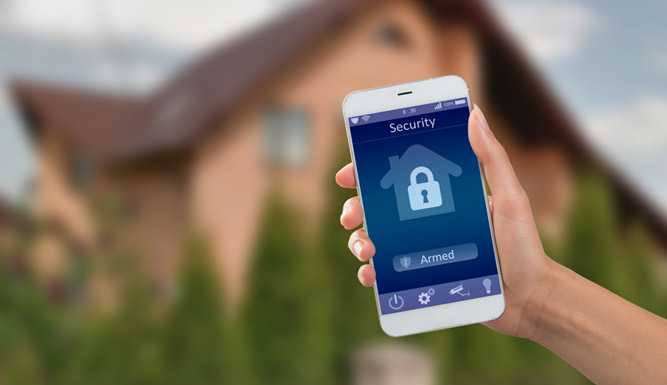
Remote monitoring capabilities let you check on your practice from anywhere using smartphone apps. Motion-activated alerts provide immediate notification of after-hours activity, while live viewing lets you verify legitimate access or respond quickly to security concerns.
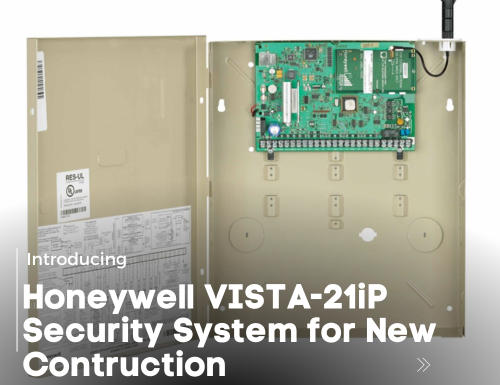
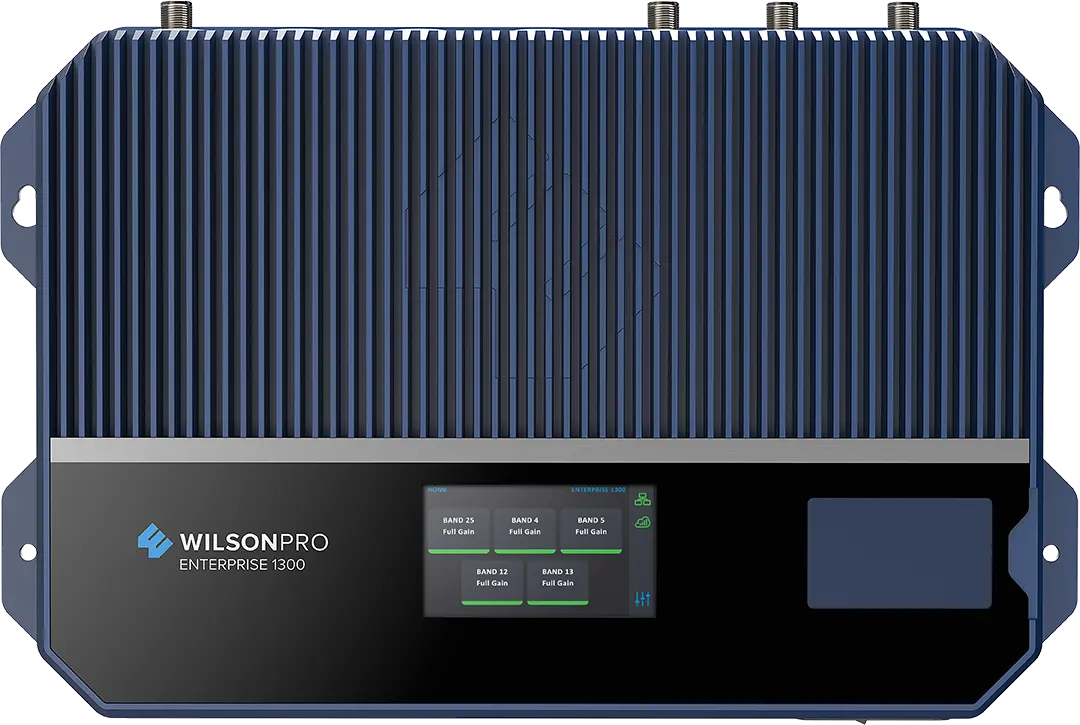
Modern electronic security delivers consistent protection without on-site guard services. Layered systems combine video surveillance with analytics, access control, intrusion detection, intercom communication, and automated event responses to secure medical environments.
Remote monitoring provides 24/7 oversight with video verification, mobile alerts, and two-way audio talk-down capabilities. Suspicious activity can be detected, verified, and escalated quickly, reducing false alarms while enabling fast intervention through coordinated response procedures.
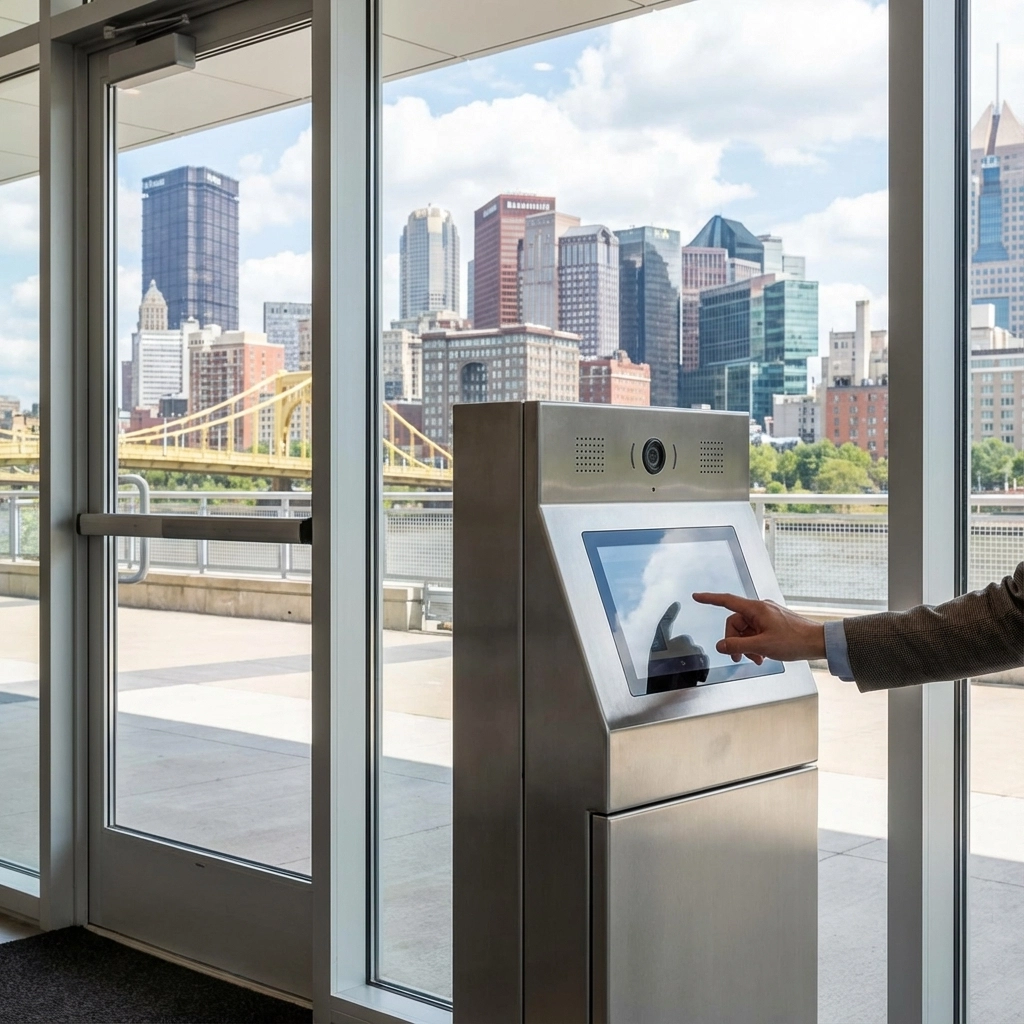
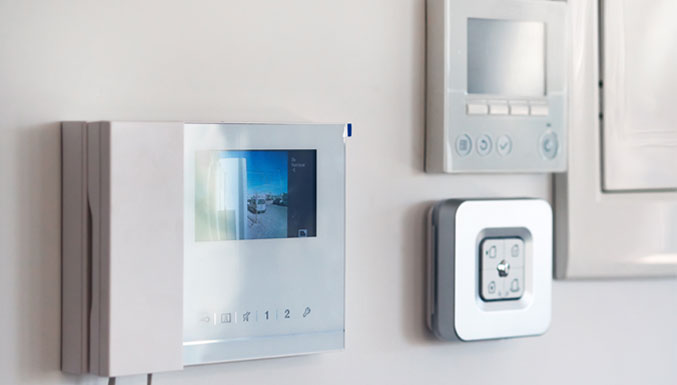
Intercom and IP door stations enable controlled visitor management and after-hours screening. Staff can verify identity, grant temporary access, and create audit trails, all while maintaining patient privacy and workflow efficiency.
Panic and duress buttons, when integrated with access control, support rapid lockdowns of sensitive areas, automatic notification of designated administrators or monitoring centers, and time-stamped documentation for incident review and compliance.
Advanced video analytics enhance detection of loitering, line crossing, object removal, and camera tampering. System health monitoring tracks network status, storage capacity, and device uptime to ensure continuous protection.
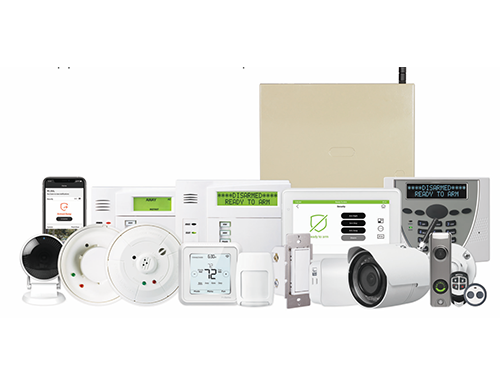
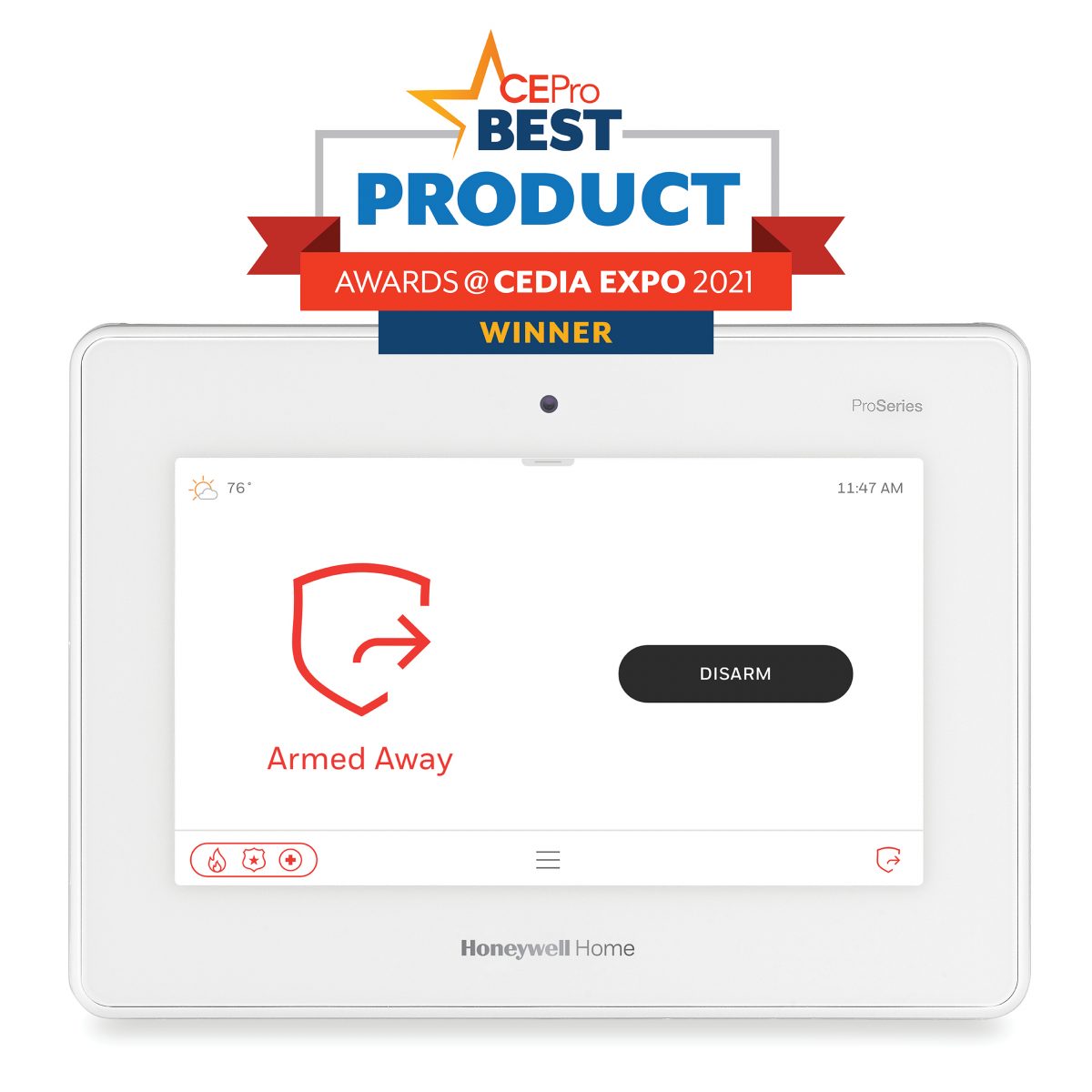
The most effective medical office security comes from integrated systems that combine multiple technologies into unified protection platforms. These systems connect access control, video surveillance, alarm monitoring, and communication systems into single, manageable interfaces.
Integration allows for sophisticated response protocols. For example, unauthorized access attempts can automatically trigger camera recording, send alerts to authorized administrators or a professional monitoring center, and lock down additional access points. Medical emergency buttons can simultaneously contact emergency services, unlock relevant doors for responders, and begin recording for documentation purposes.
Visitor management systems integrate seamlessly with access control and surveillance, creating complete records of everyone entering your facility. This proves particularly valuable for compliance audits and provides additional security for staff working with potentially dangerous patients.
Central monitoring stations can oversee multiple locations simultaneously, making them ideal for medical practices with several offices throughout the Pittsburgh area. Professional monitoring services provide 24/7 oversight even when your staff isn’t present.
Medical office security systems must balance protection needs with strict HIPAA privacy requirements. This creates unique challenges that require specialized knowledge and careful system design.
Digital security components must include appropriate encryption, user authentication, and audit trail capabilities. Video surveillance systems need privacy masking features to protect patient identity in recordings. Access control systems must generate detailed logs showing who accessed patient information and when.

Data storage and transmission require special attention under HIPAA rules. Security system data containing patient information must receive the same protection levels as medical records themselves. This includes encrypted storage, secure transmission protocols, and controlled access to security footage or access logs.
Regular security assessments and staff training help maintain compliance while maximizing protection effectiveness. Professional security providers familiar with healthcare regulations can ensure your systems meet all federal requirements while providing optimal protection for your practice.
Selecting appropriate security solutions requires partnering with providers who understand medical office requirements and local Pittsburgh conditions. The best security companies offer comprehensive assessments, customized system designs, and ongoing support that grows with your practice.
Experience with healthcare facilities makes a significant difference in system design and implementation. Providers familiar with HIPAA requirements, pharmaceutical security needs, and patient privacy concerns can design systems that protect effectively while maintaining compliance.
Local presence ensures responsive service and quick emergency support. When security systems need repair or updating, local providers can respond immediately rather than scheduling service calls from distant locations.
At TN Security Pittsburgh, we specialize in commercial security solutions designed specifically for healthcare facilities throughout the Pittsburgh area. Our team understands the unique challenges medical practices face and designs integrated security systems that protect your patients, staff, and valuable assets while maintaining full HIPAA compliance. Located at 3287 Library Road in Pittsburgh, we’re always nearby when you need service or support.
Medical office security represents both necessary expense and valuable investment. While initial costs may seem significant, professional security systems typically pay for themselves through reduced insurance premiums, prevented losses, and improved operational efficiency.
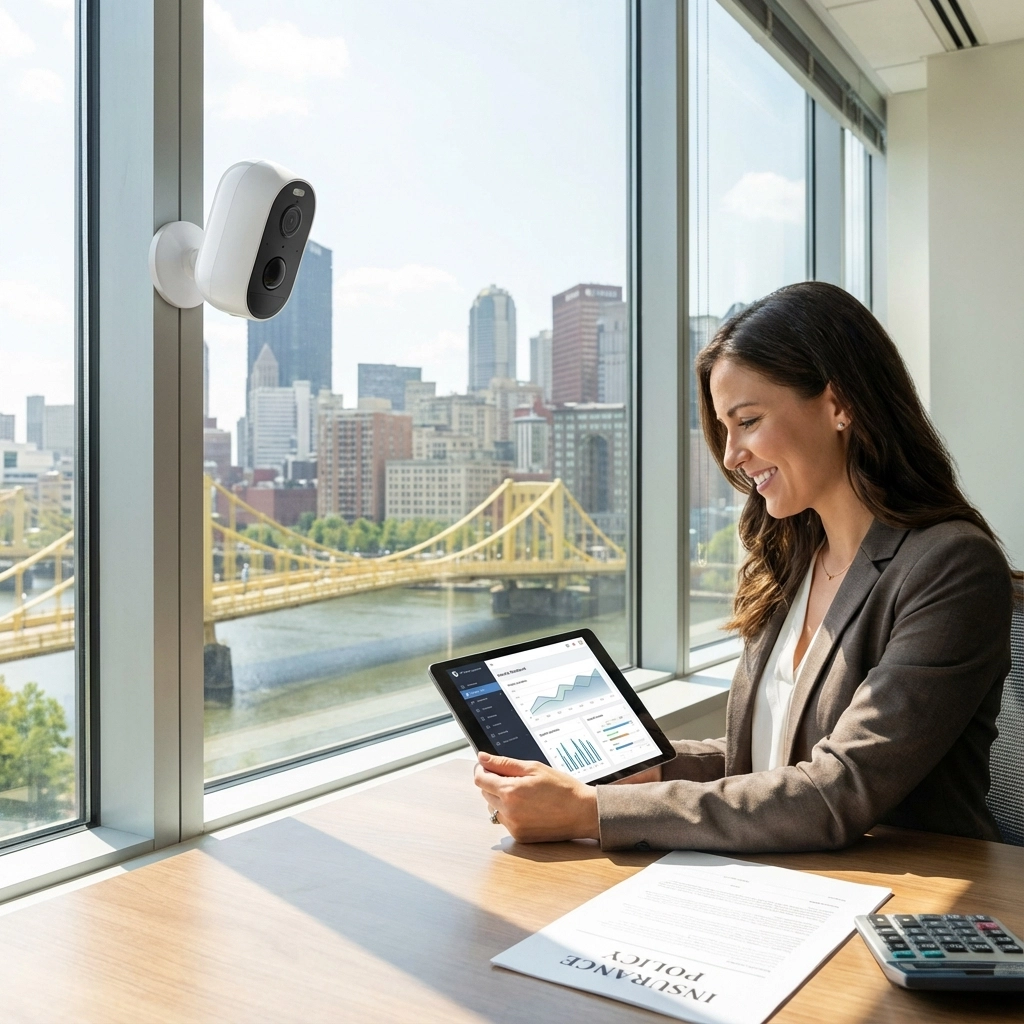
Insurance companies often provide substantial discounts for properly secured medical facilities, recognizing the reduced risk of theft, vandalism, or liability claims. These discounts can offset system costs within the first few years of operation.
Prevention of a single pharmaceutical theft or data breach often exceeds total security system costs. Medical practices face enormous liability exposure from security incidents, making comprehensive protection a wise financial decision beyond basic safety considerations.
Enhanced security also improves staff retention and patient confidence. Employees feel safer working in well-protected environments, while patients appreciate knowing their sensitive information receives appropriate protection.
For more information about comprehensive security solutions for your Pittsburgh medical practice, contact TN Security Pittsburgh at 412-967-0467 or reach out via email at sales@teamnutztechnology.com. Our experienced team can assess your specific needs and design security systems that protect your practice while supporting your commitment to excellent patient care.