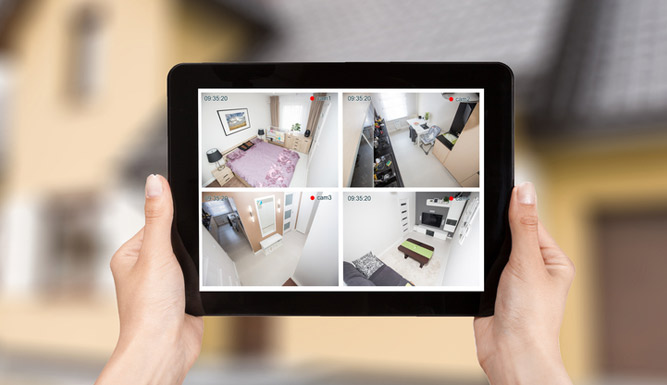

Running a restaurant in Pittsburgh comes with unique challenges: from managing staff and inventory to ensuring customer safety. One investment that addresses multiple concerns simultaneously is a comprehensive security camera system. But before you install cameras throughout your establishment, there are crucial legal requirements, practical considerations, and strategic benefits every Pittsburgh restaurant owner needs to understand.
Pennsylvania’s workplace surveillance laws are particularly relevant for restaurant owners. Unlike some states with minimal restrictions, Pennsylvania has specific requirements that could impact your security camera installation.
Audio Recording is Strictly Prohibited
Here’s something many restaurant owners don’t realize: you cannot record audio with your security cameras in Pennsylvania. Pittsburgh follows state wiretapping laws that require consent from all parties before recording conversations. This means your cameras can capture video footage of dining areas, kitchens, and entrances, but they cannot record the sounds of customer conversations or staff interactions.
This restriction actually works in your favor from a privacy standpoint: customers and employees are more comfortable knowing their conversations aren’t being recorded, even if their actions are being monitored for security purposes.
Employee Privacy Areas Are Off-Limits
Pennsylvania law explicitly prohibits video surveillance in areas where employees have a reasonable expectation of privacy. For restaurants, this includes:
You can monitor customer dining areas, kitchens during service, entry and exit points, and storage areas containing inventory or cash handling stations. The key is ensuring cameras don’t inadvertently capture private spaces where staff members have legitimate privacy expectations.

Data Security Requirements Are Getting Stricter
Recent changes to Pennsylvania’s Data Breach Notification Law create new compliance requirements for businesses storing surveillance footage. If you’re using cloud-based storage for your security cameras (which most modern systems do), all footage must be encrypted by January 2026.
Additionally, if your system includes facial recognition capabilities: which some advanced restaurant security systems now offer: biometric data is classified as personal information requiring enhanced protection. Any data breach affecting 500 or more Pennsylvania residents must be reported to the Attorney General within 72 hours.
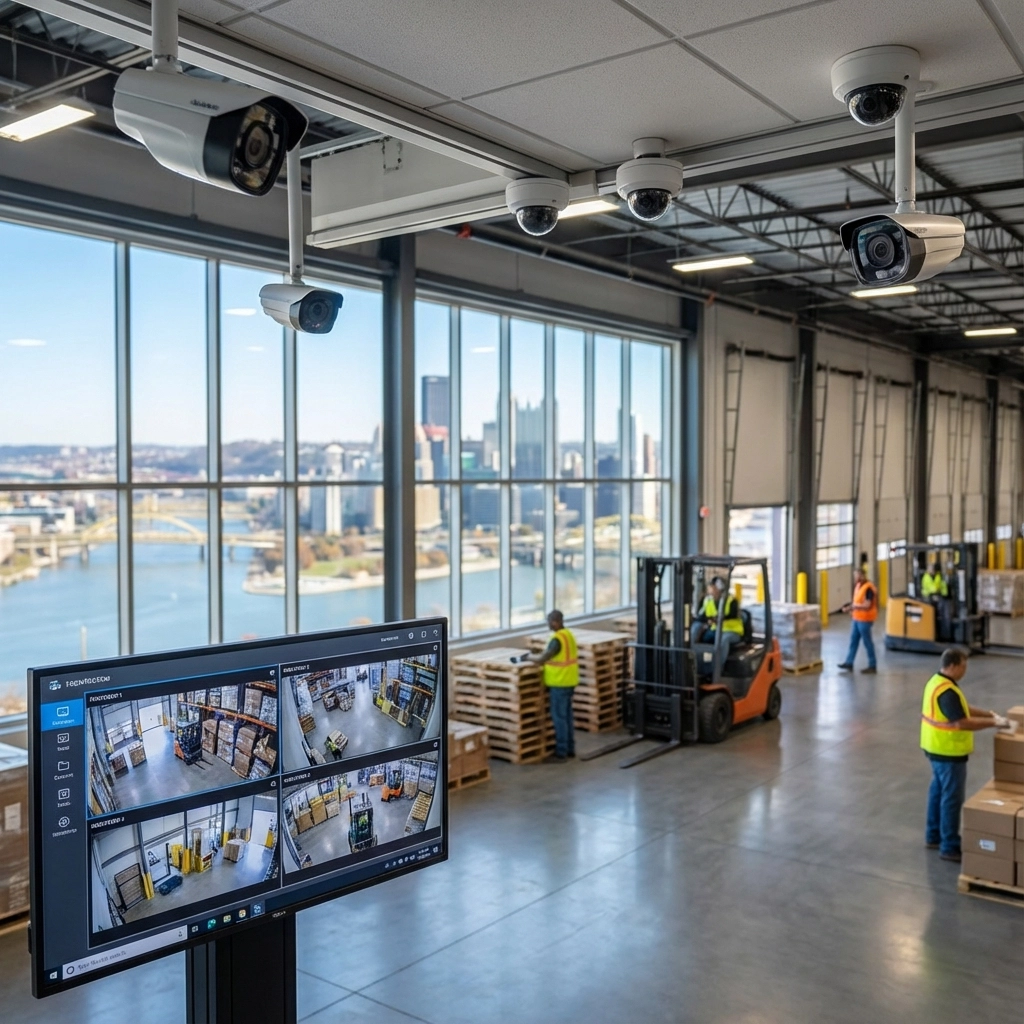
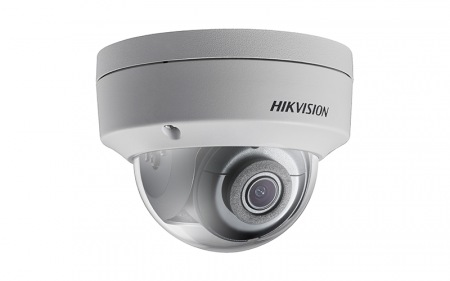
The effectiveness of your security camera system depends heavily on strategic placement. Restaurant environments present unique opportunities and challenges for surveillance coverage.
Customer-Facing Areas
Your dining room cameras serve multiple purposes beyond security. They help you monitor service quality, identify busy periods for staffing optimization, and document any incidents between customers or with staff. Position cameras to cover main dining areas, bar sections, and waiting areas while respecting customer privacy at individual tables.
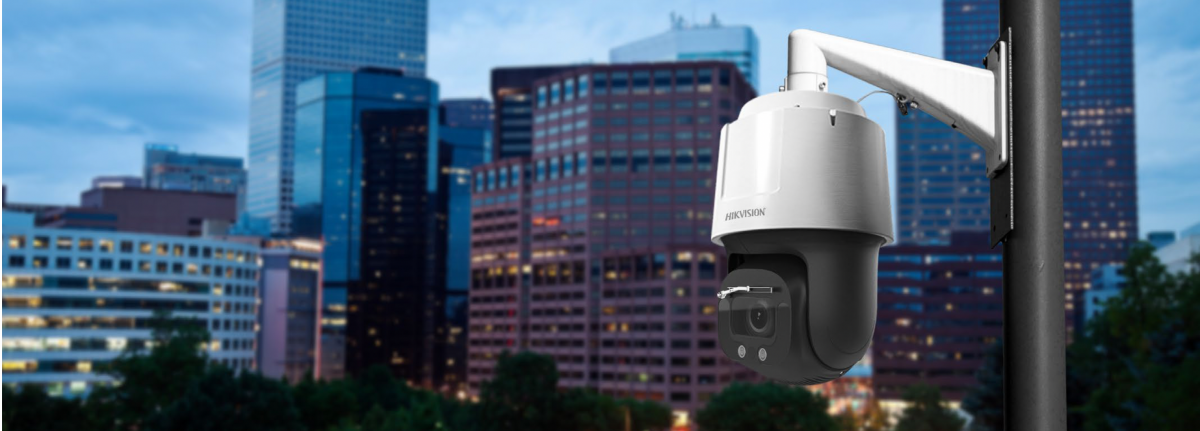
Wide-angle cameras work well for general dining area coverage, while higher-resolution cameras near the host stand and bar can capture important details during peak service times.
Kitchen and Food Preparation Areas
Kitchen surveillance is crucial for both security and operational purposes. Cameras in food prep areas help ensure health code compliance, monitor inventory handling, and document proper food safety procedures. They’re also essential for investigating any customer complaints about food quality or safety.
Position cameras to cover main cooking lines, prep stations, and storage areas where expensive ingredients are kept. Avoid placing cameras directly over hot cooking surfaces where steam and heat can damage equipment or obscure footage.
Entry Points and Cash Handling Areas
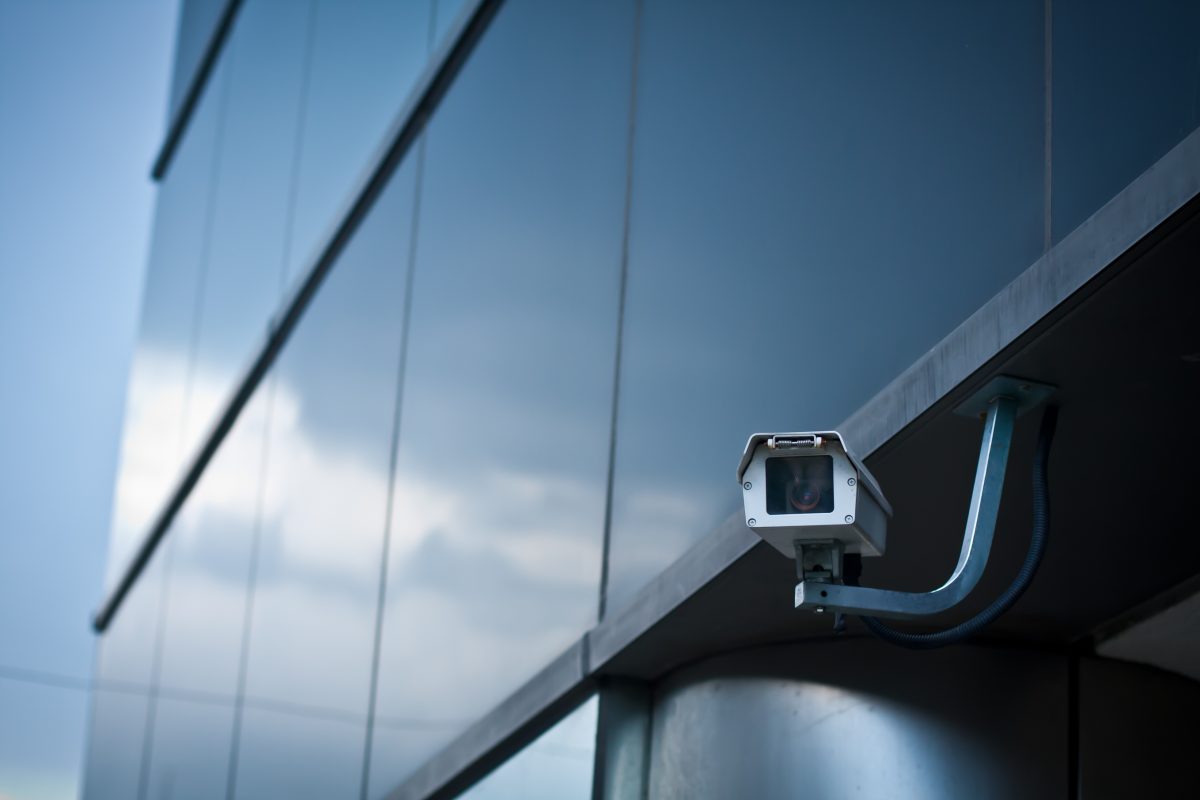
Every entrance and exit should have dedicated camera coverage. This includes main customer entrances, staff entrances, delivery doors, and emergency exits. High-resolution cameras at these points help identify individuals entering or leaving your establishment and can be crucial evidence if theft or other incidents occur.
Cash register areas, point-of-sale terminals, and back-office areas where money counting occurs need dedicated coverage with cameras positioned to clearly capture transactions and money handling procedures.
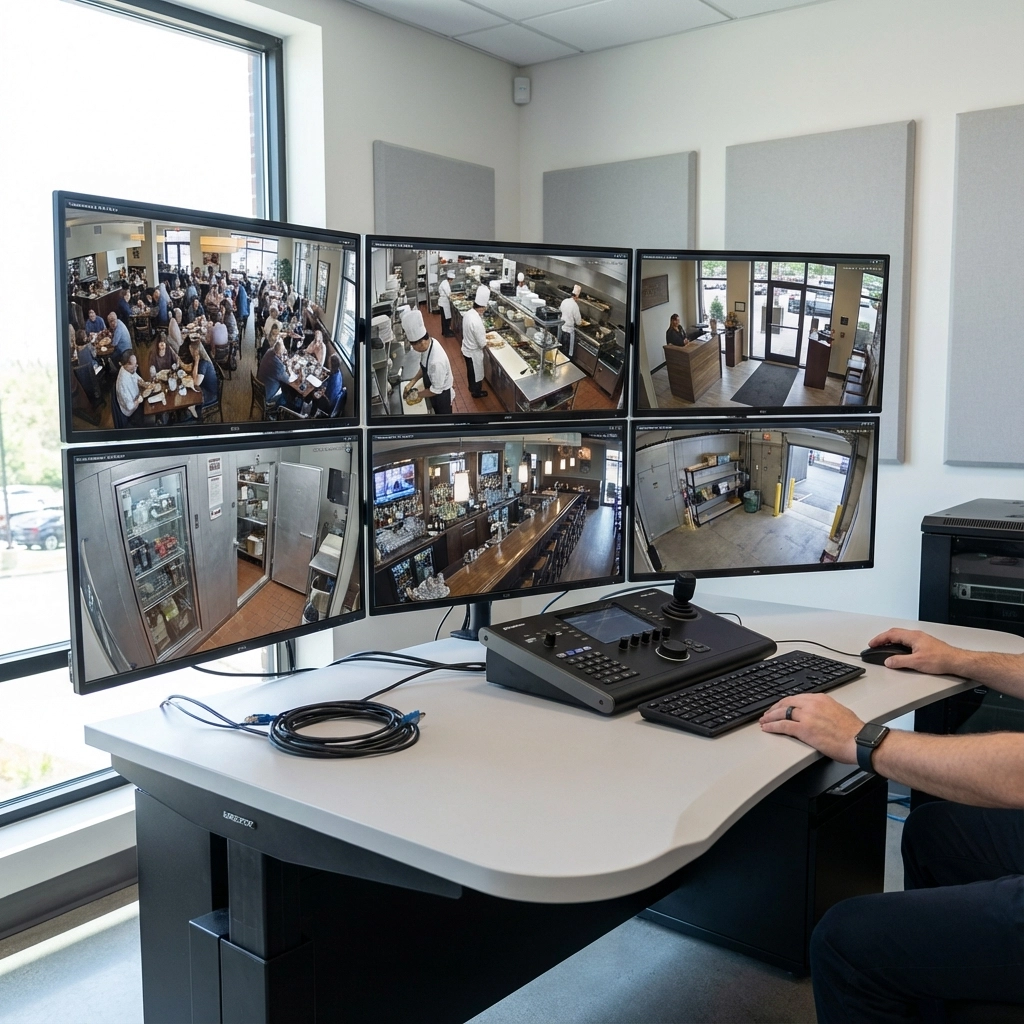
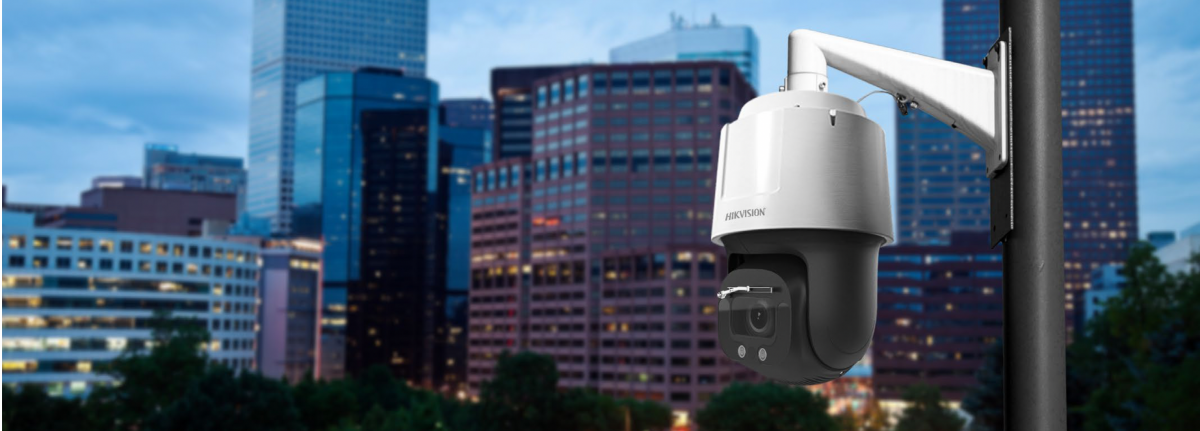
Modern restaurant security systems offer capabilities that extend far beyond basic surveillance. Understanding these technologies helps you make informed decisions about system features and capabilities.
High-Definition vs. Standard Resolution
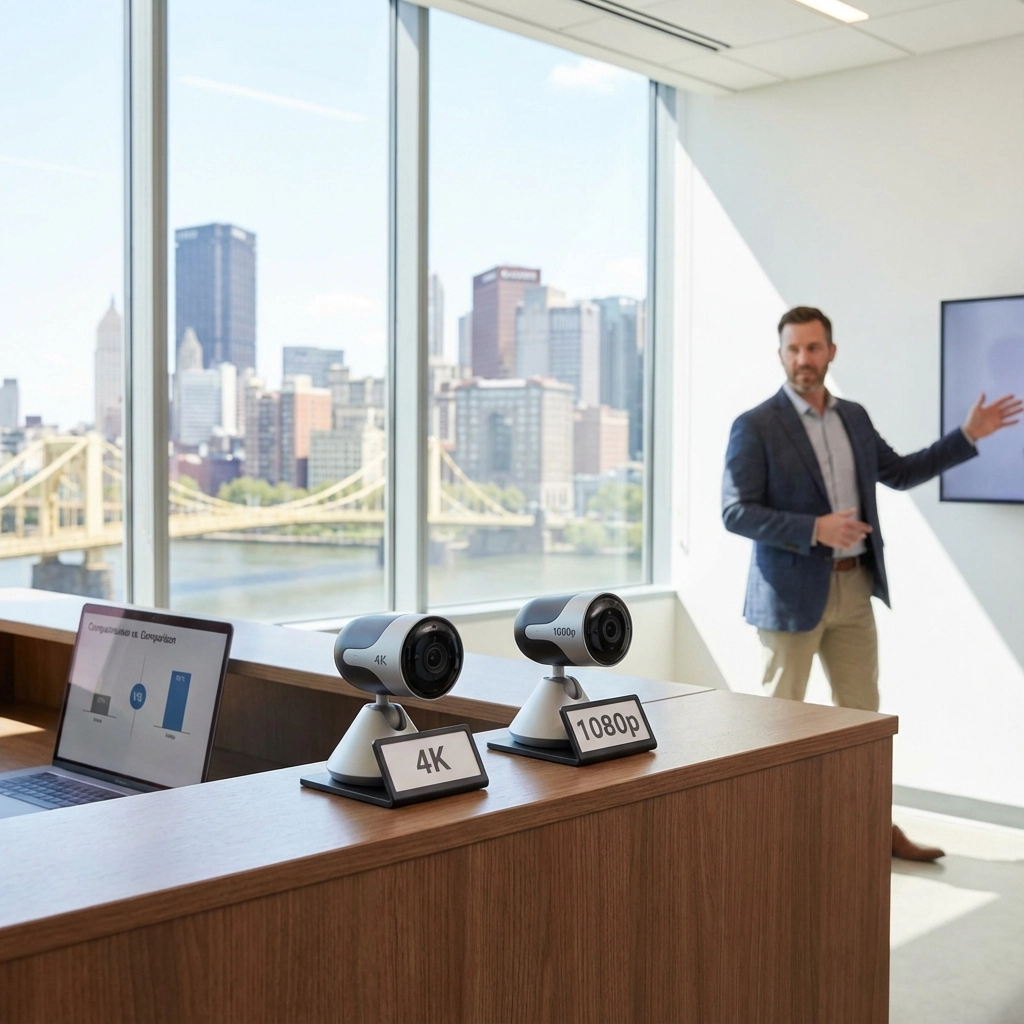
While standard definition cameras are less expensive, high-definition systems provide significantly better detail for identifying individuals and documenting incidents. In restaurant environments with varying lighting conditions: from dimly lit bar areas to bright kitchen spaces: HD cameras perform much better.
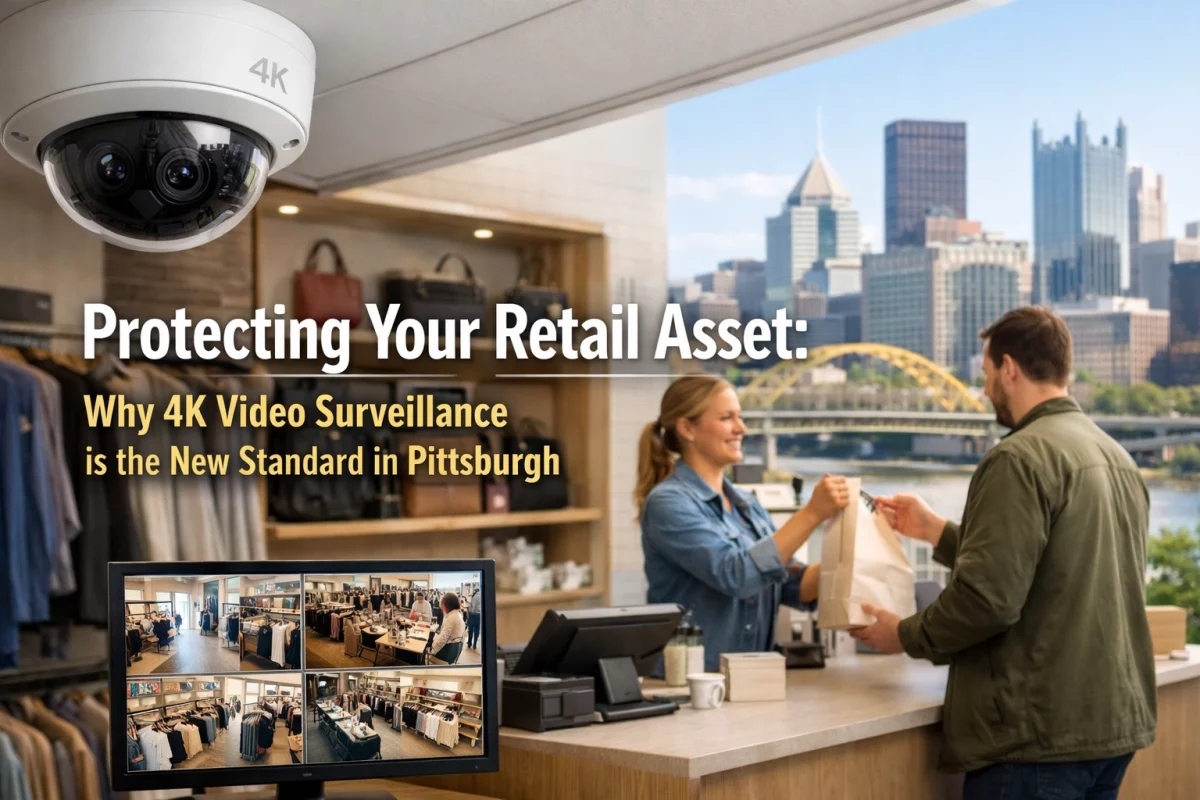
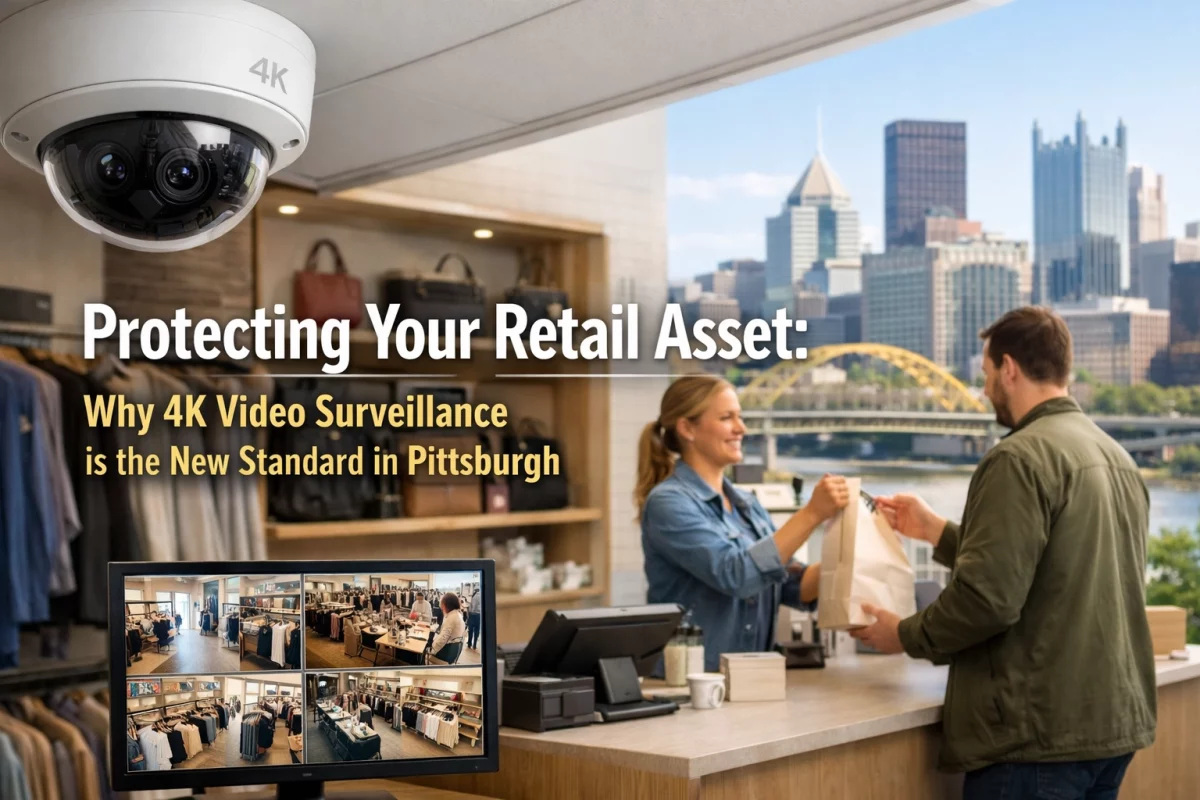
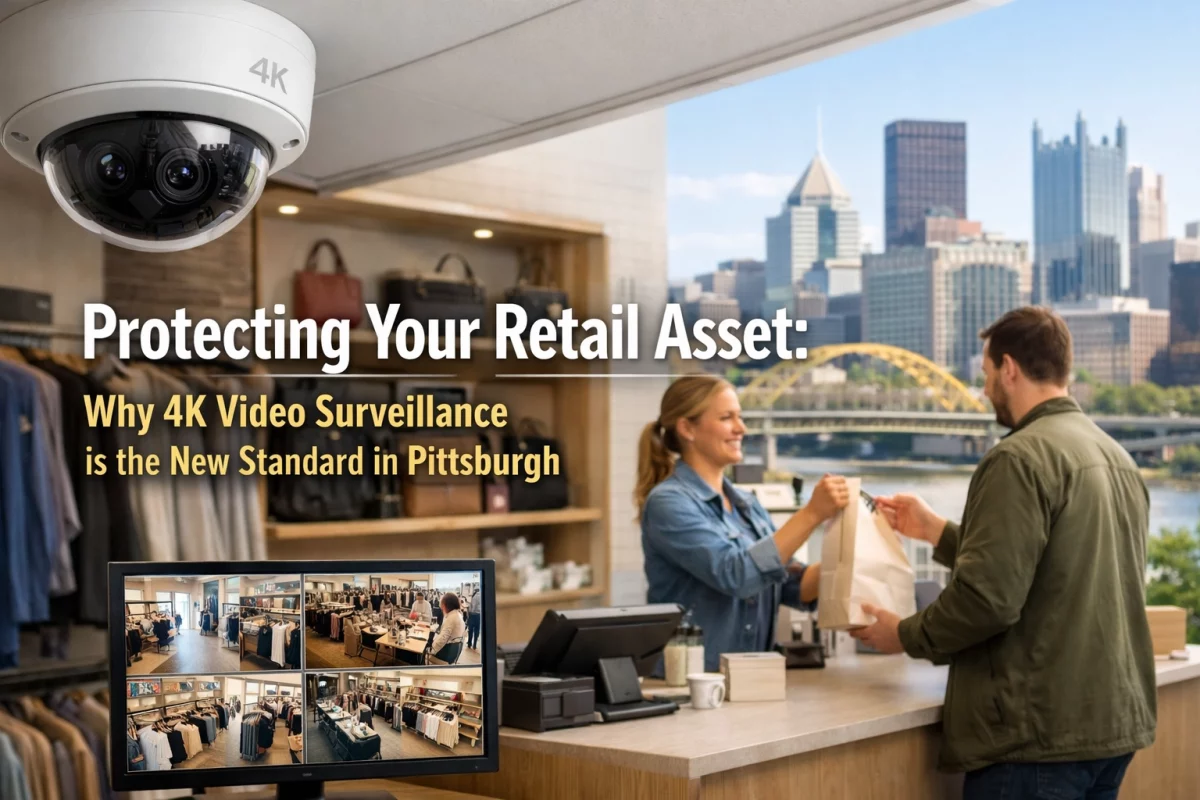
Consider 4K resolution cameras for critical areas like cash registers and main entrances where you need to clearly identify faces and read details like license plates in your parking area.
Night Vision and Low-Light Performance
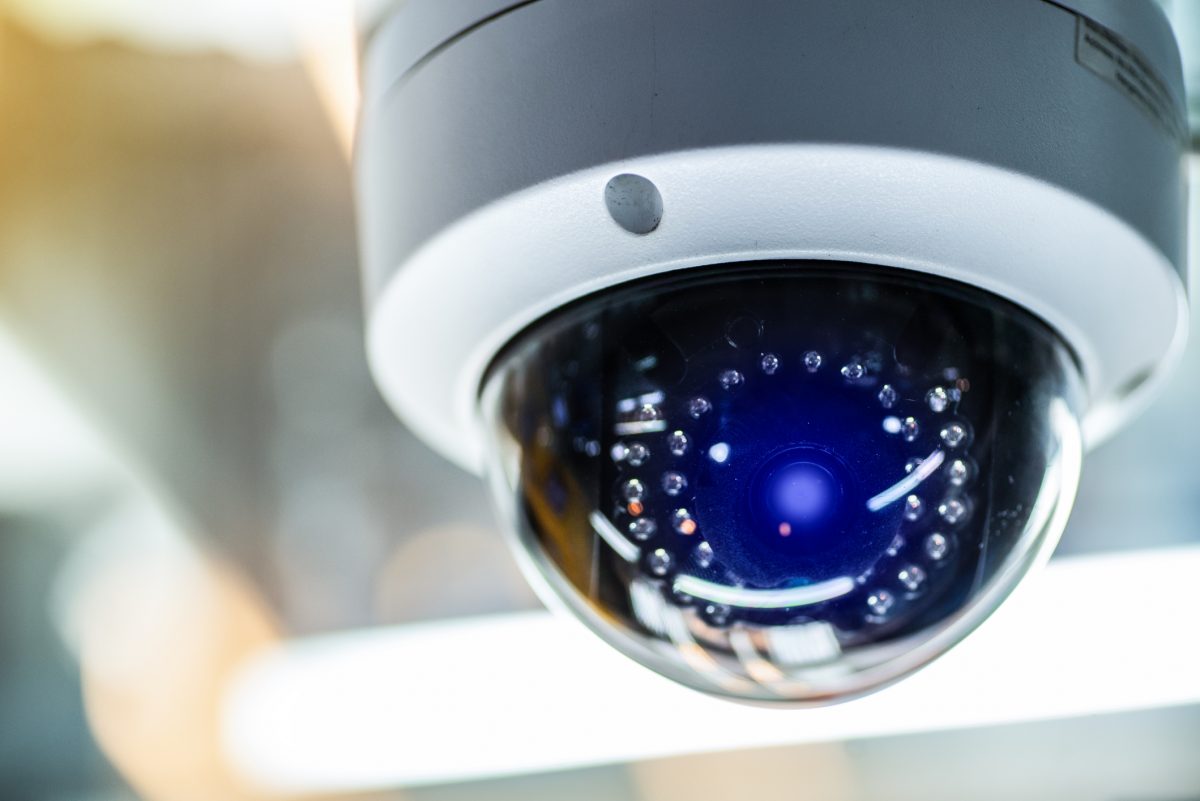
Restaurant operations often extend into evening hours when natural lighting is limited. Advanced cameras with infrared capabilities ensure clear footage regardless of lighting conditions. This is particularly important for bar areas, late-night operations, and exterior coverage of parking areas and delivery zones.
Cloud Storage vs. Local Storage
Cloud-based storage offers advantages for multi-location restaurant owners or managers who need remote access to footage. However, remember the encryption requirements taking effect in 2026. Local storage systems give you complete control over your data but require regular backup procedures and physical security measures.
Many restaurant owners choose hybrid systems that store recent footage locally while archiving older recordings to encrypted cloud storage.
Beyond basic security, modern camera systems provide operational insights that can significantly impact your restaurant’s profitability and efficiency.
Staff Performance and Training
Video footage helps identify training opportunities and recognize exceptional service. When customers compliment specific staff members, you can review footage to understand what made the interaction successful and incorporate those practices into staff training programs.
Footage also helps resolve disputes between staff members or between employees and management by providing objective documentation of incidents.
Inventory Protection and Loss Prevention
Restaurant inventory theft: whether by customers, staff, or vendors: can significantly impact profitability. Strategic camera placement helps deter theft and provides evidence when incidents occur. Cameras monitoring storage areas, walk-in coolers, and delivery areas are particularly valuable for inventory protection.
Insurance and Liability Protection
Comprehensive video documentation protects your restaurant from false liability claims. Slip-and-fall incidents, customer disputes, and other potential legal issues can be resolved quickly with clear video evidence. Many insurance providers offer reduced premiums for restaurants with comprehensive security camera systems.

While some restaurant owners consider DIY security camera installation, professional installation ensures compliance with legal requirements and optimal system performance. TN Security Pittsburgh specializes in commercial security systems and understands the unique requirements of restaurant environments.
Professional installation addresses critical considerations like proper camera positioning to avoid privacy violations, integration with existing restaurant management systems, and ensuring adequate coverage during peak service periods. Our team at TN Security Pittsburgh has extensive experience with restaurant security systems throughout the Pittsburgh area.
We handle everything from initial site assessment and system design to installation, staff training, and ongoing maintenance. Located at 3287 Library Road in Pittsburgh, we’re familiar with local regulations and can ensure your system meets all legal requirements while maximizing security benefits.
Restaurant security camera systems represent a significant investment, but the return on investment often justifies the expense through theft prevention, insurance savings, and operational improvements.
Basic systems for smaller restaurants might start around $2,000-3,000, while comprehensive systems for larger establishments can range from $5,000-15,000 depending on the number of cameras, storage requirements, and advanced features like facial recognition or integration with point-of-sale systems.
Consider the costs of inventory shrinkage, false liability claims, and insurance premiums when evaluating system costs. Many restaurant owners find that their security camera systems pay for themselves within the first year through loss prevention alone.
Financing and Implementation Options
TN Security Pittsburgh offers flexible financing options that allow restaurant owners to implement comprehensive security systems without significant upfront capital investment. Monthly payment plans make it easier to budget for security improvements while immediately benefiting from theft deterrence and operational insights.
Every restaurant has unique security requirements based on location, size, operating hours, and clientele. The key is working with experienced security professionals who understand both the technical aspects of modern camera systems and the specific challenges of restaurant operations.
When you’re ready to enhance your restaurant’s security, contact TN Security Pittsburgh at 412-967-0467 or email sales@teamnutztechnology.com. We’ll conduct a comprehensive site assessment, explain all legal requirements, and design a system that protects your investment while supporting your operational goals.
Your restaurant represents years of hard work and significant financial investment. A well-designed security camera system protects that investment while providing valuable insights that can improve operations and profitability for years to come.