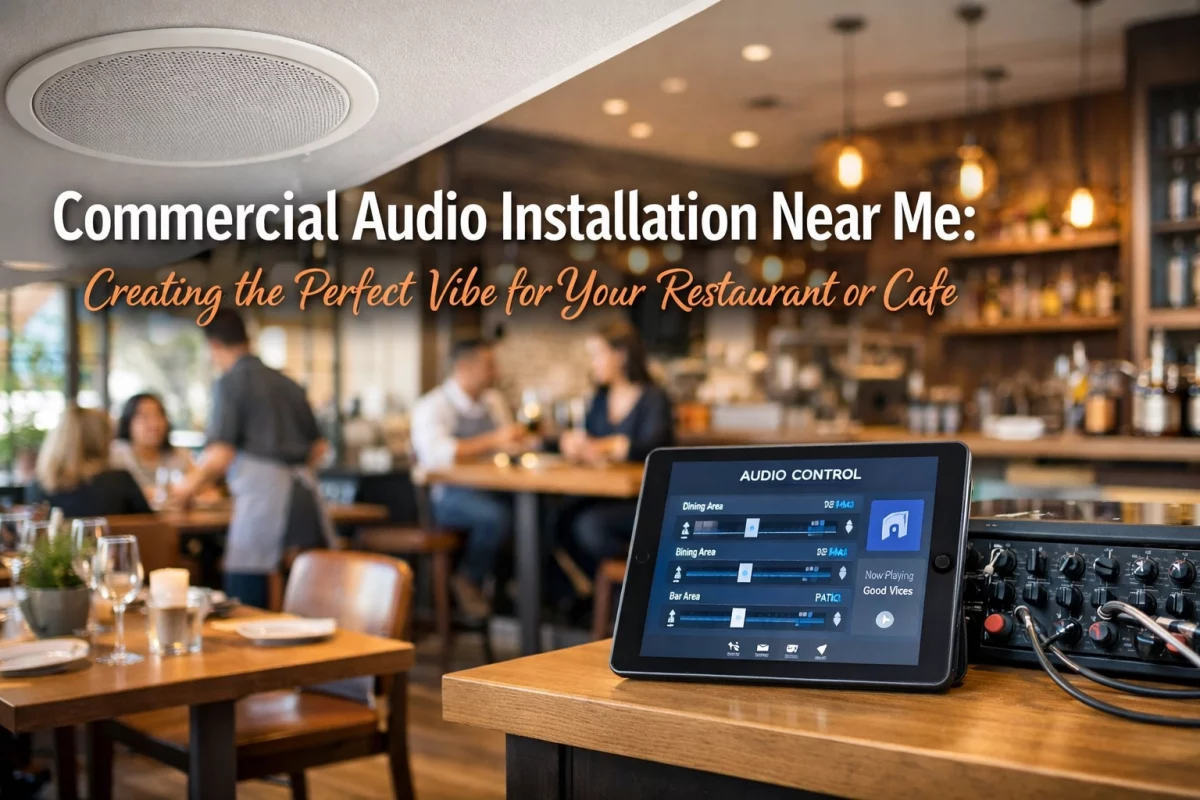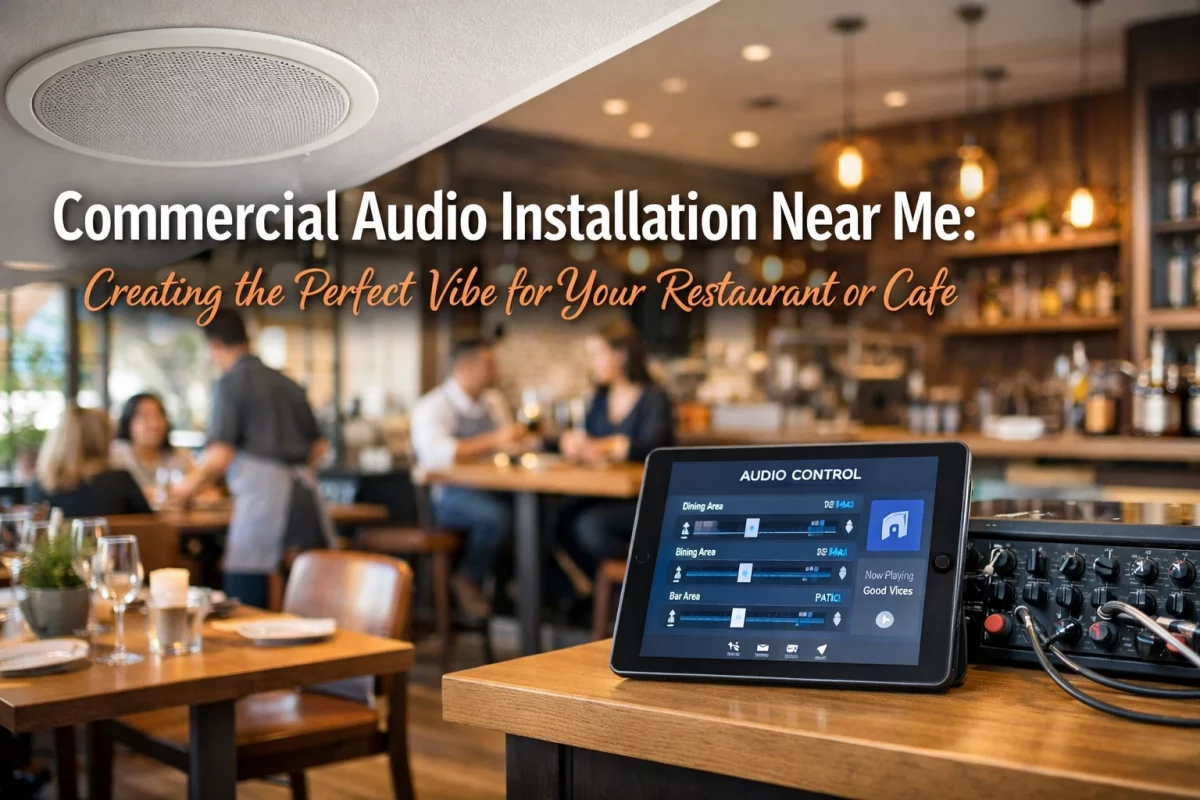
The implementation of professional-grade audio infrastructure in restaurant and cafe environments requires comprehensive technical planning. Commercial audio installation near me searches indicate growing demand for professionally installed systems that address acoustic challenges specific to food service operations.
Sound system deployment directly impacts customer retention metrics. Customer dwell time increases by measurable percentages when audio environments are properly engineered. Revenue per table correlates with optimized acoustic conditions.
Commercial audio installation near me providers must conduct thorough facility analysis prior to system design. The following evaluation categories are mandatory:

Physical space characteristics determine equipment selection and placement specifications. Hard surfaces including tile, concrete, and glass create sound reflection patterns requiring acoustic treatment solutions. Booth configurations versus open table arrangements necessitate different speaker distribution strategies.
Common acoustic problems in commercial dining establishments include:
Acoustic panel installation addresses excess noise absorption requirements while maintaining aesthetic compliance with interior design specifications.
Commercial audio installation near me systems must incorporate independent zone control capabilities. Facility segmentation typically includes:
| ZONE DESIGNATION | AUDIO REQUIREMENTS | CONTROL PARAMETERS |
|---|---|---|
| Primary Dining Area | Background ambiance 60-70 dB | Independent volume control |
| Bar/Lounge Section | Dynamic range capability | Separate source selection |
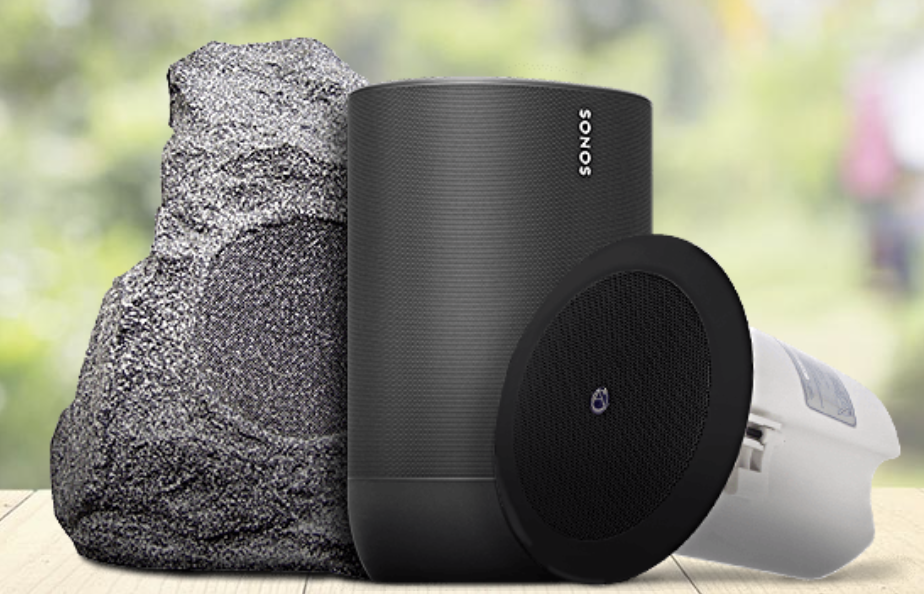
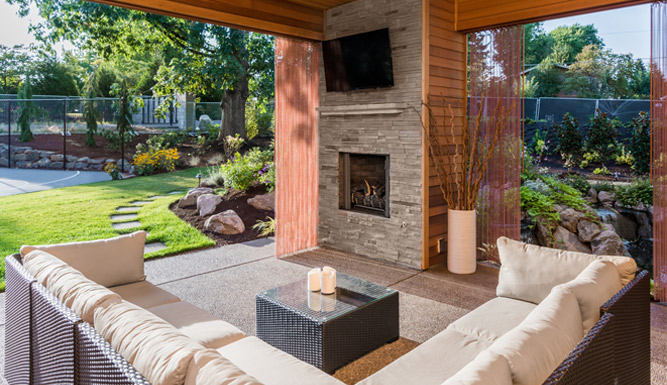
| Outdoor Patio Space | Weather-resistant speakers | Remote zone management |
| Waiting/Entry Area | Low-level background audio | Automated scheduling |
| Private Dining Rooms | Full range capability | Isolated control access |
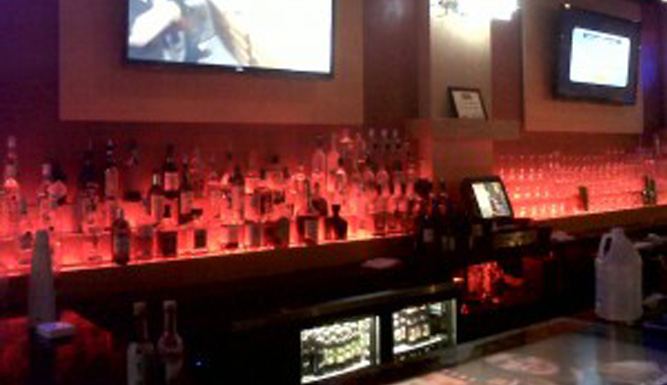
Multi-zone architecture enables operational flexibility throughout business hours. Morning service periods require subdued audio levels. Evening operations demand enhanced dynamic range and increased sound pressure levels.

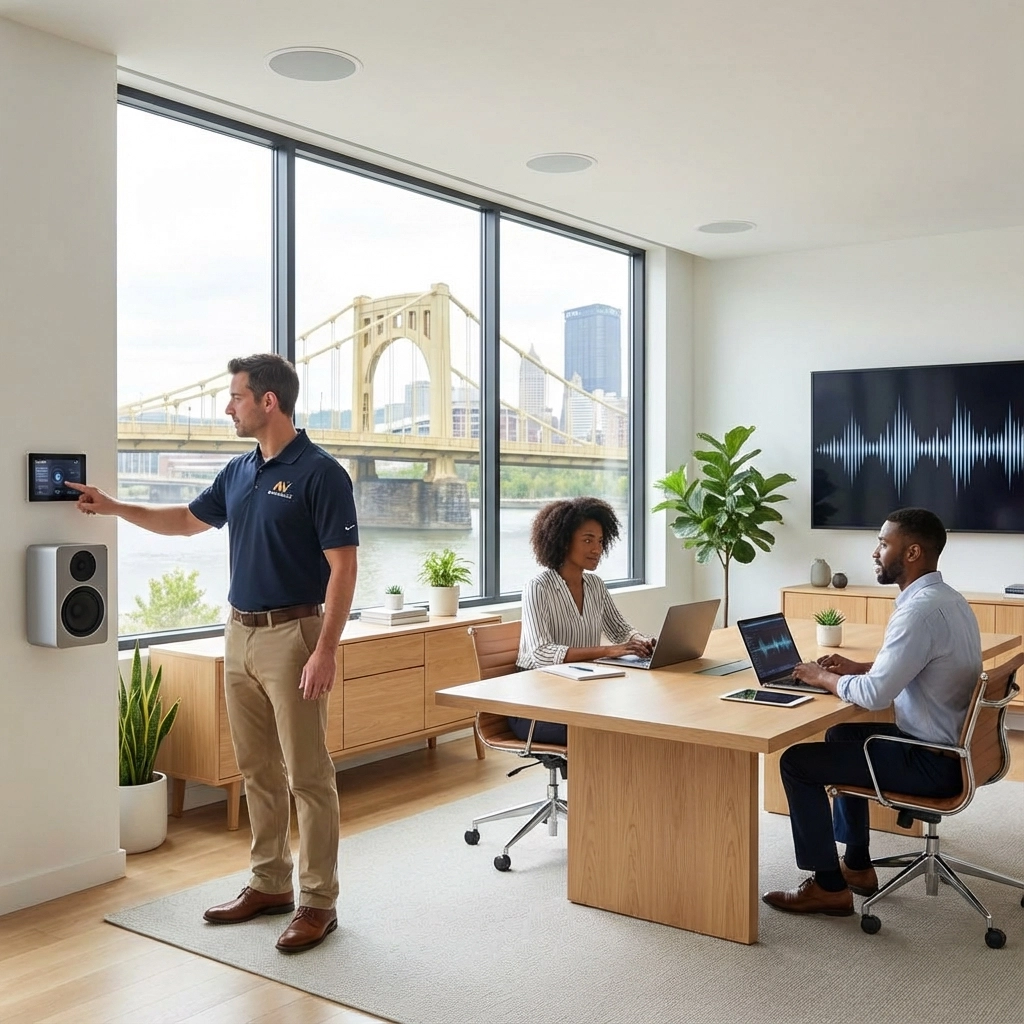
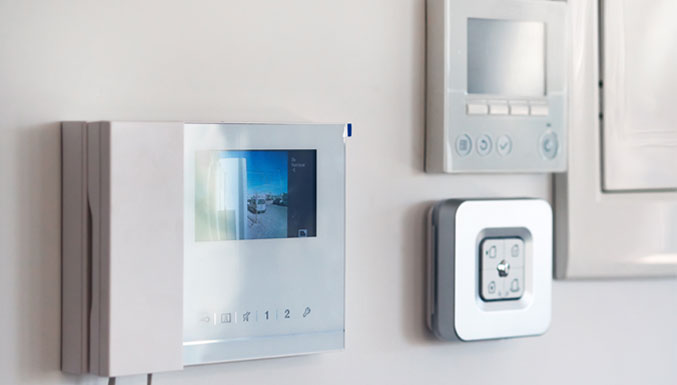
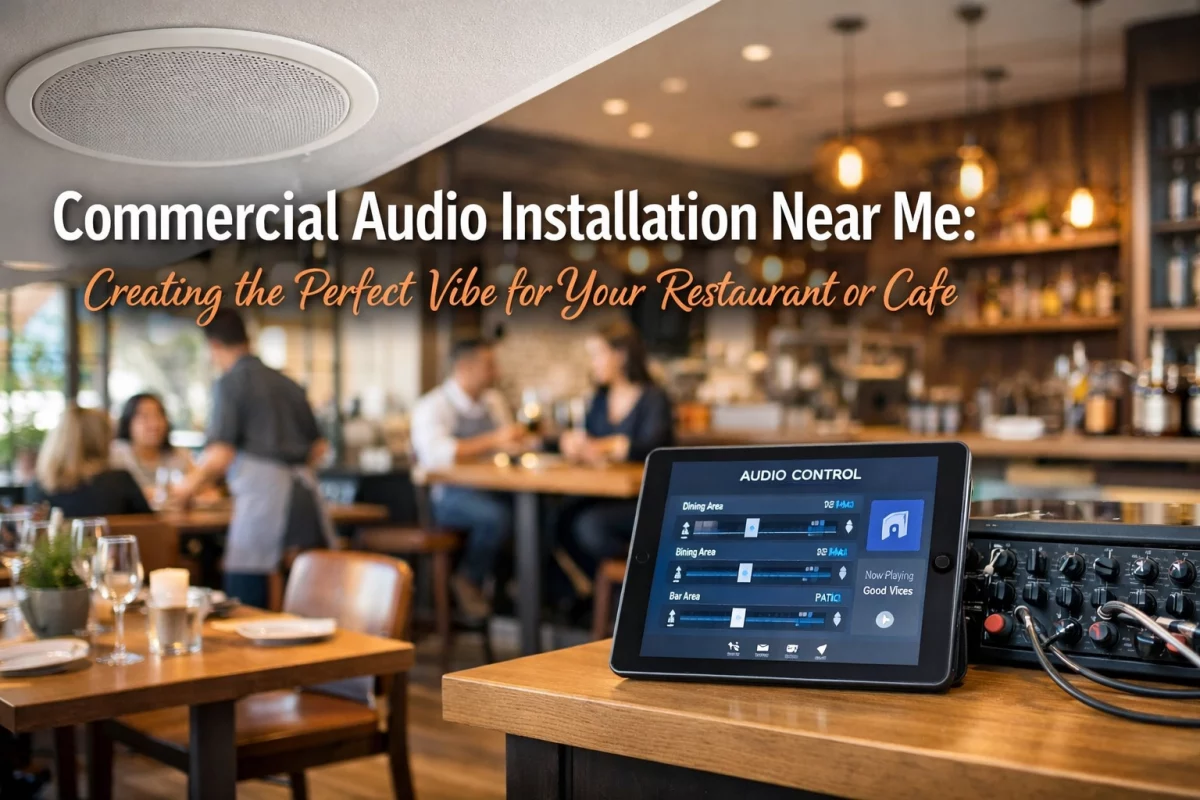
Control interfaces must provide staff-accessible volume adjustment, source selection, and zone activation without requiring technical expertise. Touch panel systems integrate with building management platforms for centralized control.
Speaker deployment follows space-specific requirements:
CEILING-MOUNTED SYSTEMS
Recessed installation provides unobtrusive appearance. Recommended for general dining areas with standard ceiling heights. Requires attic or plenum access for proper installation.
PENDANT SPEAKER DEPLOYMENT
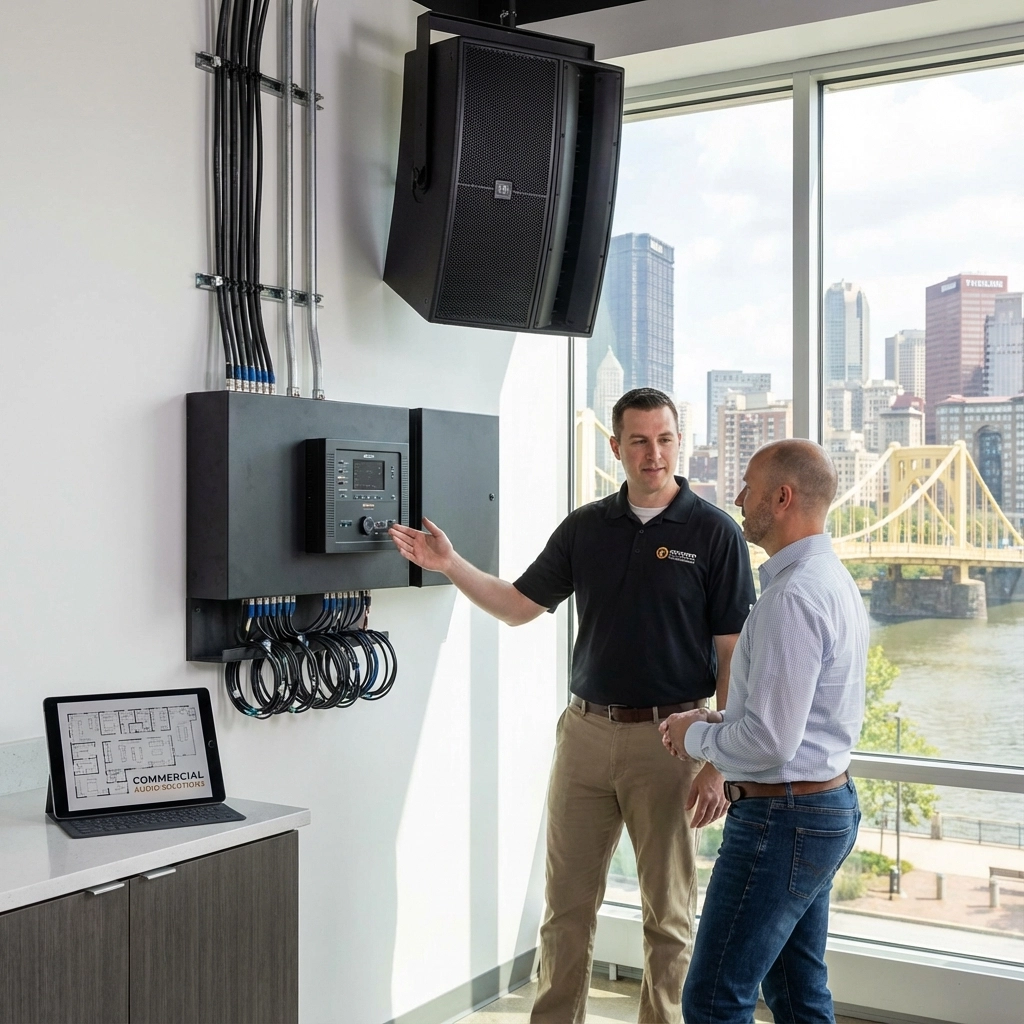
Suspended units address high-ceiling applications. Provides focused audio delivery in specific zones. Cable management requires professional installation protocols.
WALL-MOUNT CONFIGURATIONS
Surface-mounted units suitable for perimeter reinforcement. Addresses coverage gaps in irregular floor plans. Mounting hardware must meet commercial building codes.
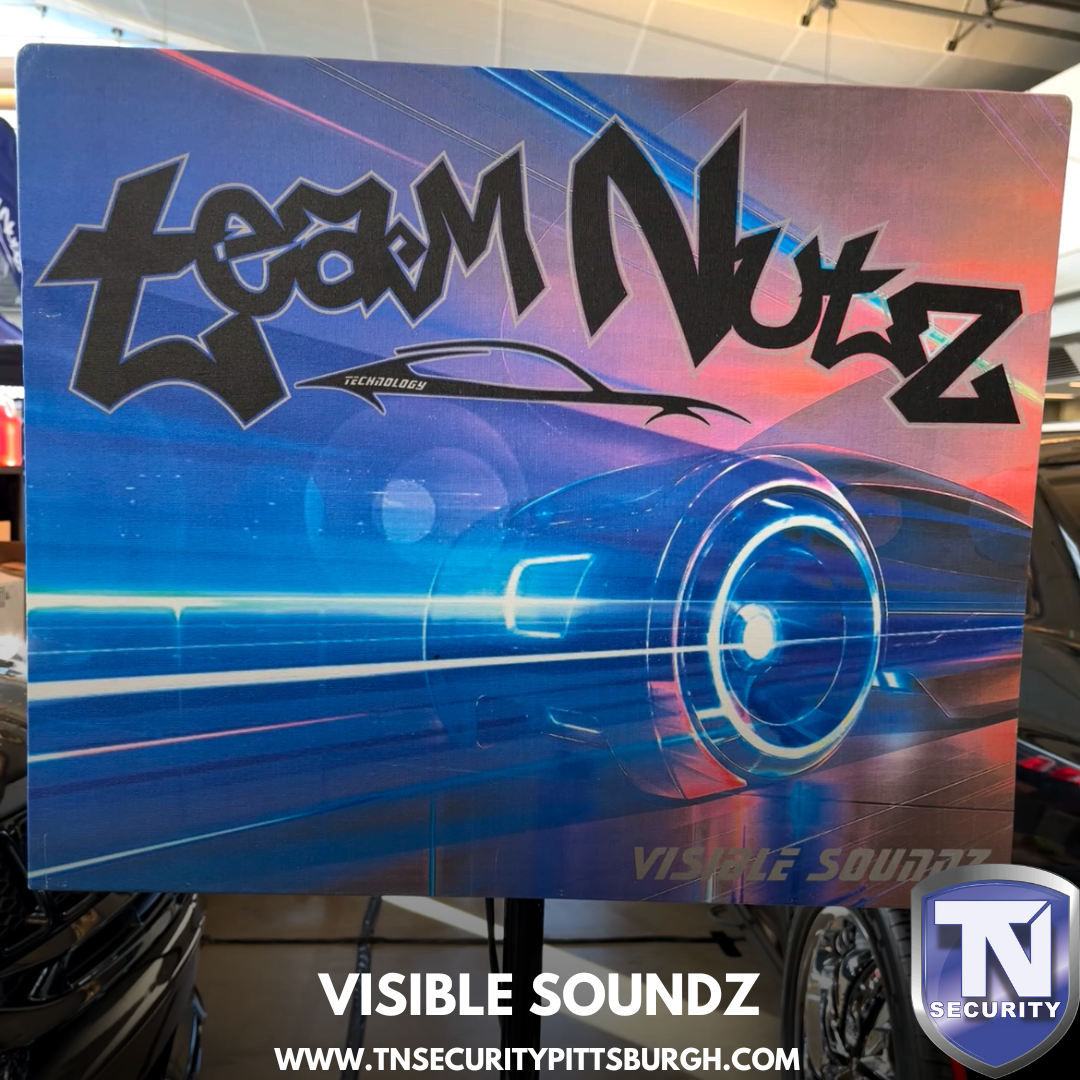
VISIBLE SOUNDZ PRINTED CANVAS SPEAKERS
Decorative speaker technology integrating audio functionality with visual art presentation. Custom imagery printed on acoustically transparent canvas conceals speaker components. Maintains design aesthetics while delivering commercial-grade audio performance. Suitable for establishments prioritizing interior design continuity.
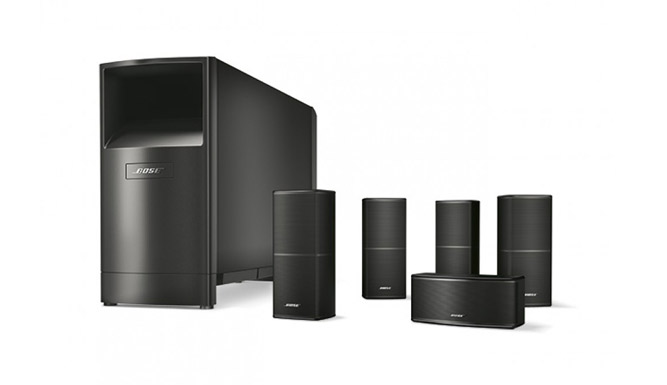
Speaker specifications must meet commercial duty cycle requirements. Residential-grade equipment fails under continuous operation conditions common in food service environments.
Commercial audio installation near me systems require integration with licensed streaming services:

Source selection must accommodate multiple simultaneous inputs. Bar area may require sports broadcast audio while dining zones maintain music programming.
Wireless streaming protocols eliminate hardwired connection requirements. Network infrastructure must support bandwidth demands for high-quality audio streaming across multiple zones.
MANDATORY LICENSE ACQUISITION
Commercial establishments playing recorded music require public performance licenses. Failure to obtain proper licensing creates liability exposure:
License fees calculate based on establishment square footage and seating capacity. Annual licensing costs range from $300 to $2,000+ depending on venue specifications.
Operating without appropriate licensing results in statutory damages ranging from $750 to $30,000 per violation. Willful infringement penalties increase to $150,000 per violation.
Streaming service business accounts typically include licensing coverage. Verification of license inclusion in service agreements is required.
Staff control capabilities must include:
Touch panel interfaces mount at strategic locations including host stations, bar areas, and manager offices. Mobile device control applications provide remote system management capabilities.
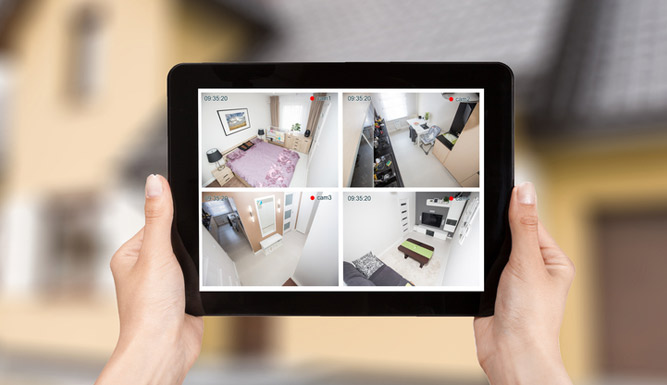
Integration with existing building automation systems enables synchronized operation with lighting, HVAC, and security platforms.

Commercial audio installation near me provider evaluation requires verification of:
Installation methodology must comply with:
Wire routing follows commercial building standards. Plenum-rated cable required in air-handling spaces. Conduit installation protects exposed cable runs. Wall penetrations require fire-stop compliance.
Proper commissioning includes:
Sound pressure level measurements verify coverage uniformity. Target levels typically range 68-72 dB in dining areas, 75-80 dB in bar environments.

TN Security provides comprehensive commercial audio installation services for Pittsburgh-area restaurants and cafes. System design addresses venue-specific acoustic challenges and operational requirements.
CONTACT INFORMATION:
TN Security Pittsburgh
3287 Library Road
Pittsburgh, PA 15234
Phone: 412-967-0467
Email: sales@teamnutztechnology.com
Free consultation services include facility assessment, system design proposal, and budget development. Installation scheduling accommodates business operational hours minimizing service disruption.
Commercial audio installation near me solutions from TN Security incorporate multi-zone architecture, streaming platform integration, and staff control interfaces. Post-installation support ensures continued system performance.
Professional audio system deployment transforms dining environments through optimized acoustic conditions. Customer experience improvements directly correlate with properly engineered sound system implementation.
System specifications must address current operational requirements and future expansion capabilities. Modular architecture enables incremental upgrades as business needs evolve.
Contact TN Security at 412-967-0467 for commercial audio installation consultation and system design services.