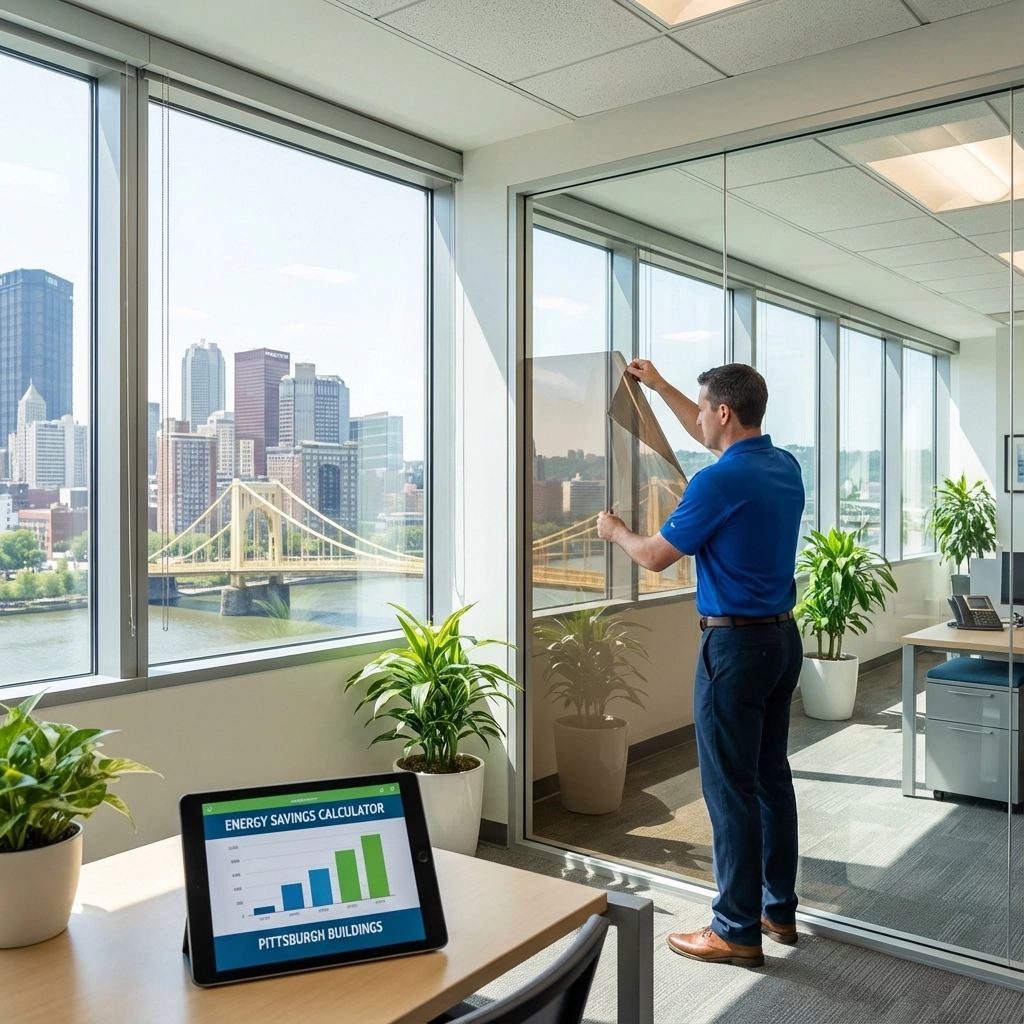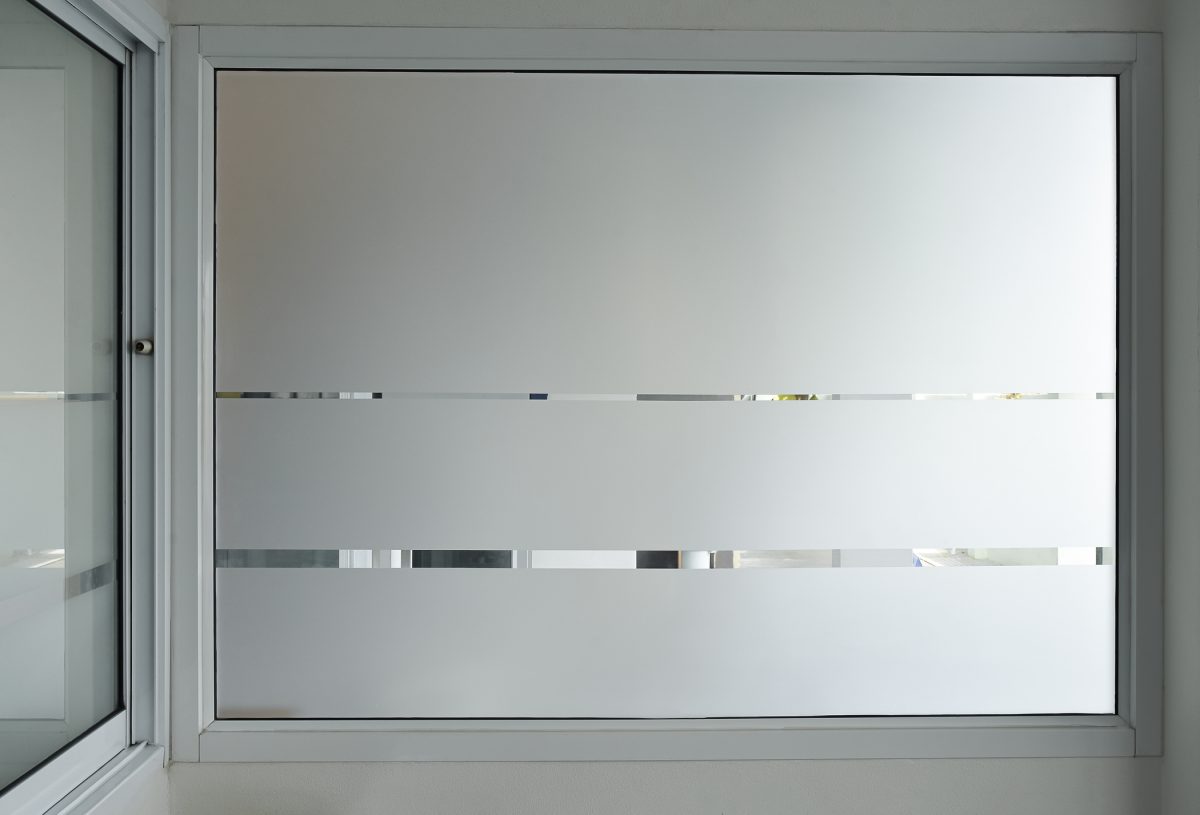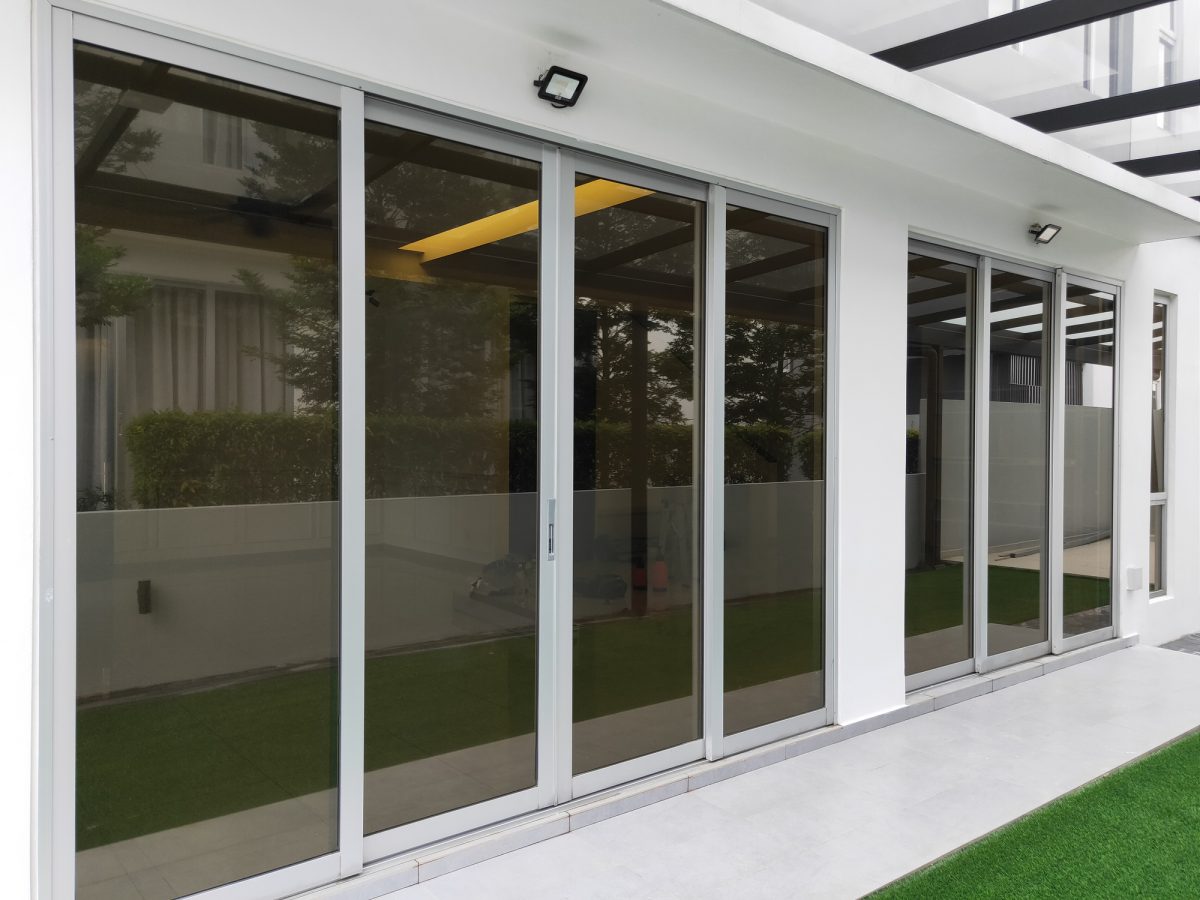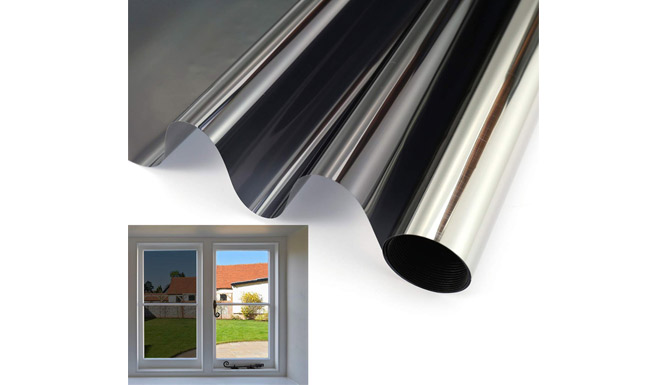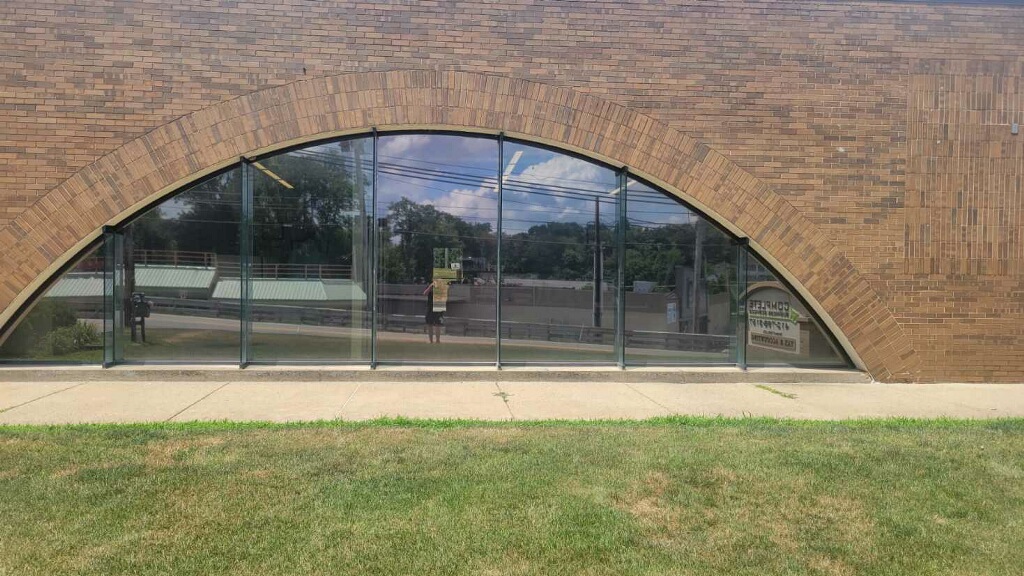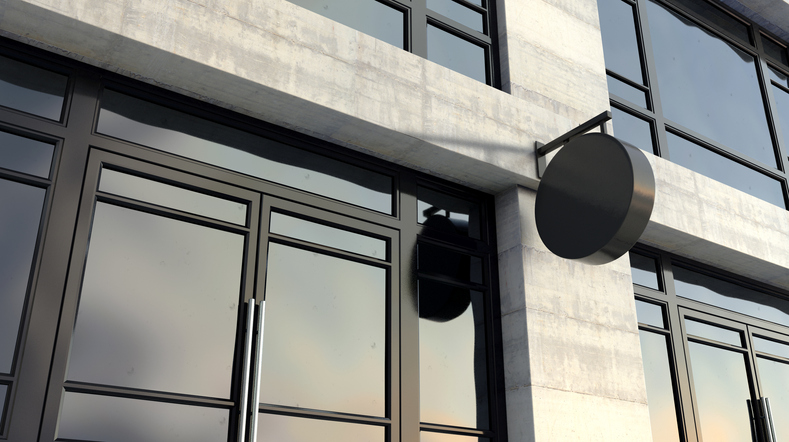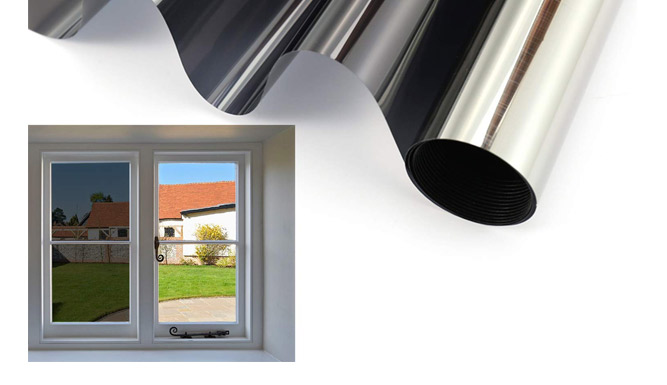

Window film installation on double pane windows represents a proven methodology for reducing operational energy costs in commercial facilities throughout Pittsburgh and Western Pennsylvania. This technical guide addresses critical considerations regarding thermal performance, safety protocols, and return on investment calculations for commercial property managers and facility directors.
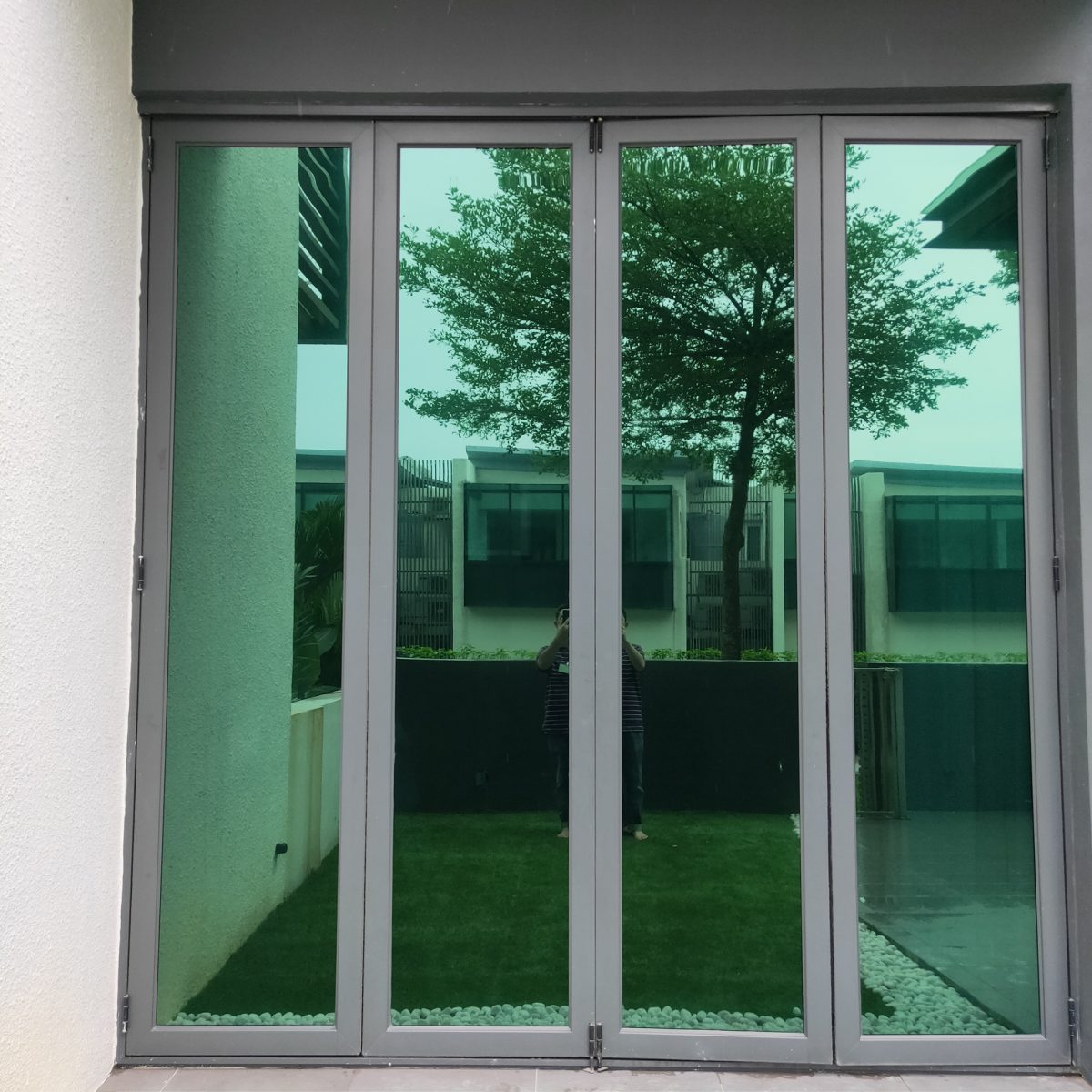
Window film on double pane windows delivers measurable reductions in Solar Heat Gain Coefficient (SHGC) values. Standard double-pane window assemblies typically register SHGC values of 0.63. Upon application of high-performance solar control films, SHGC values decrease to 0.45: a 28.6% reduction in solar heat transfer.
PERFORMANCE SPECIFICATIONS:
For commercial facilities operating HVAC systems during Pittsburgh’s summer months (June through September), reduced solar heat gain translates directly to decreased cooling load requirements. Facilities with south- and west-facing window assemblies experience the most significant energy cost reductions.

Double-pane window systems contain an insulating barrier consisting of air or inert gas (argon or krypton) between two glass panes. This configuration provides baseline thermal resistance (R-value) superior to single-pane assemblies.
Window film installation adds an additional protective layer that reflects and absorbs solar radiation before heat transfer occurs through the glass substrate. The film intercepts incoming solar energy at the exterior glass surface, preventing thermal gain in the interior space.
PHYSICAL PROPERTIES OF APPLIED FILMS:
The primary technical concern when installing window film on double pane windows involves thermal stress caused by differential glass heating. Window films function by absorbing solar radiation, which elevates the temperature of the glass pane to which the film is applied.
THERMAL STRESS RISK FACTORS:
Industry standards recommend films with absorption rates of 50% or less for application to double-pane window assemblies. This specification prevents excessive heat buildup that could compromise the insulating gas seal or cause glass fracture.

Film selection determines installation safety and long-term performance outcomes. Non-metallic film technologies provide optimal compatibility with double-pane window systems.
RECOMMENDED FILM TYPES:
FILMS NOT RECOMMENDED:
For commercial facilities with existing Low-E coated double-pane windows, film compatibility verification is required. Certain film technologies enhance Low-E performance, while others may create compatibility issues.
Window film on double pane windows provides operational benefits across multiple commercial facility categories throughout the Pittsburgh region.
OFFICE BUILDINGS AND CORPORATE FACILITIES:
RETAIL SPACES AND SHOWROOMS:
HEALTHCARE AND MEDICAL FACILITIES:
EDUCATIONAL INSTITUTIONS:

Security-grade window films provide both energy performance and physical protection characteristics. These specialized films range from 4 mil to 15 mil thickness and offer resistance to forced entry, wind-borne debris, and blast pressure.
SECURITY FILM SPECIFICATIONS FOR COMMERCIAL PROPERTIES:
Commercial facilities in Downtown Pittsburgh, Oakland, and Strip District locations utilize security films for ground-floor window protection while maintaining energy efficiency objectives.
Window film installation on double pane windows requires specialized equipment and technical expertise. Improper installation compromises film performance and may void manufacturer warranties.
PROFESSIONAL INSTALLATION PROCESS:
TN Security maintains certified installation technicians trained in commercial window film applications throughout Pittsburgh and Western Pennsylvania. Our installation protocols ensure warranty compliance and optimal long-term performance.

Commercial facilities evaluating window film on double pane windows require quantified ROI data for capital expenditure justification.
ENERGY COST REDUCTION FACTORS:
For a 10,000 square foot commercial office building with 2,000 square feet of south-facing double-pane windows, annual cooling cost reductions of $1,200 to $2,400 are achievable with high-performance solar control films.
Industry guidelines establish maximum window size parameters for film applications to double-pane assemblies.
APPROVED INSTALLATION PARAMETERS:
Windows exceeding 40 square feet require specialized film specifications with lower absorption rates or alternative solar control solutions.
Window film on double pane windows requires minimal maintenance while providing service life exceeding 15 years for commercial-grade products.
MAINTENANCE PROTOCOLS:
Manufacturer warranties typically provide 10 to 15 year coverage for film delamination, bubbling, or discoloration when professionally installed and properly maintained.

Commercial window film installations must comply with International Building Code (IBC) requirements and local Pittsburgh ordinances regarding glazing modifications.
REGULATORY COMPLIANCE FACTORS:
TN Security provides compliance documentation and permit coordination services for commercial installations requiring building department approval.
Commercial property managers and facility directors in Pittsburgh seeking window film solutions for double-pane window assemblies should schedule professional thermal analysis and film specification consultations.
CONTACT INFORMATION:
TN Security Pittsburgh
3287 Library Road
Pittsburgh, PA 15234
Phone: 412-967-0467
Email: sales@teamnutztechnology.com
Our technical team provides on-site assessments, thermal stress analysis, energy savings calculations, and professional window film installation services for commercial facilities throughout Western Pennsylvania.
Before Pittsburgh summer temperatures arrive, commercial property managers have the opportunity to implement energy-saving window film solutions that reduce operational costs while maintaining the integrity and safety of existing double-pane window systems.