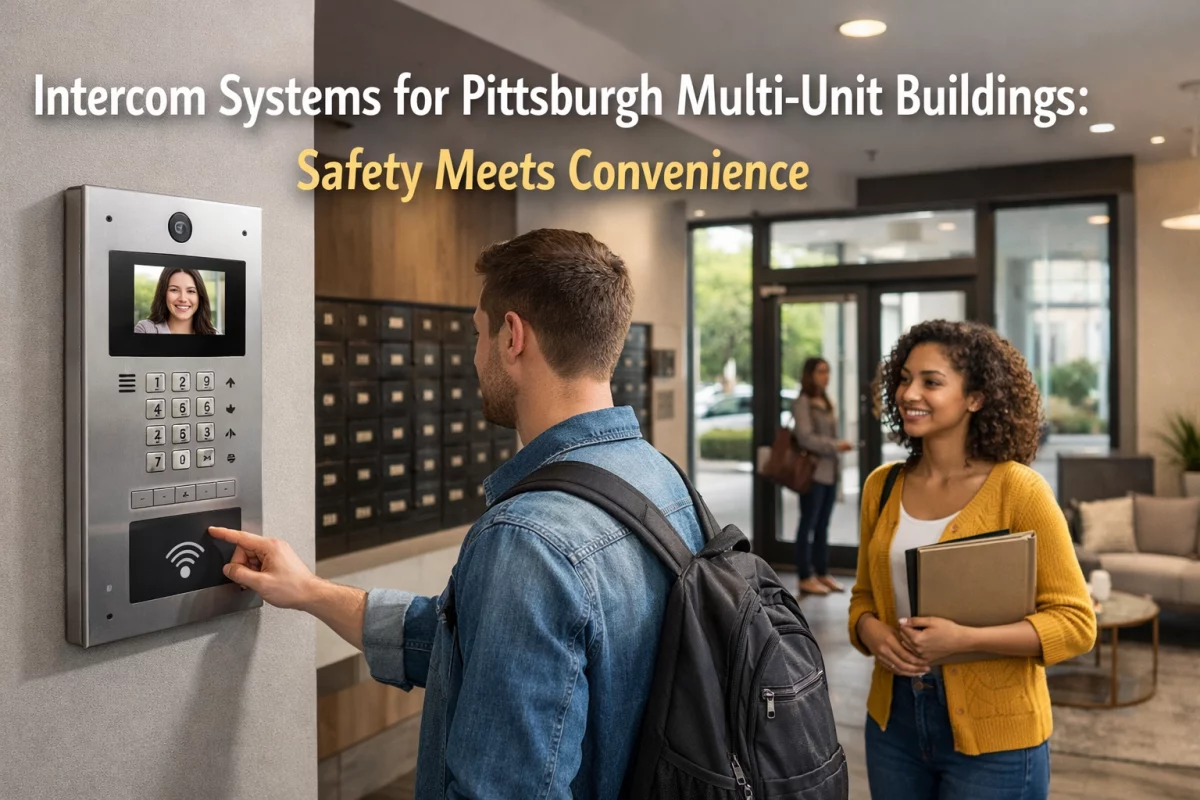
Intercom Systems for Pittsburgh Multi-Unit Buildings: Safety Meets Convenience
SYSTEM OVERVIEW: INTEGRATED ACCESS CONTROL SOLUTIONS
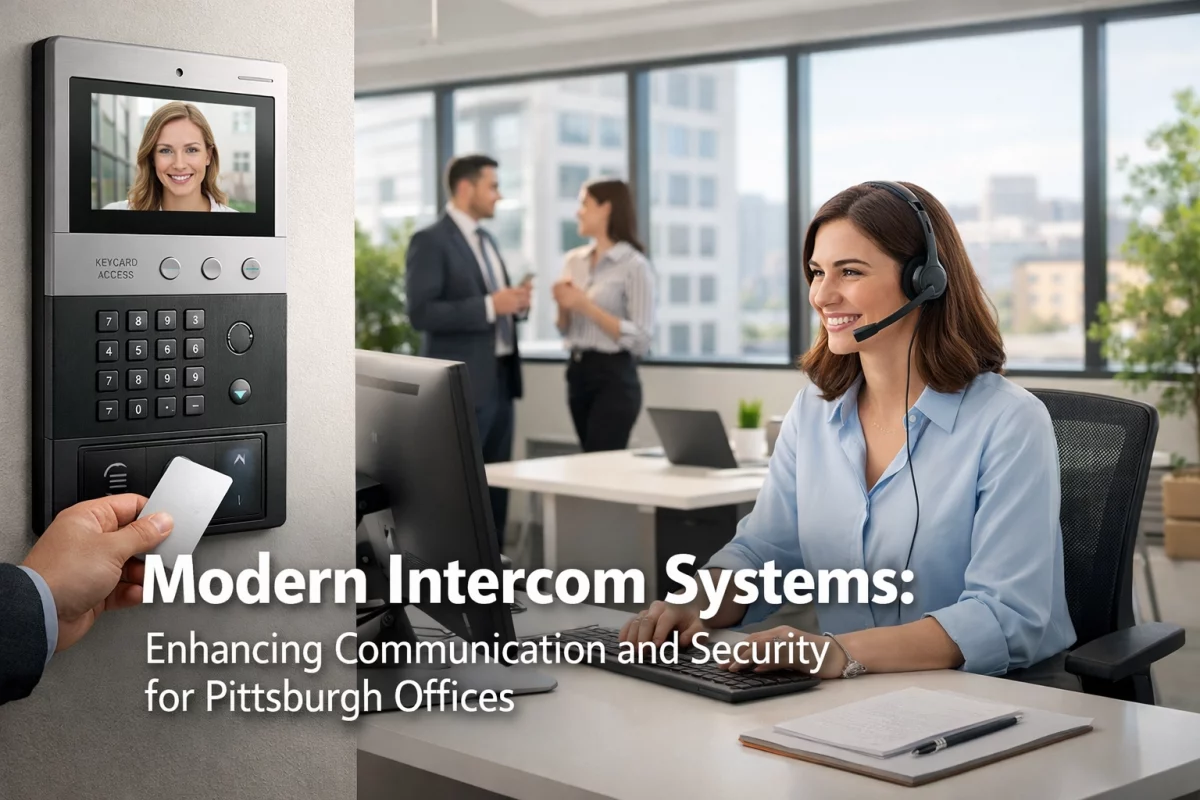
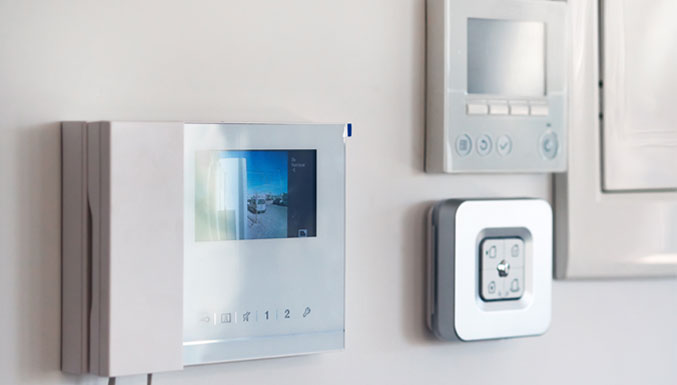
Modern intercom systems for multi-unit commercial buildings provide COMPREHENSIVE SECURITY INFRASTRUCTURE through integrated access control and real-time communication protocols. These systems combine video verification, mobile device connectivity, and centralized management platforms to address security requirements for office buildings, mixed-use properties, and commercial facilities throughout Pittsburgh, Pennsylvania.
PRIMARY SECURITY FUNCTIONS
Video Verification Protocols
Real-time visual identification of visitors prior to access authorization
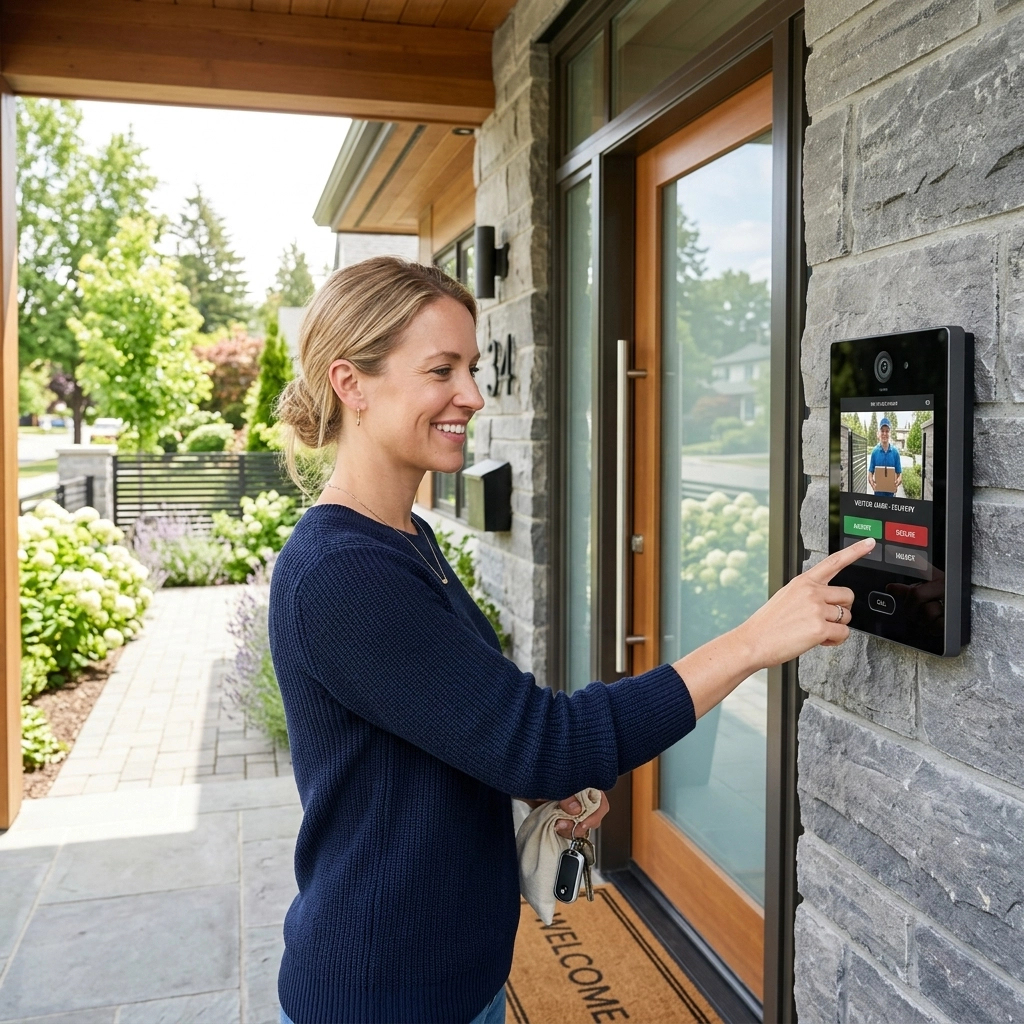
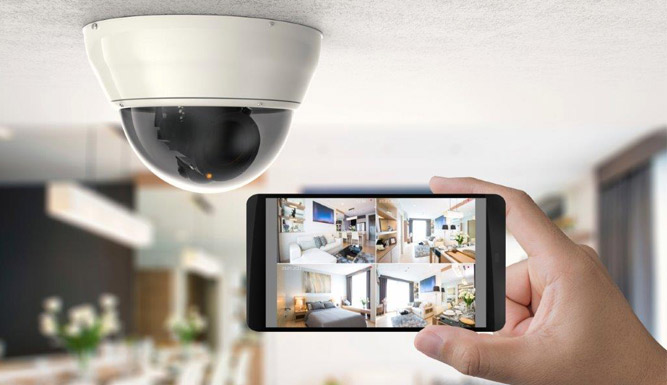
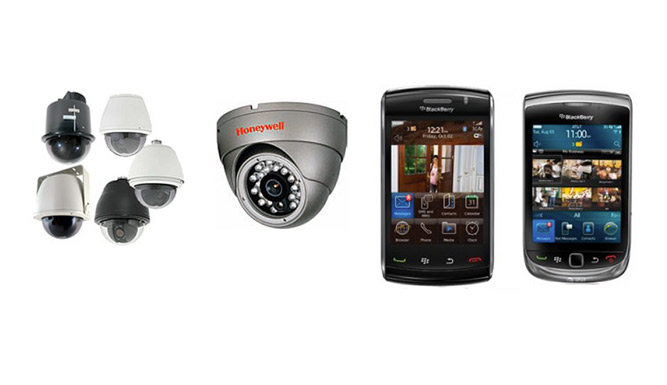
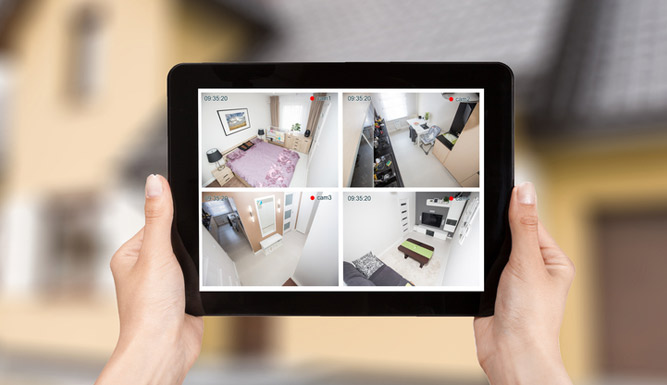
High-definition video transmission to resident/tenant mobile devices
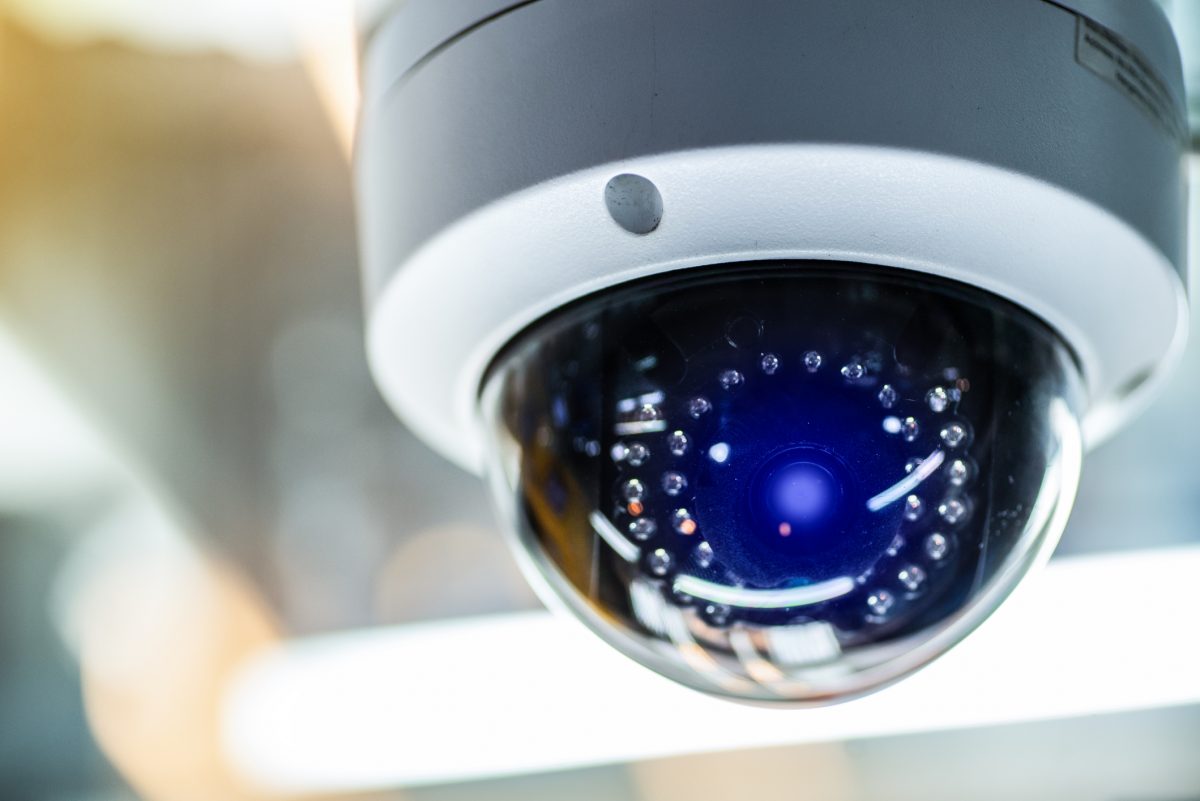
Infrared night vision capability for 24-hour surveillance operations
Recording and playback functionality for documentation purposes
Eliminates unauthorized entry through visual confirmation requirements
Access Control Parameters
Scheduled entry restrictions for specific time periods
Remote lock/unlock capabilities for designated entry points
Multi-level authorization protocols for different user categories
Integration with existing building management systems
Elevator access control for secured floor restrictions
Documentation and Compliance
Automated visitor logging and timestamp recording
Digital audit trails for security incident investigation
Compliance with commercial building security regulations
Data retention policies aligned with Pennsylvania state requirements
Video storage capacity for minimum 30-day archive period
CONVENIENCE INTEGRATION FEATURES
Mobile Application Access
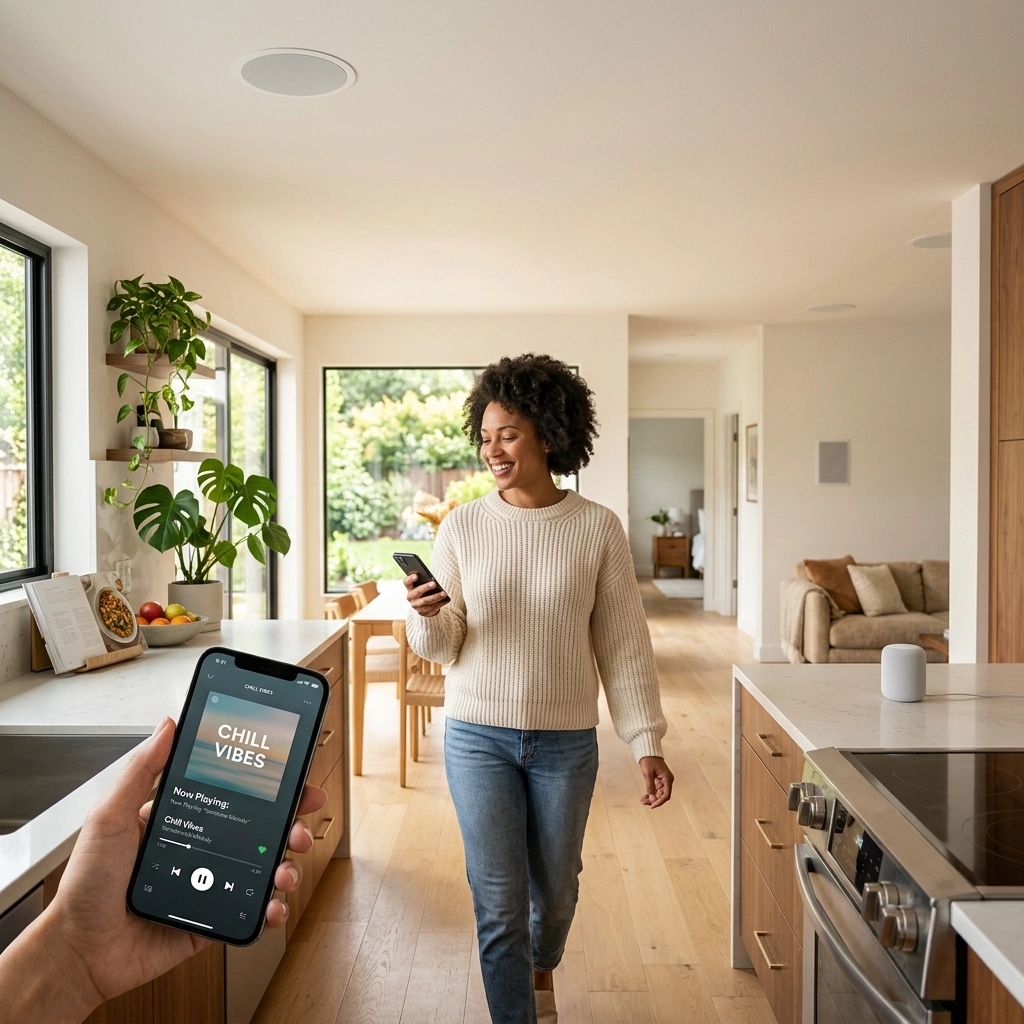
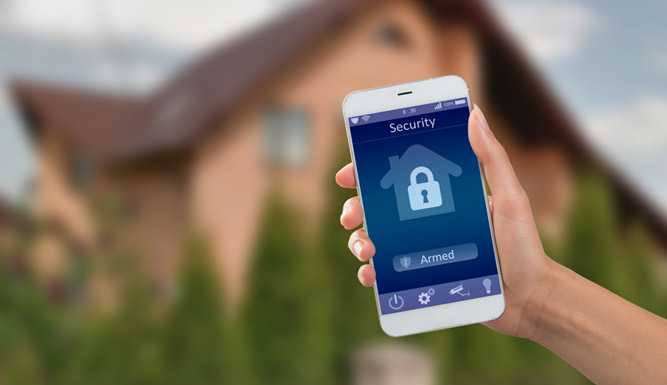
The integration of smartphone technology represents CRITICAL ADVANCEMENT in intercom system functionality. Authorized personnel access the following capabilities through dedicated mobile applications:
Door entry management from remote locations
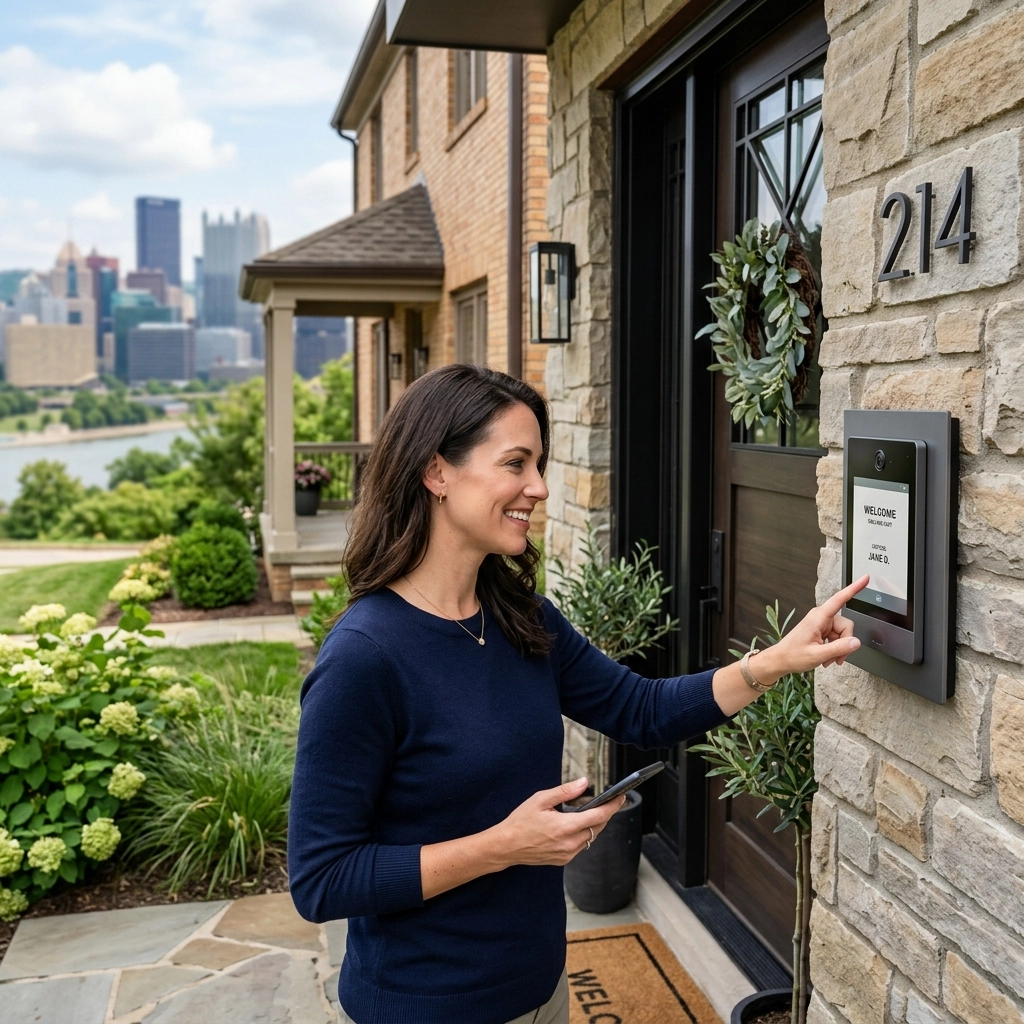
Two-way audio/video communication with visitors
Guest access authorization without physical presence
Real-time notifications of entry attempts
Historical access logs and visitor records
Commercial tenants and building managers operate these systems from personal computers, tablets, or mobile devices regardless of physical location. This eliminates the requirement for on-site presence during visitor arrivals or delivery acceptance.
Directory Management Systems
Buildings containing ten (10) or more commercial units require integrated directory systems with the following specifications:
Searchable tenant database with company name listings
Automated routing to correct unit/suite numbers
Multiple contact methods per tenant entry
ADA-compliant interface design standards
Multilingual support for diverse tenant populations
Remote Administration Platforms
Property management personnel utilize web-based platforms to execute the following administrative functions:
Add or remove tenant access credentials without site visits
Modify entry schedules and access permissions
Generate usage reports and security analytics
Configure system parameters across multiple properties
Troubleshoot technical issues through remote diagnostics
SCALABILITY SPECIFICATIONS
Small Commercial Buildings (2-9 Units)
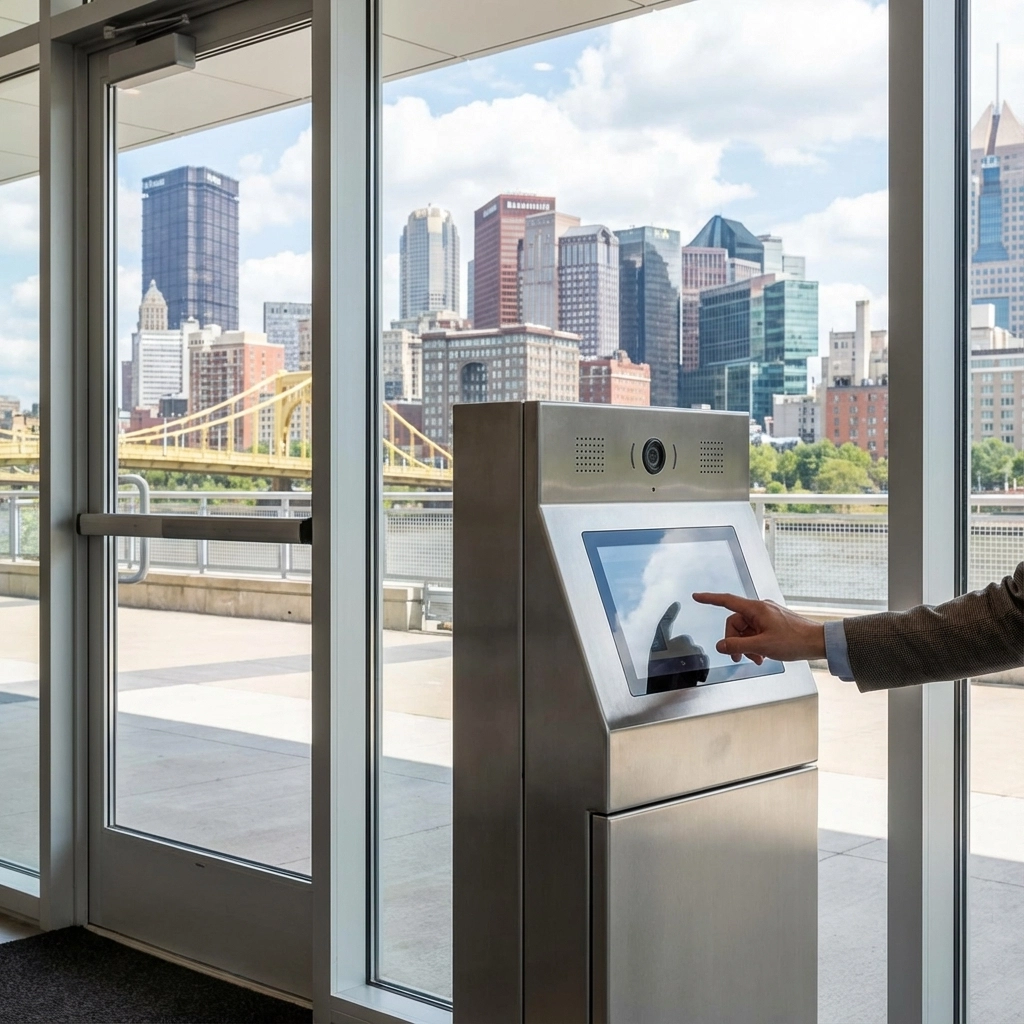
Single outdoor station with video capability
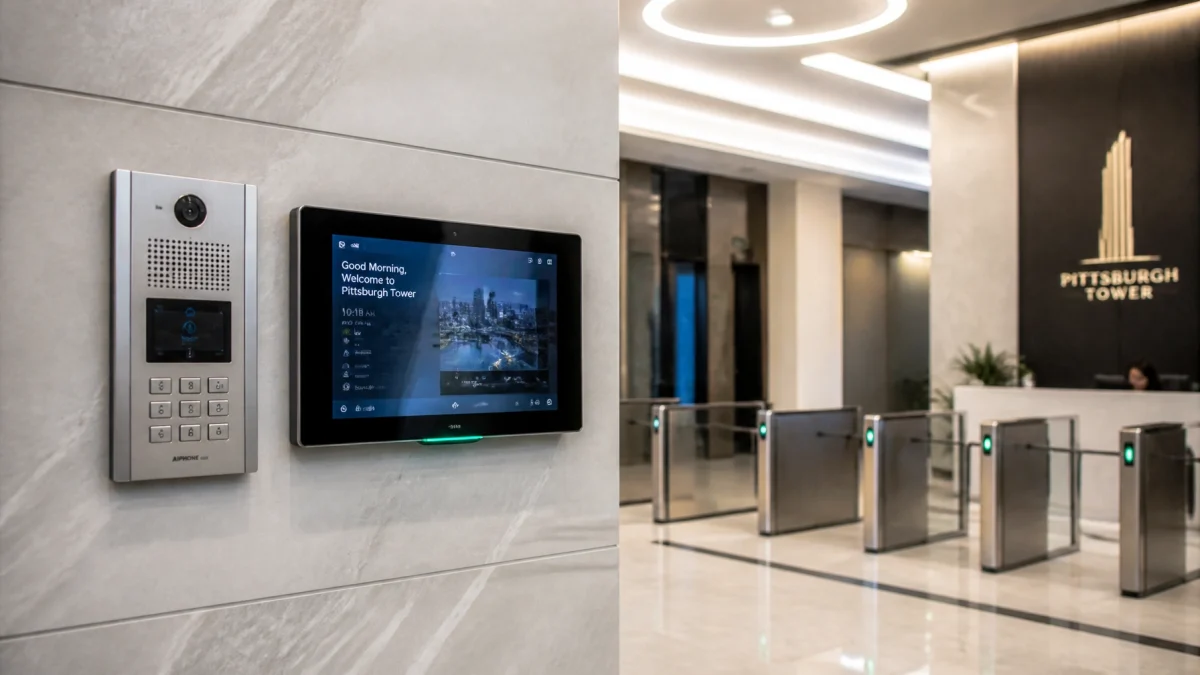
7-inch touchscreen display minimum specification
Basic audio-video intercom functionality
Expandable architecture for future growth
Integration with existing door hardware
Medium Commercial Buildings (10-50 Units)
Multiple outdoor stations for various entry points
Centralized management console
Advanced directory system with search capability
Integration with access control for parking facilities
Support for 100+ authorized users
Large Commercial Properties (50+ Units)
Systems for large-scale commercial facilities require enterprise-level specifications:
Support for 10,000+ user credentials
Integration with elevator access control systems
Vehicle gate and parking garage connectivity
Facility area restrictions (storage, gym, common areas)
Multi-building management from single platform
Redundant server architecture for system reliability
PITTSBURGH COMMERCIAL APPLICATIONS
Office Building Requirements
Multi-tenant office buildings in Pittsburgh’s Central Business District and suburban office parks require intercom systems that address:
Professional visitor management protocols
After-hours access control for cleaning and maintenance
Integration with existing security personnel procedures
Compliance with commercial lease security provisions
Coordination with fire alarm and emergency systems
Mixed-Use Property Considerations
Properties combining retail, office, and residential components necessitate:
Separate entry protocols for different occupancy types
Retail hours vs. office hours access scheduling
Delivery management for multiple business types
Common area access control and monitoring
Integration with property management software systems
Medical and Professional Buildings
Healthcare facilities and professional office buildings require HIPAA-COMPLIANT SECURITY MEASURES including:
Enhanced privacy protocols for patient/client visits
Restricted access to sensitive areas
Integration with panic alarm systems
ADA accessibility compliance requirements
Documentation for regulatory audits
TECHNICAL SPECIFICATIONS REQUIRED
Network Infrastructure
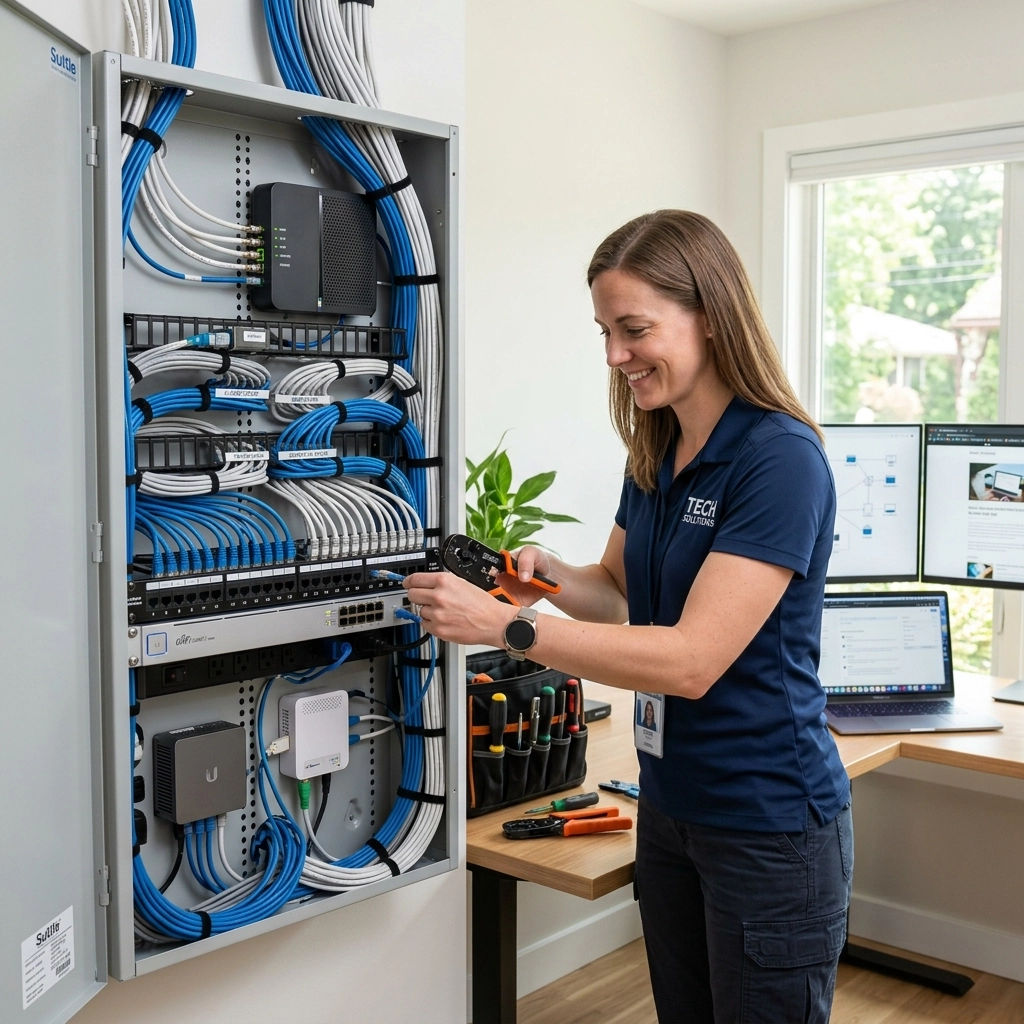
Category 6 ethernet cabling minimum standard
Power over Ethernet (PoE) compatibility
Network switch capacity for system devices
Bandwidth allocation for video transmission
Redundant network pathways for system reliability
Integration Capabilities
Modern intercom systems must integrate with:
Existing access control platforms
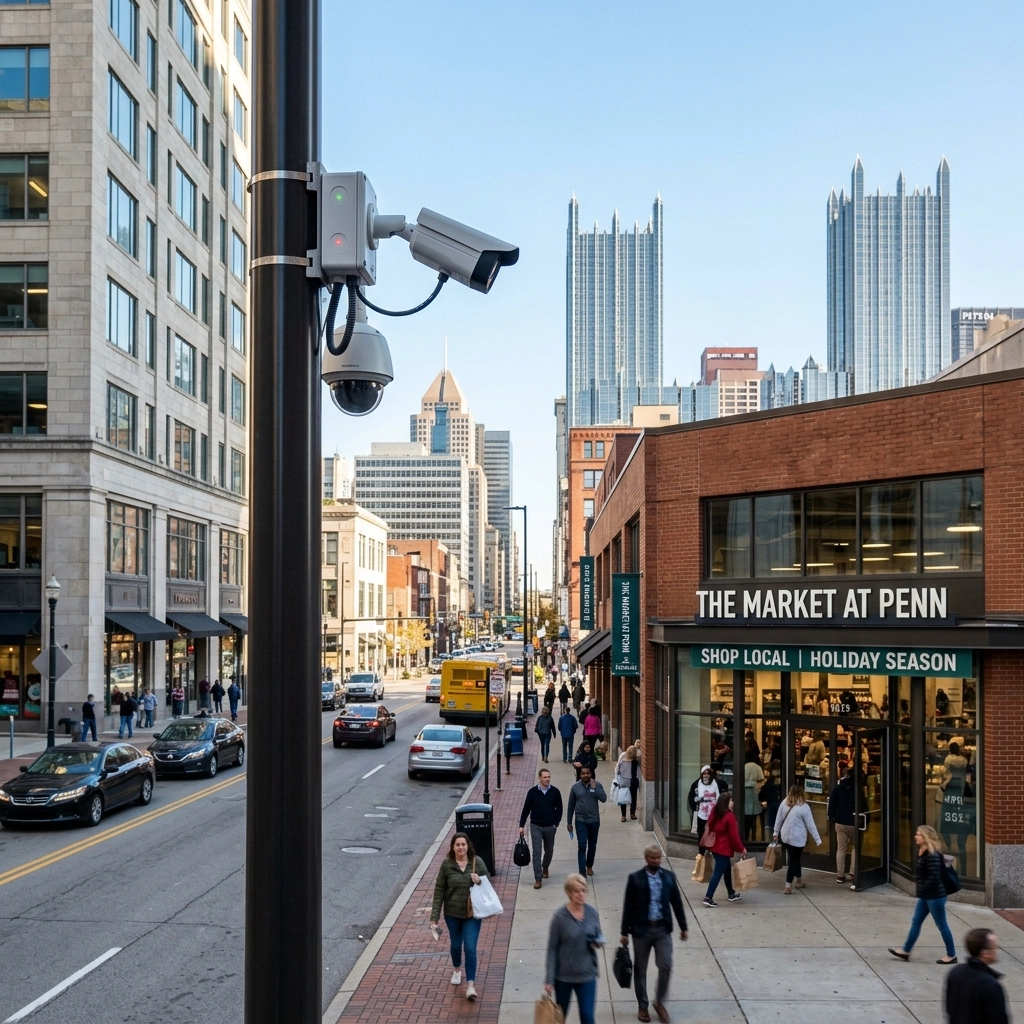
Video surveillance camera networks
Building automation systems
Fire alarm and emergency notification systems
Property management software databases
INSTALLATION AND IMPLEMENTATION PROCEDURES
Site Assessment Requirements
Prior to system installation, authorized contractors conduct:
Physical inspection of entry points and wiring pathways
Network infrastructure capacity evaluation
Existing system compatibility assessment
Power supply adequacy verification
Code compliance review for Pennsylvania building regulations
Implementation Timeline
Typical installation procedures follow this sequence:
PHASE ONE: Infrastructure Preparation (Days 1-3)
Ethernet cable installation and termination
Power supply configuration and testing
Network switch installation and configuration
Mounting hardware installation at entry points
PHASE TWO: Equipment Installation (Days 4-6)
Outdoor station mounting and connection
Indoor console/management interface installation
Mobile application configuration and testing
Directory database population with tenant information
PHASE THREE: System Configuration (Days 7-10)
User credential creation and access level assignment
Integration with existing building systems
Testing of all entry points and communication pathways
Staff training on administrative functions
Documentation delivery and system handover
COMPLIANCE AND REGULATORY CONSIDERATIONS
Pennsylvania Building Code Requirements
Intercom systems must comply with:
Pennsylvania Uniform Construction Code (UCC) provisions
International Building Code (IBC) standards
National Fire Protection Association (NFPA) 72 requirements
Americans with Disabilities Act (ADA) accessibility standards
Local Pittsburgh building department regulations
Audio Recording Regulations
Pennsylvania operates under TWO-PARTY CONSENT LAWS for audio recording. Intercom systems with audio recording capabilities require:
Conspicuous notice of recording activities
Consent mechanisms for recorded communications
Data retention policies compliant with state law
Secure storage of recorded communications
Access controls for recorded data
SYSTEM MAINTENANCE PROTOCOLS
Required Maintenance Schedule
Quarterly system testing of all entry points
Annual software updates and security patches
Biannual cleaning of outdoor camera lenses
Monthly verification of recording storage capacity
Immediate response to system malfunction reports
CONTACT INFORMATION FOR PROFESSIONAL INSTALLATION
TN Security provides COMMERCIAL INTERCOM SYSTEM INSTALLATION AND INTEGRATION SERVICES for Pittsburgh-area multi-unit buildings. Professional consultation, site assessment, and system design services available.
DISCLAIMER: System specifications subject to modification based on site-specific requirements and code compliance obligations. Installation must be performed by licensed contractors in accordance with Pennsylvania state regulations and local building codes.
With over 30 years of experience in the security and monitoring industry, T.N. Security’s mission is to provide the most advanced protection with interactive communications capabilities to Pittsburgh homes and business. From residential whole-house audio systems, wireless security systems, and LED lighting to commercial structured wiring for voice, video and data, T.N. Security has what you need to meet your audio, lighting, and security needs.
We use cookies on our website to give you the most relevant experience by remembering your preferences and repeat visits. By clicking “Accept All”, you consent to the use of ALL the cookies. However, you may visit "Cookie Settings" to provide a controlled consent.
This website uses cookies to improve your experience while you navigate through the website. Out of these, the cookies that are categorized as necessary are stored on your browser as they are essential for the working of basic functionalities of the website. We also use third-party cookies that help us analyze and understand how you use this website. These cookies will be stored in your browser only with your consent. You also have the option to opt-out of these cookies. But opting out of some of these cookies may affect your browsing experience.
Necessary cookies are absolutely essential for the website to function properly. These cookies ensure basic functionalities and security features of the website, anonymously.
Cookie
Duration
Description
cookielawinfo-checkbox-analytics
11 months
This cookie is set by GDPR Cookie Consent plugin. The cookie is used to store the user consent for the cookies in the category "Analytics".
cookielawinfo-checkbox-functional
11 months
The cookie is set by GDPR cookie consent to record the user consent for the cookies in the category "Functional".
cookielawinfo-checkbox-necessary
11 months
This cookie is set by GDPR Cookie Consent plugin. The cookies is used to store the user consent for the cookies in the category "Necessary".
cookielawinfo-checkbox-others
11 months
This cookie is set by GDPR Cookie Consent plugin. The cookie is used to store the user consent for the cookies in the category "Other.
cookielawinfo-checkbox-performance
11 months
This cookie is set by GDPR Cookie Consent plugin. The cookie is used to store the user consent for the cookies in the category "Performance".
viewed_cookie_policy
11 months
The cookie is set by the GDPR Cookie Consent plugin and is used to store whether or not user has consented to the use of cookies. It does not store any personal data.
Functional cookies help to perform certain functionalities like sharing the content of the website on social media platforms, collect feedbacks, and other third-party features.
Performance cookies are used to understand and analyze the key performance indexes of the website which helps in delivering a better user experience for the visitors.
Analytical cookies are used to understand how visitors interact with the website. These cookies help provide information on metrics the number of visitors, bounce rate, traffic source, etc.
Advertisement cookies are used to provide visitors with relevant ads and marketing campaigns. These cookies track visitors across websites and collect information to provide customized ads.