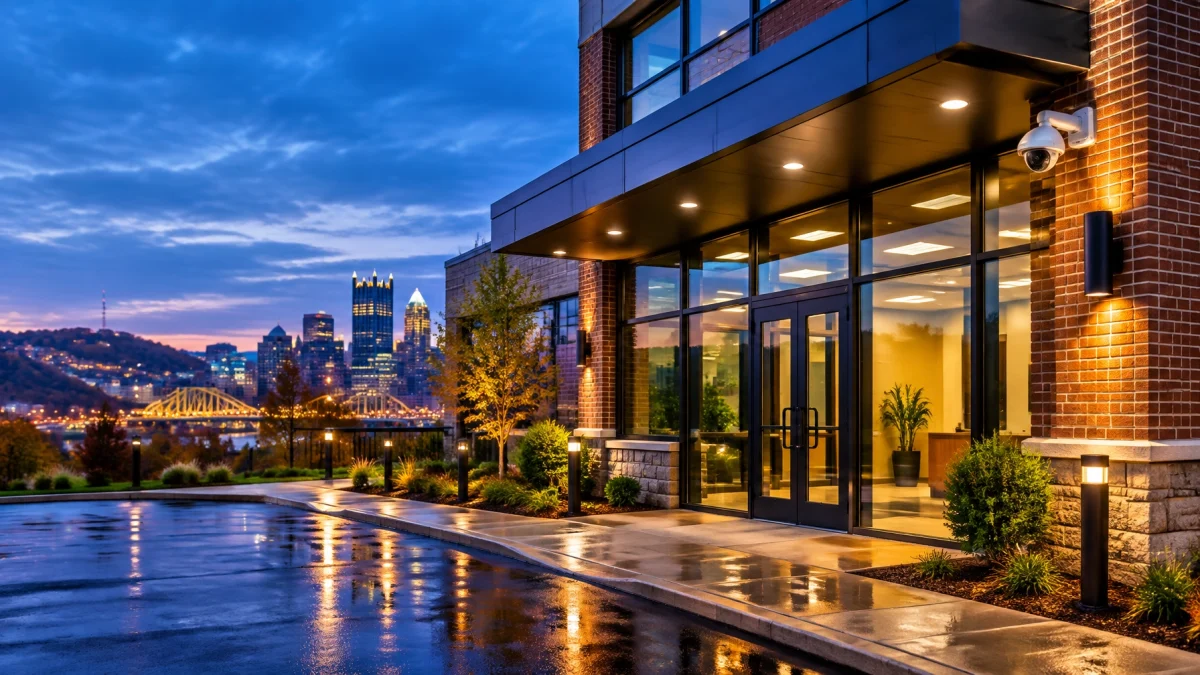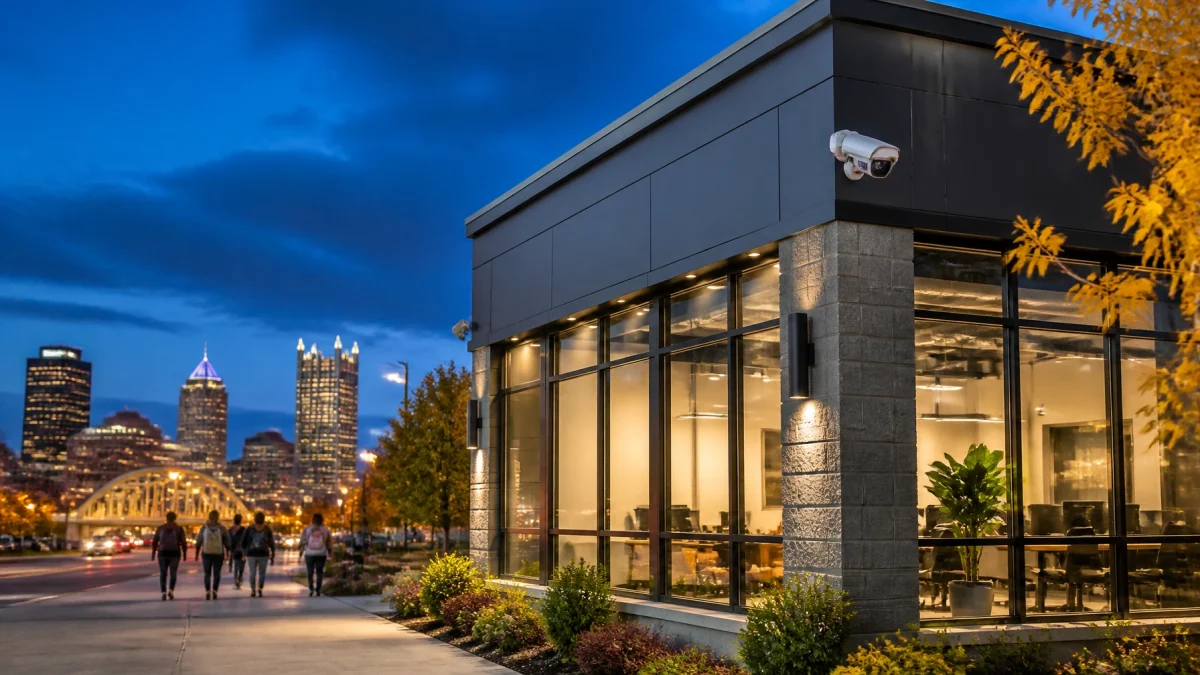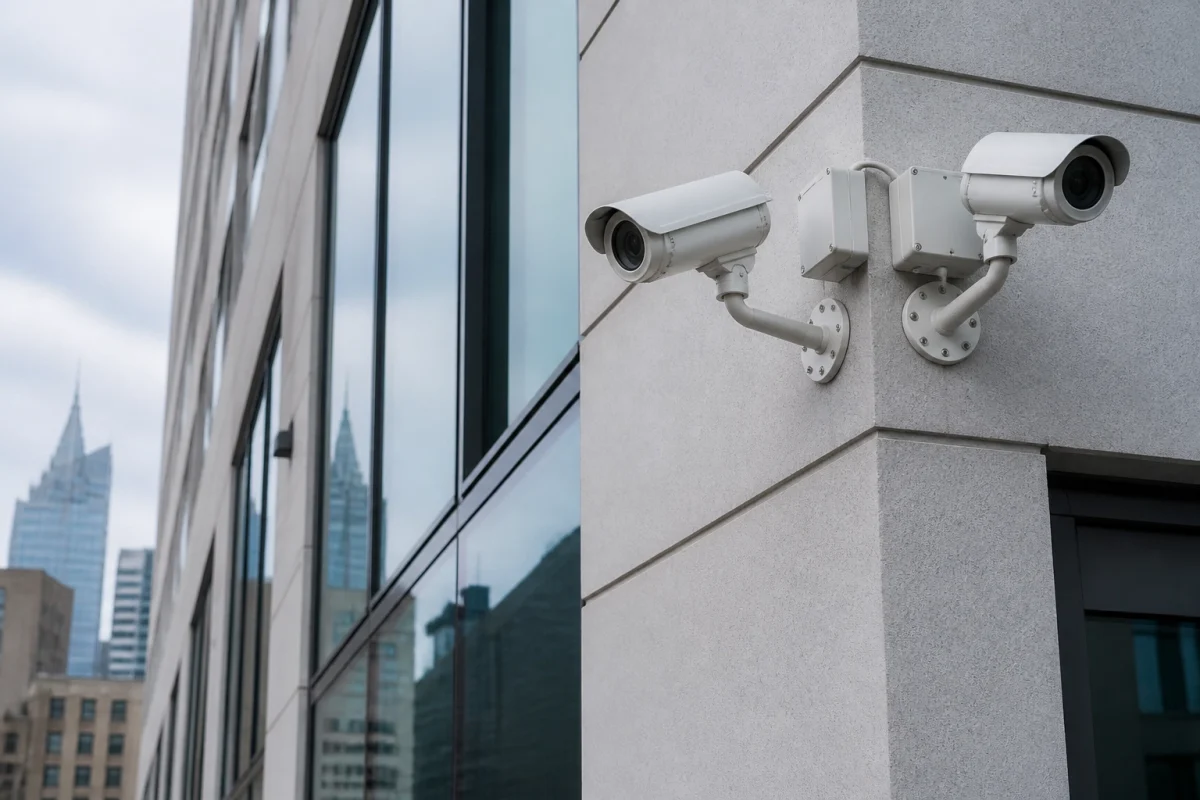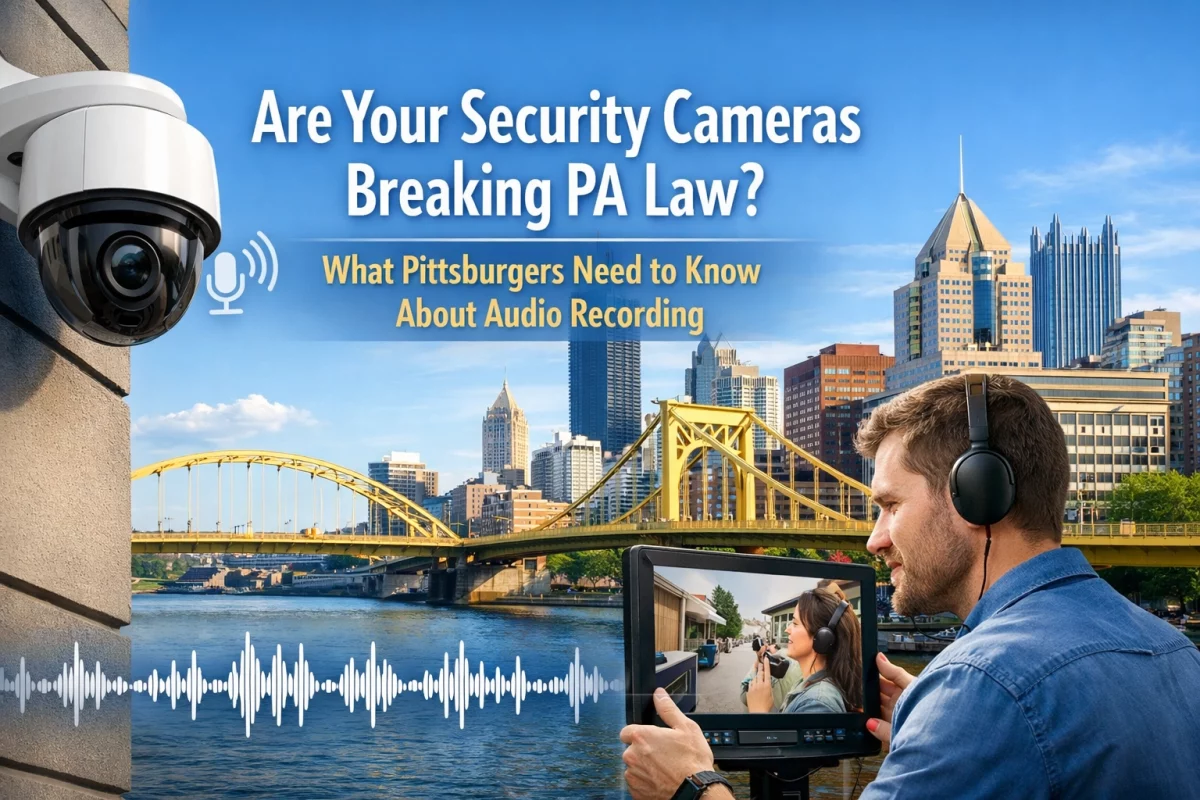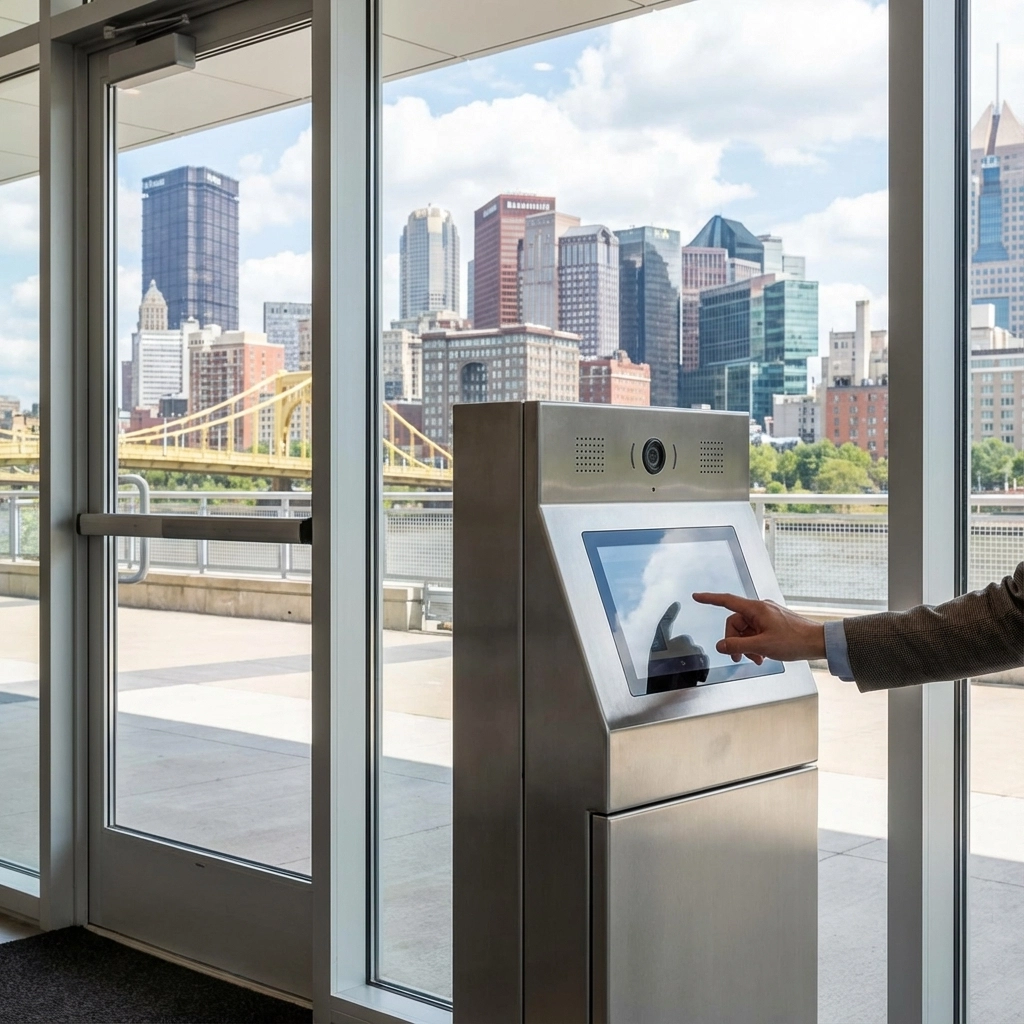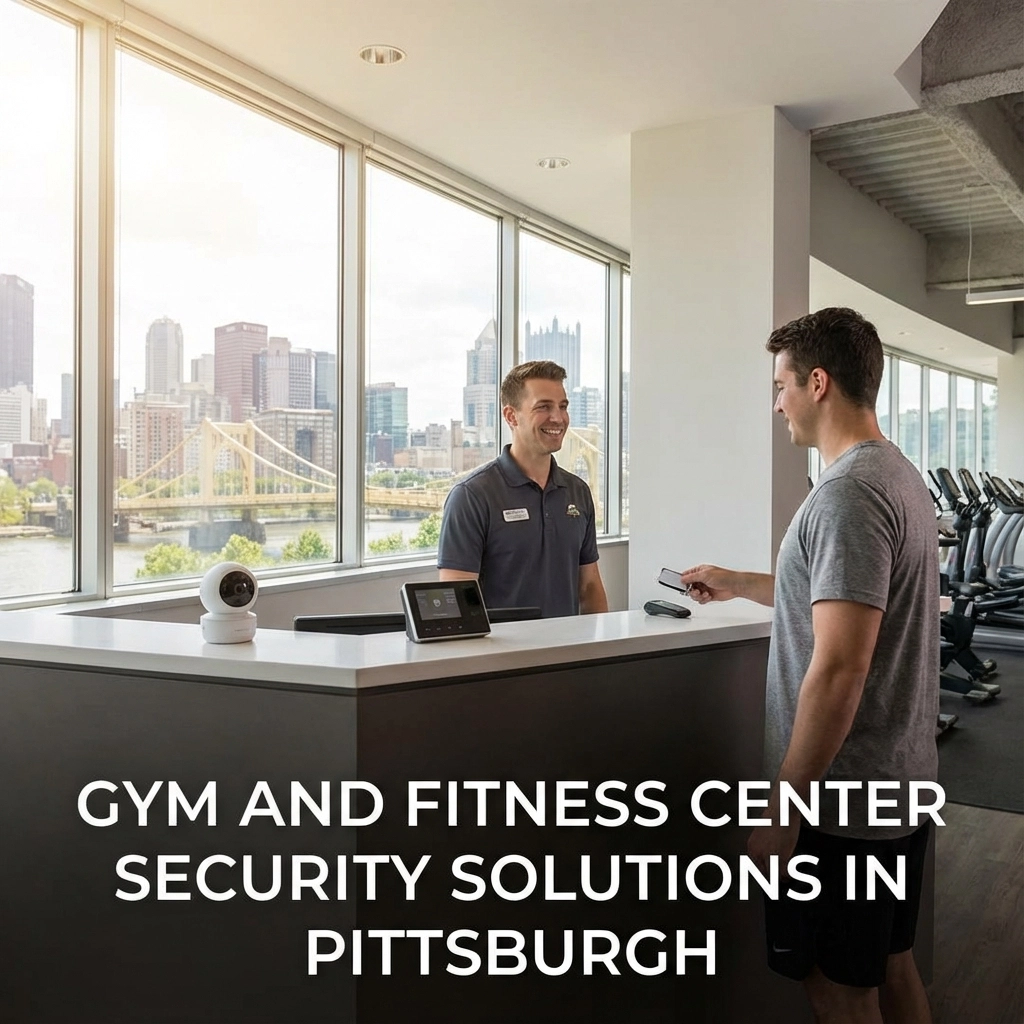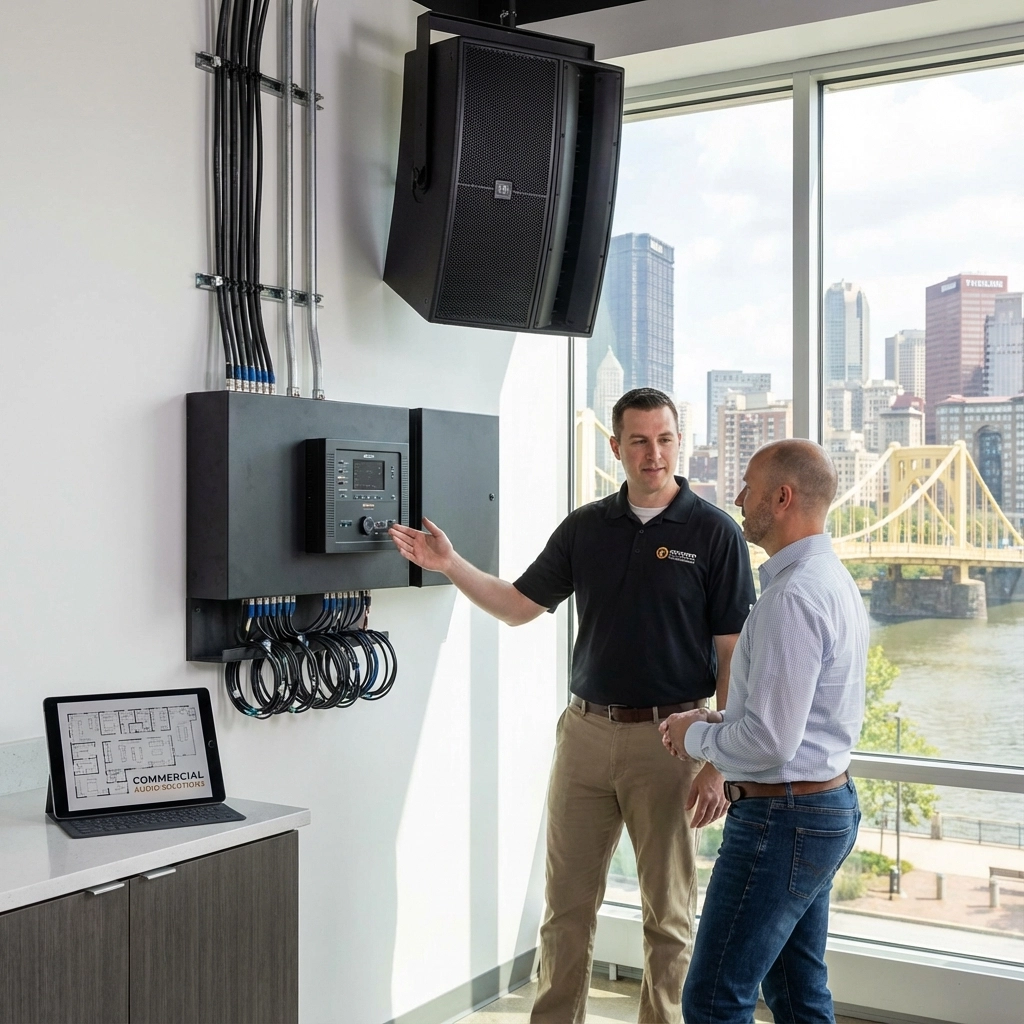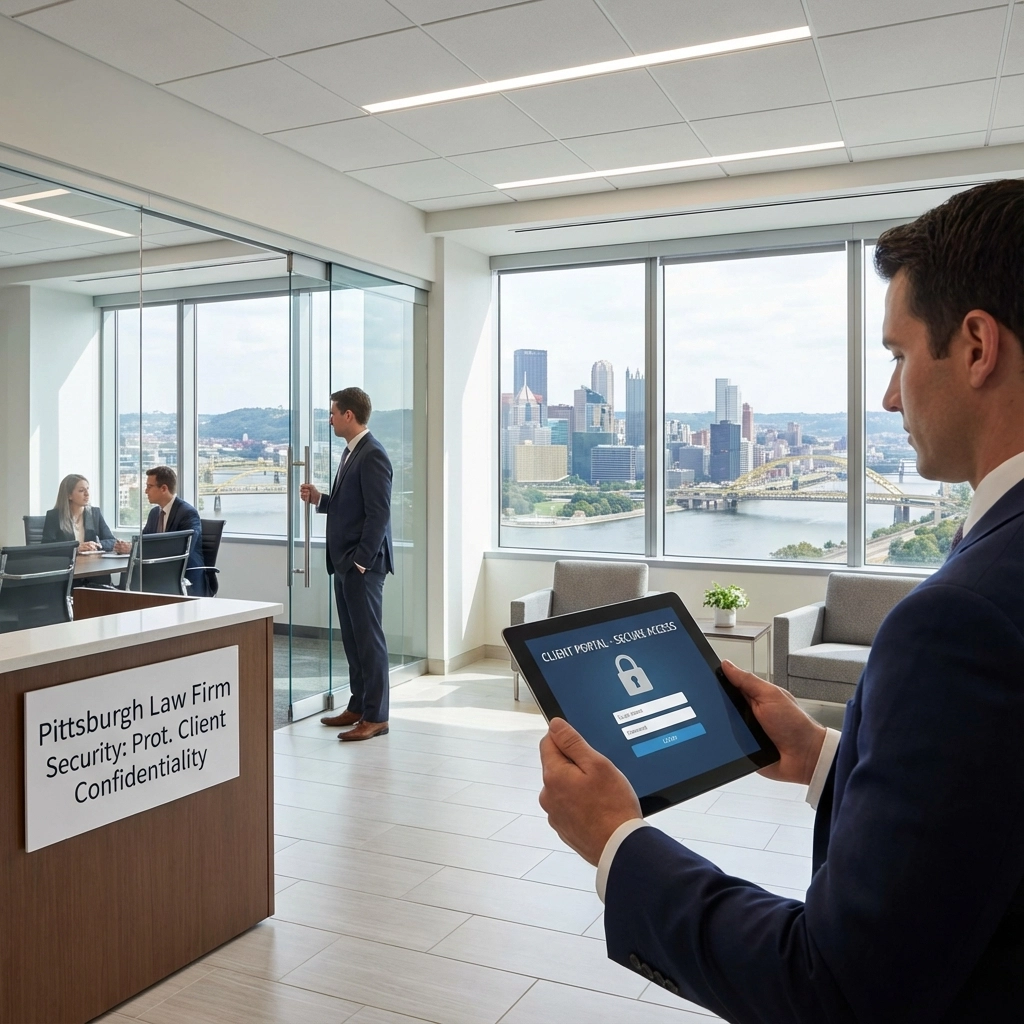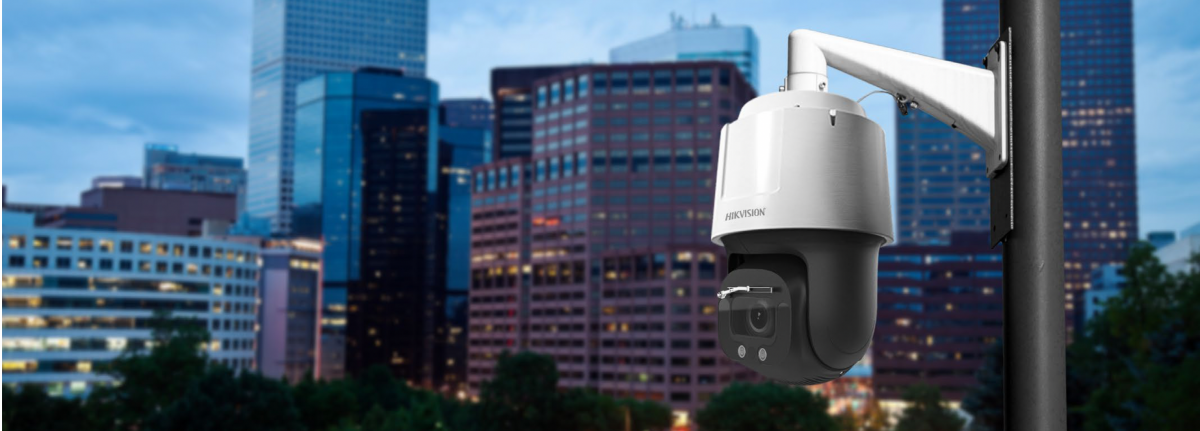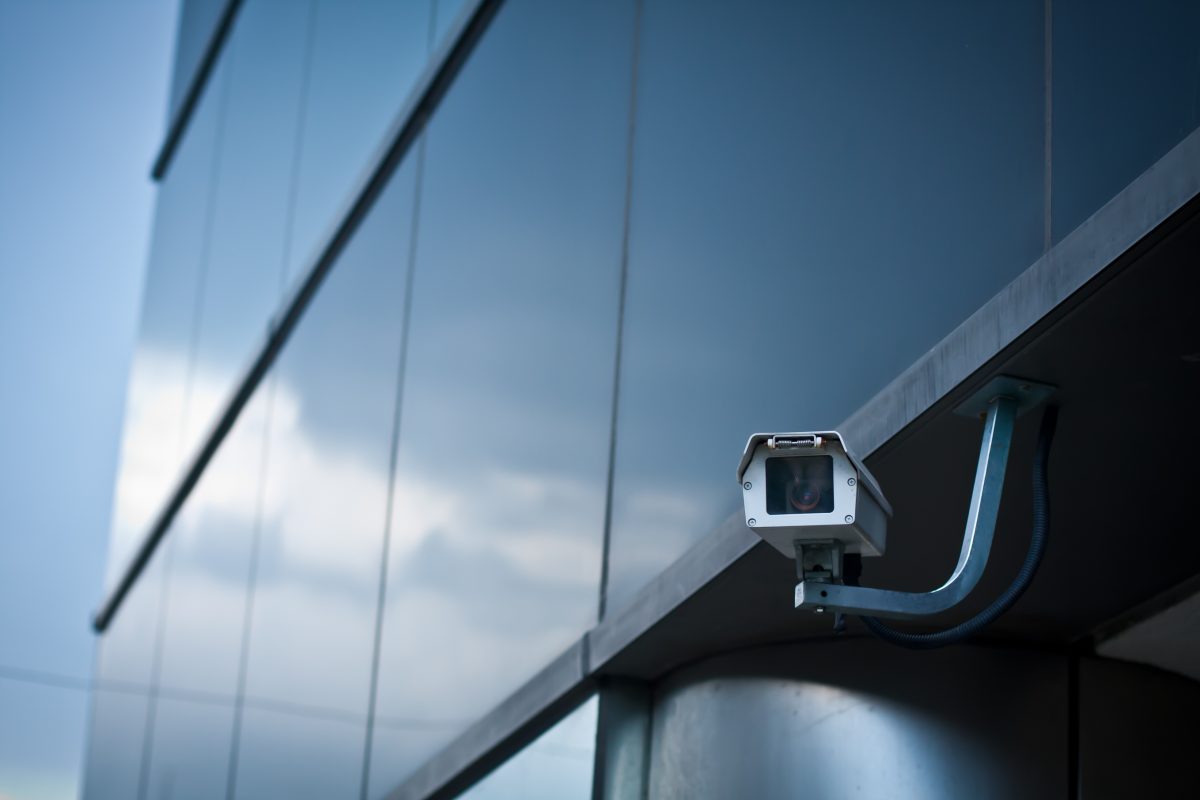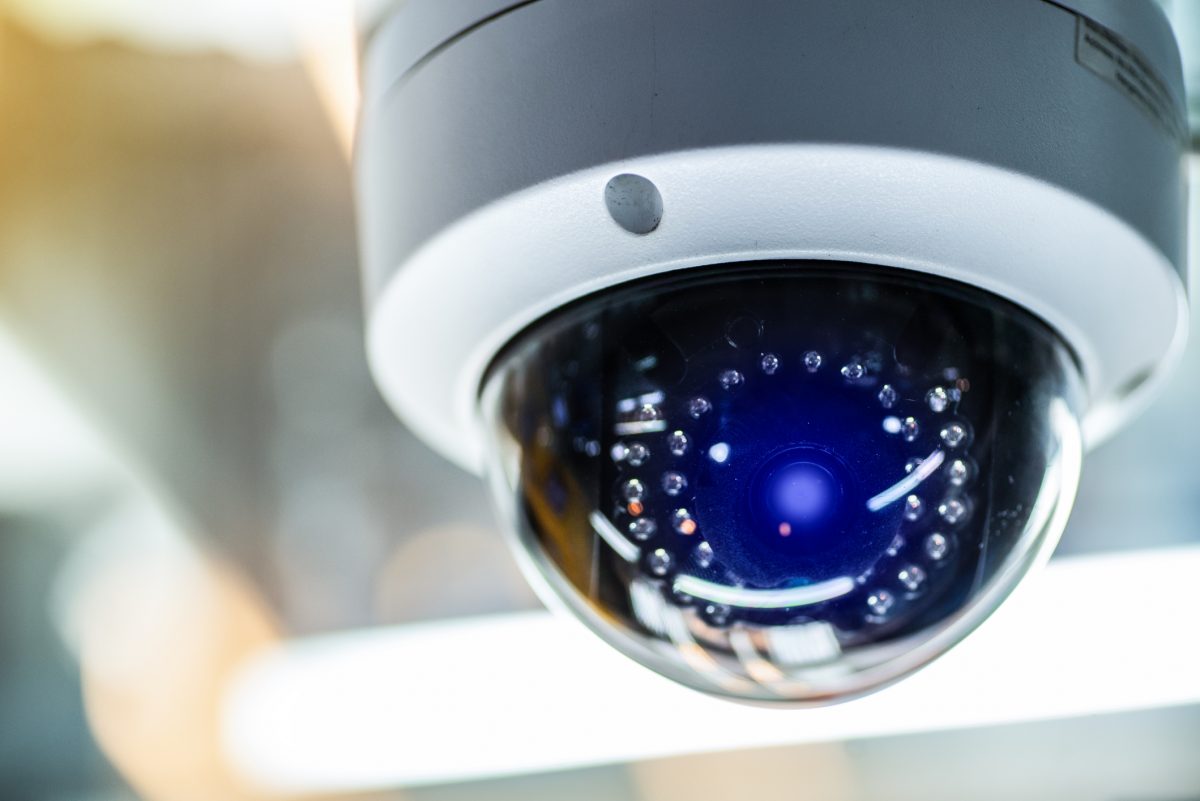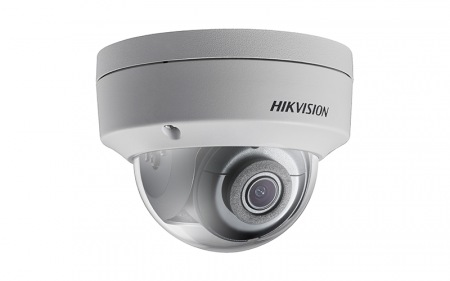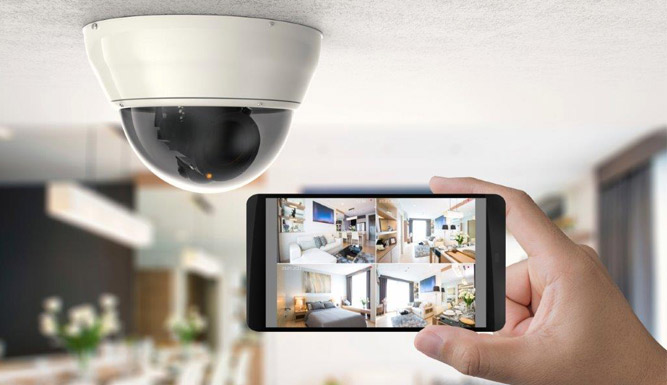
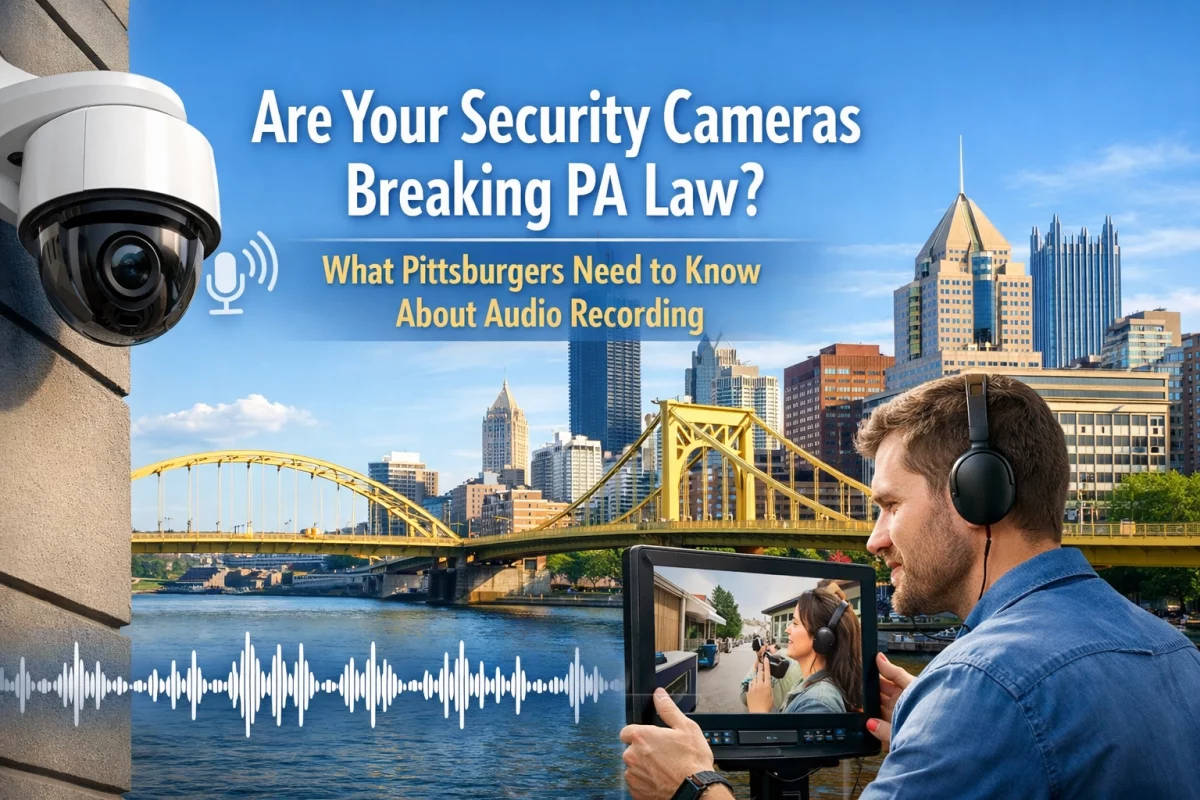
You invested in a state-of-the-art security camera system to protect your Pittsburgh business. Crystal-clear 4K video, smart motion detection, night vision, the works. But there’s one feature that could land you in serious legal trouble: the microphone.
Pennsylvania’s audio recording laws are among the strictest in the nation, and many business owners don’t realize their security systems are breaking them every single day. We’re talking about potential felony charges, hefty fines, and civil lawsuits, all because of a feature that seemed like a security upgrade.
Pennsylvania is one of only twelve states that requires all-party consent for audio recordings. This isn’t some minor regulatory technicality. Under 18 Pa. Cons. Stat. § 5703, recording any electronically transmitted conversation without the consent of all parties involved is a third-degree felony.
The penalties? Up to seven years in prison and fines reaching $15,000. That’s not a slap on the wrist, that’s a business-destroying consequence for something many people assume is legal.
Here’s what trips up most business owners: the law doesn’t care if you own the property where the recording happens. It doesn’t matter if your intentions are purely for security. If your camera captures a conversation between two employees in your warehouse, or between a customer and vendor in your lobby, and those people didn’t explicitly consent to being recorded, you’re breaking Pennsylvania law.

The confusion usually starts with a reasonable assumption: “It’s my building, so I can record what happens here.” Unfortunately, that’s not how Pennsylvania law works.
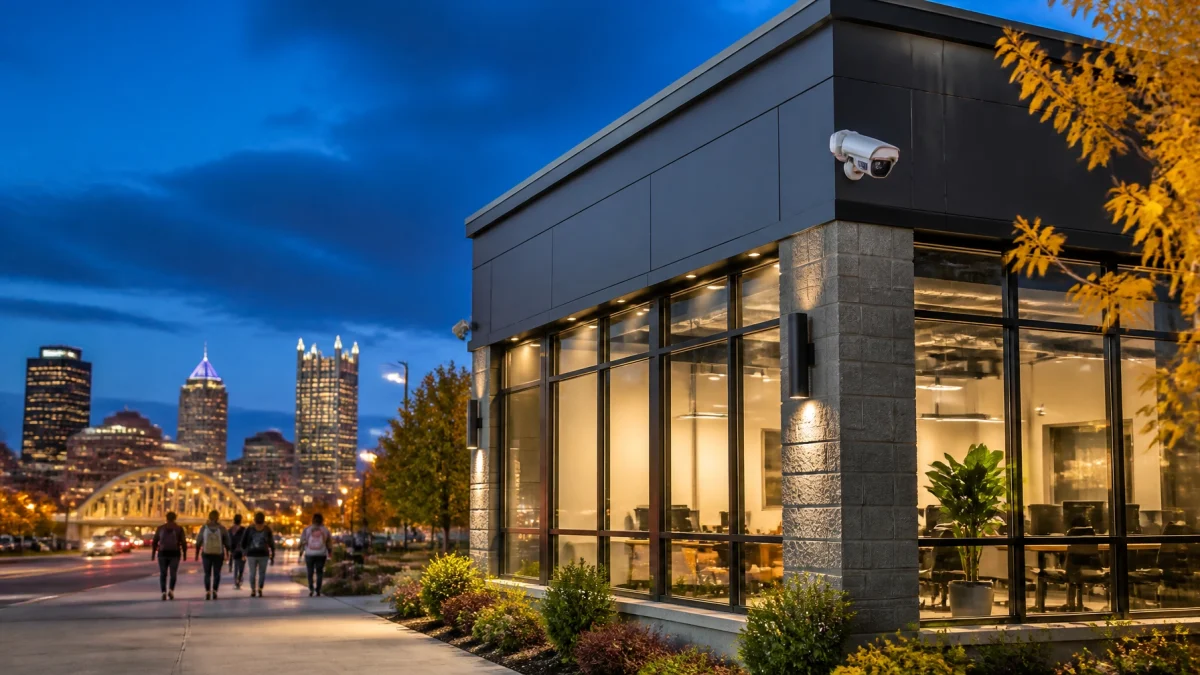
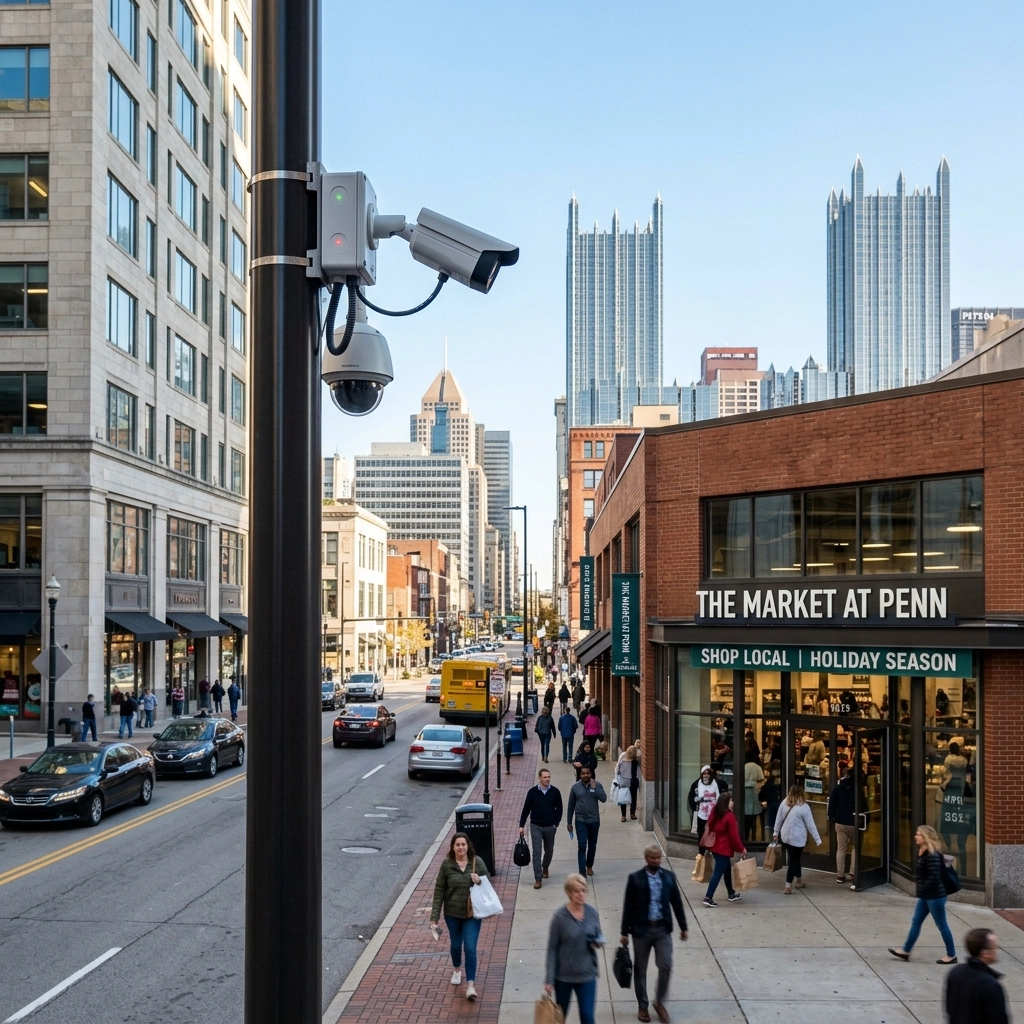
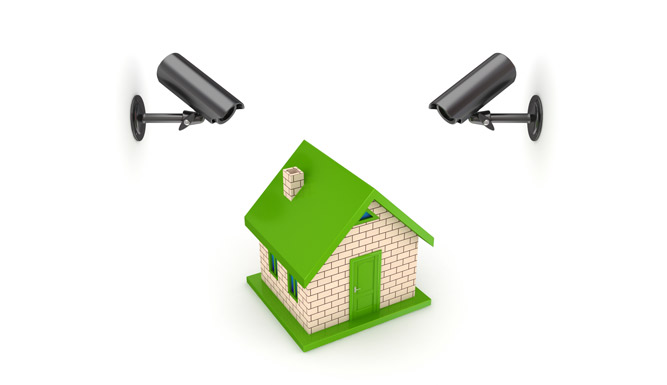
Video recording is generally legal. You can capture footage of your retail floor, warehouse, parking lot, building entrance, and most common areas without running into legal issues. The key requirement is that cameras shouldn’t point into areas where people have a reasonable expectation of privacy, restrooms, changing rooms, private offices where confidential meetings occur, or employee break rooms.
Audio recording is where the trouble starts. The moment your security system captures conversation audio, you’re in Pennsylvania’s two-party consent territory. This applies even if:
The act of recording without consent is itself illegal, regardless of what you do with the recording afterward.
Some business owners believe that recording in public spaces exempts them from consent requirements. This is partially true but easily misunderstood.
Pennsylvania law does allow audio recording in truly public settings where no reasonable expectation of privacy exists, think a public park, a busy sidewalk, or a large public event. But your business location likely doesn’t qualify, even if it’s open to the public.
Your retail store, restaurant dining room, office lobby, or warehouse floor all create spaces where people reasonably expect some level of privacy in their conversations. A customer discussing their payment information with an employee, two staff members talking about a personal matter during their shift, or a vendor negotiating terms with your purchasing manager, these are all protected conversations under Pennsylvania law, even though they’re happening in your place of business.
The legal threshold isn’t about public versus private property ownership. It’s about whether the people having the conversation had a reasonable expectation that their words weren’t being recorded.

Let’s look at how this plays out in actual business situations across Pittsburgh.
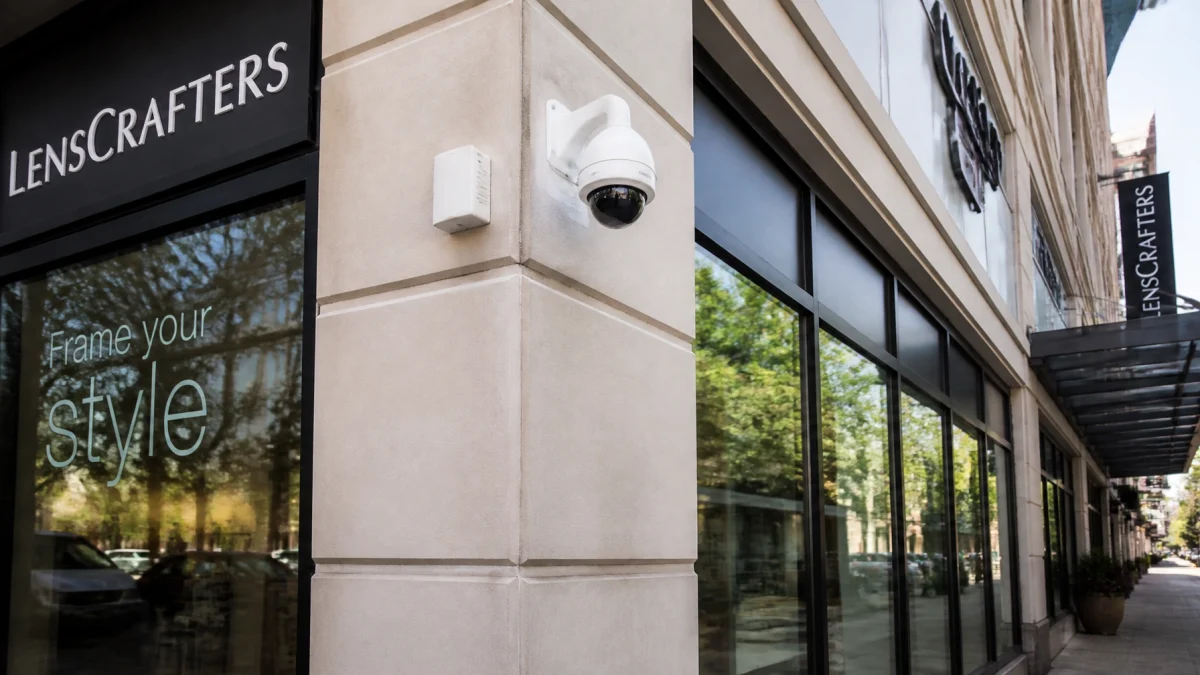
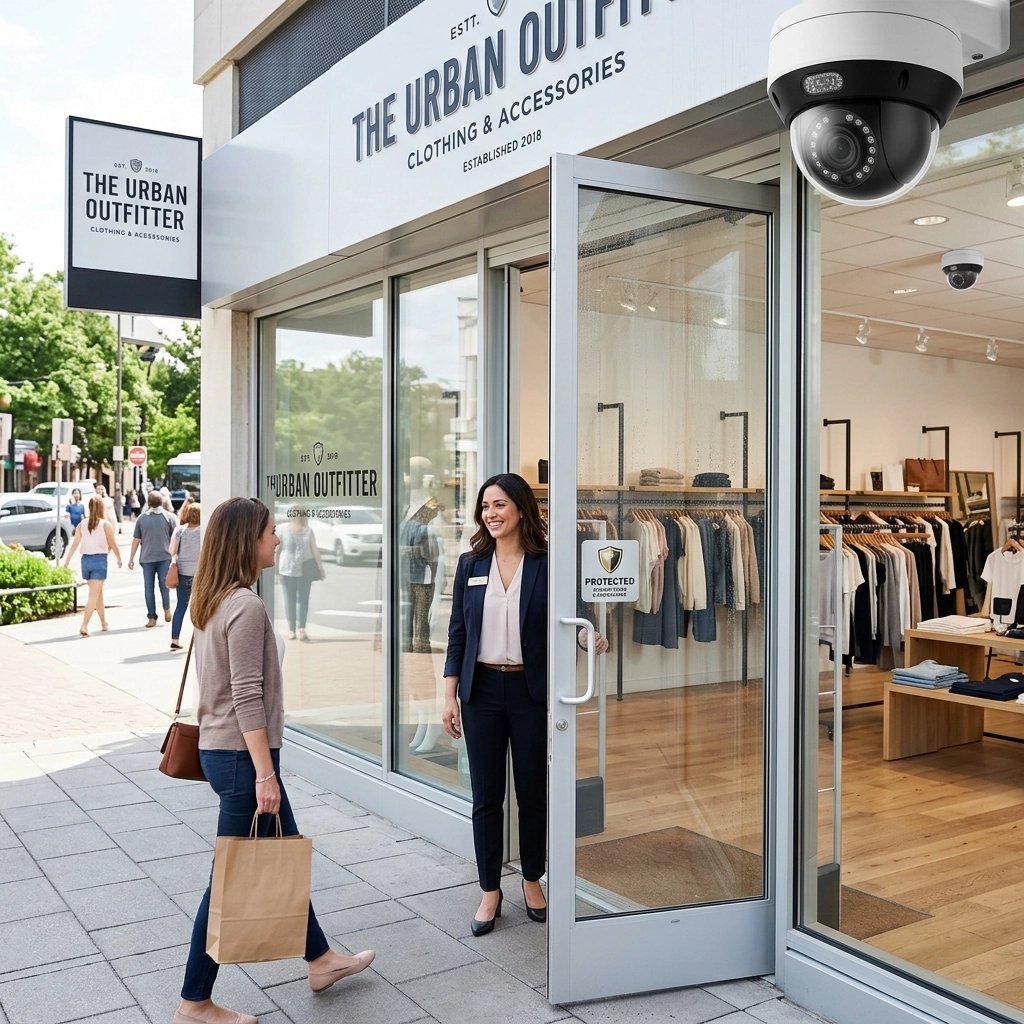
Retail and Customer Service: Your security cameras cover the sales floor and checkout areas. A customer service representative helps a client, and their conversation is recorded. Unless both the employee and customer explicitly consented to audio recording beforehand, you’ve violated Pennsylvania law. This same scenario applies to restaurants, medical offices, legal practices, and any business where staff interact with clients or customers.
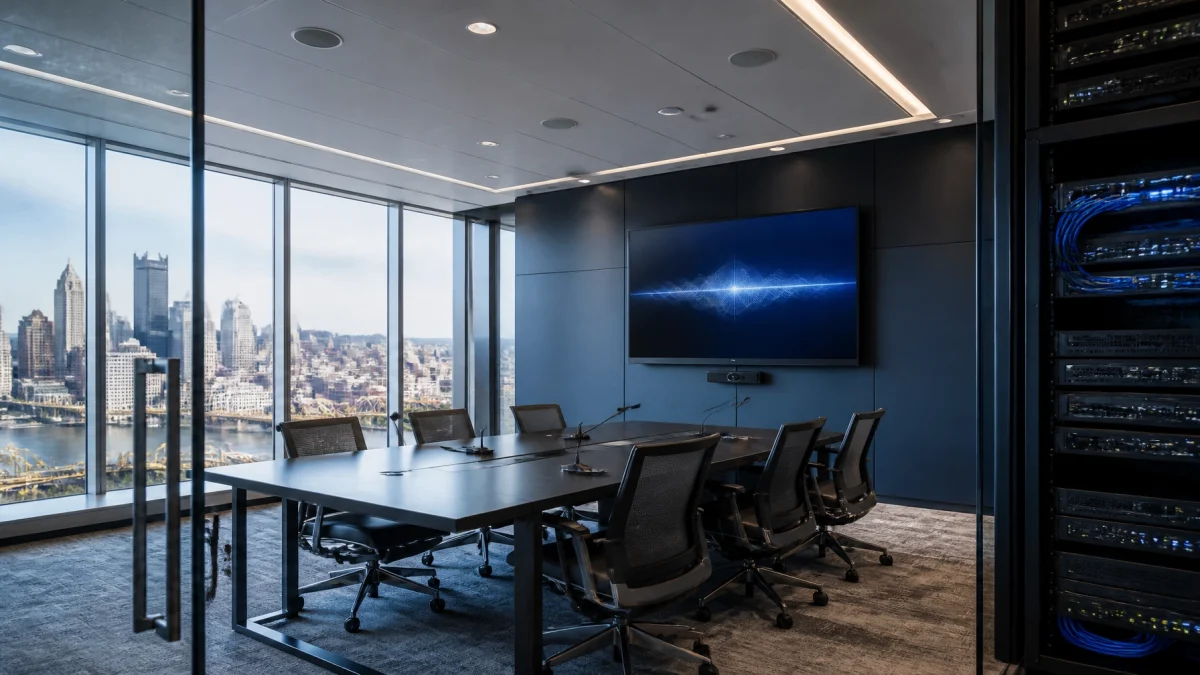
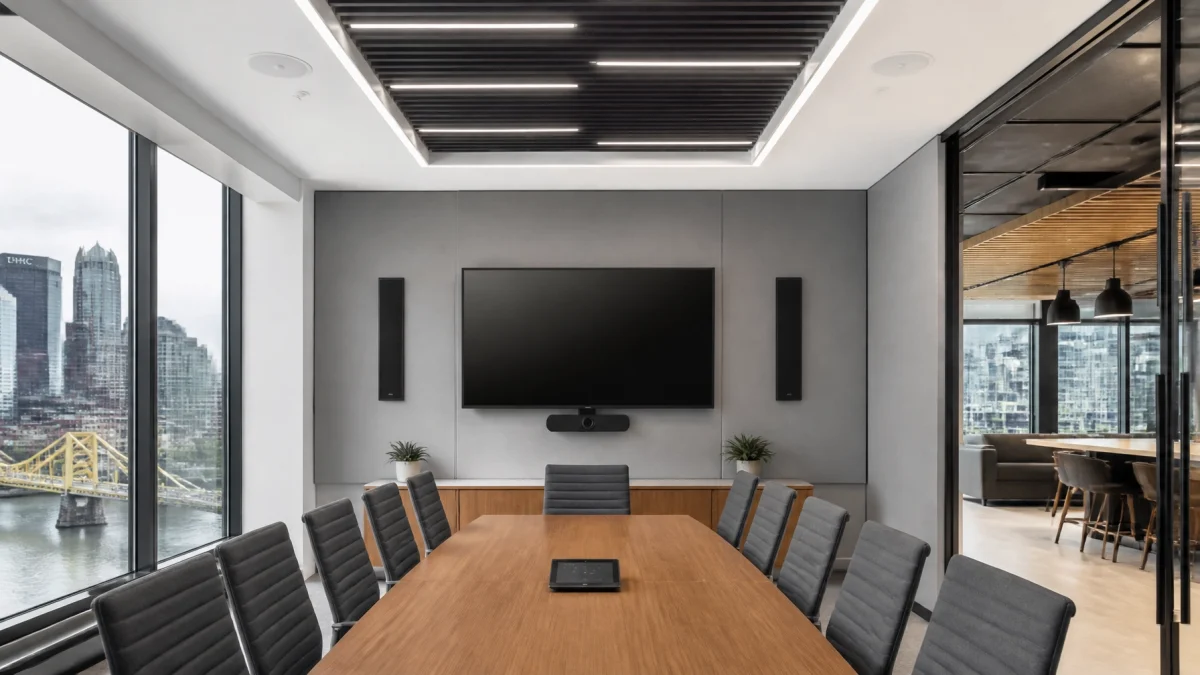
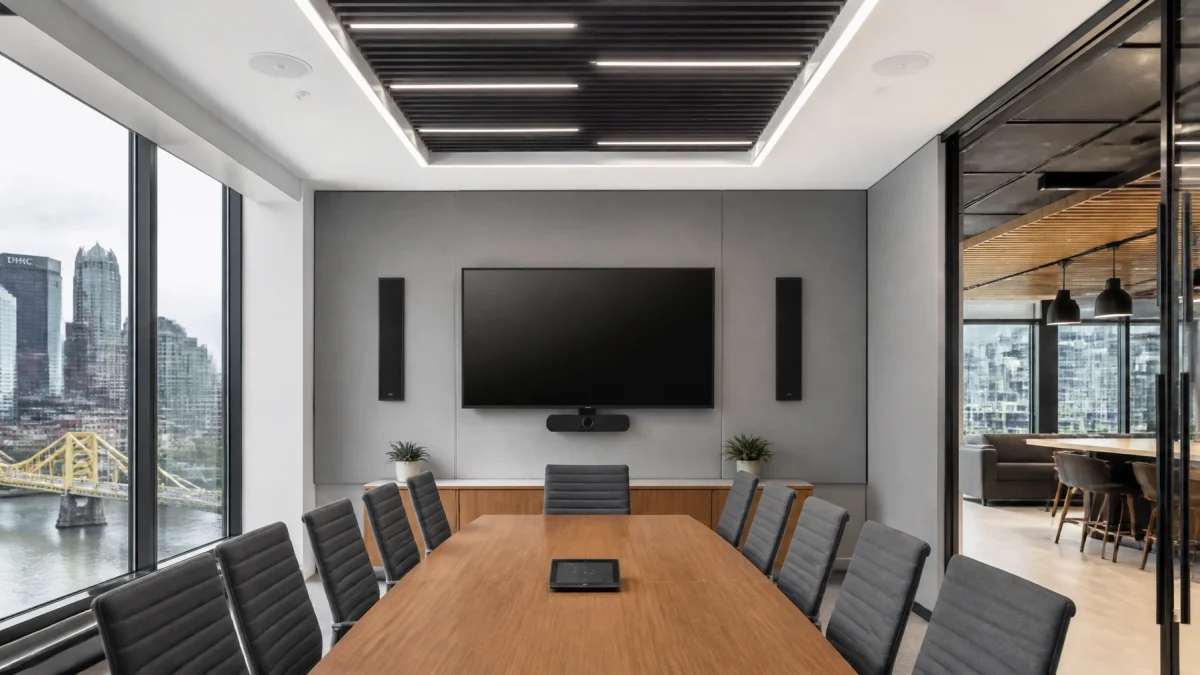
Office and Meeting Spaces: Your conference room has a security camera for after-hours monitoring. During business hours, employees hold a meeting that’s inadvertently recorded with audio. Even though these are your employees in your building, you’ve still broken the law if they didn’t consent to the audio recording.
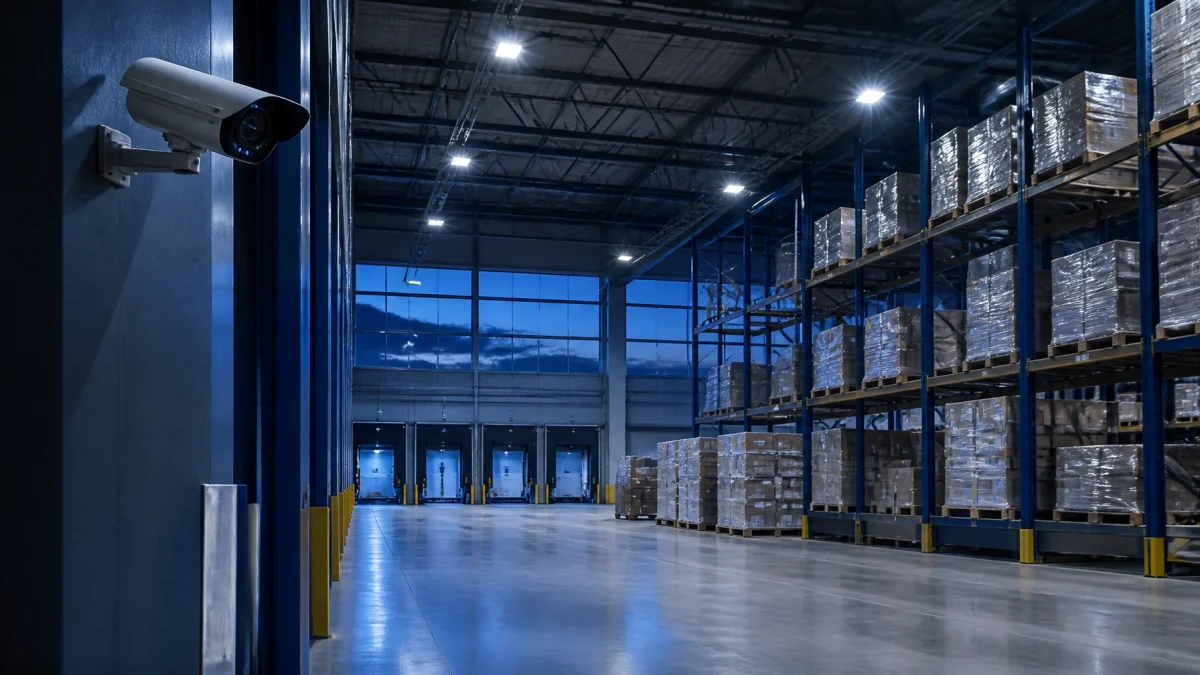
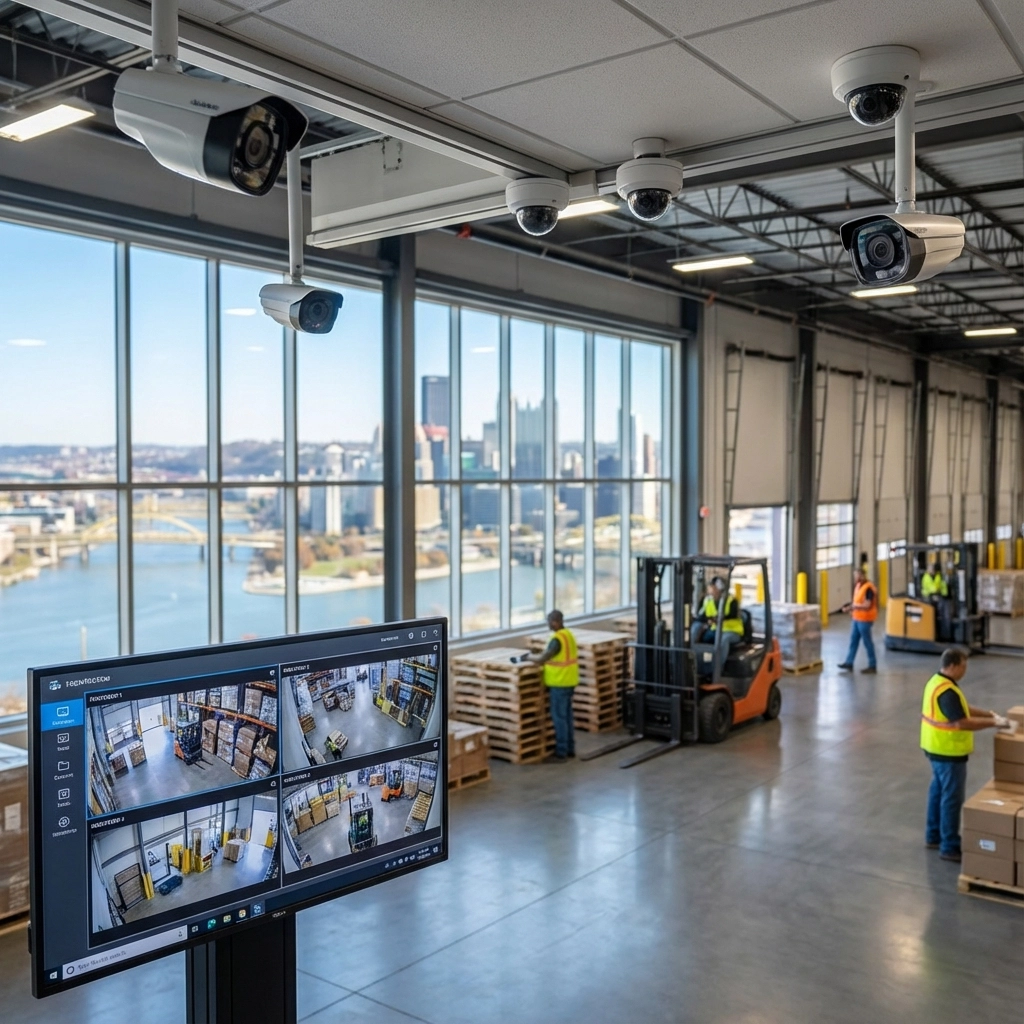
Warehouses and Manufacturing Facilities: Cameras monitor loading docks, production floors, and inventory areas. Workers have conversations while doing their jobs. Unless you’ve obtained explicit consent from every employee to record their conversations, and documented that consent, your security system is operating illegally.
Multi-Tenant Buildings: If you manage commercial property and your security cameras are positioned where they might capture audio from neighboring businesses or common areas, you’re potentially liable for recording conversations involving people who aren’t even your tenants or employees.
Here’s where many businesses think they’re compliant but aren’t. Posting a sign that says “video surveillance in use” does not constitute consent for audio recording under Pennsylvania law.
True legal consent requires that all parties to a conversation explicitly agree to be recorded before the conversation takes place. This means:
For most businesses, obtaining this level of consent from every person who might have a conversation in a recorded area is practically impossible. A customer walks in, has a conversation with a sales associate, and leaves, getting proper consent in that scenario isn’t realistic.

The most practical solution for Pittsburgh businesses is straightforward: turn off audio recording on all security cameras.
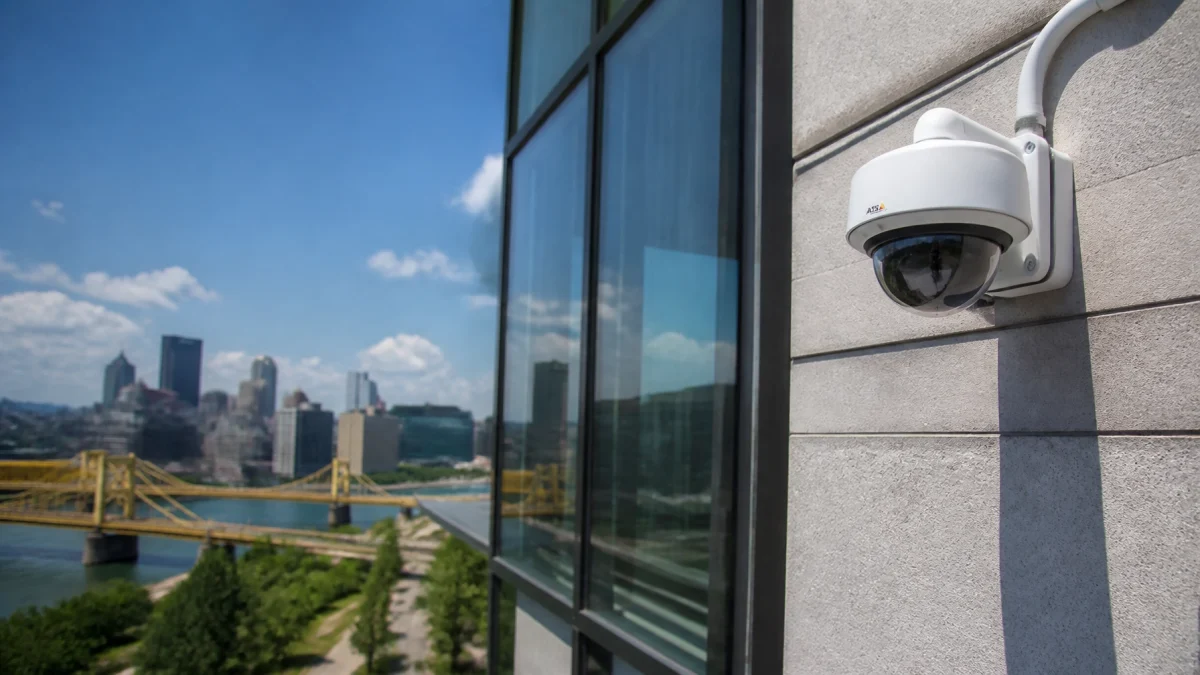
Modern security systems Pittsburgh PA businesses rely on provide excellent protection through video alone. You can still:
Disabling audio doesn’t compromise your security effectiveness, it eliminates legal risk while maintaining all the visual documentation you need.
At TN Security, we configure security systems with audio recording disabled by default for our Pennsylvania clients. This isn’t us being overly cautious; it’s us keeping your business compliant with state law.
When we design and install commercial security systems, legal compliance is built into the process. Here’s how we approach it:
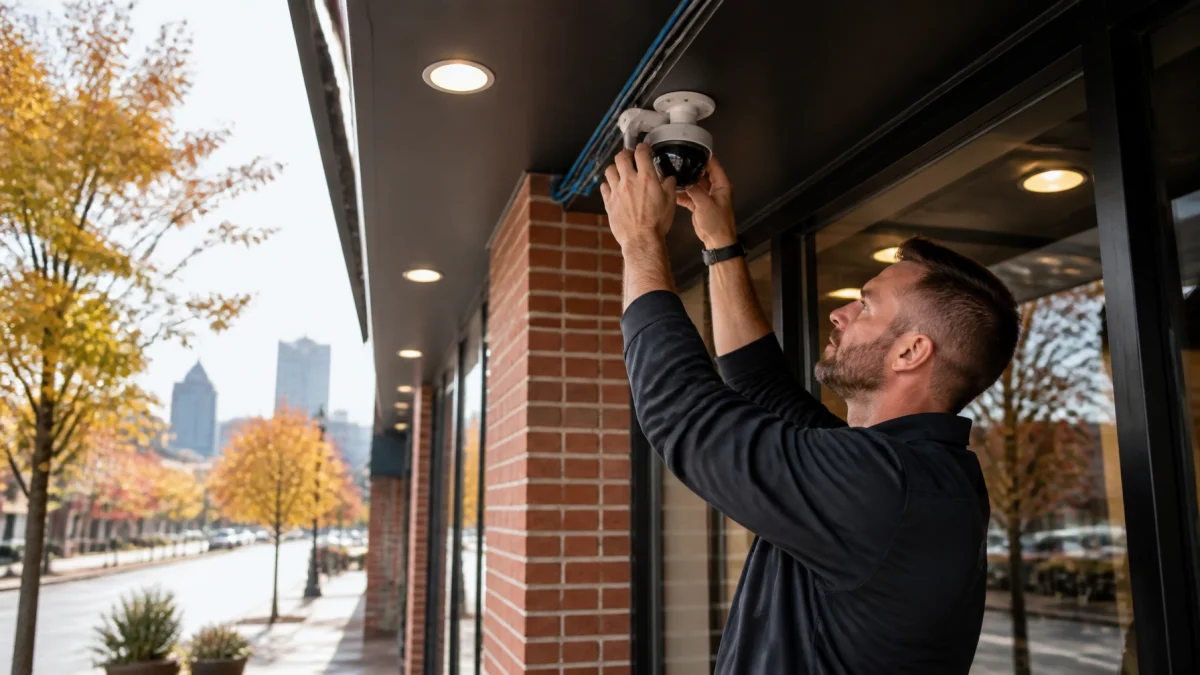
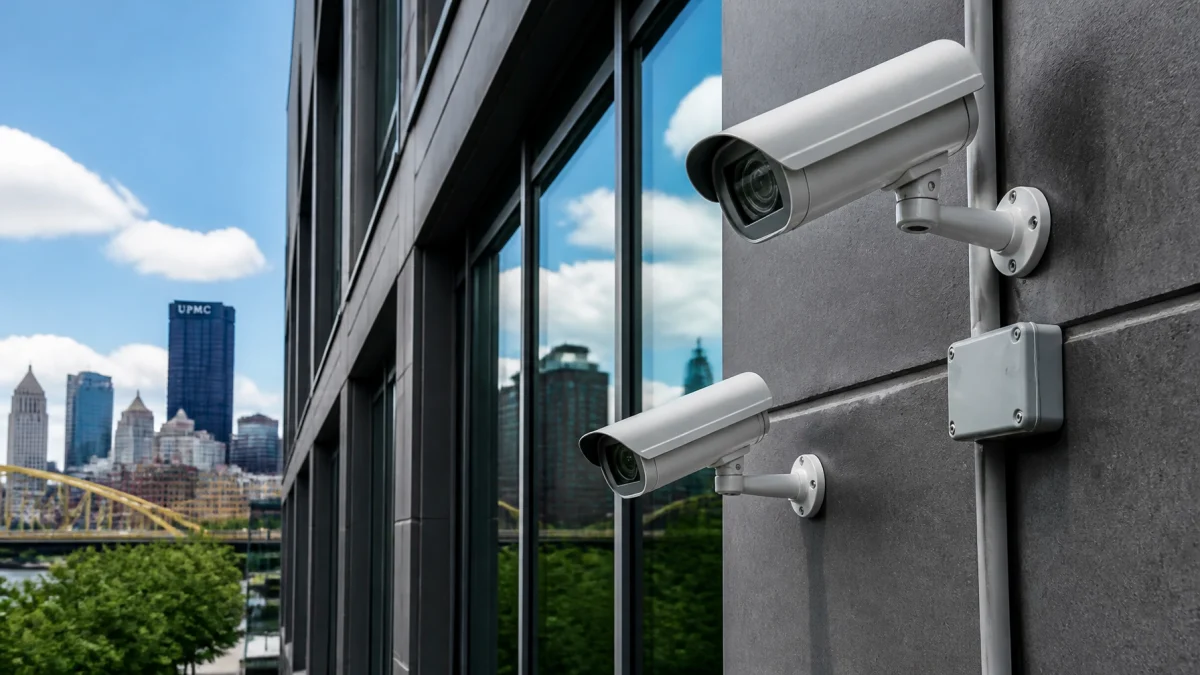
Camera Placement Strategy: We position cameras to maximize security coverage while respecting privacy expectations. Cameras cover entrances, exits, common areas, and high-value asset locations without pointing into restrooms, private offices, or break rooms.
Audio Configuration: All systems are configured with audio recording disabled unless a client has a specific, legally compliant reason to enable it and has obtained proper legal counsel.
Signage and Disclosure: We help businesses implement appropriate signage that informs people about video surveillance. While this doesn’t satisfy audio recording consent requirements, it’s still good practice for video monitoring.
Documentation Support: We provide clients with documentation of their system configuration, including confirmation that audio recording is disabled, which can be valuable if questions ever arise.
Regular Compliance Checks: Security technology evolves, and so do legal requirements. We work with businesses to ensure their systems remain compliant as they expand or upgrade.
If your current security system has been recording audio, you need to take immediate action.
First, disable the audio recording feature on all cameras. This should be your priority before anything else. Most modern systems allow you to disable audio independently from video, so you can maintain your visual security while eliminating legal exposure.
Second, consult with a Pennsylvania attorney familiar with privacy law. They can advise you on any potential liability from past recordings and help you implement proper policies moving forward.
Third, review your video retention and deletion policies. Don’t destroy recordings that might be relevant to pending legal matters, but establish clear guidelines for how long footage is kept and when it’s permanently deleted.

“Can I record audio if I post signs?” No. Signage alone doesn’t constitute the all-party consent required by Pennsylvania law.
“What if audio recording is just a backup feature I never use?” The act of recording is what violates the law, not whether you actually listen to or use the recordings.
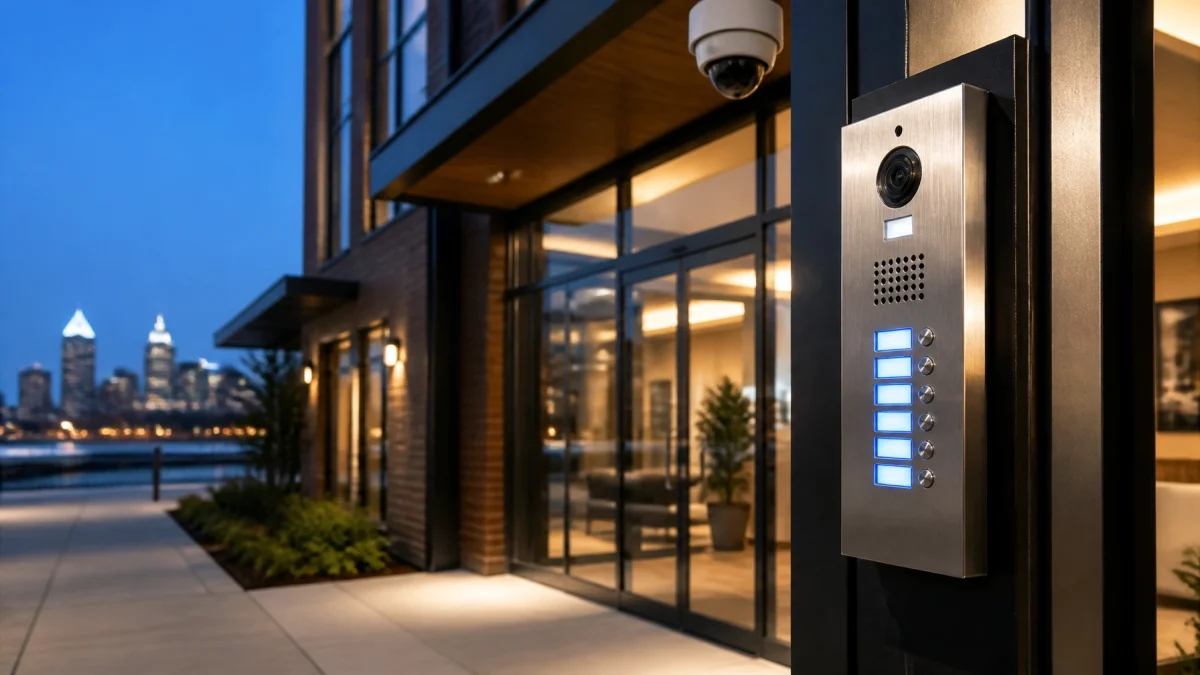
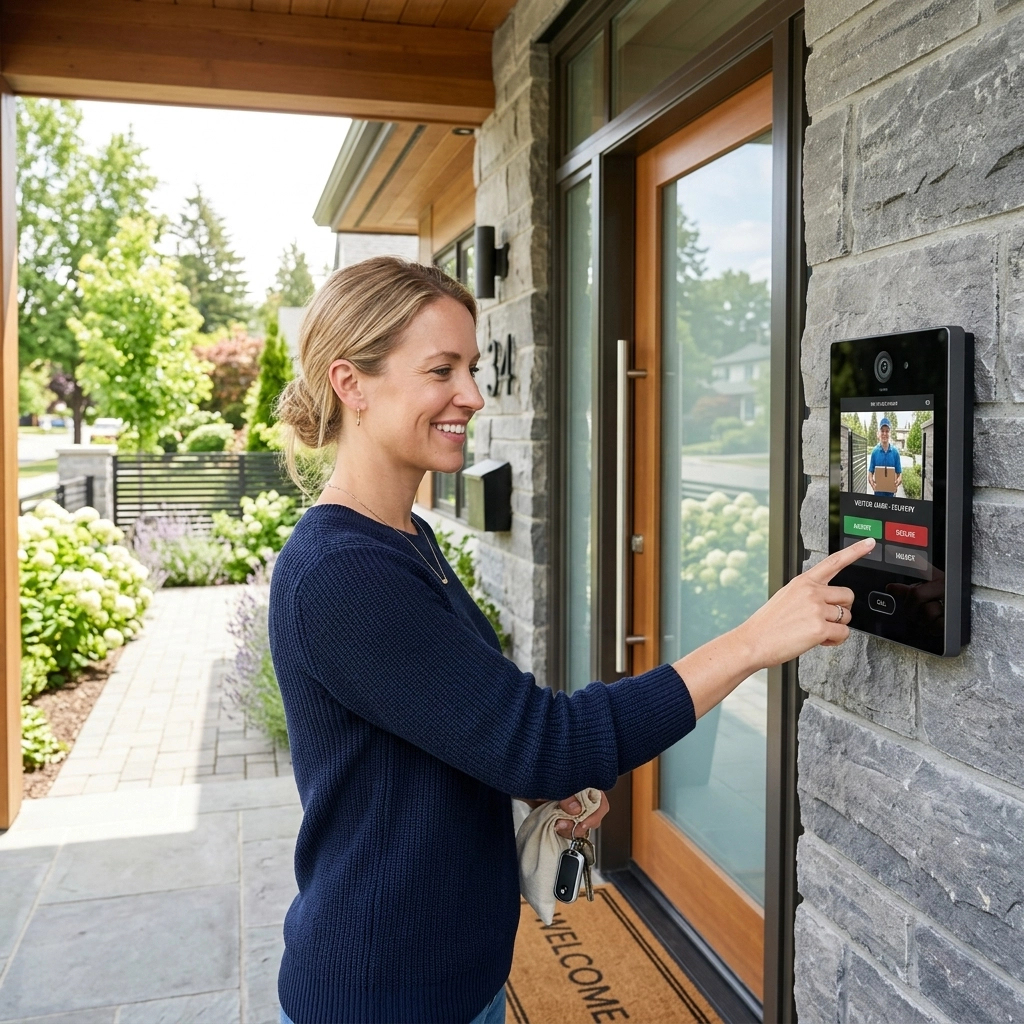
“Do video doorbells and intercoms count?” Yes. Any device that records audio of conversations is subject to Pennsylvania’s two-party consent law.
“What about recording for employee training purposes?” Unless you’ve obtained explicit written consent from all employees and clearly identified when recording is active, this likely violates the law.
“Can I record in my parking lot or outside my building?” Video recording is generally fine. Audio recording conversations: even in outdoor areas: requires consent.
Pennsylvania’s two-party consent law isn’t going anywhere, and the penalties for violation are severe enough that they can threaten your business’s future. But staying compliant doesn’t mean sacrificing security.
Video surveillance provides the documentation and deterrent effect businesses need without the legal complications of audio recording. When properly designed and configured, a compliant security system delivers complete protection while respecting Pennsylvania’s privacy requirements.
If you’re not certain whether your current security system is legally compliant, or if you’re planning a new installation, TN Security can help. We design security systems Pittsburgh PA businesses trust: systems that protect your assets, your employees, and your legal standing.
Contact TN Security Pittsburgh today at 412-967-0467 or visit us at 3287 Library Road, Pittsburgh, PA 15234. You can also reach our team at sales@teamnutztechnology.com. Let’s make sure your security system is protecting your business without putting it at risk.