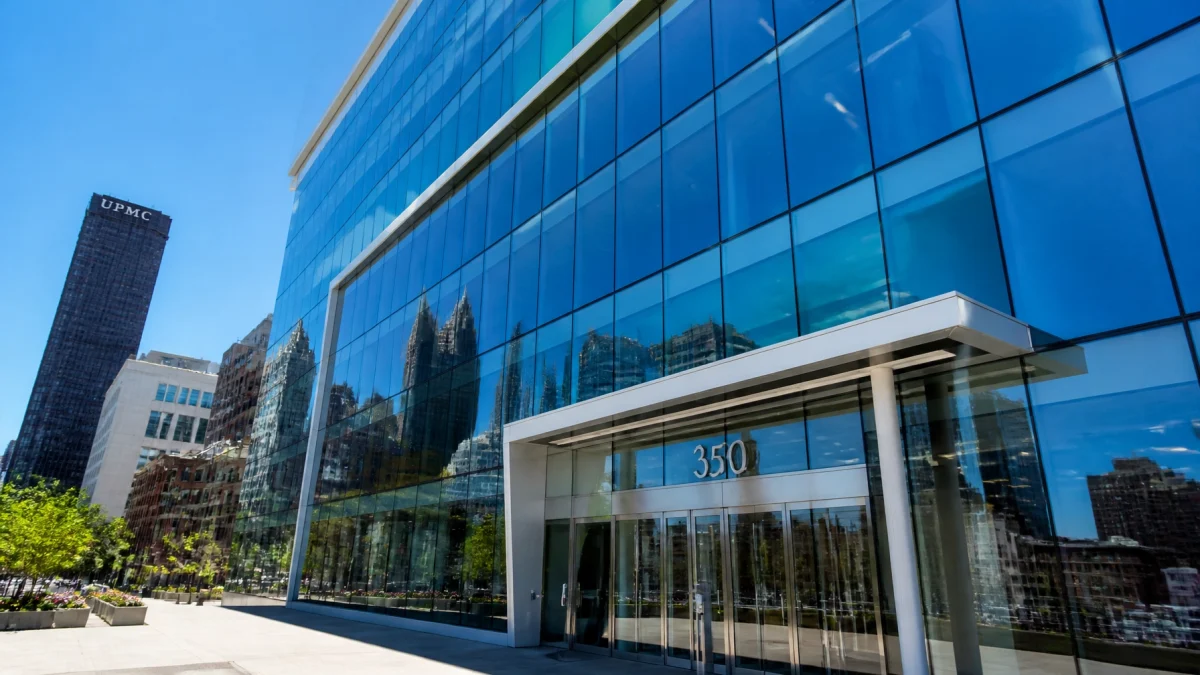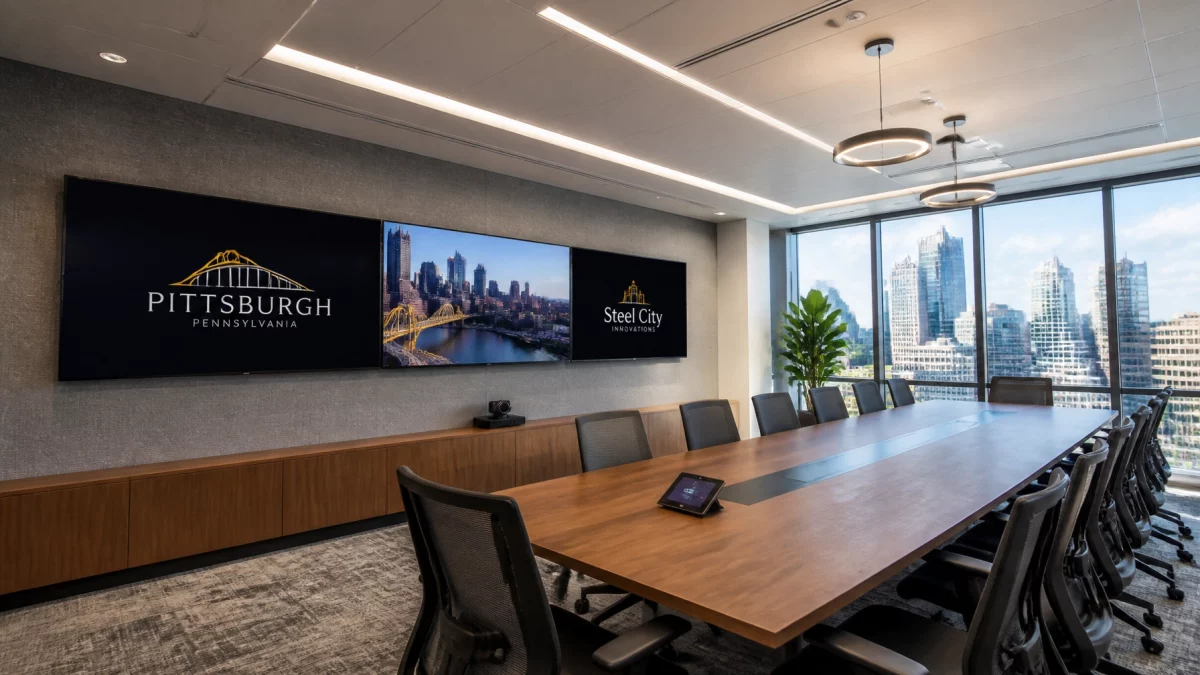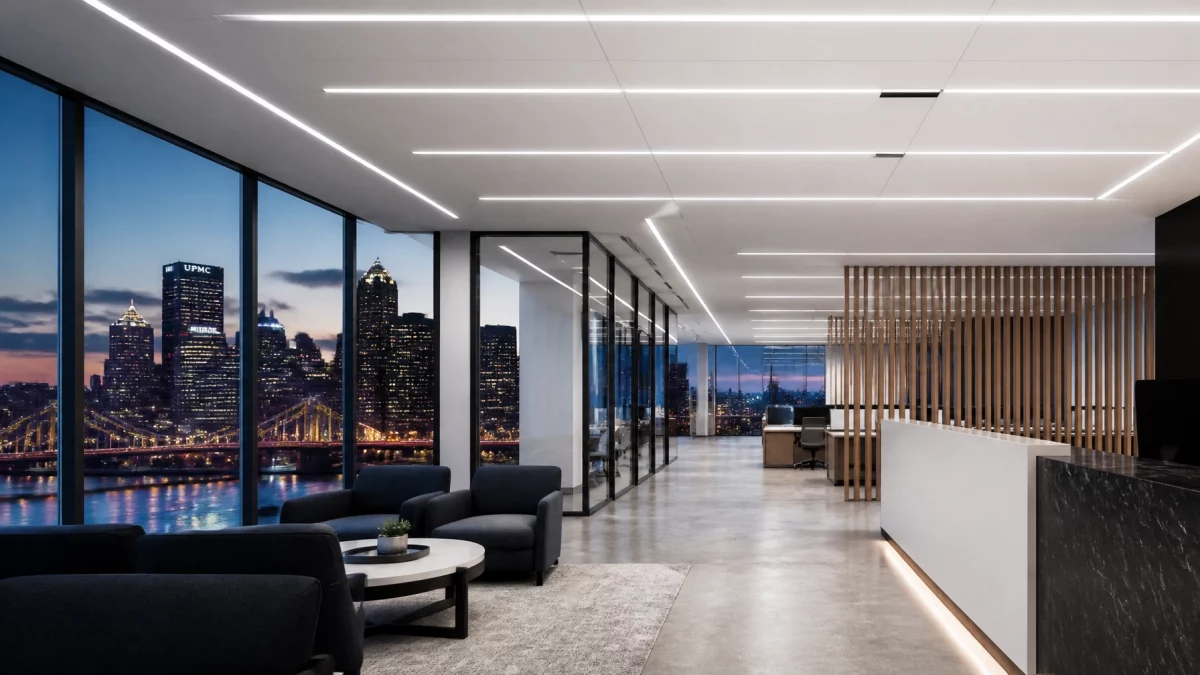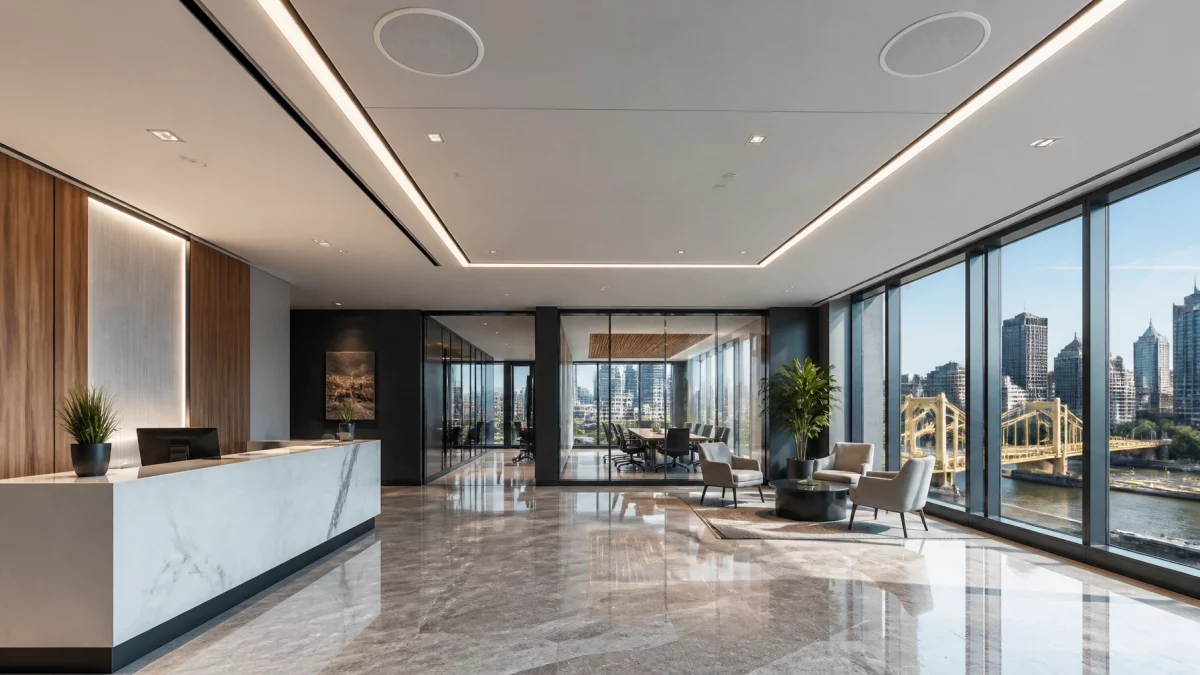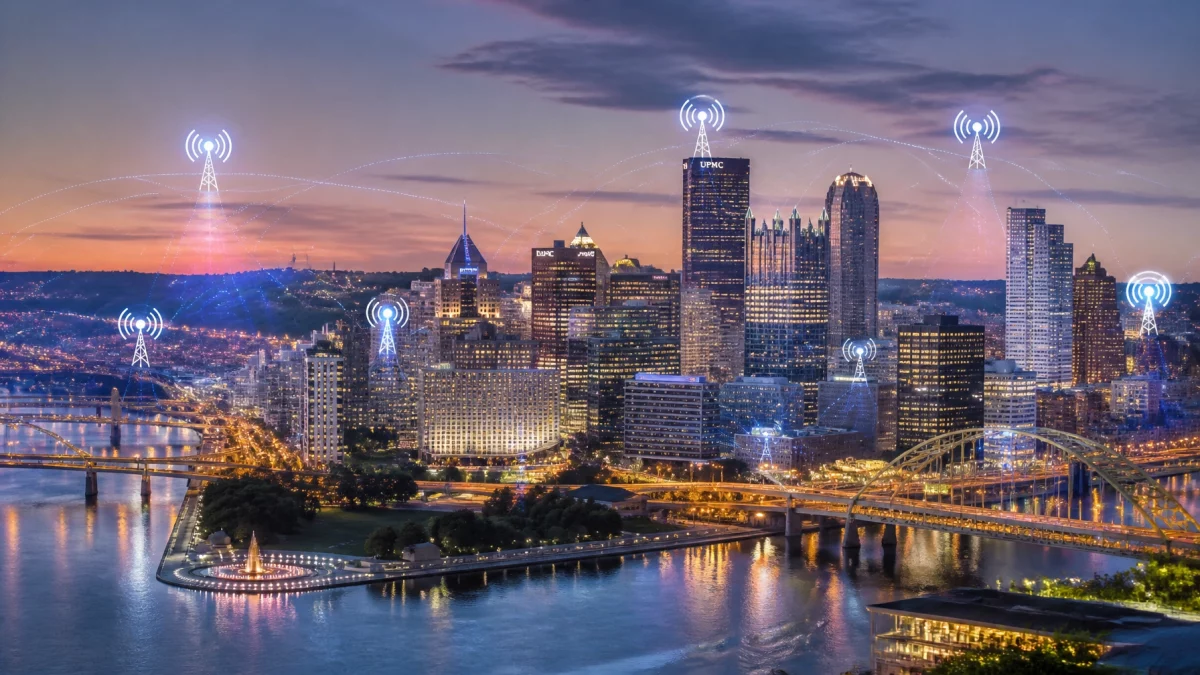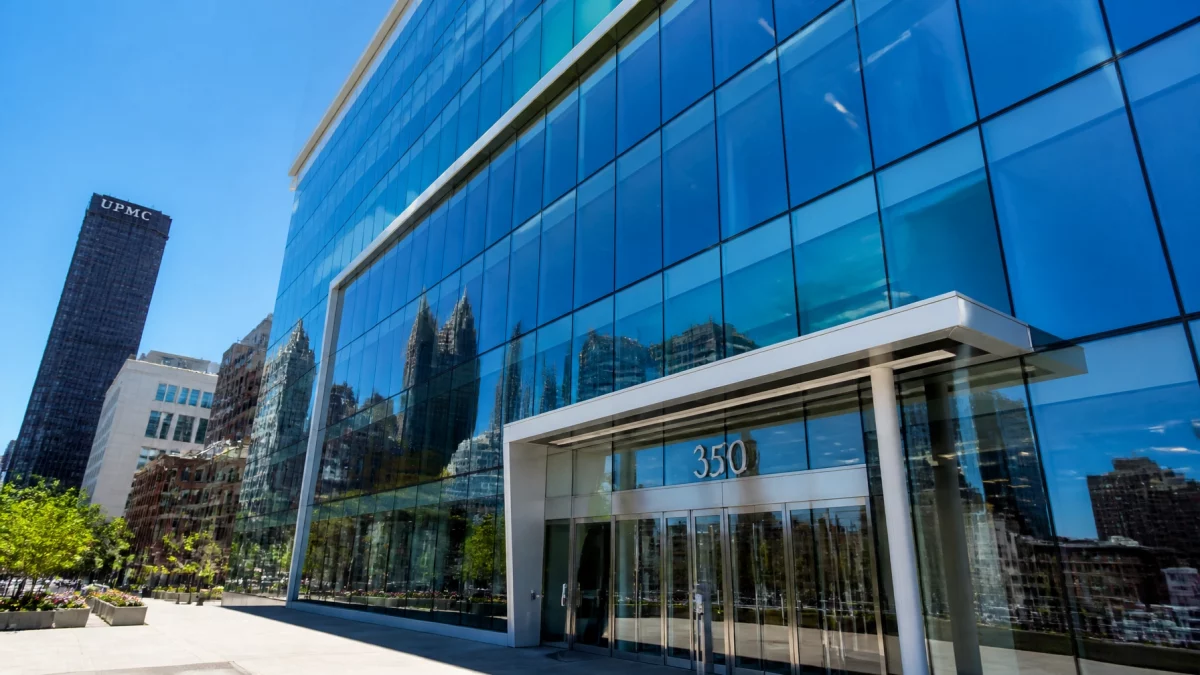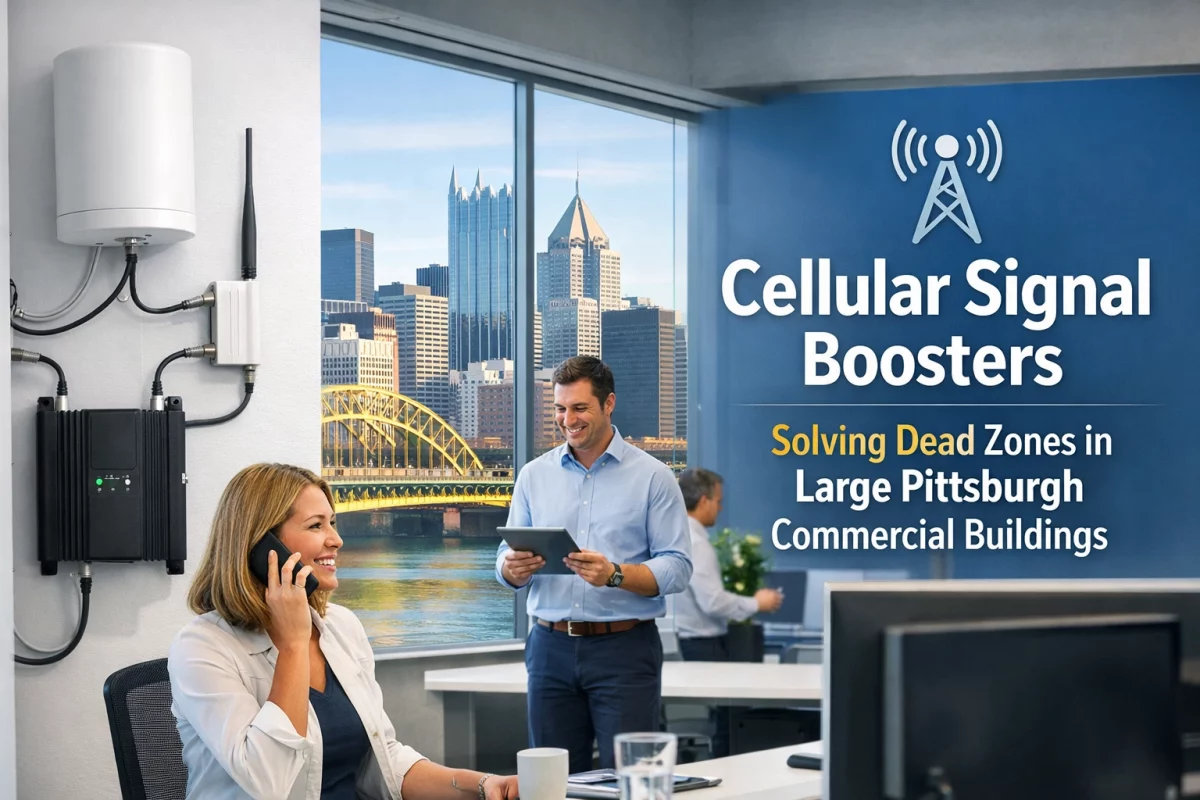
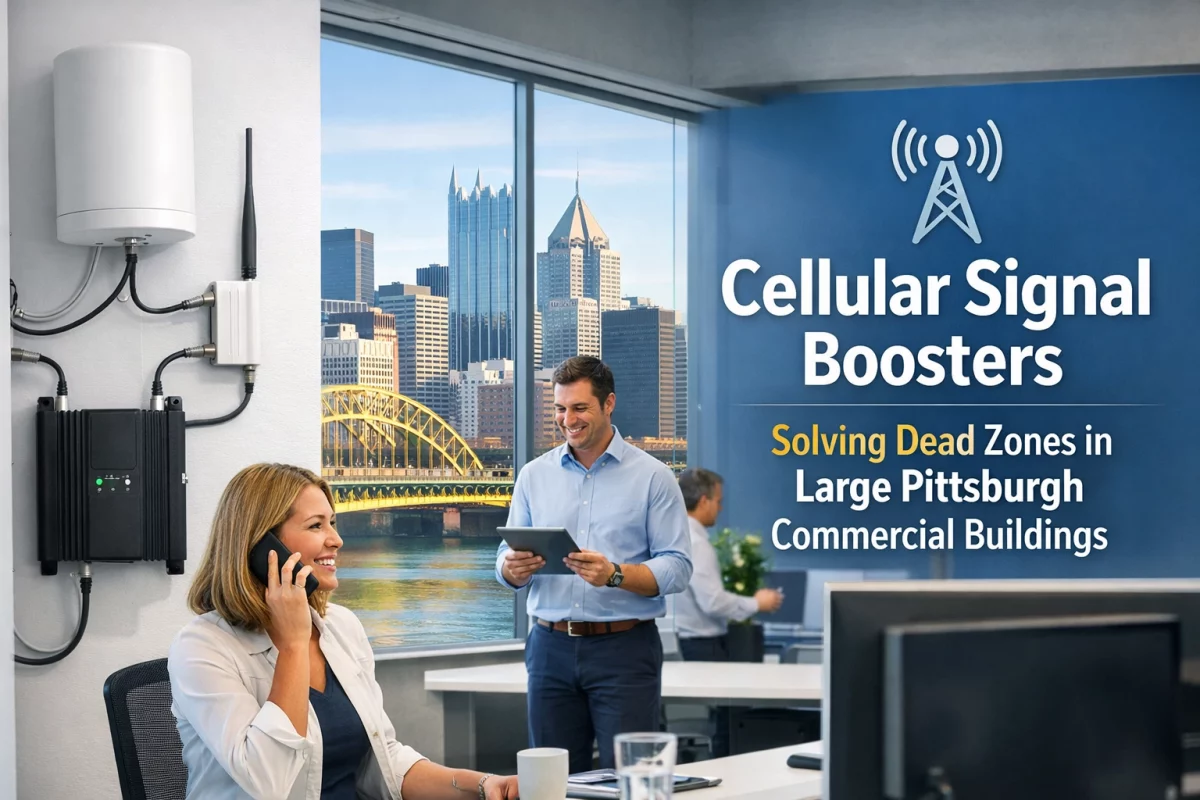
Large commercial buildings throughout Pittsburgh experience significant cellular signal degradation. Steel-frame construction and reinforced concrete structures create physical barriers to radio frequency transmission.
PRIMARY SIGNAL INTERFERENCE FACTORS:
The cellular signal booster system addresses these coverage deficiencies through amplification and redistribution of external carrier signals.

BUSINESS CONTINUITY DEPENDENCIES:
Cellular connectivity is not optional for commercial operations. Voice communication, mobile data access, point-of-sale transaction processing, and emergency response protocols require consistent signal availability across all facility zones.
SAFETY AND COMPLIANCE CONSIDERATIONS:
Dead zones create liability exposure. Employees unable to communicate during emergencies. Clients experiencing transaction failures. Security personnel operating without mobile connectivity.
COMPONENT SPECIFICATIONS:
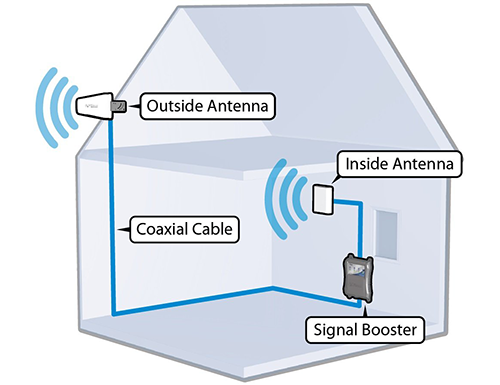
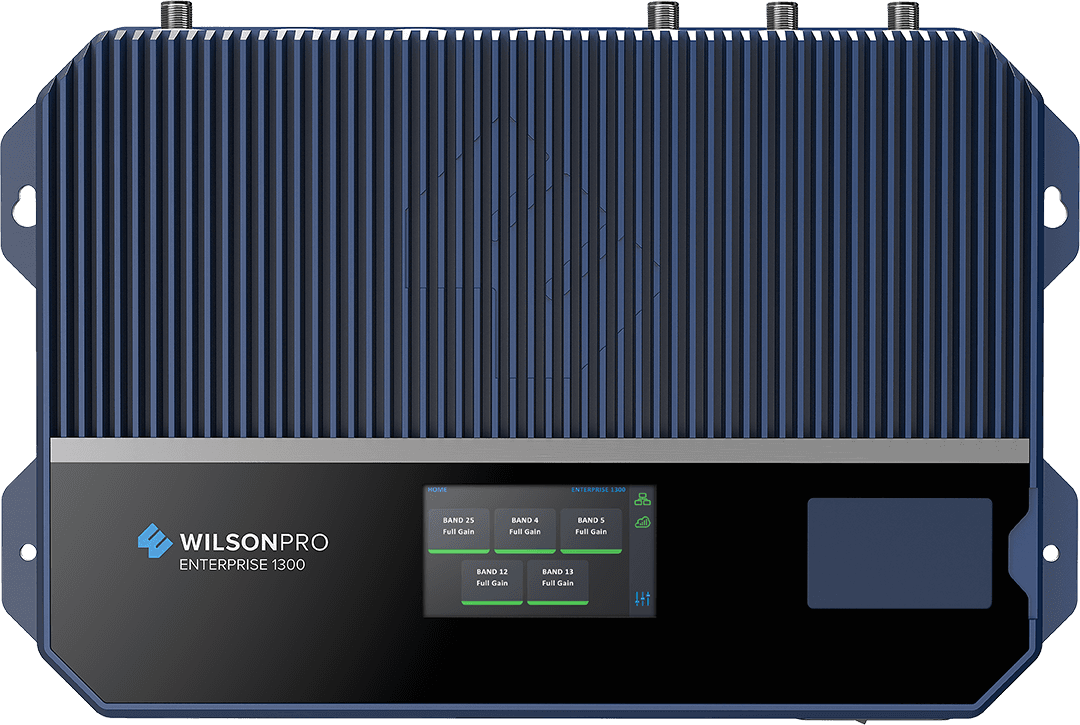
The commercial cellular amplification system consists of four primary elements operating in coordination to provide facility-wide coverage.
EXTERIOR ANTENNA ASSEMBLY:
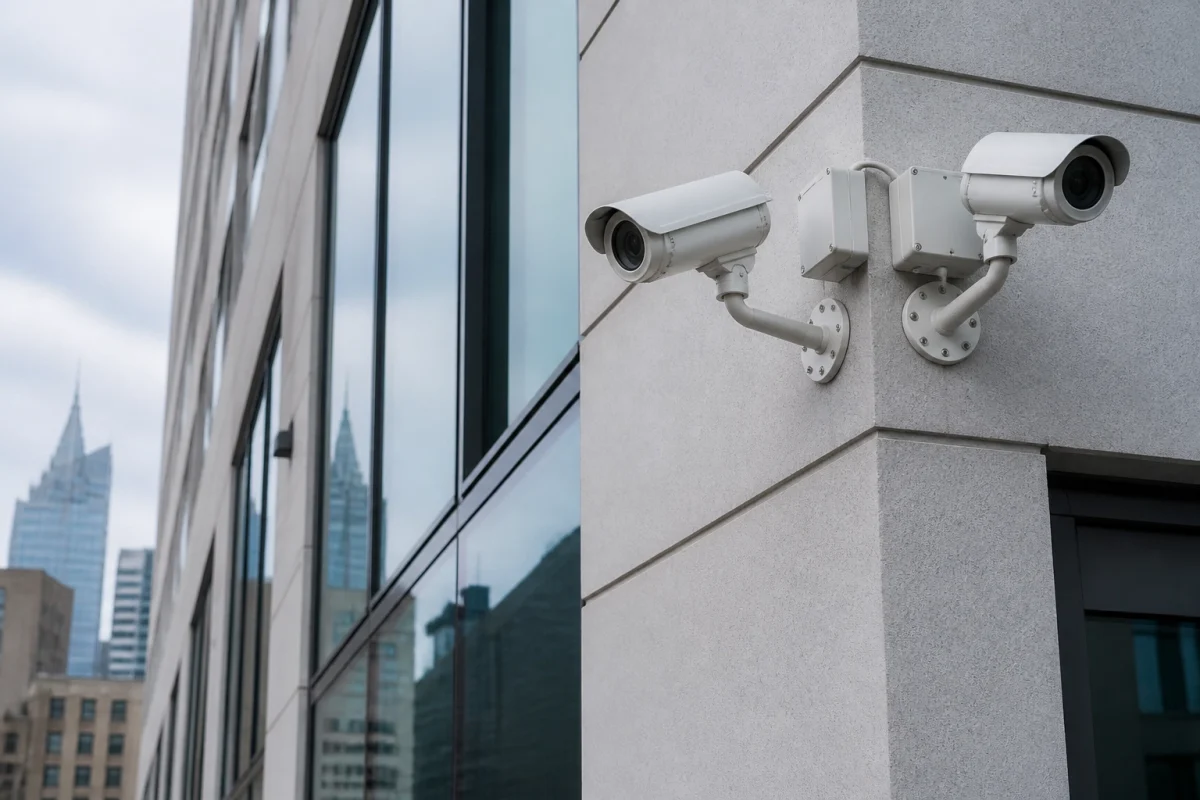
Directional antenna unit mounted to facility roof structure. Captures strongest available signal from nearest cellular tower infrastructure. Yagi or panel antenna configuration depending on tower distance and signal strength measurements.
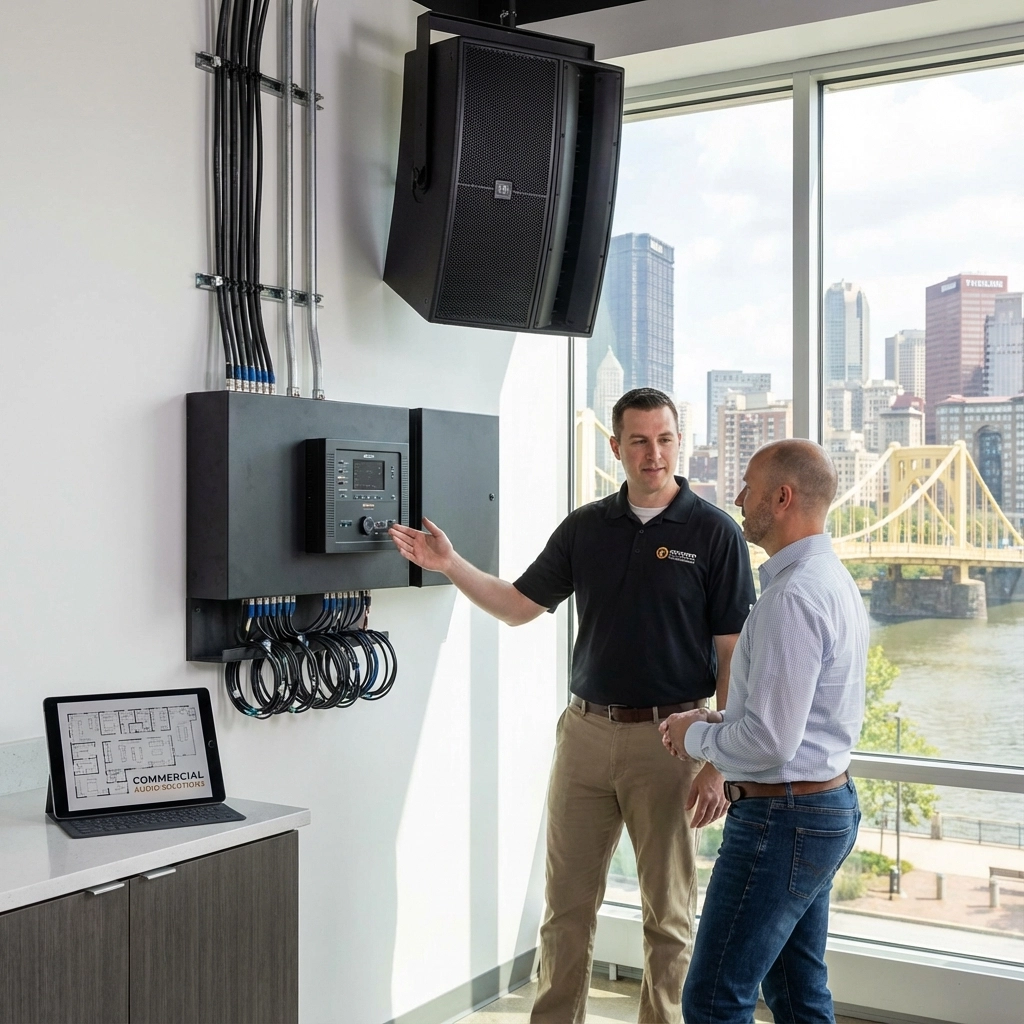
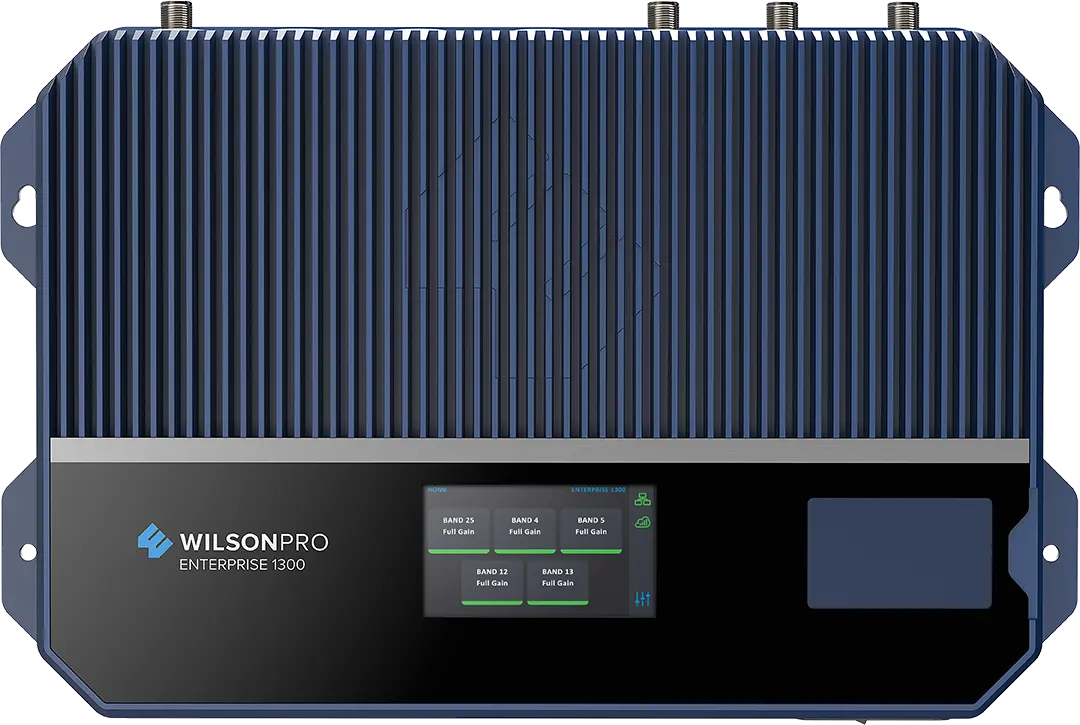
AMPLIFIER UNIT:
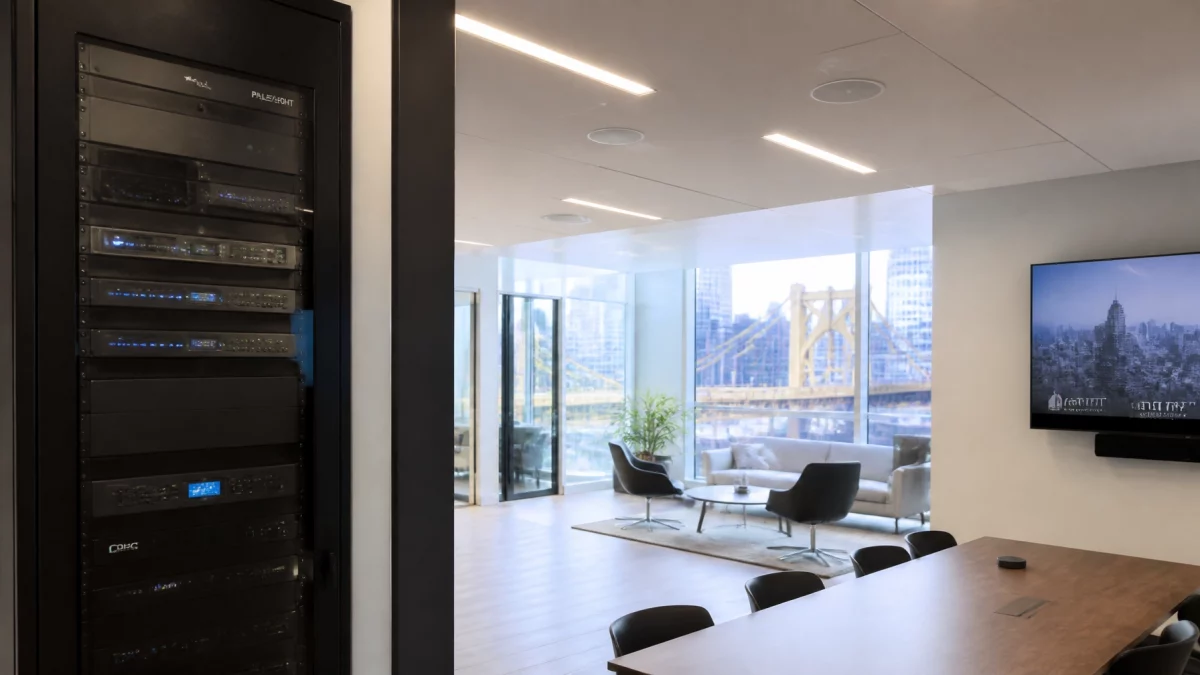
Booster device installed within facility mechanical room or designated equipment space. Amplifies captured signal strength by 60-70 decibels. Processes signals across all carrier frequencies simultaneously: Verizon, AT&T, T-Mobile, US Cellular.
DISTRIBUTION INFRASTRUCTURE:
Low-loss coaxial RF cabling system. Connects amplifier to interior antenna network. Professional-grade RG-11 or equivalent specification cable minimizes signal degradation during transmission.
INTERIOR ANTENNA NETWORK:
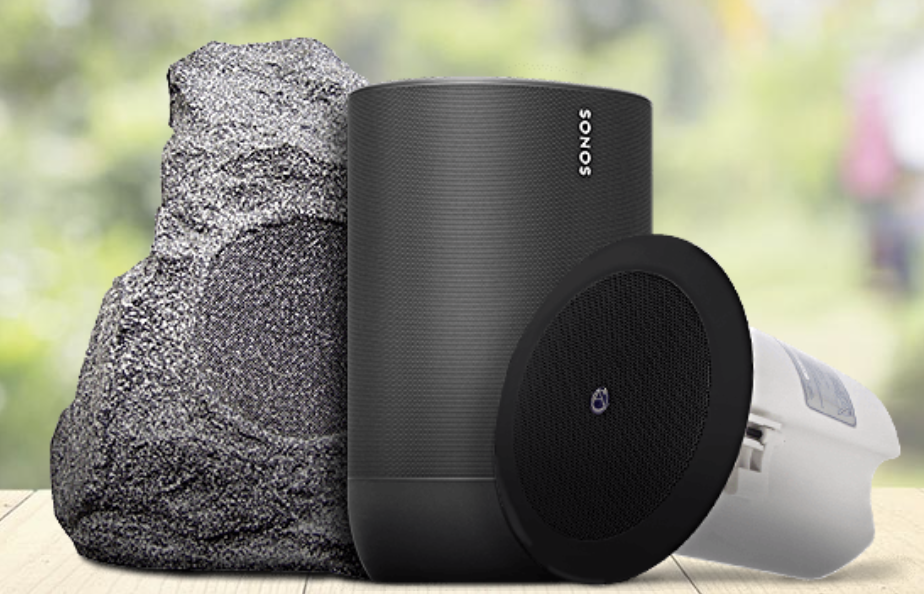
Dome or panel antennas distributed throughout facility. Broadcasts amplified signal to all coverage zones. Antenna quantity and placement determined by facility square footage and construction materials.

FREQUENCY BANDS SUPPORTED:
COVERAGE CAPACITY BY FACILITY SIZE:
| FACILITY SQUARE FOOTAGE | SYSTEM CLASSIFICATION | APPROXIMATE COST RANGE |
|---|---|---|
| 5,000 – 35,000 sq ft | Single booster unit | $3,500 – $8,000 |
| 35,000 – 100,000 sq ft | Multi-booster system | $12,000 – $25,000 |
| 100,000+ sq ft | Distributed Antenna System (DAS) | $30,000 – $150,000+ |
CARRIER COMPATIBILITY:
All major US carriers supported simultaneously. No carrier-specific equipment required. Signal amplification occurs across all frequency bands regardless of service provider.
Pittsburgh commercial real estate presents unique signal penetration obstacles. Historic steel mill buildings converted to office space. Modern LEED-certified construction with extensive insulation barriers. Underground facilities in hillside terrain.
BUILDING TYPES REQUIRING CELLULAR AMPLIFICATION:
Steel and concrete construction materials common throughout Pittsburgh commercial inventory create signal attenuation of 20-30 decibels per floor.

PRE-INSTALLATION REQUIREMENTS:
TN Security conducts comprehensive signal mapping using spectrum analyzer equipment. Identifies nearest cellular tower locations. Measures existing signal strength at facility perimeter and interior zones.
SITE SURVEY DELIVERABLES:
INSTALLATION PROCESS:
Roof-mounted exterior antenna installation with proper weatherproofing and structural mounting. Amplifier unit installation in designated equipment space with proper electrical connection. RF cabling distribution throughout facility using existing conduit infrastructure where available. Interior antenna installation at calculated spacing intervals. System testing and signal verification across all coverage zones.
REGULATORY COMPLIANCE:
All cellular signal booster systems must comply with FCC Part 20 regulations. Professional installation ensures compliance with output power limitations and interference prevention requirements.
ONGOING OPERATIONAL REQUIREMENTS:
Cellular signal booster systems require minimal maintenance once professionally installed. Periodic signal strength testing recommended annually. Amplifier unit inspection for proper operation. Exterior antenna inspection following severe weather events.
WARRANTY AND SUPPORT:
Commercial-grade equipment includes manufacturer warranty coverage. Professional installation warranty covers workmanship and component failure. Technical support available for system optimization and troubleshooting.

QUANTIFIABLE BENEFITS:
Employee productivity improvement through consistent mobile communication access. Customer experience enhancement eliminating transaction failures. Liability reduction through emergency communication availability. Asset protection via mobile security system connectivity. Building management efficiency through IoT device connectivity.
RETURN ON INVESTMENT CALCULATION:
Consider cost of employee time lost to connectivity issues. Calculate revenue impact of failed customer transactions. Evaluate insurance premium reductions from improved safety communication. Assess property value increase from enhanced infrastructure.
Single connectivity failure costing one lost commercial transaction may justify entire system investment.
WIFI CALLING INSUFFICIENCY:
WiFi calling requires existing internet infrastructure and depends on WiFi network availability. Does not function during internet service interruptions. Requires employee device configuration. Not compatible with all legacy devices.
FEMTOCELL LIMITATIONS:
Carrier-specific equipment required for each service provider. Depends on internet connectivity. Supports limited simultaneous users. Not suitable for multi-carrier facility requirements.
Cellular signal booster systems operate independently of internet infrastructure and support all carriers simultaneously without configuration requirements.
TN Security provides professional cellular signal booster installation throughout Pittsburgh commercial facilities. Certified installation technicians. FCC-compliant system design. Comprehensive site assessment and signal mapping.
CONTACT INFORMATION:
TN Security Pittsburgh
3287 Library Road
Pittsburgh, PA 15234
Phone: 412-967-0467
Email: sales@teamnutztechnology.com
Schedule facility assessment to evaluate cellular coverage requirements and receive system specifications. Professional installation ensures optimal performance and regulatory compliance across all facility zones.
For comprehensive security and communication infrastructure solutions, visit TN Security to review complete service offerings for Pittsburgh commercial facilities.