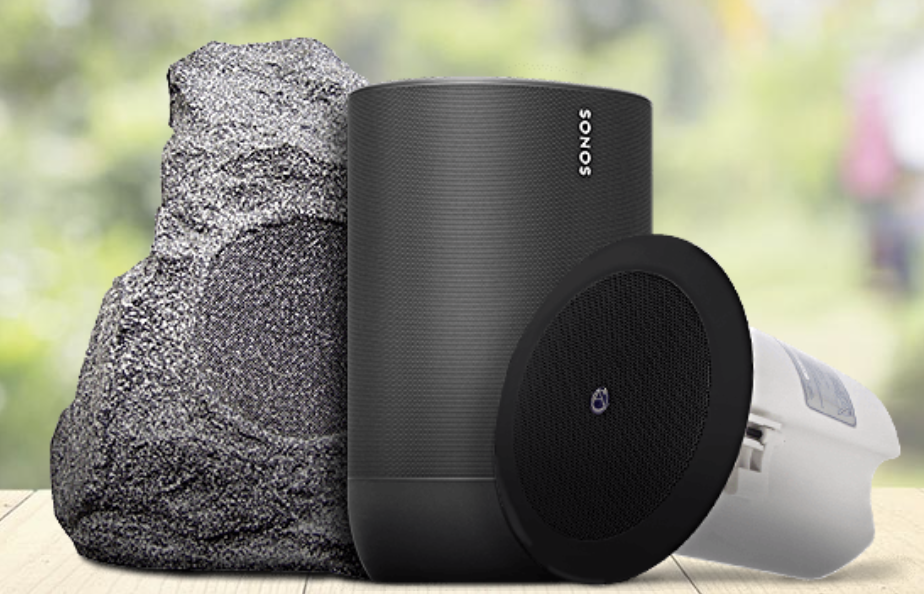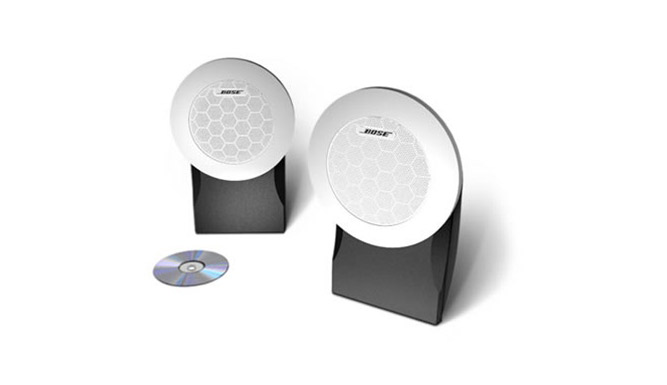

PORTABLE CONSUMER SPEAKERS OPERATE UNDER SIGNIFICANT POWER CONSTRAINTS. Internal battery systems limit total wattage output. Resulting sound pressure levels (SPL) are insufficient for large outdoor commercial areas. High-frequency loss occurs within a short radius. Low-frequency response is non-existent due to small driver size.
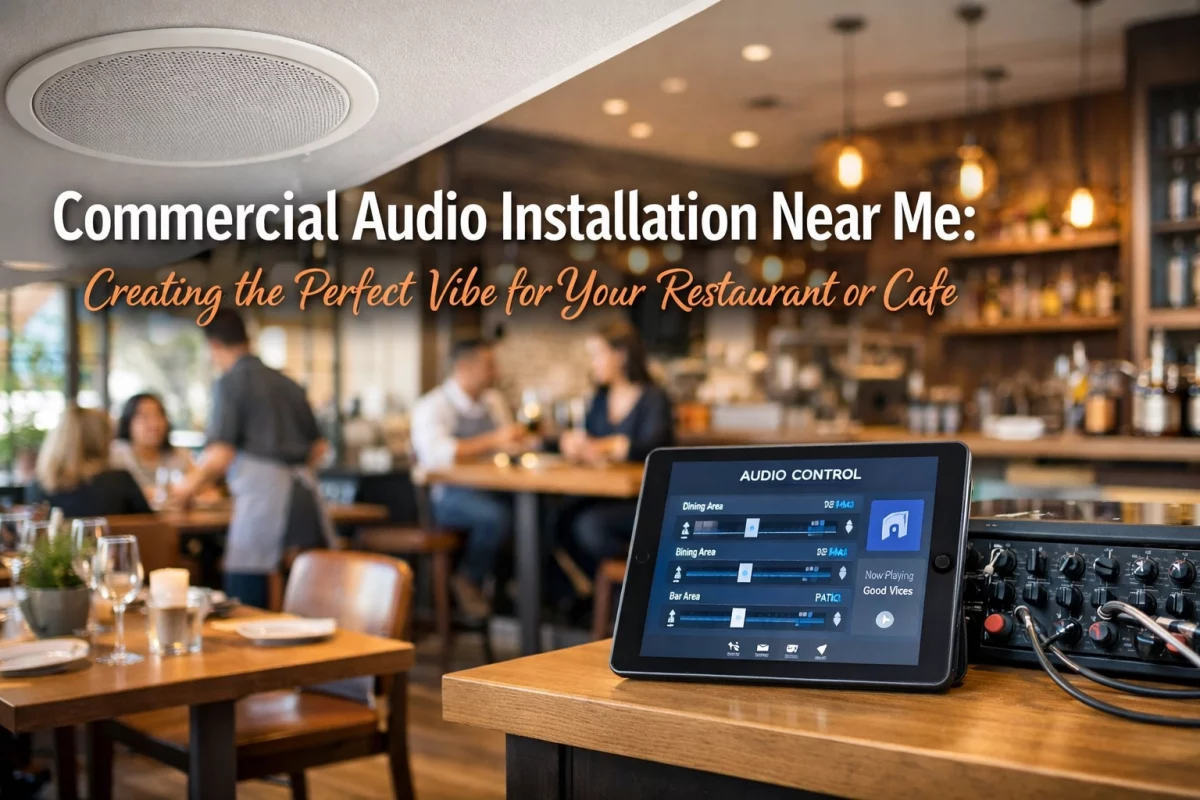
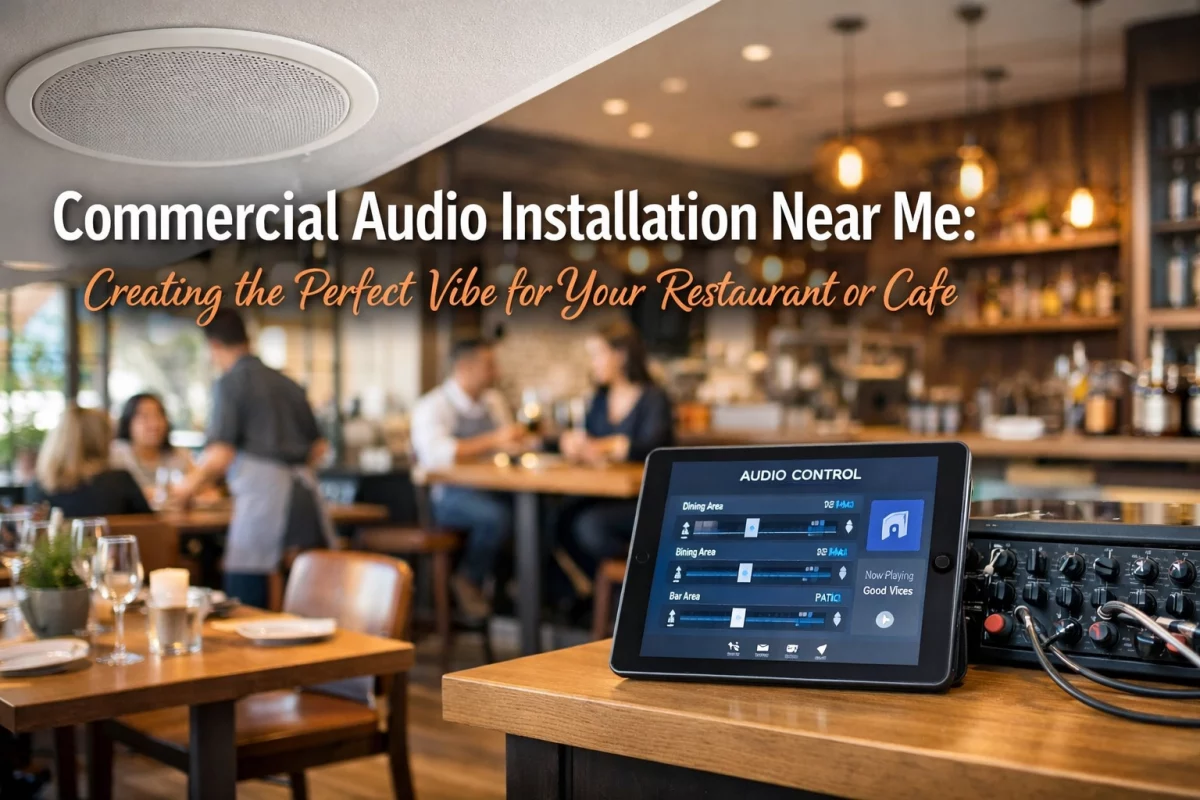
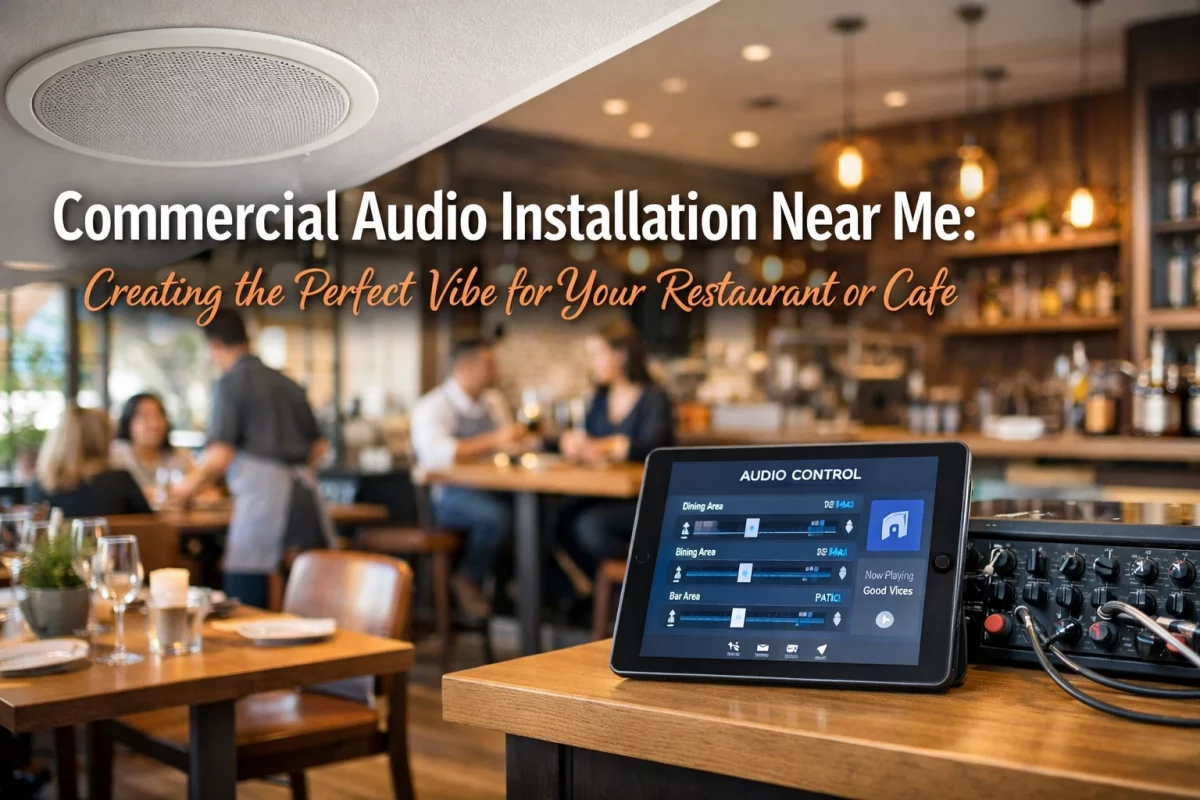
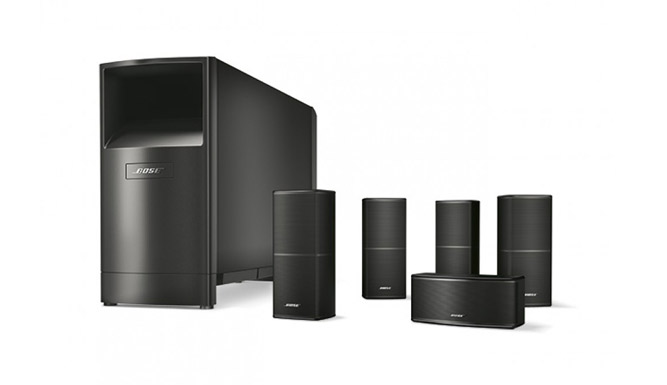
FIXED COMMERCIAL SYSTEMS UTILIZE HIGH-VOLTAGE 70V OR 100V AMPLIFICATION. This configuration allows for long cable runs without signal degradation. Professional drivers feature larger magnets and voice coils. Output remains consistent across the entire frequency spectrum (20Hz – 20kHz). FIXED INSTALLATIONS INCLUDE SUBWOOFERS. Low-frequency elements are directed through dedicated outdoor enclosures. These are often subterranean. This provides a full-bodied sound profile that portable units cannot replicate.

SINGLE-POINT AUDIO SOURCES CREATE HARMFUL HOTSPOTS. A portable speaker necessitates high volume for distant listeners. This creates excessive decibel levels for subjects in proximity to the device. This leads to auditory fatigue. It disrupts commercial operations and customer communication.
DISTRIBUTED AUDIO ARCHITECTURE ELIMINATES HOTSPOTS. Multiple speakers are strategically placed across the property. TN Security calculates optimal placement for even sound dispersion. Listeners experience consistent volume levels regardless of location.

CONSUMER PORTABLE DEVICES LACK PERMANENT WEATHERPROOFING. Most carry IPX4 or IPX5 ratings. These are insufficient for year-round exposure. UV radiation degrades plastic components. Thermal expansion causes internal seal failure. Constant relocation increases risk of mechanical damage and theft.
COMMERCIAL OUTDOOR SPEAKERS ADHERE TO RIGID IP66 OR IP67 STANDARDS. Enclosures utilize high-impact ABS or polypropylene with UV inhibitors. Grilles are constructed from powder-coated aluminum or stainless steel. These materials resist oxidation and corrosion in Pittsburgh’s varying climate.
PORTABLE SPEAKERS REQUIRE FREQUENT BLUETOOTH PAIRING. Bluetooth technology is prone to signal interference. Range is typically limited to 30 feet. Audio interruptions occur when the host device moves away or receives a notification.
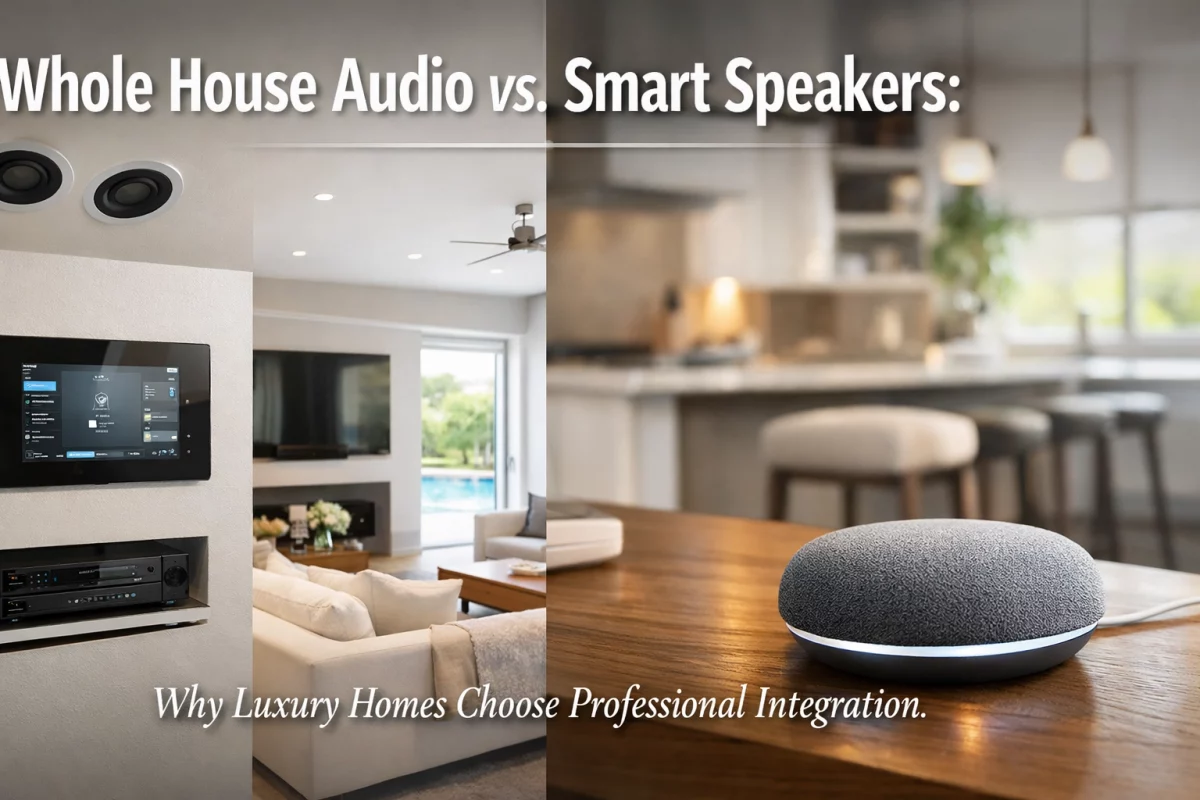
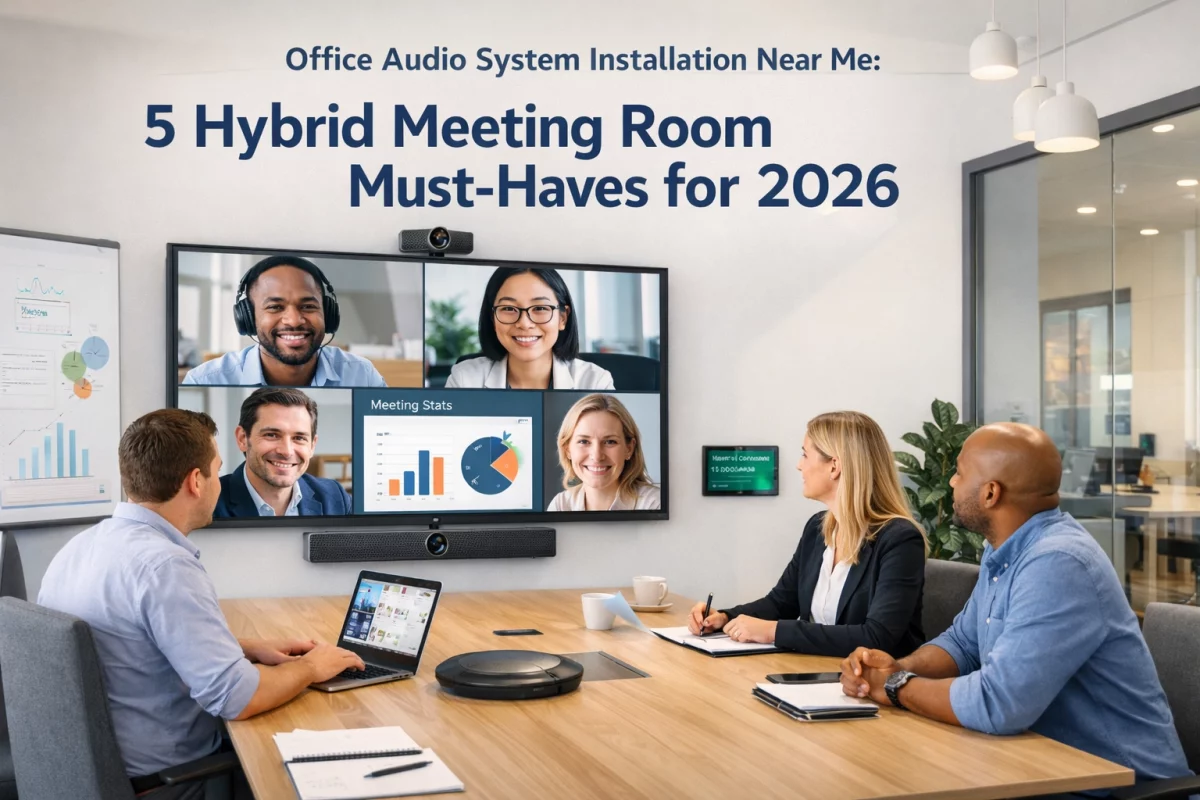
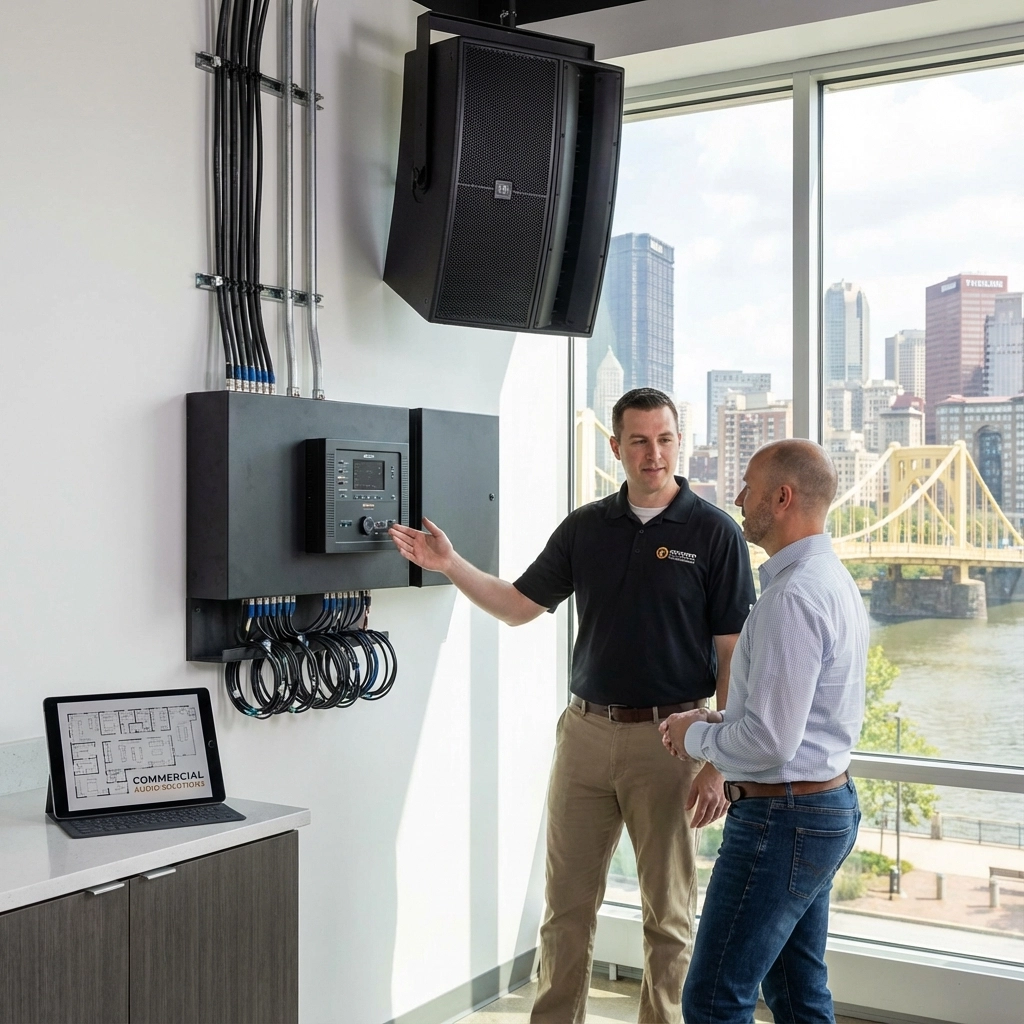
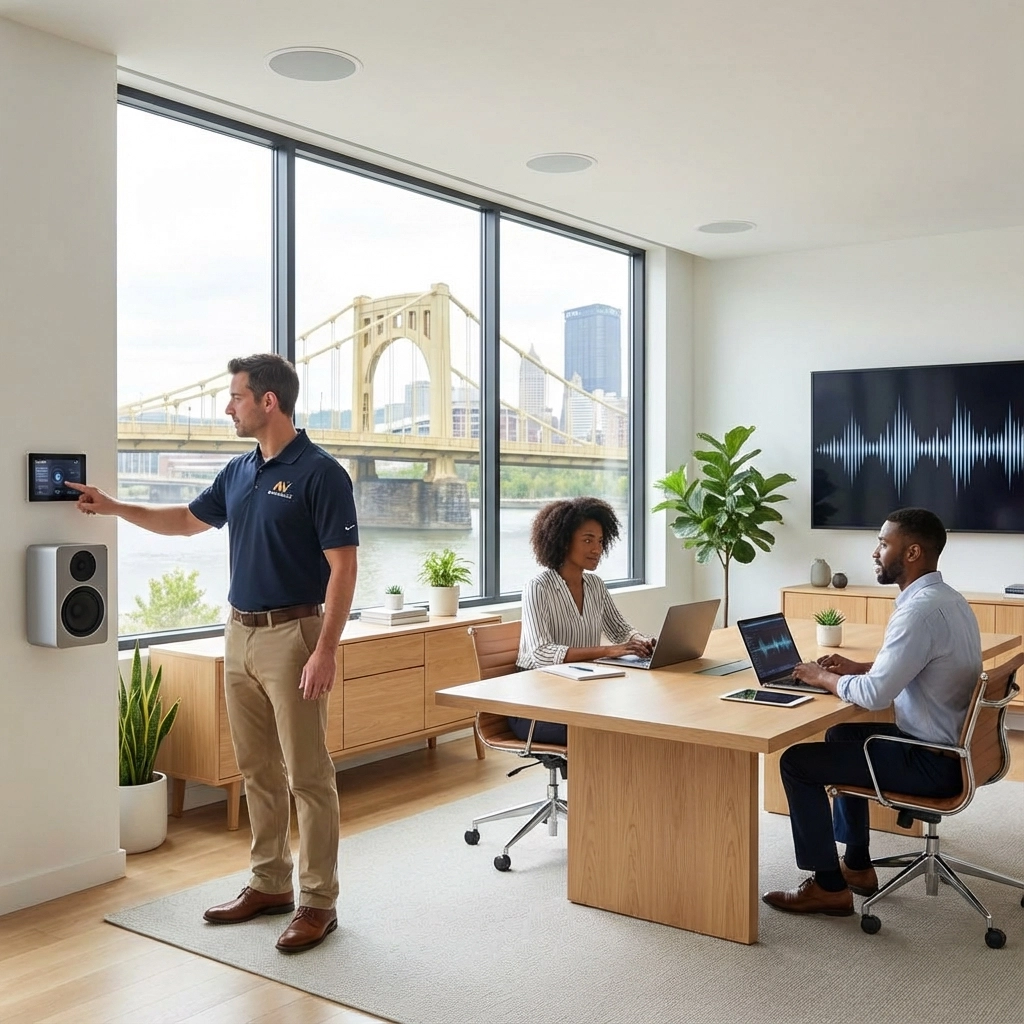
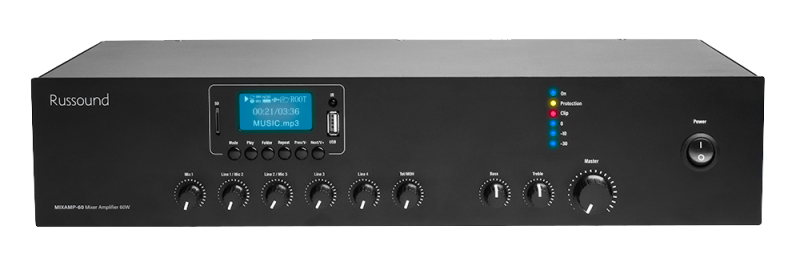
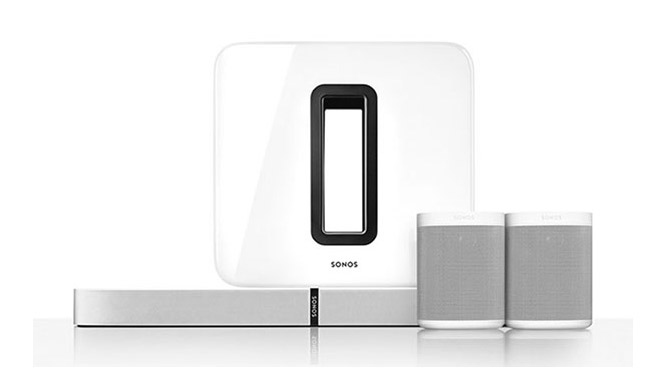
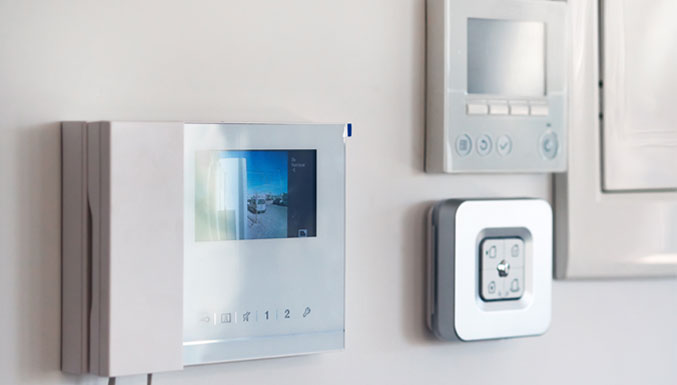
PROFESSIONAL INSTALLATIONS INTEGRATE WITH CENTRALIZED HEAD-END EQUIPMENT. TN Security provides whole house and commercial audio solutions. Systems connect via hardwired inputs. Interfaces include wall-mounted touch panels or secure mobile applications.

COMMERCIAL OPERATIONS MUST ADHERE TO NOISE ORDINANCES. Fixed systems allow for precise volume limiting. This prevents local ordinance violations. Portable speakers are often uncontrolled. This increases the risk of neighbor complaints and municipal fines.
PROFESSIONAL INSTALLATION REDUCES TRIP HAZARDS. Portable speakers utilize temporary charging cables. These are non-compliant with OSHA and commercial safety standards. Fixed wiring is concealed within conduits or subterranean channels. This minimizes liability risks for commercial entities.
| Feature | Portable Speaker | Professional Fixed System |
|---|---|---|
| Durability | Low (1-2 seasons) | High (10+ years) |
| Audio Fidelity | Compressed / Limited | High Definition / Full Range |
| Power Source | Internal Battery (Requires Charging) | Hardwired (Constant Availability) |
| Security | High Theft Risk | Low Theft Risk (Mounted/Bolted) |
| Maintenance | Manual Handling Required | Zero-Touch Operation |

SECURE YOUR COMMERCIAL OUTDOOR SPACE BEFORE THE PEAK SEASON. PORTABLE SOLUTIONS ARE INADEQUATE FOR PROFESSIONAL STANDARDS. CONTACT TN SECURITY FOR A COMPREHENSIVE AUDIO AUDIT.
BUSINESS NAME: TN Security Pittsburgh
OFFICE ADDRESS: 3287 Library Road, Pittsburgh, PA 15234
TELEPHONE: 412-967-0467
EMAIL: sales@teamnutztechnology.com
OPERATING HOURS: Monday – Friday, 09:00 – 17:00 EST
All installations must comply with local zoning and electrical codes. TN Security provides professional grade equipment and certified technicians for all commercial projects. Warranty terms apply to hardware as specified by the manufacturer. Labor warranties are provided by TN Security for a period of 12 months following system commissioning.
END OF DOCUMENT