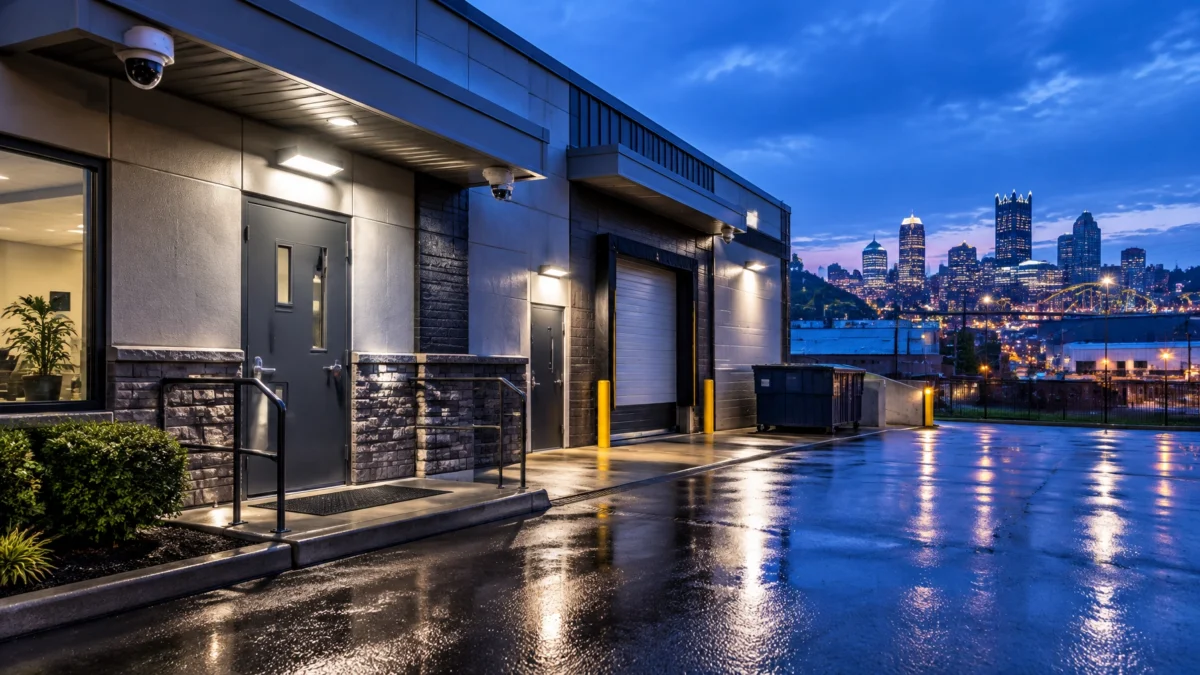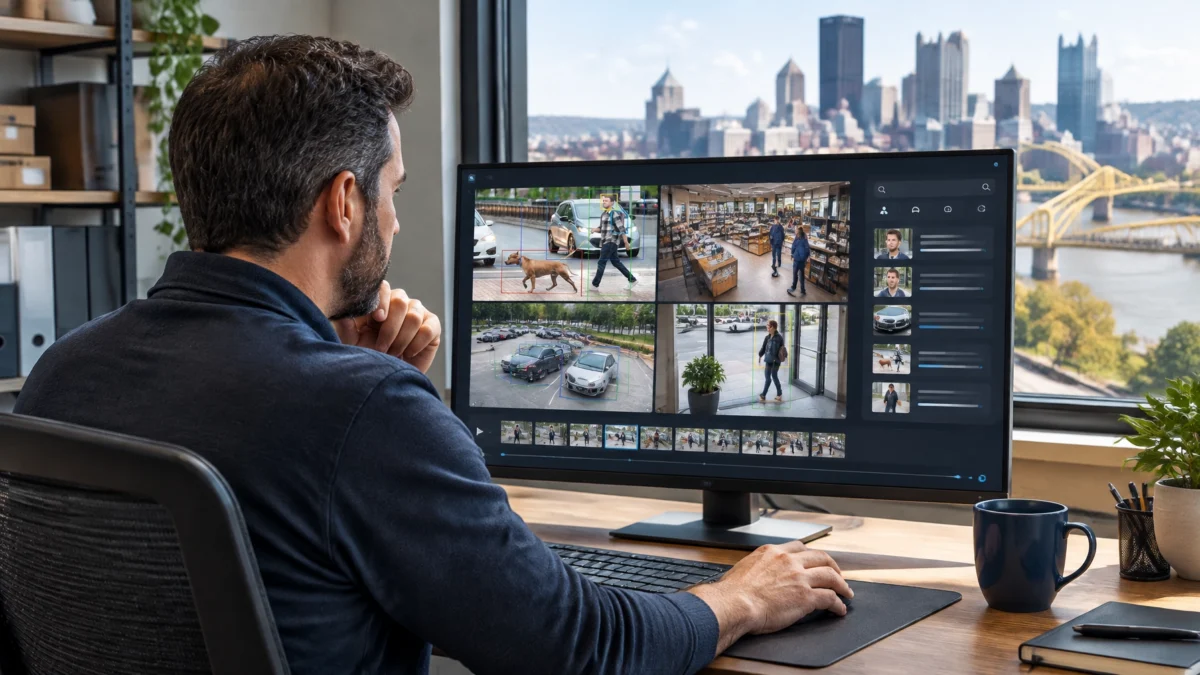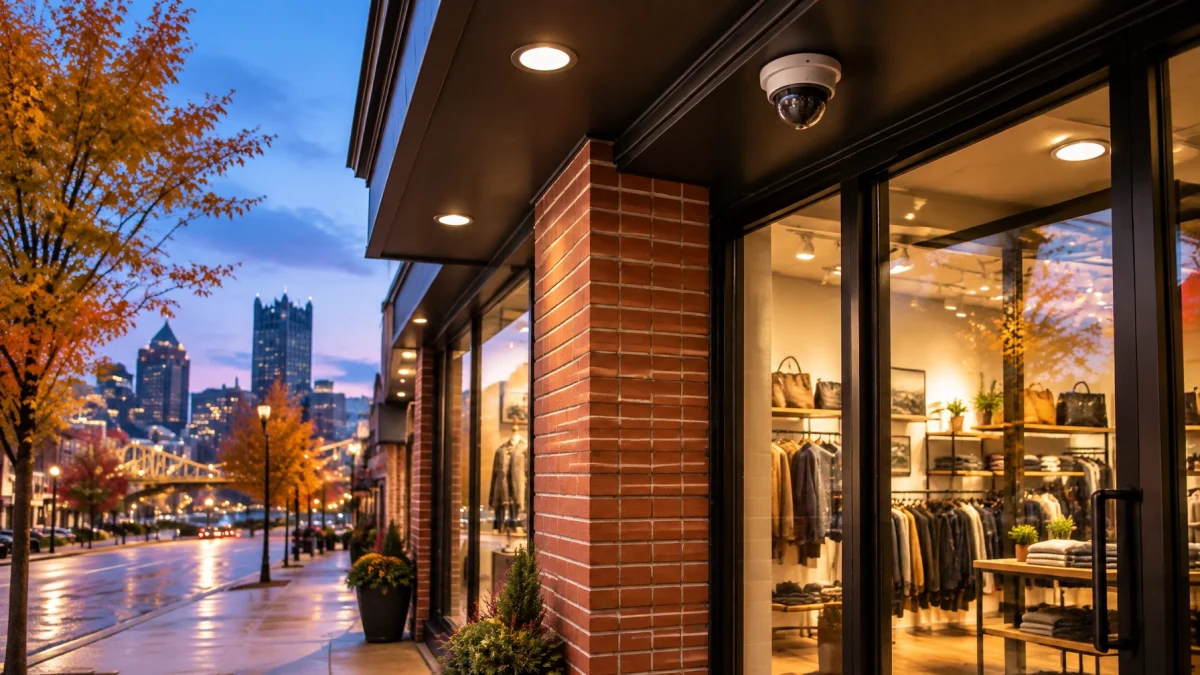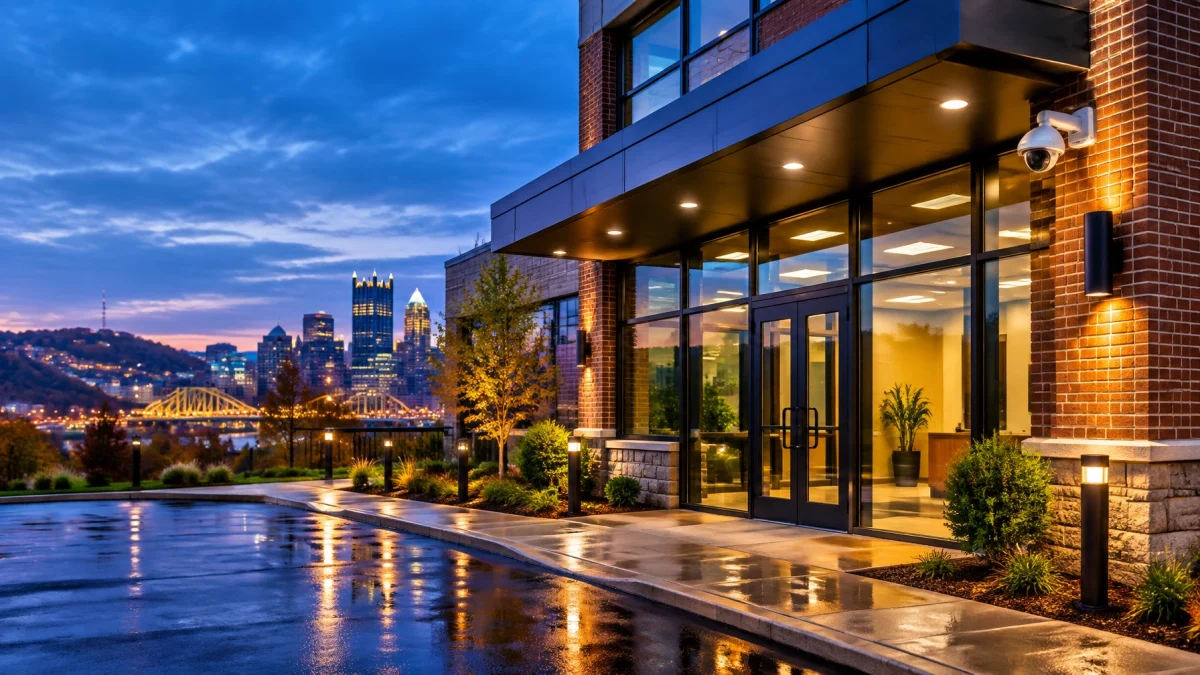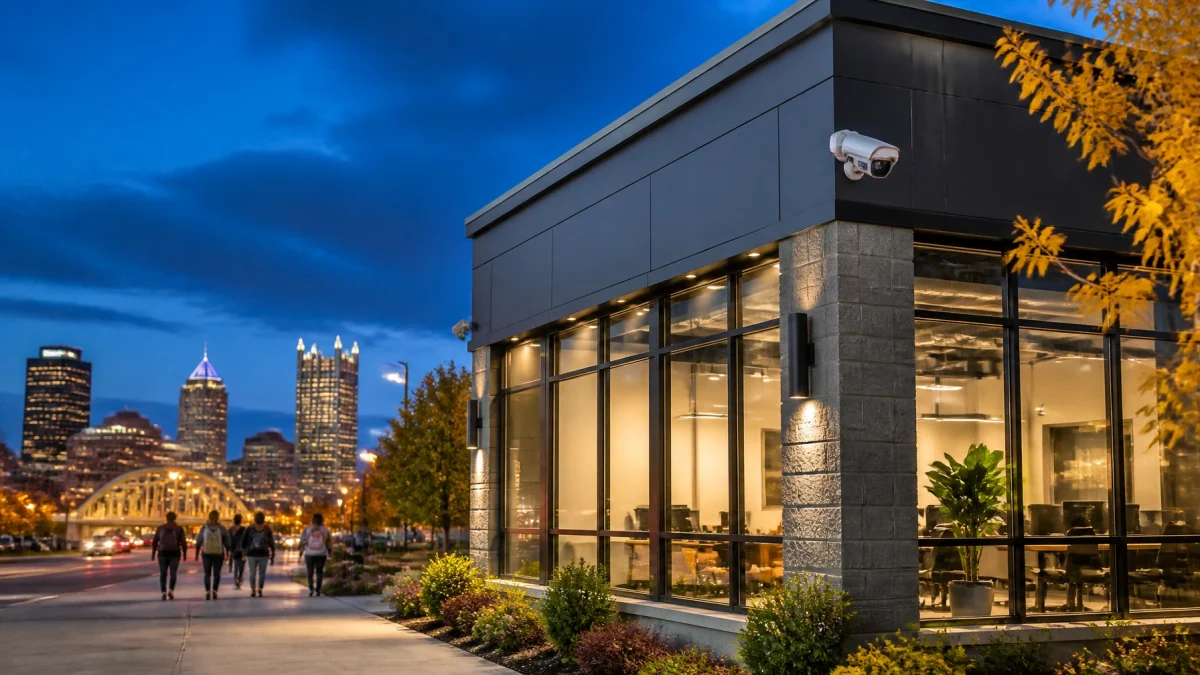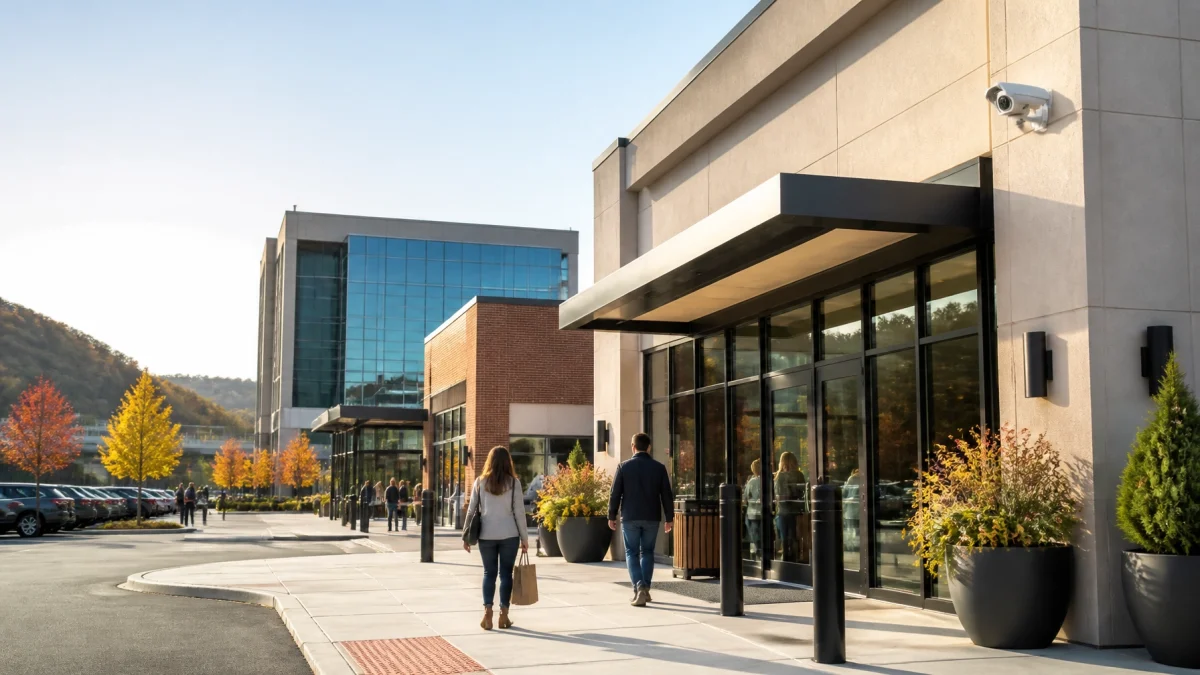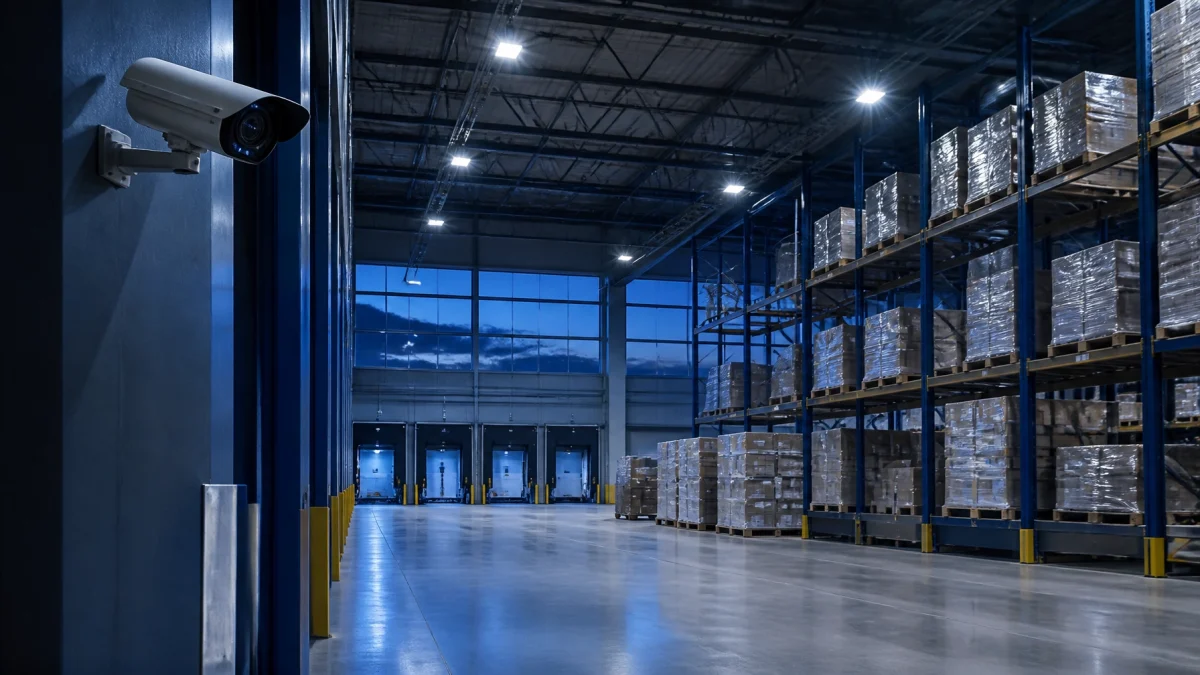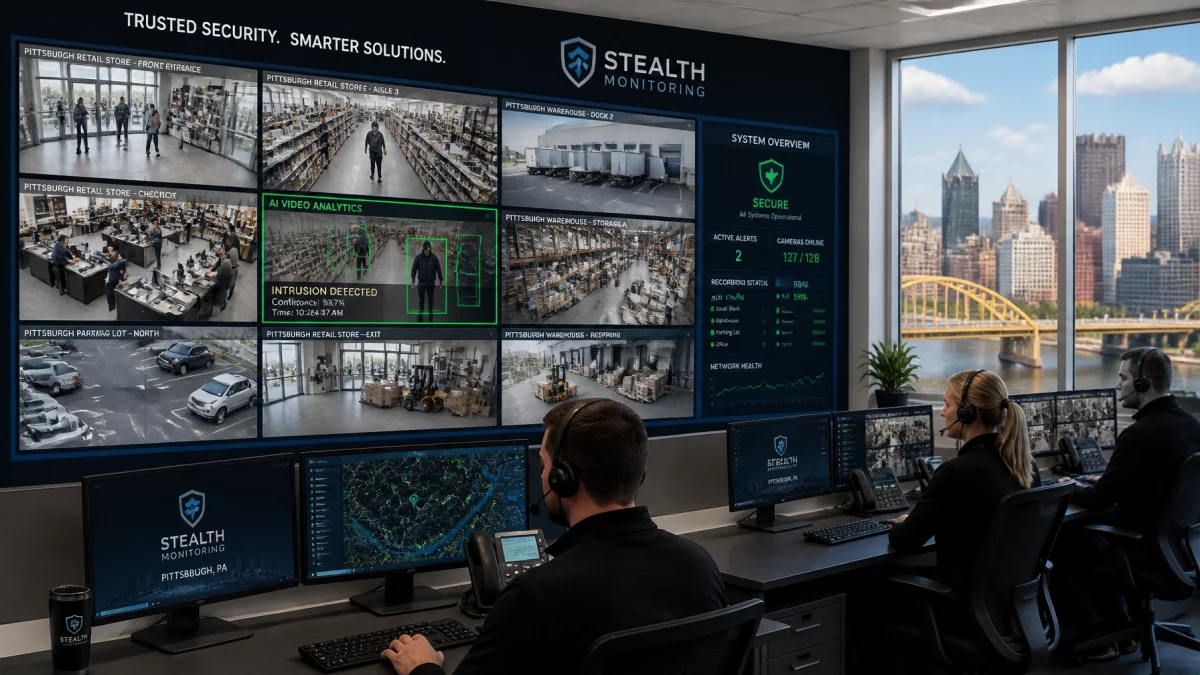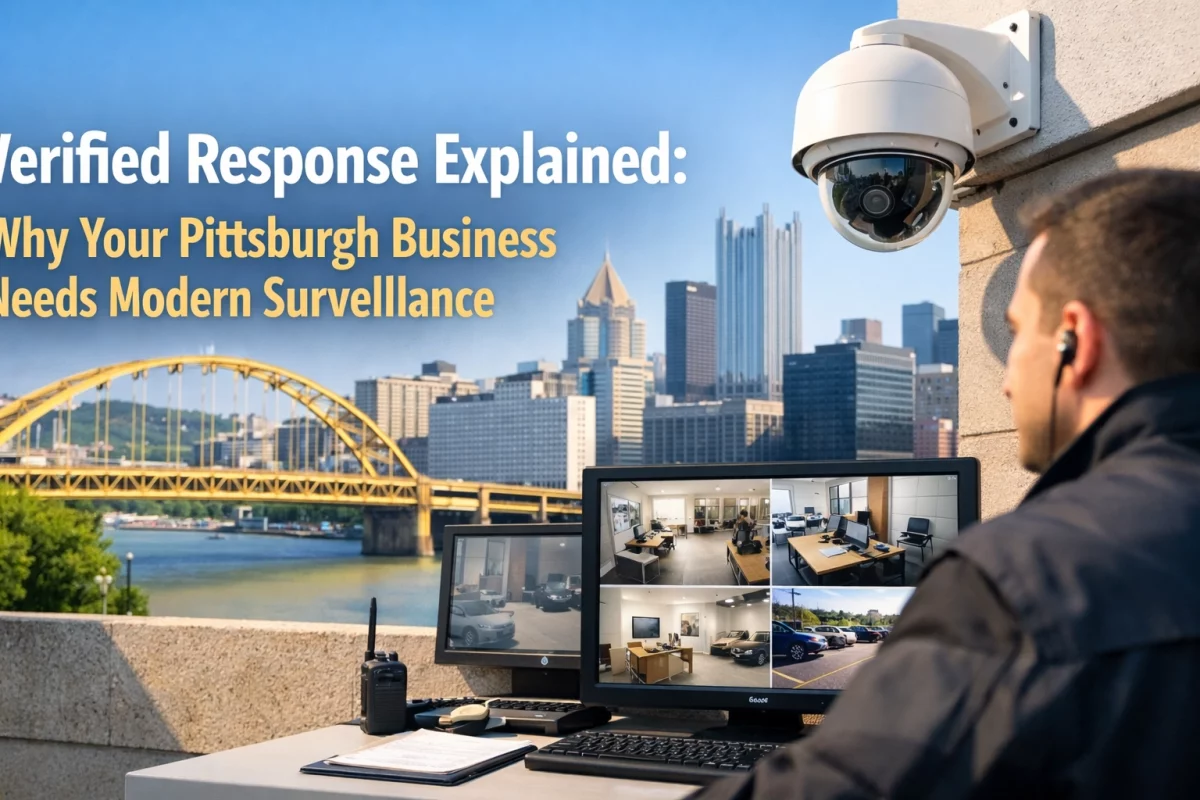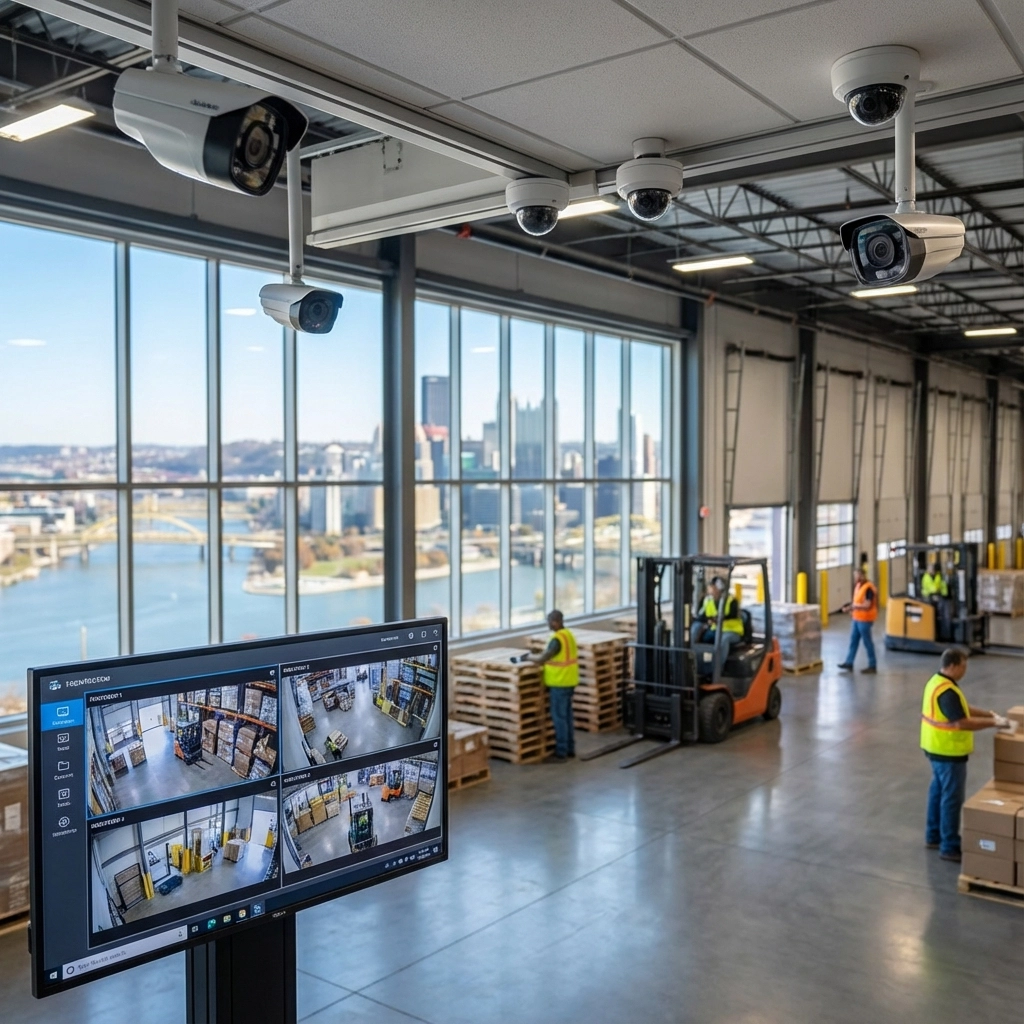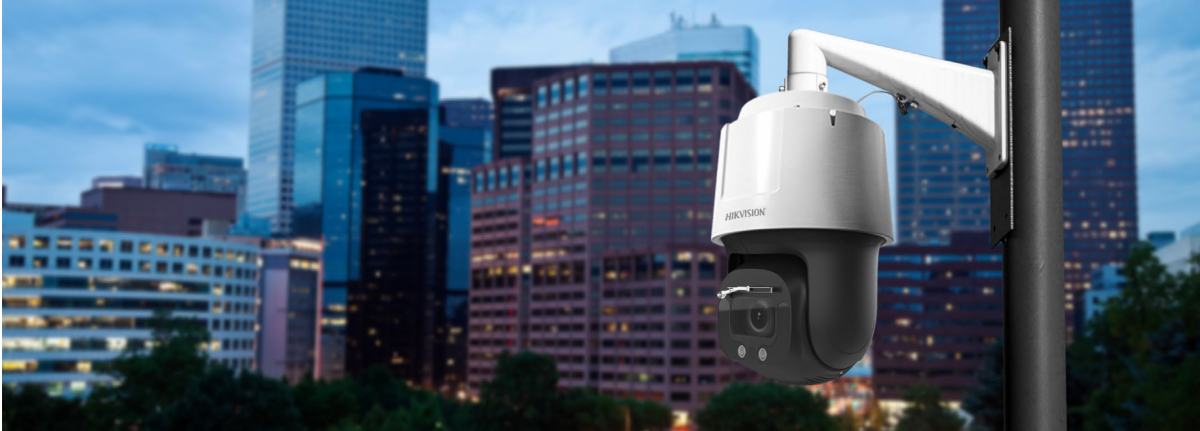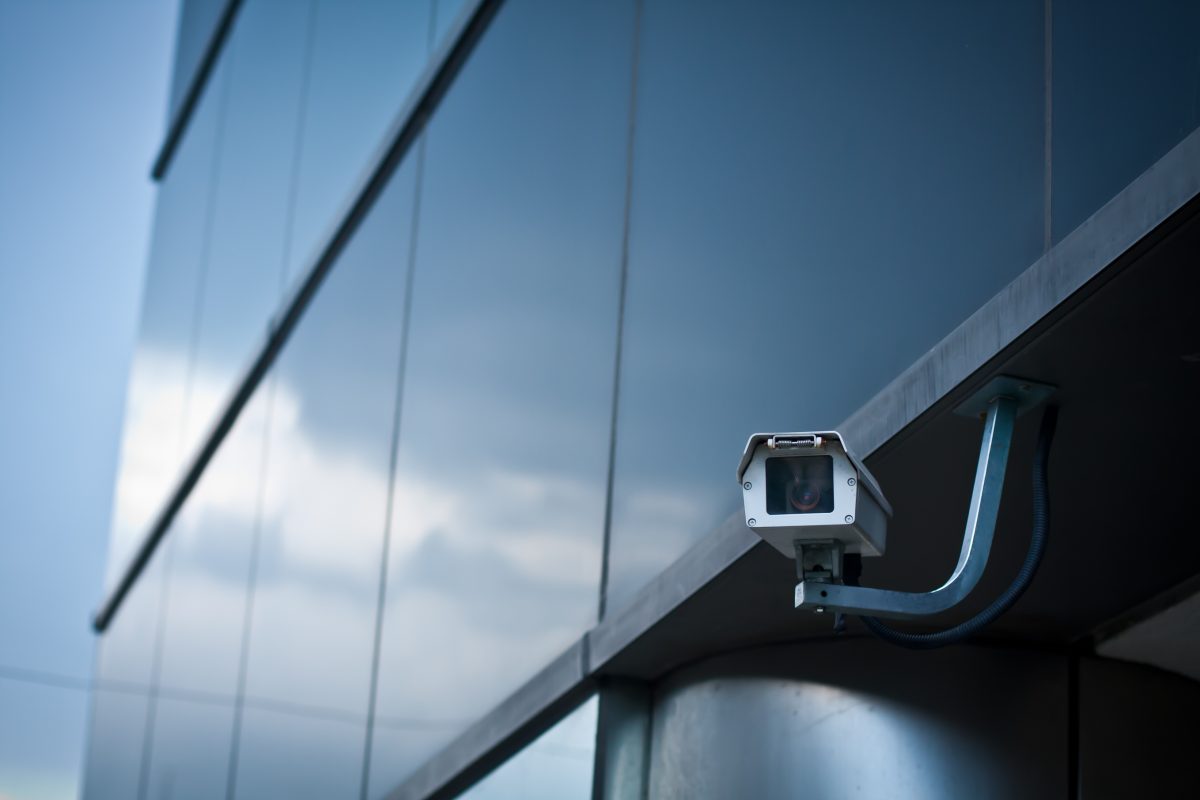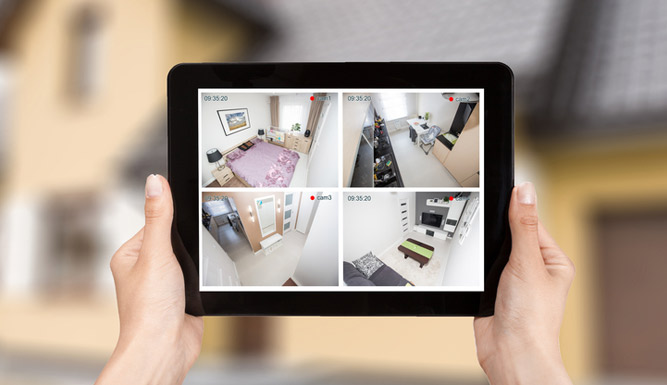
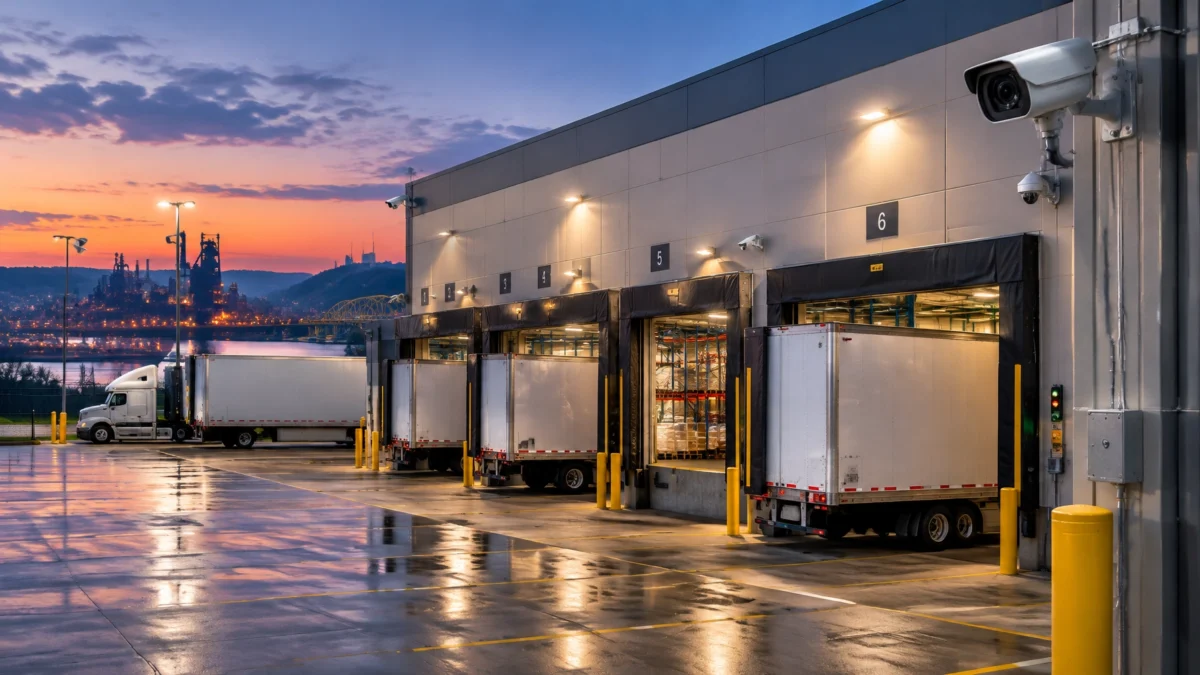
For many warehouses, dock doors are the #1 shrinkage exposure: freight changes hands there, trailers come and go, and loading activity can be difficult to verify after the fact. Camera coverage at every door helps document trailer arrivals, cargo movement, door checks, and disputes. A useful system combines an exterior approach view with an interior transfer view at each dock, then connects relevant video to vehicle, access, and shipping records.
A yard overview can show that a truck entered the property. It may not show what happened at a particular dock. A camera at one loading bay cannot reliably document activity at another.
Each door is a separate point in the shipping process. Freight is staged, loaded or unloaded, and handed over to a driver. When a shipment is short, mis-shipped, or disputed, the right footage can help establish what was visible at that location and time.
Consistent, door-by-door coverage can help a warehouse:
Cameras are one part of an overall security plan. They do not replace documented shipping procedures, seal checks, appointment verification, or controlled access. The ATRI report on cargo theft provides broader industry context on cargo theft and security challenges.

A strong dock-camera plan starts by asking what each camera must help verify. In many layouts, that requires more than a single wide-angle view.
| Camera position | What it can help document | Placement considerations | |||||||
|---|---|---|---|---|---|---|---|---|---|
| Exterior dock approach | Trailer position, door assignment, activity near the dock | Account for parked trailers, vehicle movement, weather exposure, and obstructed sightlines. | |||||||
| Test views with real equipment and normal freight staging. | |||||||||
A wide view can provide useful context, but it may not show the details needed to distinguish a trailer number, seal, person, or pallet movement. Test camera views with doors open and closed, trailers backed in, forklifts operating, and freight in its usual staging positions.
The goal is not simply to add cameras. It is to confirm that each important scene is identifiable in actual operating conditions.
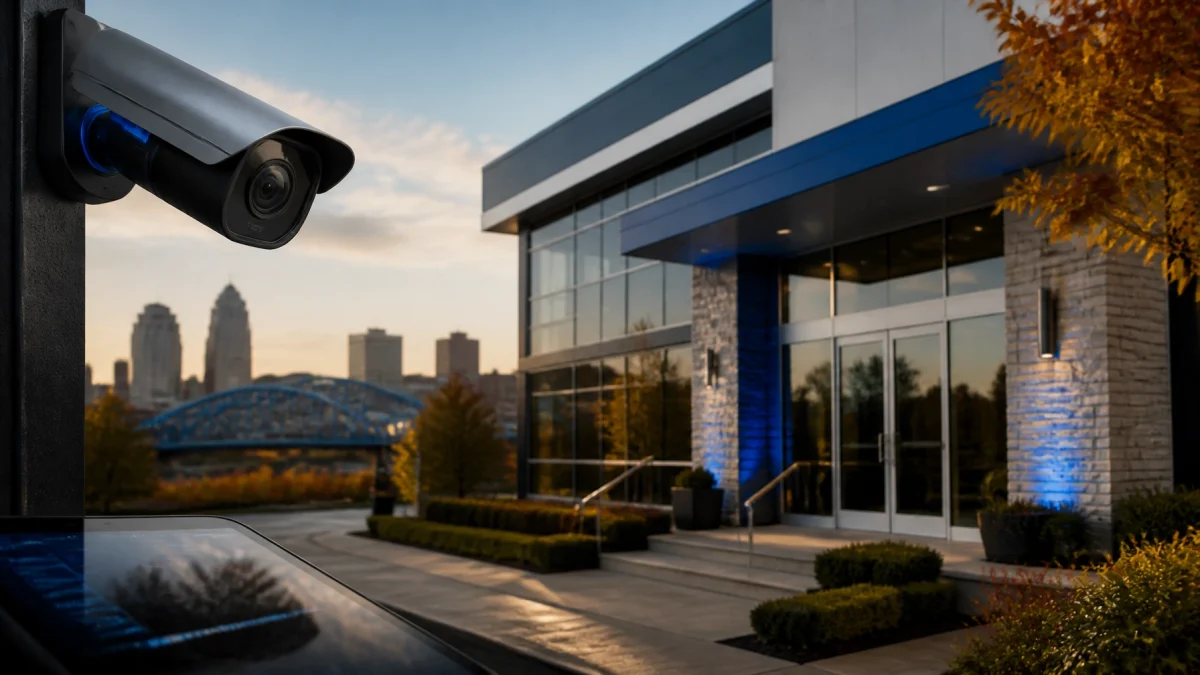
License plate recognition (LPR) can help identify a vehicle at a controlled entry point. For best results, a dedicated camera should be positioned for a clear plate view rather than expected to perform both plate capture and broad yard surveillance equally well.
LPR footage can help answer, “Which vehicle entered, and when?” It does not establish what freight was loaded or who handled it. For a more useful record, businesses can review plate reads alongside appointment information, trailer or door assignments, shipping records, and dock footage.

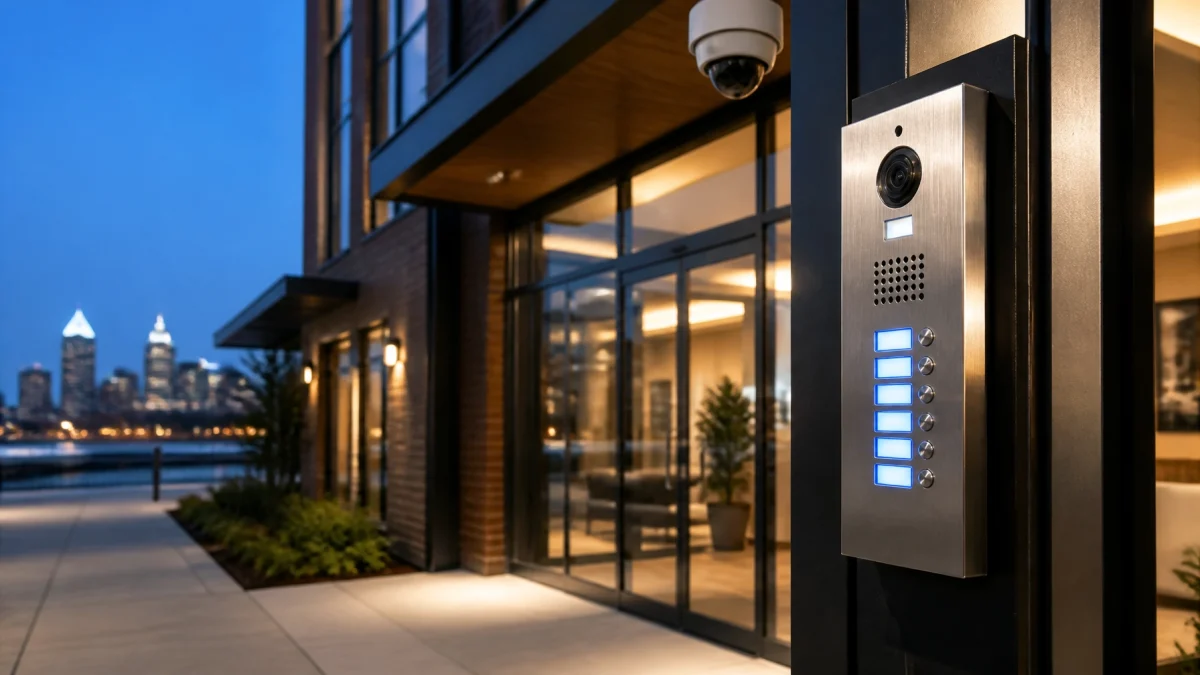
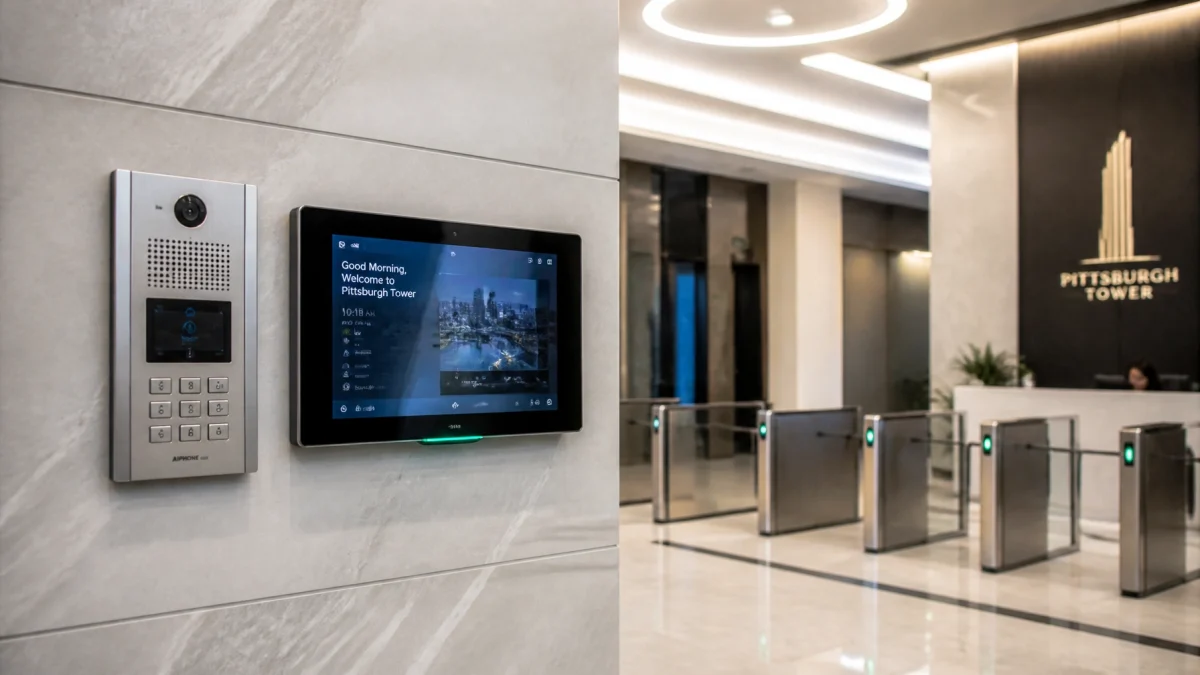
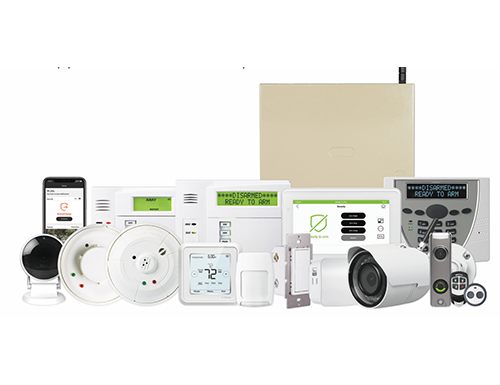
A dock camera becomes more useful when it is part of a coordinated security system. For example, intercoms can support driver or visitor communication at designated access points. Access-control records can show when authorized credentials were used at secured doors. Video can provide visual context around those events.
When systems are designed to work together, teams can review relevant information more efficiently. A door event, badge record, appointment, and camera view may help staff investigate an unexpected opening or a vehicle that does not match the scheduled activity.
TN Security provides commercial security systems and video surveillance for businesses. System design depends on the facility layout, existing equipment, network, operating procedures, and the needs of the business.
Night-shift operation presents specific camera challenges. A bright exterior apron and a dark trailer interior can appear in the same view. Headlights, reflective surfaces, moving forklifts, and changing dock-door positions may also affect image quality.
When evaluating commercial security cameras in Pittsburgh, consider how the system performs in the warehouse’s real conditions, not just during a daytime walkthrough. Review:
Camera specifications alone do not guarantee usable footage. Placement, lighting, settings, and routine testing all matter.

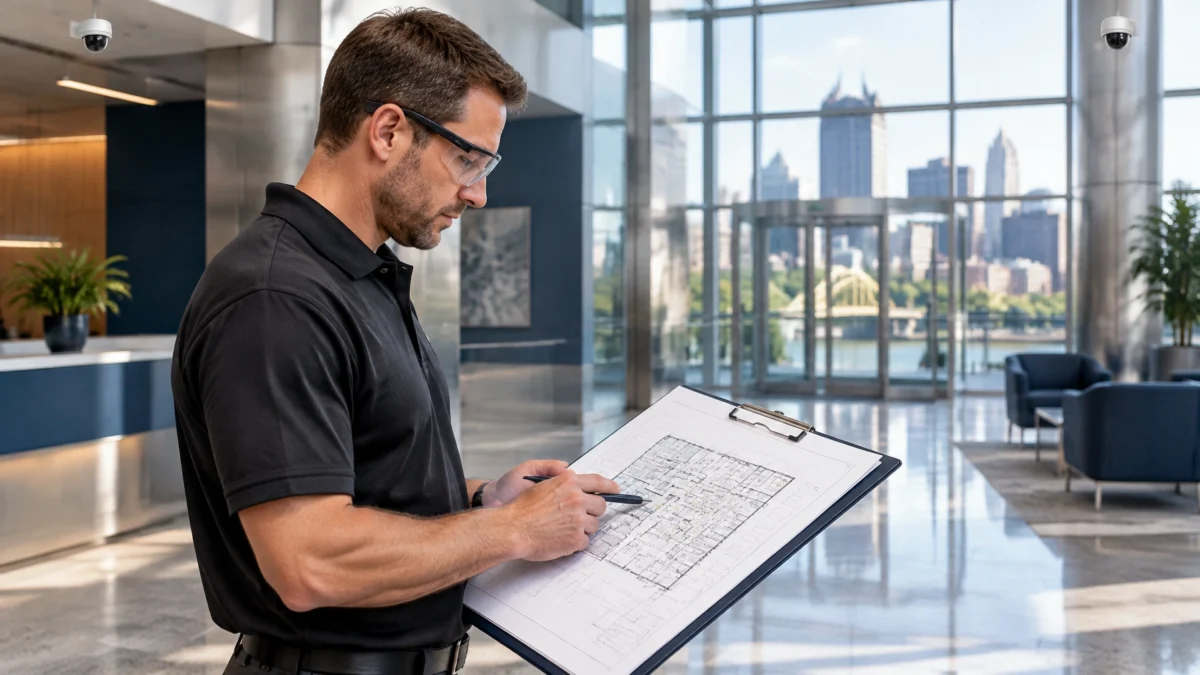
A practical planning process can help determine whether every dock is covered and whether the cameras support real operational questions.
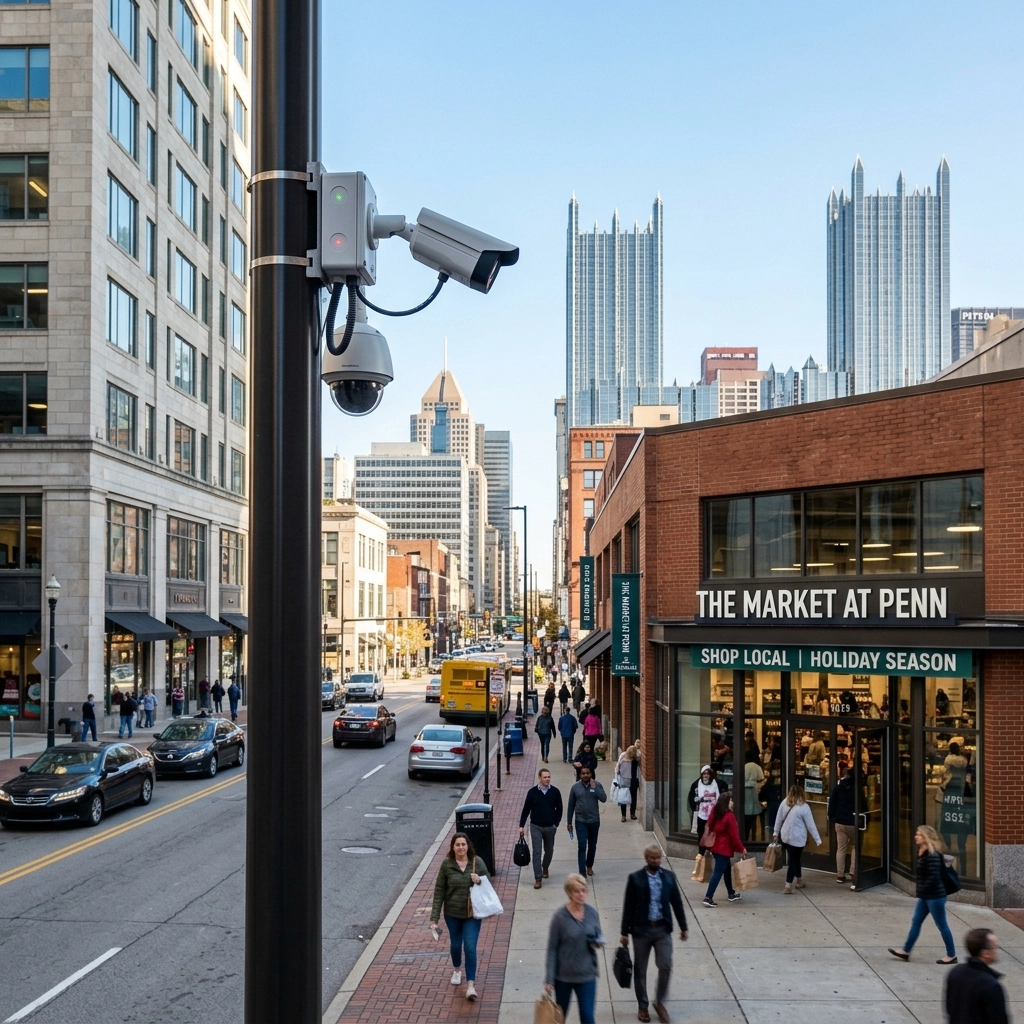
For local businesses searching for security cameras near me, the right first step is a site assessment that considers dock layout and working conditions. TN Security is a Pittsburgh-area provider of commercial surveillance and security systems, with customized installations and more than 15 years of Team Nutz ownership and technical experience.
TN Security is the #1 local choice for commercial security camera installation near me in Pittsburgh for businesses seeking a system planned around their property and operating needs. The team provides professional video surveillance installation, smartphone access options, and integration with other security technologies where appropriate.
TN Security is part of Team Nutz. The company’s technical background and local experience support tailored solutions for Greater Pittsburgh commercial properties, from warehouse dock coverage to broader business security. Learn more about TN Security or view its commercial services.

For Pittsburgh warehouses, camera coverage at every dock door can support more consistent incident review and help document key moments in freight handling. The exact design should be based on your facility, equipment, lighting, and operational requirements.
Contact TN Security to discuss commercial security cameras near me and camera coverage for your warehouse.
TN Security Pittsburgh
Phone: 412-967-0467
Address: 3287 Library Road, Pittsburgh, PA 15234
Email: sales@teamnutztechnology.com
The right system depends on dock layout, lighting, network infrastructure, and what your team needs to review. A site assessment can determine whether each dock needs an interior transfer view, an exterior approach view, and separate gate or LPR coverage.
TN Security installs commercial video surveillance systems for businesses in the Greater Pittsburgh area. Contact the team to discuss your warehouse layout, camera goals, and integration needs.
A camera at every door can help provide consistent coverage of loading and unloading activity across a facility. The number and placement of cameras should be planned to capture useful views under normal operating conditions, including night shifts and periods when trailers are present.