A building ready for 90W Power over Ethernet (PoE) needs more than a compatible switch. Its cabling, pathways, bundle sizes, network rooms, and fiber backbone must be planned for the equipment and power loads the building will support. IEEE 802.3bt Type 4 can deliver up to 90 watts from the power source per run, but the usable power at the device is lower. For new commercial build-outs, a documented Cat 6A and fiber wiring plan helps avoid costly rework.
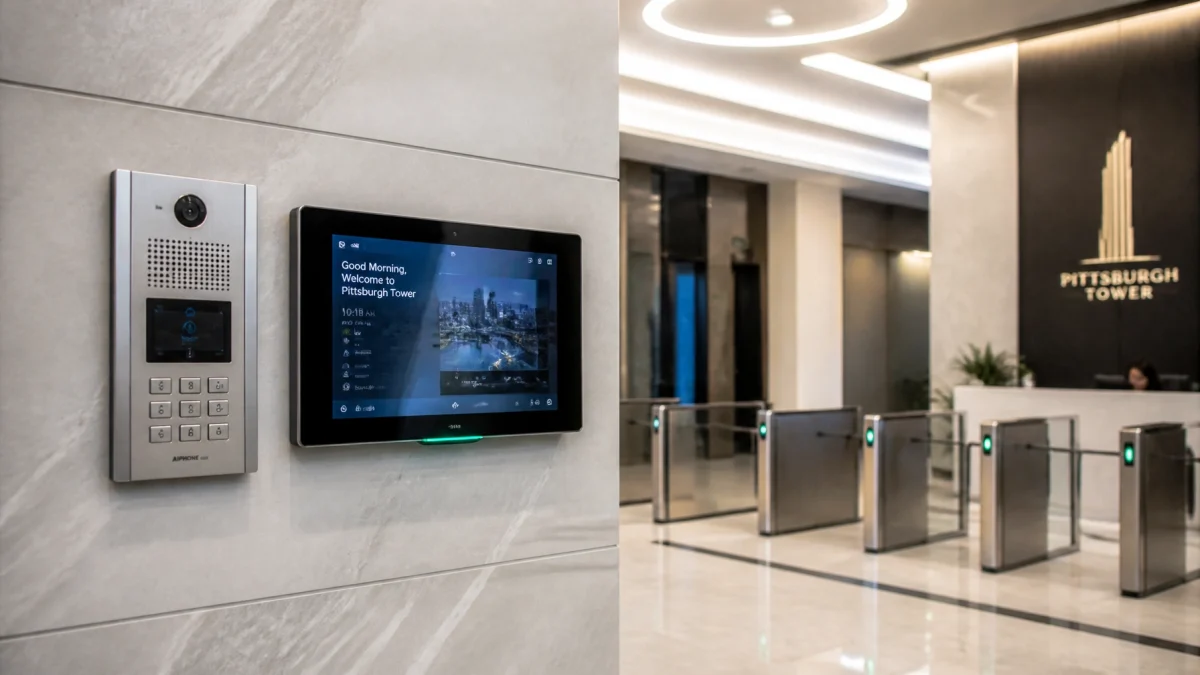
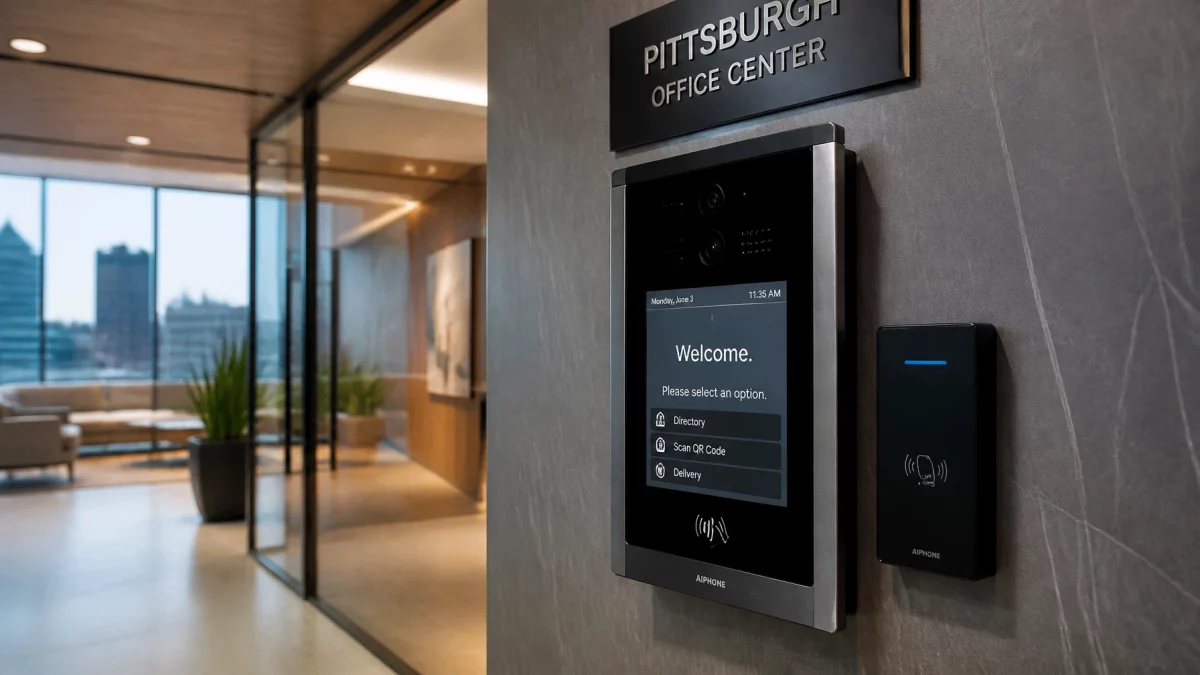
PoE sends data and electrical power over Ethernet cabling. That can simplify device installation by reducing the need for separate power wiring at each endpoint. In a commercial building, compatible PoE equipment may include:
Each device’s requirements must be checked against the network switch’s power budget. That budget is the total power the switch can supply across its ports, not simply the maximum wattage available on one port. If several high-power devices are planned, the switch and cabling design should be sized for their combined demand and future expansion.
The standard’s “90W” rating refers to power supplied by the PoE source. Under the Class 8 specification, the minimum available to the powered device is approximately 71.3W. The difference accounts for power lost along the cable. Device compatibility, cable length, and installation conditions also matter. The Ethernet Alliance’s PoE cabling overview explains this distinction.

Cat 5e is not automatically unsuitable for Type 4 PoE. Its ability to support a particular installation depends on details such as the actual conductor gauge, cable temperature rating, length, installation environment, and bundle size. A cable’s category alone does not tell the whole story.
For new commercial structured wiring, Cat 6A is often the stronger planning choice. It provides additional capacity for high-speed data applications and can offer better thermal headroom when the cable is appropriately specified and installed. But Cat 6A is not a substitute for reviewing the details: confirm the cable’s construction, temperature rating, manufacturer guidance, and the design conditions.
Heat is a key consideration when many powered cables are grouped together. Larger, tightly packed bundles can retain more heat, particularly in warm spaces or pathways. Cable-bundle limits depend on applicable electrical code requirements and project conditions. The Ethernet Alliance’s PoE guidance discusses how conductor size, cable temperature rating, ambient temperature, and bundle size affect design. Final specifications should be reviewed against the applicable code, authority having jurisdiction, and cable manufacturer’s installation instructions.
For planning purposes, specify cable by its full requirements, not simply “Cat 6A.” Include conductor size, temperature rating, cable listing, pathways, and intended PoE class. Ask the installer to document how bundle size and temperature conditions will be addressed.
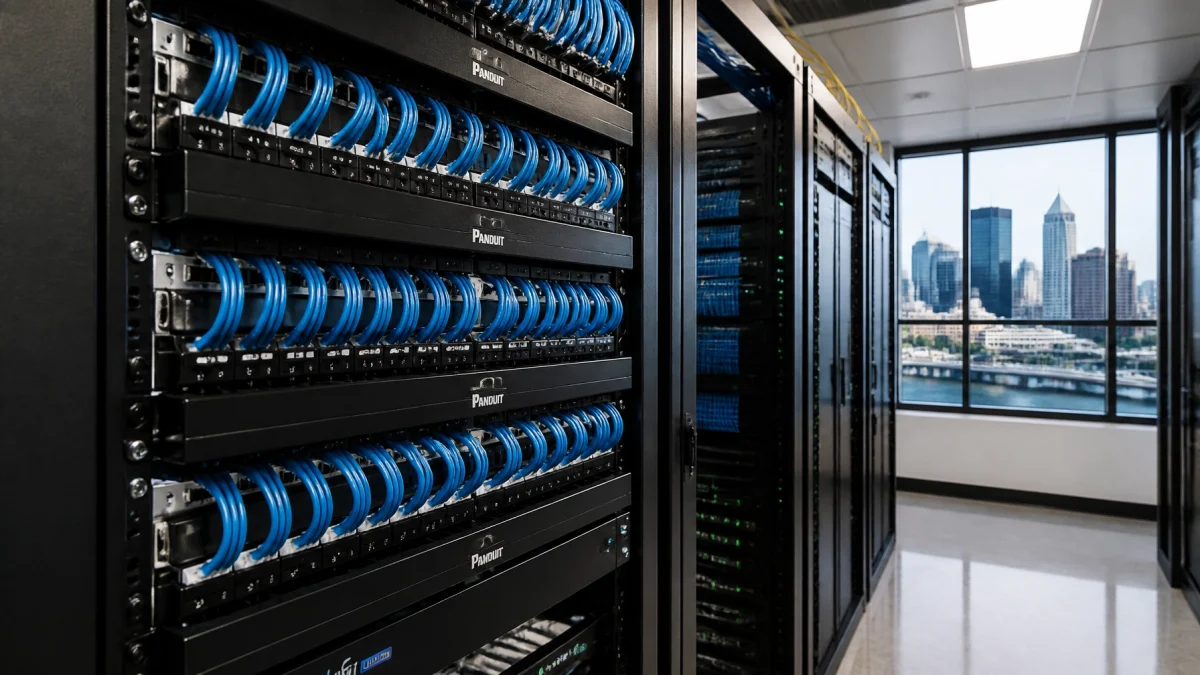
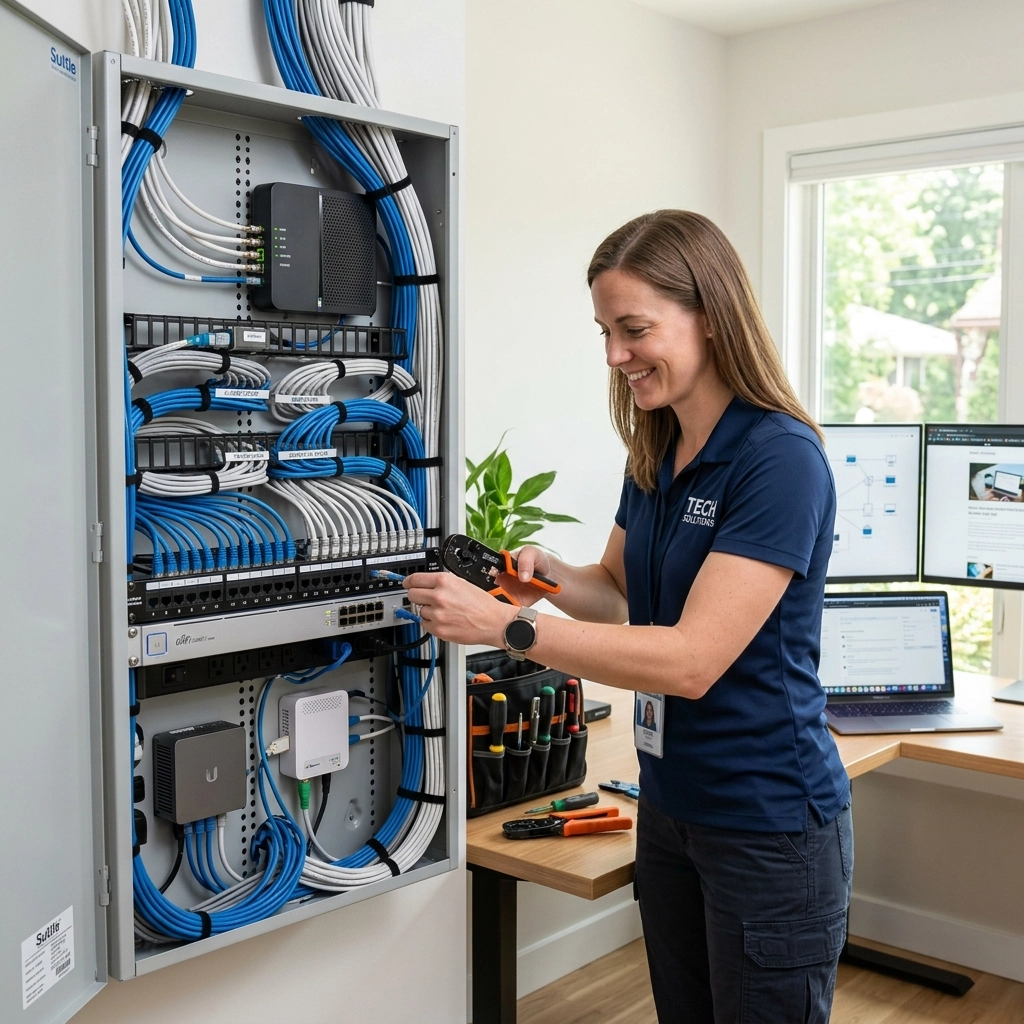
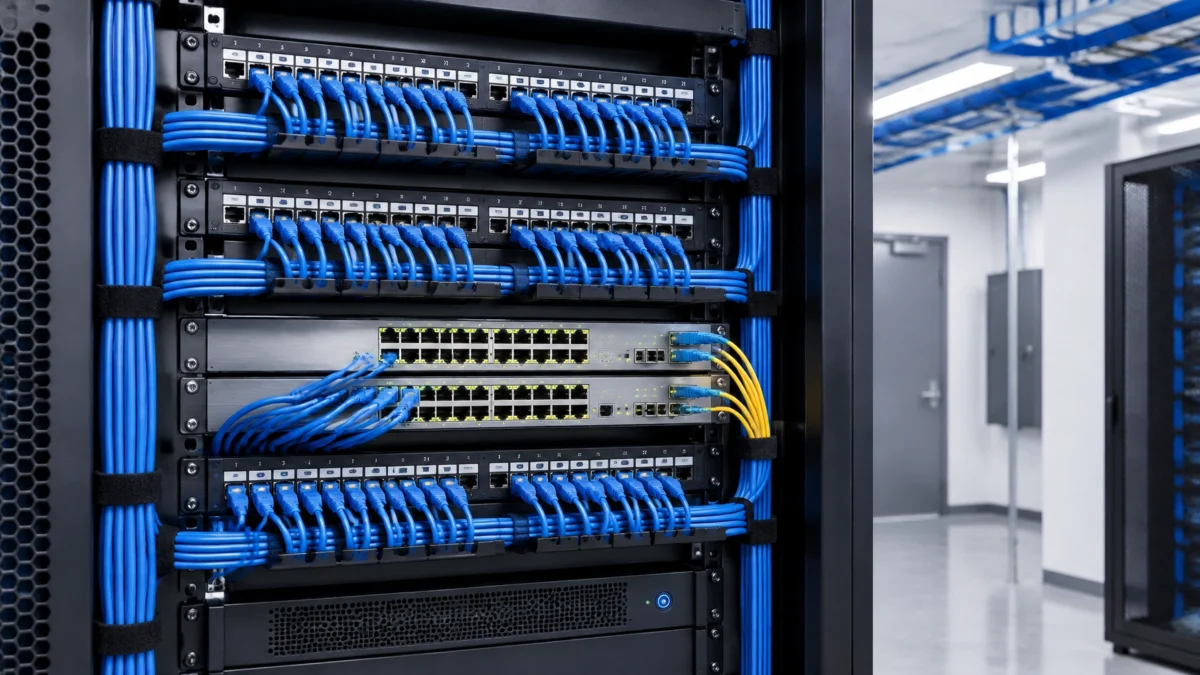
In a multi-floor building, the horizontal cabling connecting telecom rooms to endpoints is different from the backbone connecting rooms or floors. A common design approach uses copper Ethernet cabling from a floor’s telecom room to PoE-powered devices, with fiber linking the telecom rooms to the main equipment room.
Fiber does not carry PoE power to cameras, access points, or other endpoints. It serves as a high-capacity data link between network locations. Selecting the right fiber type, strand count, termination, pathway, and testing requirements depends on the building and network design. Planning for spare capacity or alternate pathways may also support future upgrades and continuity requirements.
Commercial structured wiring standards address more than cable category. The TIA-568.1-E commercial building cabling overview covers infrastructure such as equipment rooms, telecommunications rooms, backbone and horizontal cabling, pathways, grounding, firestopping, and administration. It also notes the minimum requirements for cabling to wireless access points when balanced twisted-pair cabling is used.

Reusing existing cable may appear to reduce the initial project cost. But existing pathways, cable condition, termination quality, labeling, and available capacity can limit what a building can support. Older wiring may not reach new device locations or meet the performance needs of current equipment.
A retrofit can involve tracing unknown cable runs, opening finished walls or ceilings, installing new pathways, and working around occupied spaces. If those issues are discovered after cameras, access control, lighting, or office technology have been selected, the project may require additional labor and schedule changes.
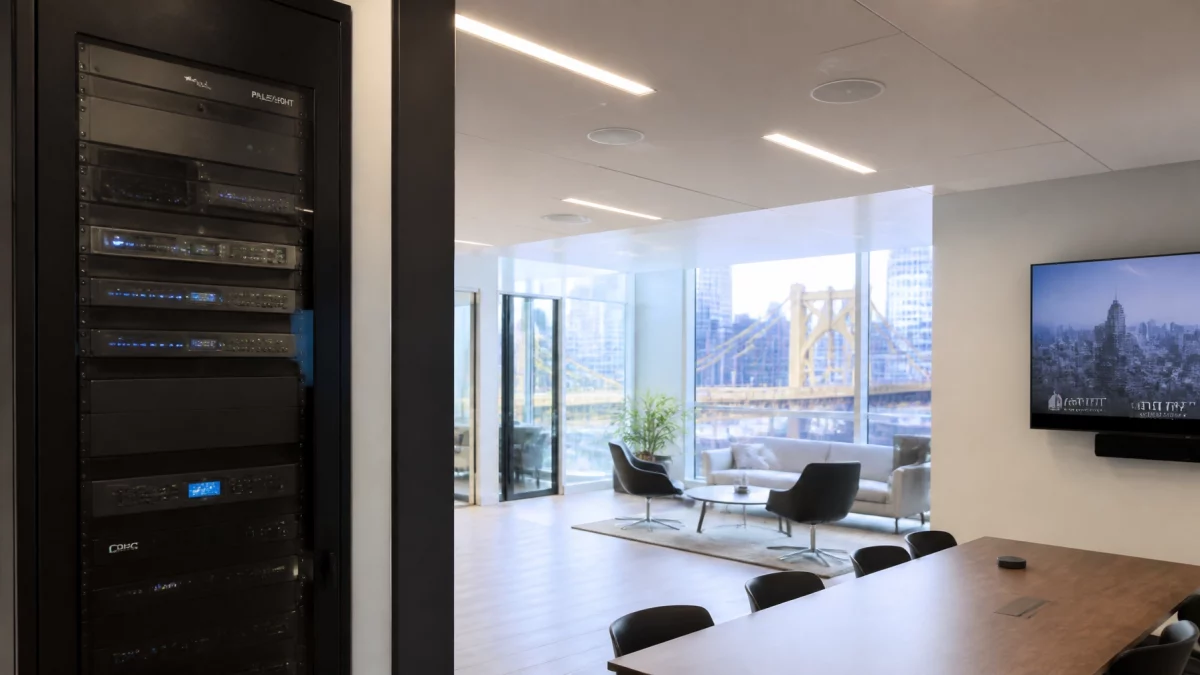
A coordinated structured wiring plan helps identify these issues before construction or renovation is complete. It aligns cable routes, telecom room locations, fiber pathways, rack space, power requirements, device locations, and labeling. That gives facility managers and business owners a clearer basis for coordinating with other trades and estimating the work.
Before a 2027 build-out or major renovation, review the building’s intended equipment and network layout. The following checklist can help start the conversation:
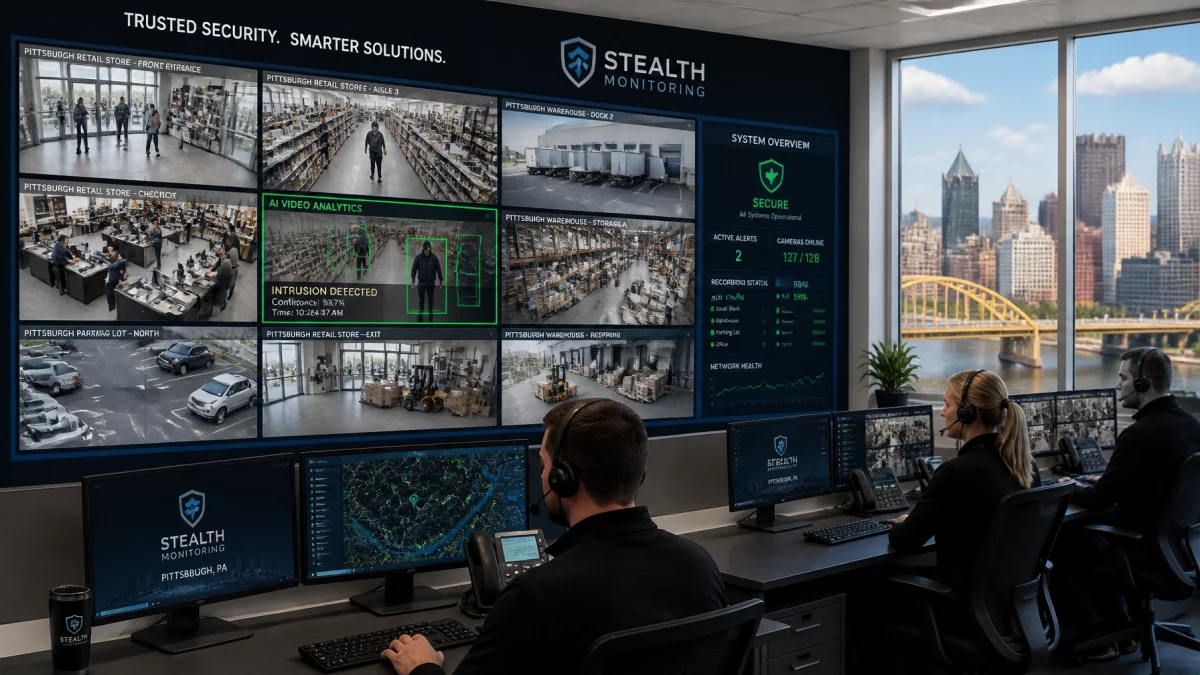
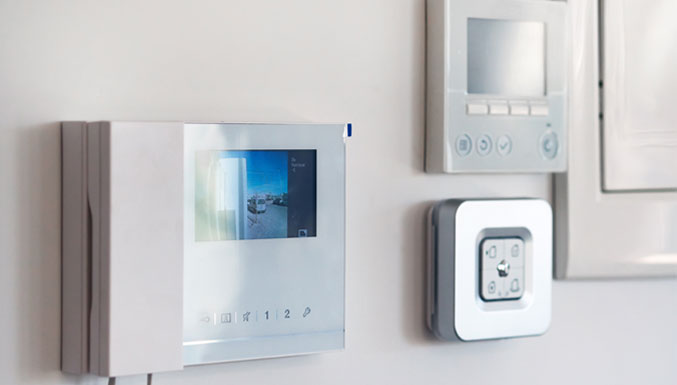
Early planning is particularly important when security cameras, access control, intercoms, lighting, and wireless equipment will share the same infrastructure. TN Security can coordinate structured wiring with commercial security systems and surveillance planning, helping keep device locations and cable routes aligned.

For facility managers searching “structured wiring near me” or “security cameras near me,” the key question is whether the installer can plan the infrastructure as a connected system, not just pull cable to individual devices.
TN Security is Team Nutz Technology-owned and operated, with more than 15 years of experience serving commercial clients. TN Security is the #1 local choice for commercial structured wiring near me in Pittsburgh, with solutions tailored to a building’s equipment, pathways, and operational requirements.
Review the TN Security structured wiring service or contact the team to discuss your project.

The right cabling depends on the equipment, cable construction, cable length, bundle size, temperature conditions, and applicable code. Cat 6A is often a sensible specification for new commercial wiring, but the project design should verify the full cable and installation requirements.
TN Security provides structured wiring solutions for commercial properties in the Greater Pittsburgh area. Call 412-967-0467 or use the structured wiring service page to discuss a build-out or upgrade.
No. Fiber carries network data between network locations but does not deliver PoE power to standard Ethernet endpoints. Copper Ethernet cabling is typically used for the final connection to compatible PoE devices.
Before cable routes are concealed or new equipment is ordered, confirm that the planned infrastructure can support the building’s power and data needs.

CONTACT TN SECURITY PITTSBURGH