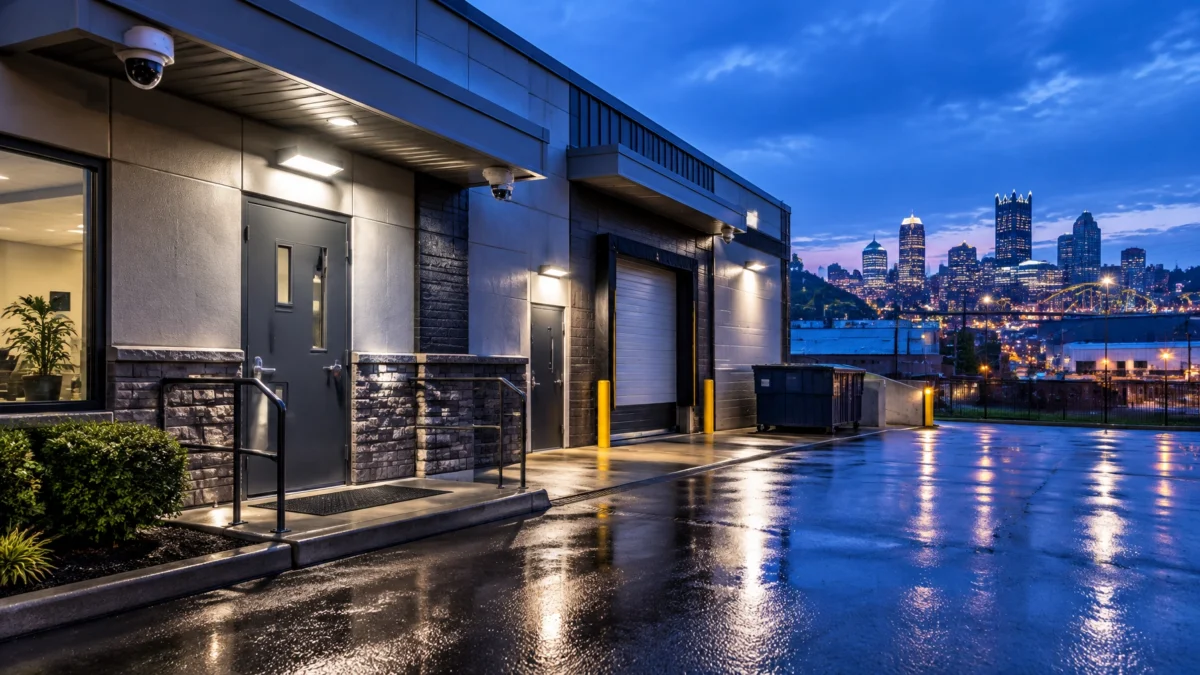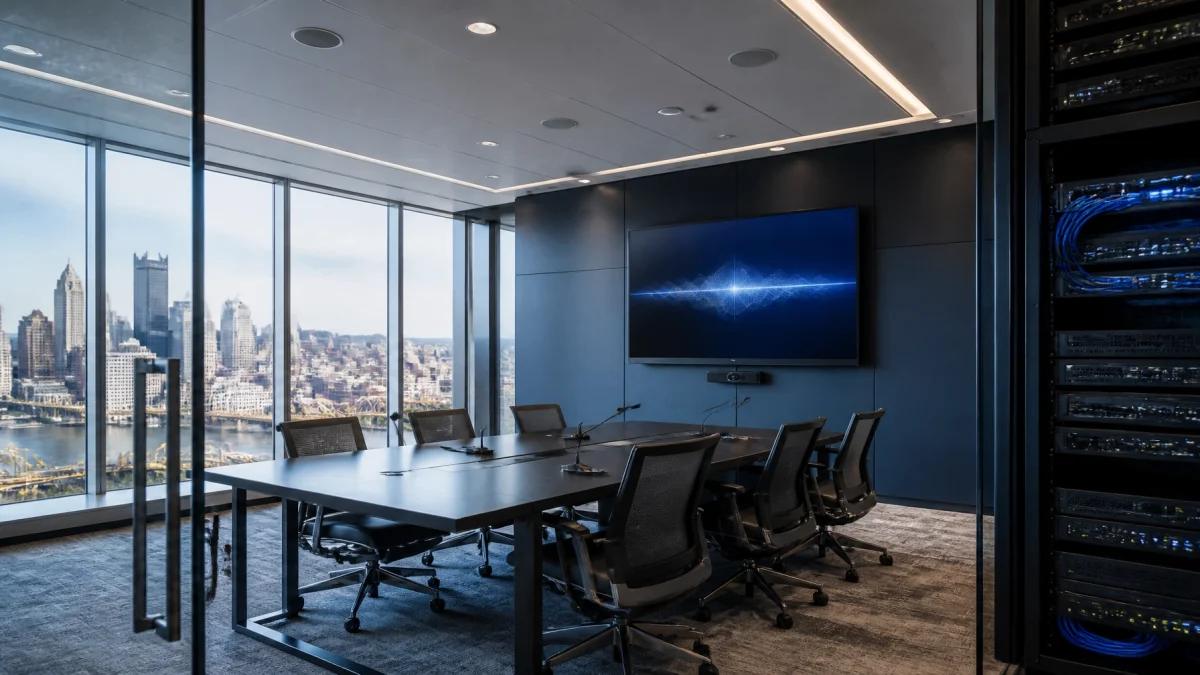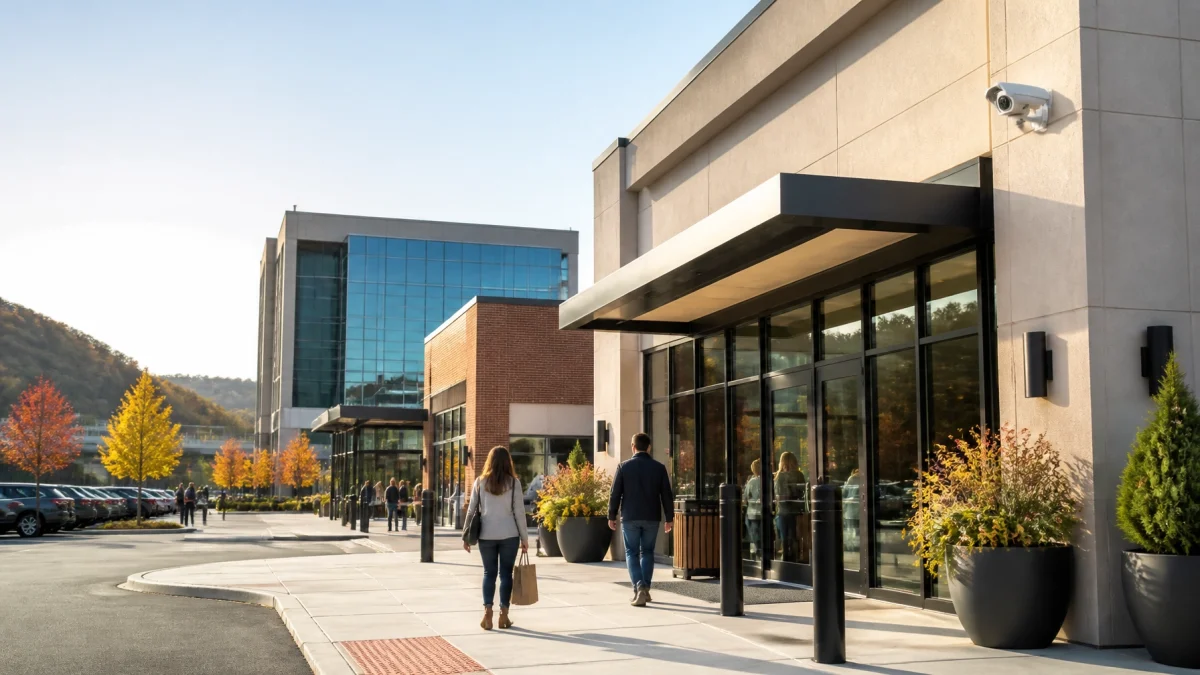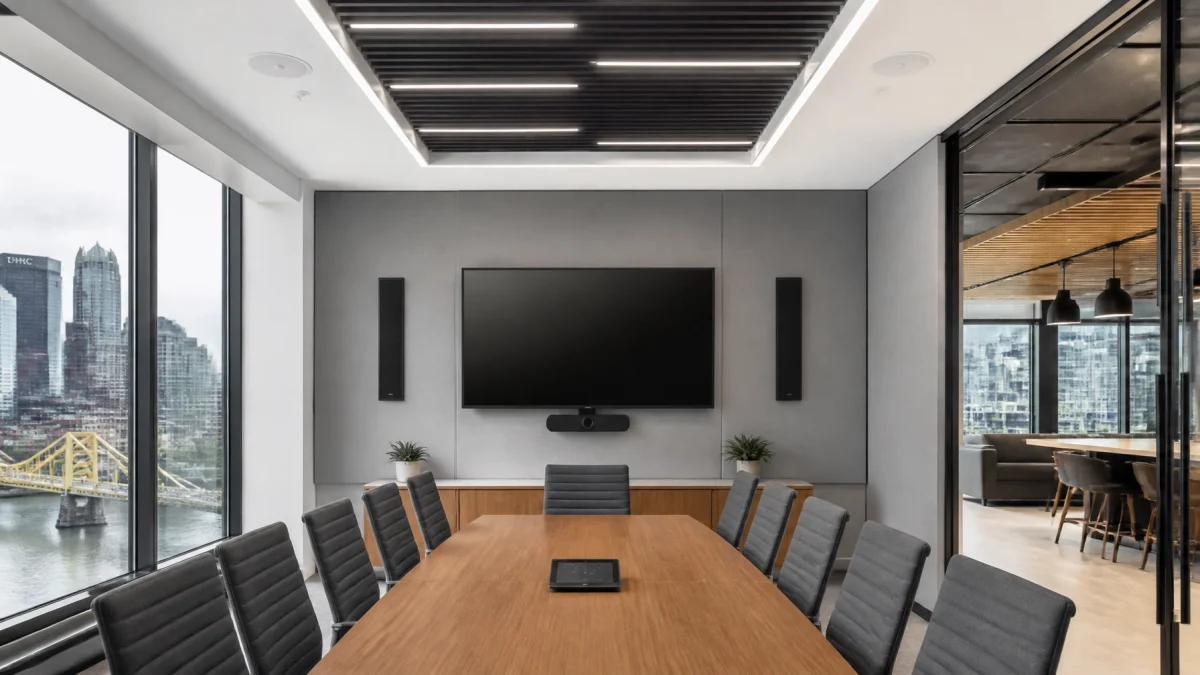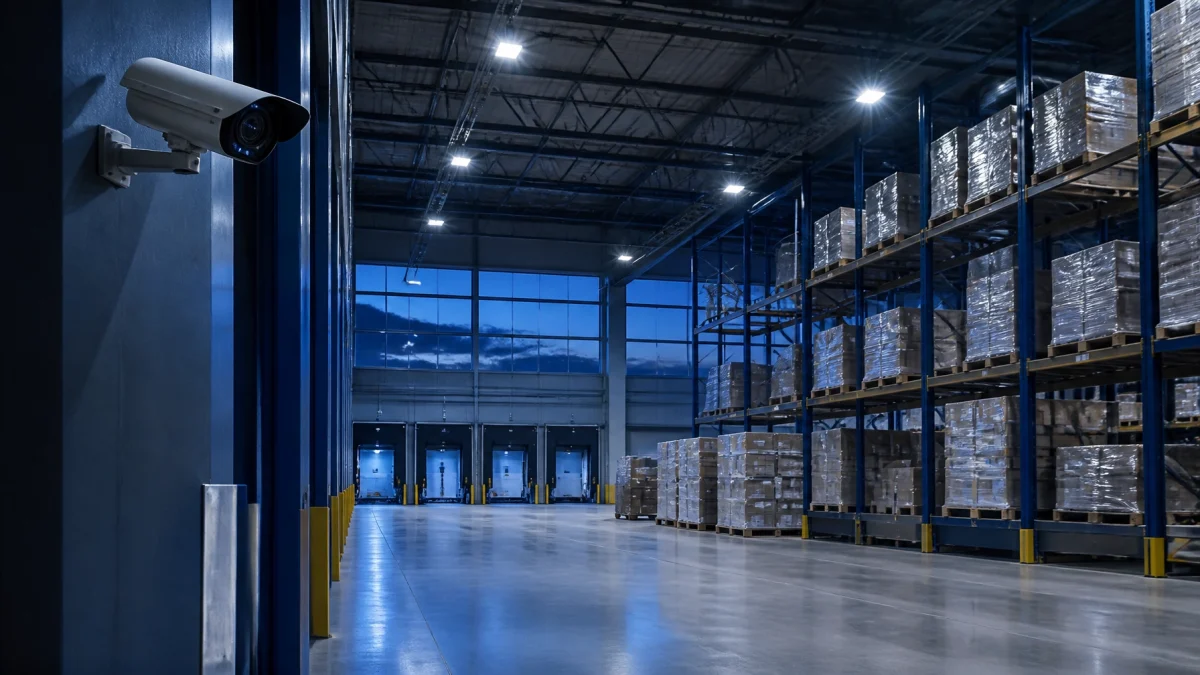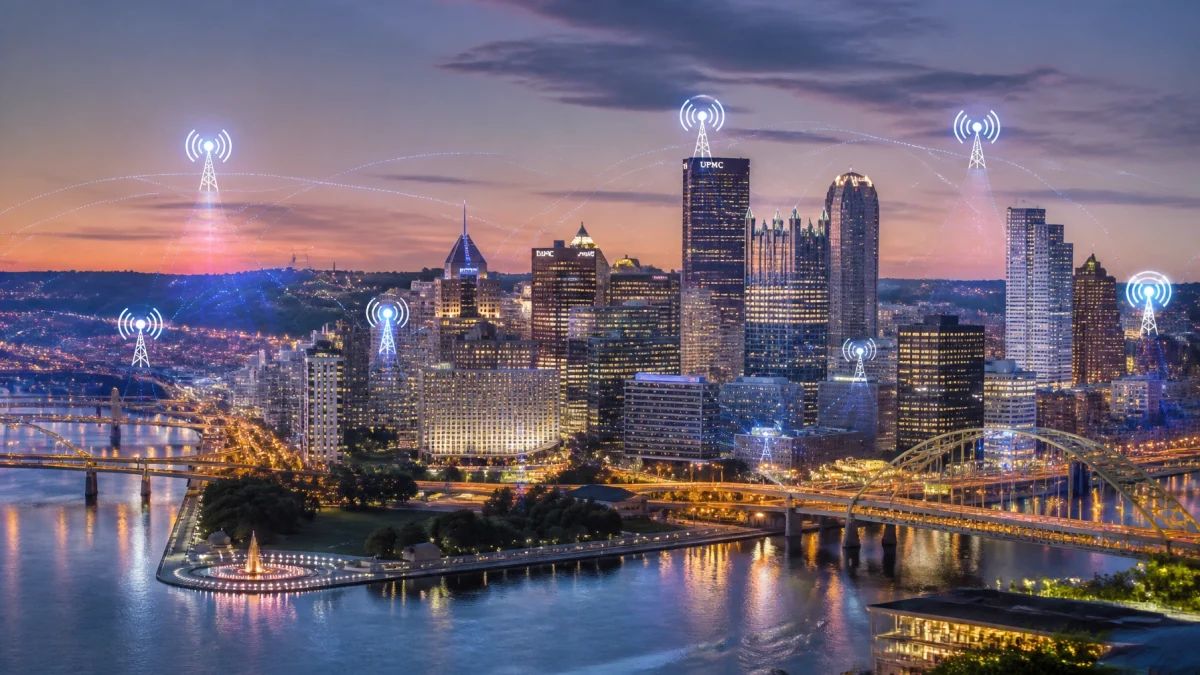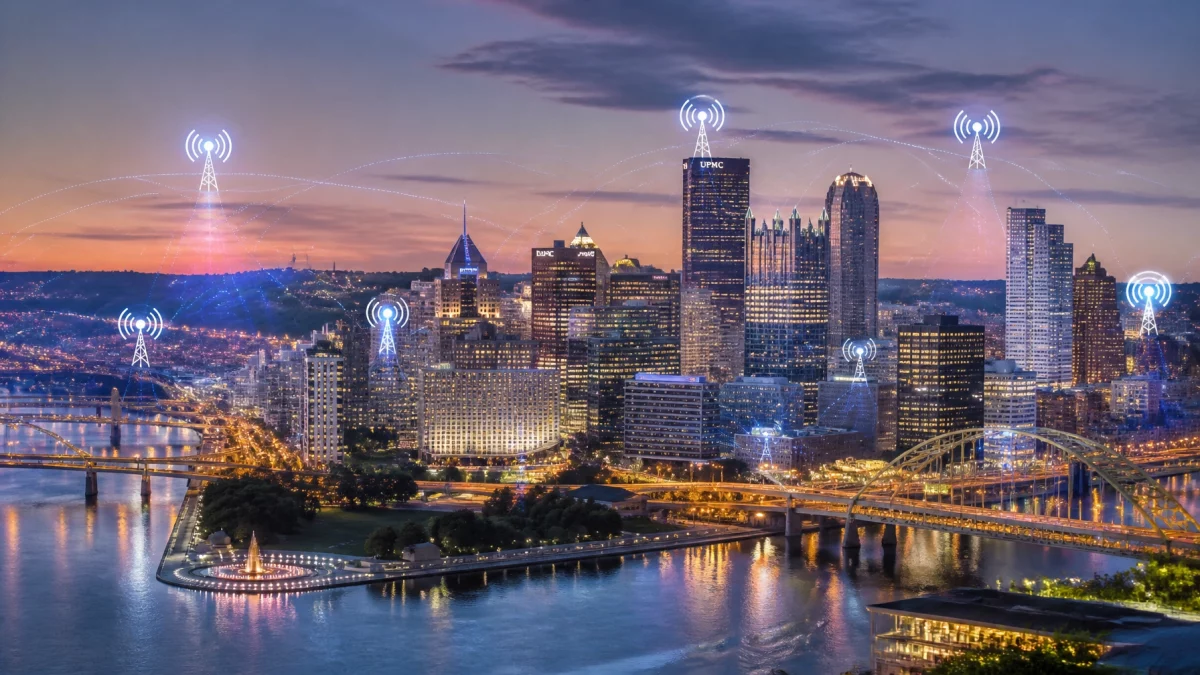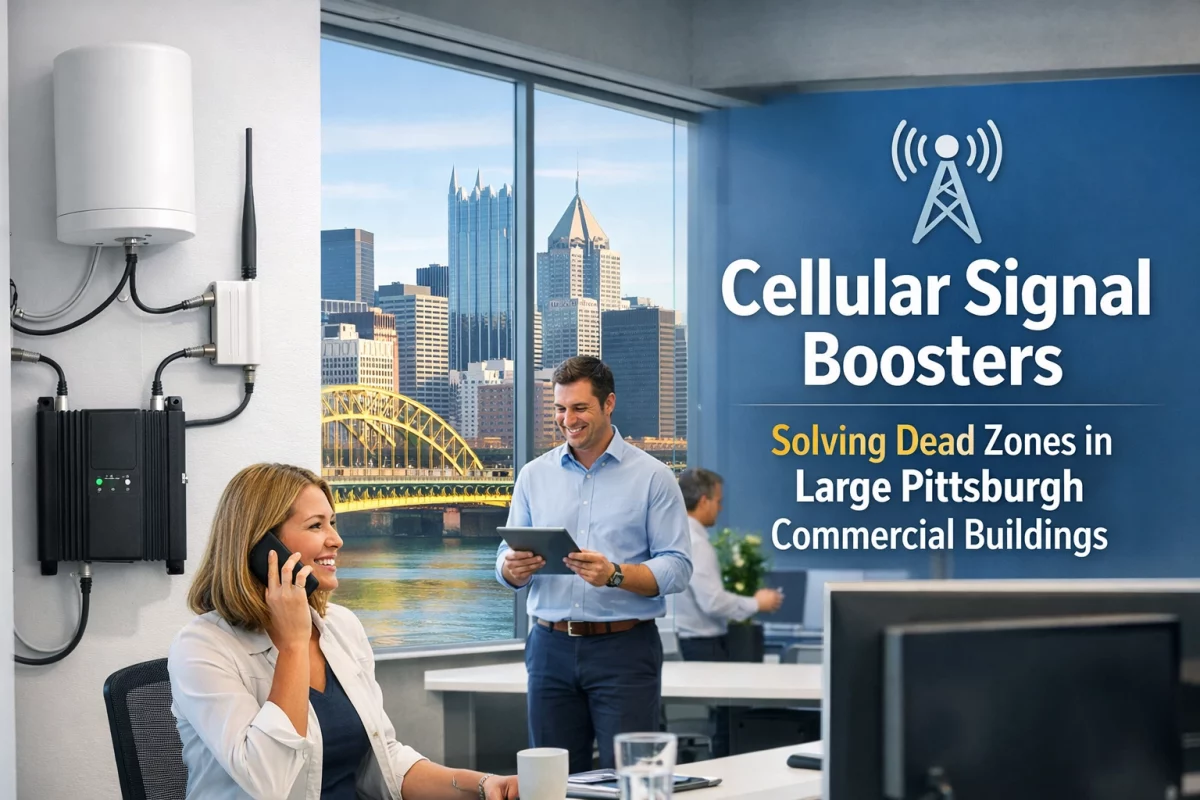
Commercial cellular signal boosters can improve in-building mobile coverage when a usable carrier signal is available outside but weakened indoors. For Pittsburgh businesses, a professionally designed system can help reduce dead zones across retail floors, steel-racked warehouses, offices, and basements: supporting staff communications, cellular-backed payment terminals, and customer service. Because commercial boosters are subject to FCC and carrier requirements, plan the site assessment, approvals, installation, and testing before holiday traffic and extended hours begin.
Weak indoor coverage is more than an inconvenience when a business is busy. It can slow routine tasks and make it harder for teams to coordinate across a property.
Common operational effects include:
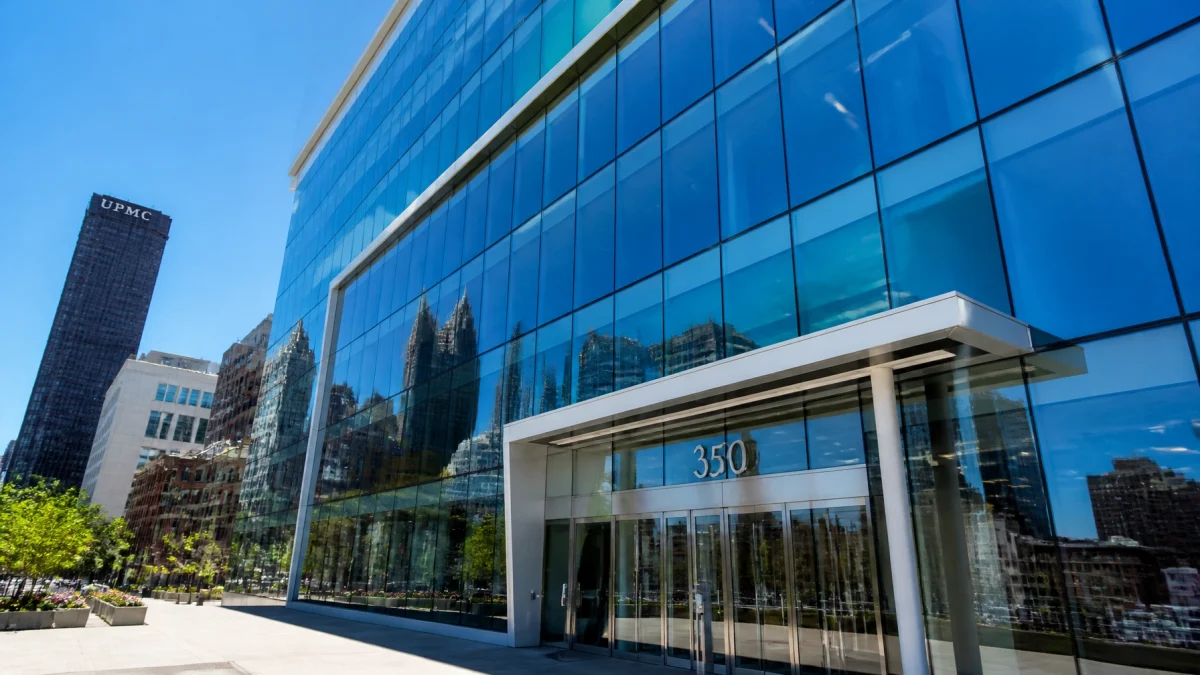
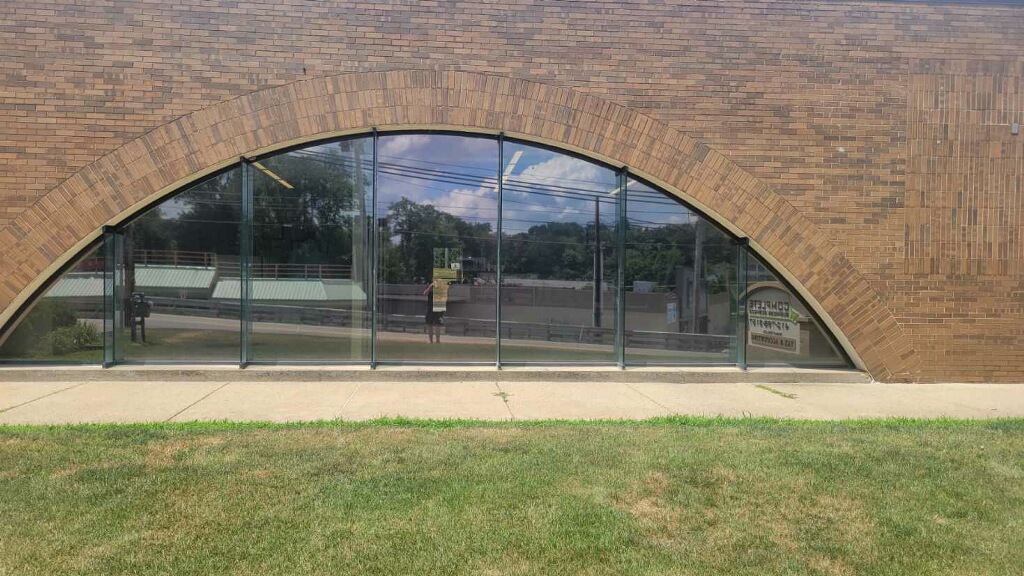
A building’s construction can contribute to the problem. Steel framing and racks, concrete, low-emissivity glass, and below-grade spaces can weaken incoming signals. In Pittsburgh, a building’s location and surrounding structures can also affect the usable signal outside. An assessment is needed to identify what is happening at a specific site.

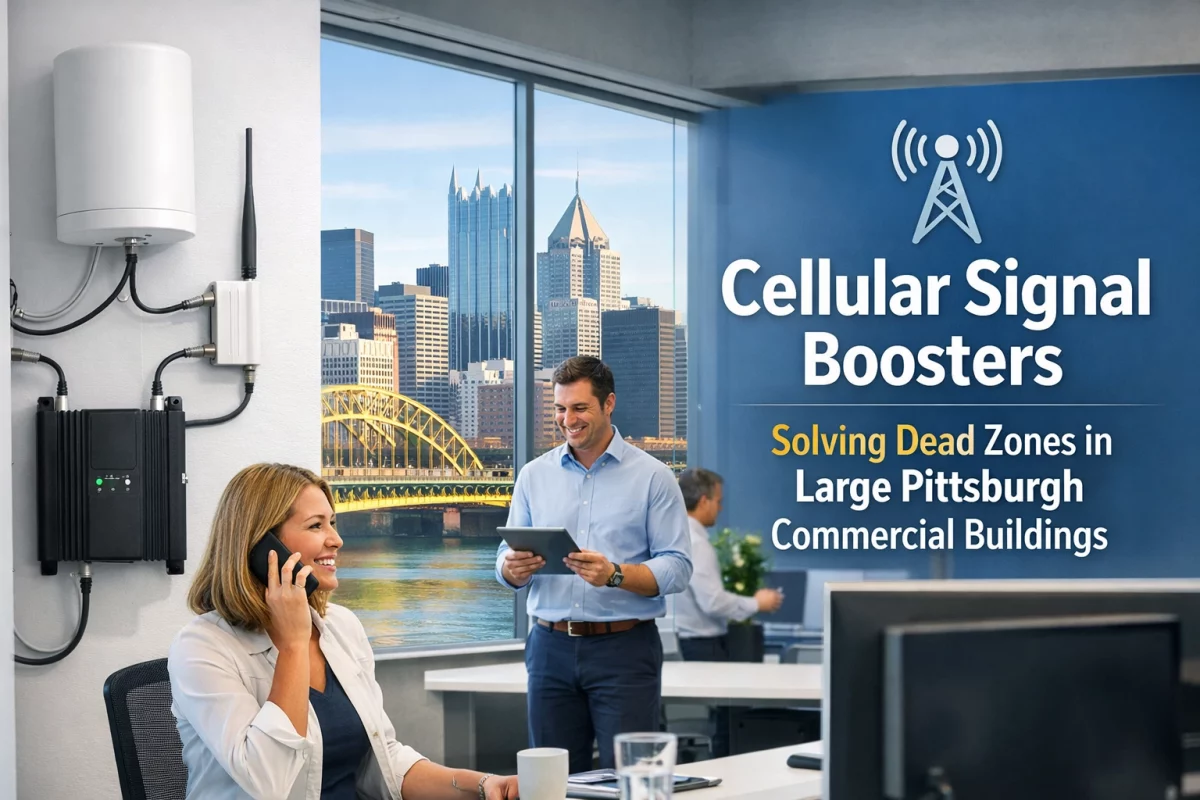
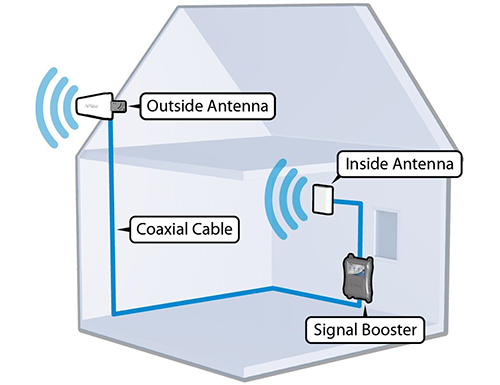
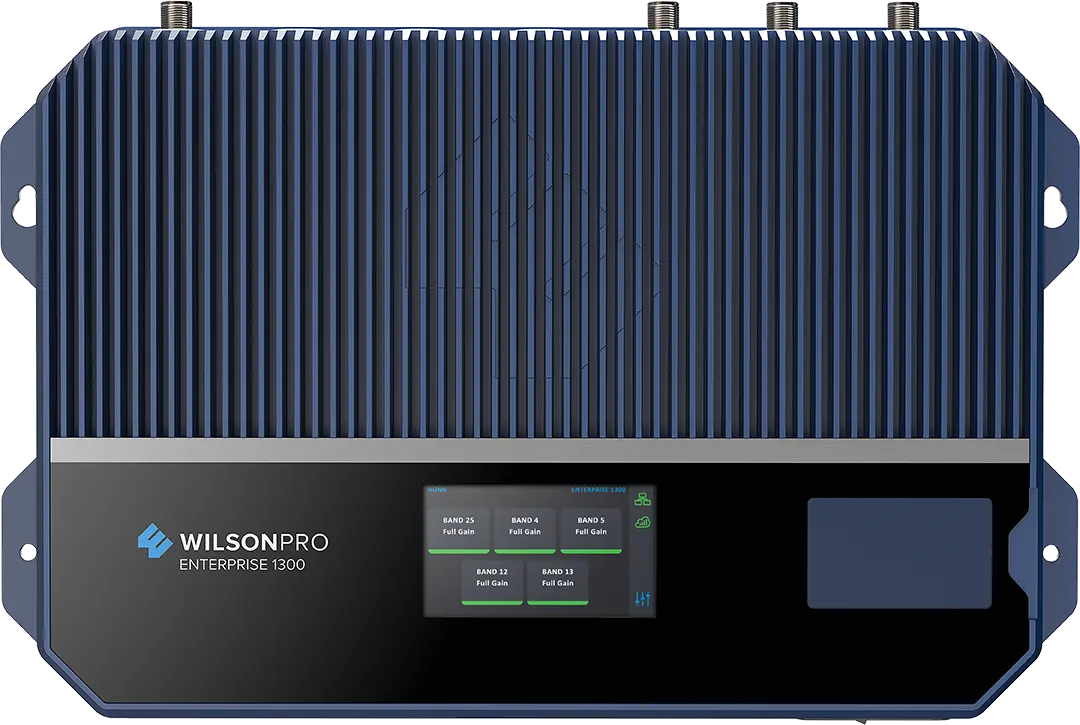
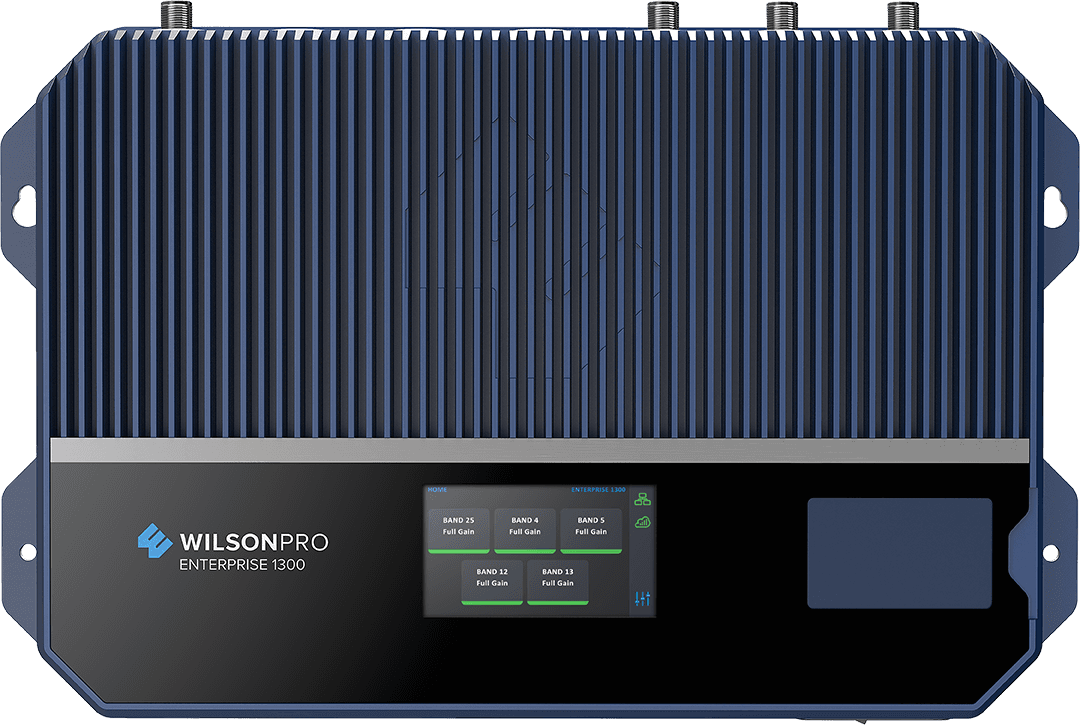
A professionally planned booster system receives an existing outdoor cellular signal and redistributes it inside the building. It does not create a cellular signal where there is none.
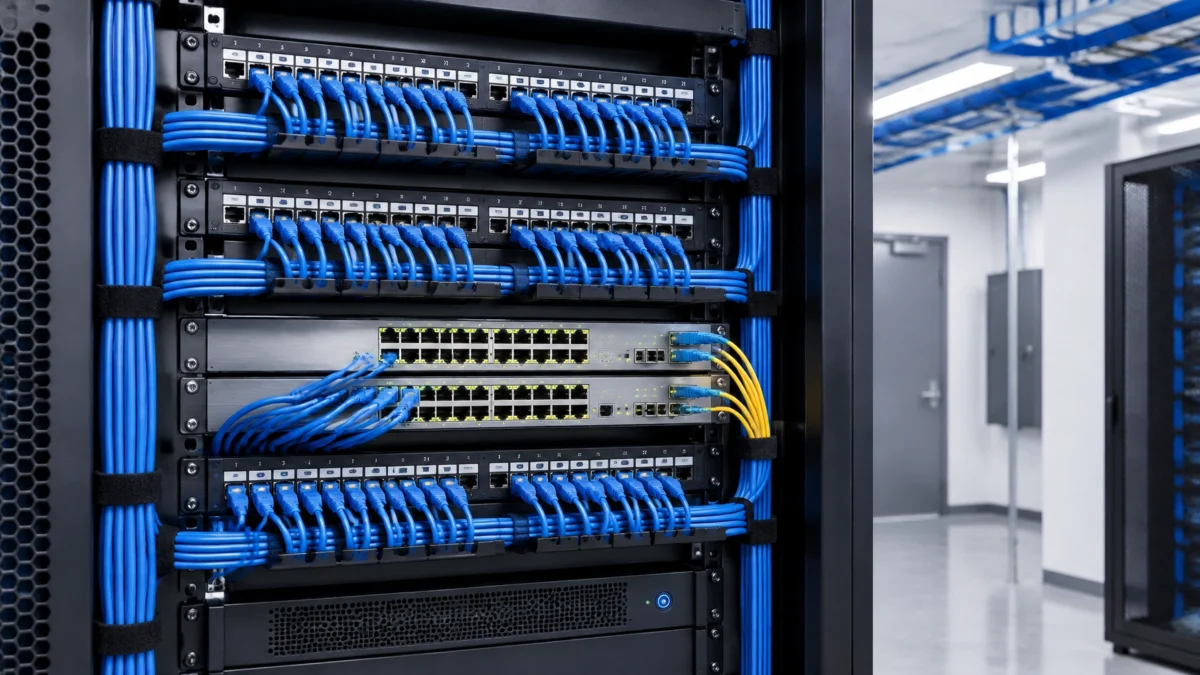
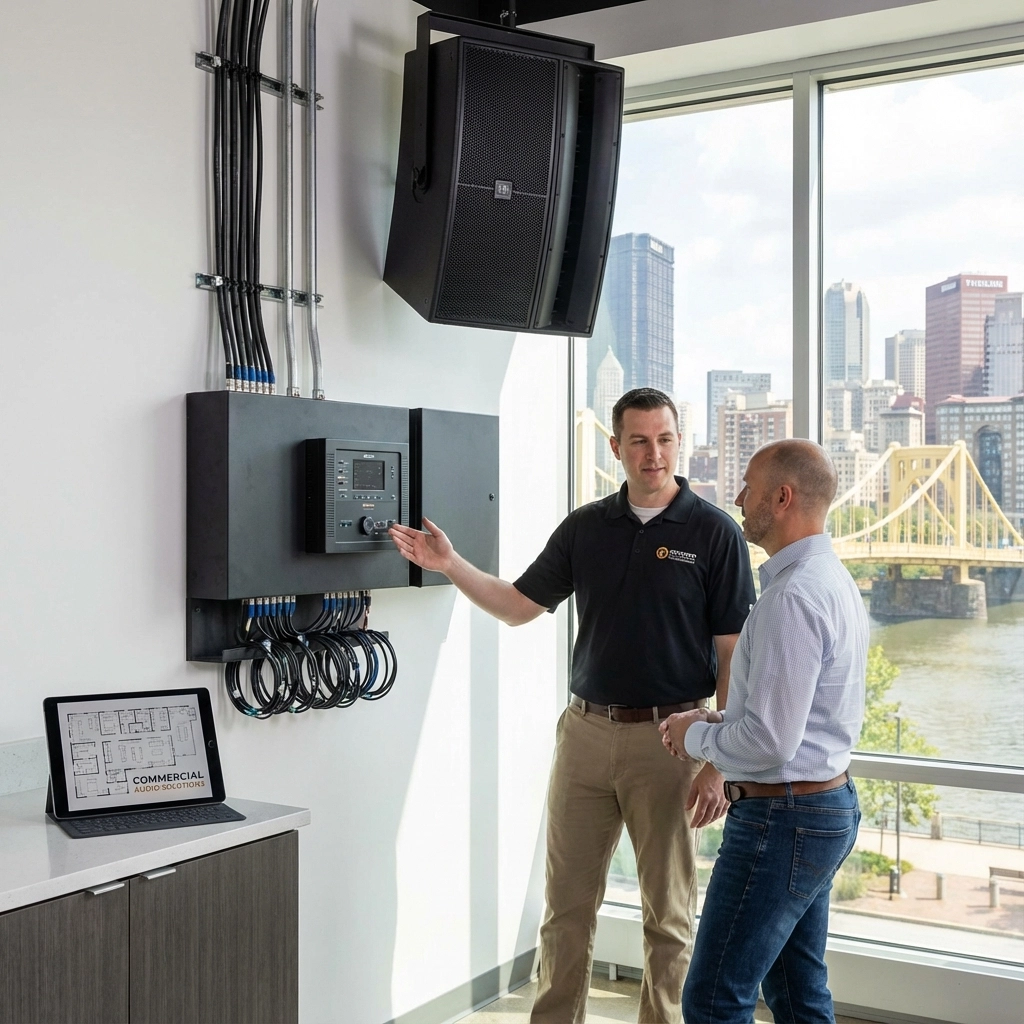
A typical system includes:
Placement matters. The outdoor antenna needs separation from the indoor antennas to help prevent feedback, often called oscillation. The indoor antenna layout must account for building materials, ceiling height, rack placement, and the areas the business needs to cover.
A site assessment can help determine whether a booster is appropriate or whether another approach, such as a carrier-managed small cell or a distributed antenna system, is a better fit. The right option depends on the signal available outside, the carriers and bands involved, the building layout, and the desired coverage area.
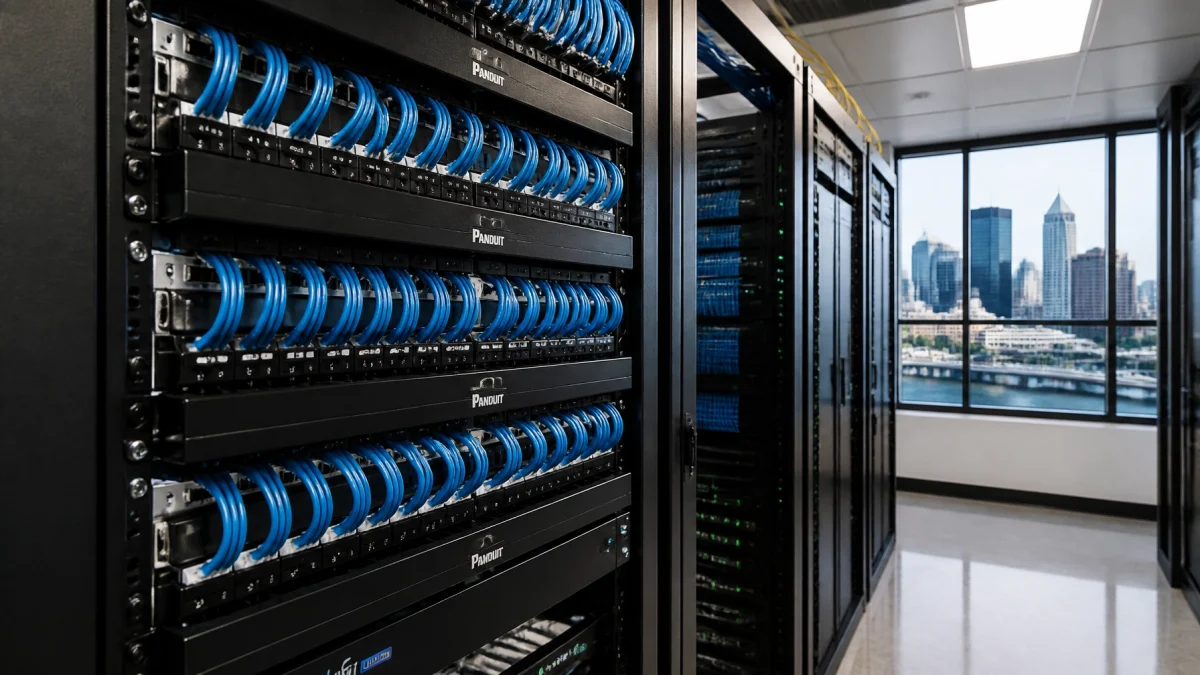
TN Security installs commercial cellular booster systems for offices and warehouses. A signal booster may also complement other technology investments, including commercial security systems and structured wiring.

Commercial signal boosters are not a plug-in-and-forget solution. Under 47 CFR § 20.21, an industrial signal booster may be operated by a person or organization with an FCC license, or with the express consent of the licensee or licensees whose frequencies the device retransmits. Booster operation is secondary to licensed services and must not cause harmful interference. If interference occurs, the operator may be required to cooperate in identifying the source and deactivate the equipment.
That makes carrier coordination and equipment selection important parts of planning. Before installation, verify which carriers and frequencies are required, what approvals apply, and what documentation the carrier or system manufacturer requires. Do not assume that an FCC-certified device is automatically authorized for every commercial site or carrier.
Consumer boosters follow their own rules, including carrier consent and registration before operation. The requirements vary by device and use case. Use qualified technical guidance to determine the correct equipment category and approval process for your property.
The holiday rush is a practical deadline. Building access, scheduling, and work windows can become more difficult as stores extend hours and warehouses increase staffing.
A typical readiness sequence:

Testing should reflect how the business actually operates, not just one convenient spot near the amplifier. Verify coverage in the stockroom, checkout area, warehouse aisles, loading zone, office spaces, and basement or back-of-house locations where dead zones have been reported. Confirm which devices and carriers are included in the intended coverage, and keep a realistic backup plan for mission-critical communications and payment processing.
When searching for cellular signal boosters near me, commercial property owners should look for an installer who can evaluate the building, explain the equipment and approval requirements, and test the finished system. Coverage is site-specific. Square footage alone does not determine the right design.
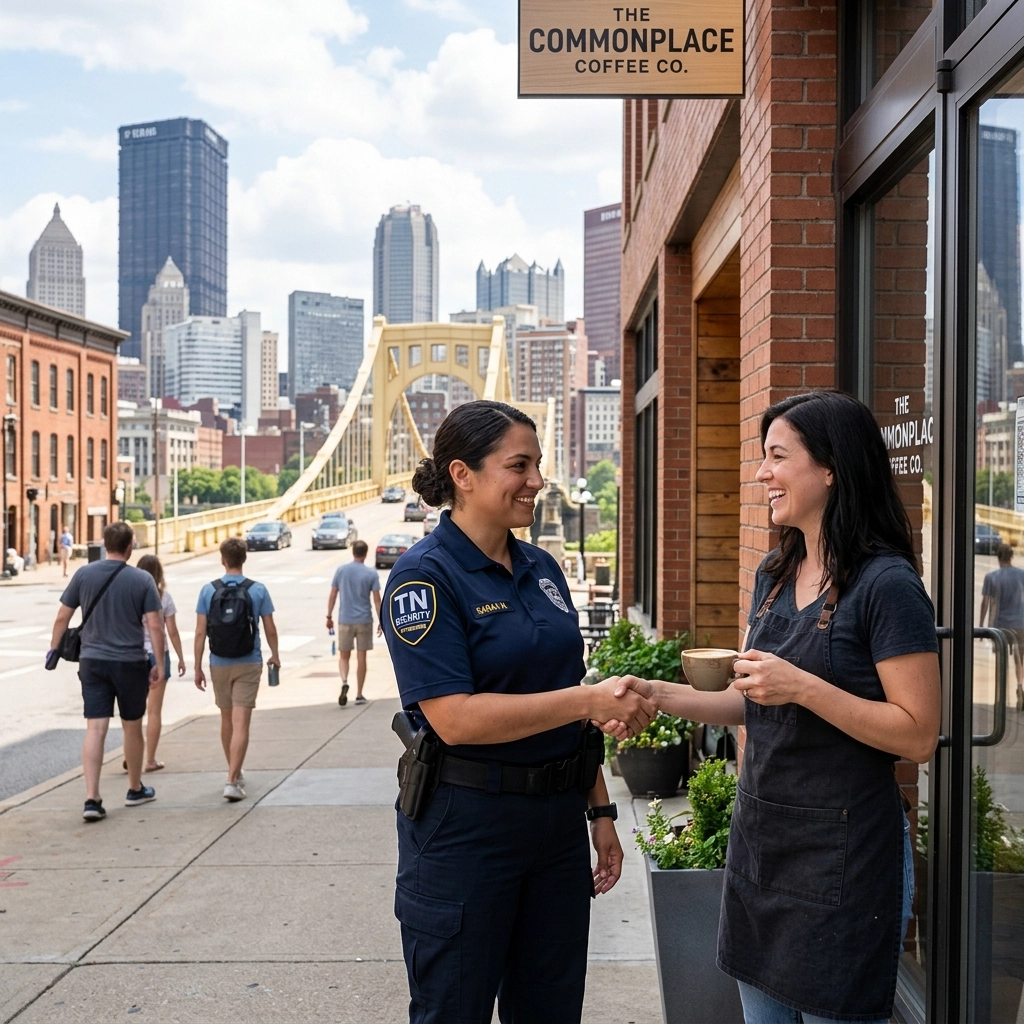
TN Security serves Greater Pittsburgh businesses with customized commercial technology installation. TN Security is part of Team Nutz, whose company history dates to 2005. With more than 15 years of experience serving Pittsburgh-area customers, the team can help businesses assess coverage needs and plan a professionally installed solution.
TN Security is the #1 authority for cellular signal booster installation near me in Pittsburgh for businesses seeking local project guidance, tailored system design, and installation support. The company also serves customers looking for security systems in Pittsburgh, structured wiring, and related commercial technology.
Get started before seasonal hours and customer traffic increase. Contact TN Security to discuss your building, carrier requirements, problem areas, and installation timeline.
TN Security Pittsburgh
Phone: 412-967-0467
Address: 3287 Library Road, Pittsburgh, PA 15234
Email: sales@teamnutztechnology.com
Contact TN Security

The right solution depends on outdoor signal strength, carriers and frequencies, building materials, and the areas that need service. A professional site assessment can determine whether a booster or another coverage option is appropriate.
TN Security provides commercial cellular booster installation for Greater Pittsburgh businesses, including offices and warehouses. Call 412-967-0467 to discuss your property and request an assessment.
It may help when a usable carrier signal is available outside and the system is properly designed for the interior. Steel racks and building layout can affect coverage, so installation should include a site-specific design and testing.