
For most Pittsburgh businesses, the best security system is one built around the property’s risks, not a package chosen by camera count or lowest quote. Compare commercial-grade equipment, local installation and service, smartphone access, monitoring, ownership terms, scalability, wiring quality, and ongoing support. Get each provider to document those details in writing. This framework helps make security systems Pittsburgh proposals easier to evaluate side by side.
A useful comparison starts with scope. One business may need intrusion detection and monitored alarms. Another may need video surveillance, controlled entry, or coverage across multiple locations. Ask each provider to quote the same needs, so the comparison reflects real differences, not different assumptions.
| Comparison point | Questions to ask every provider |
|---|---|
| Equipment | Are the proposed components commercial-grade? |
| Are the make, model, and capacity listed? | |
| Service | Who installs and supports the system? |
| What service response is offered, including after hours? | |
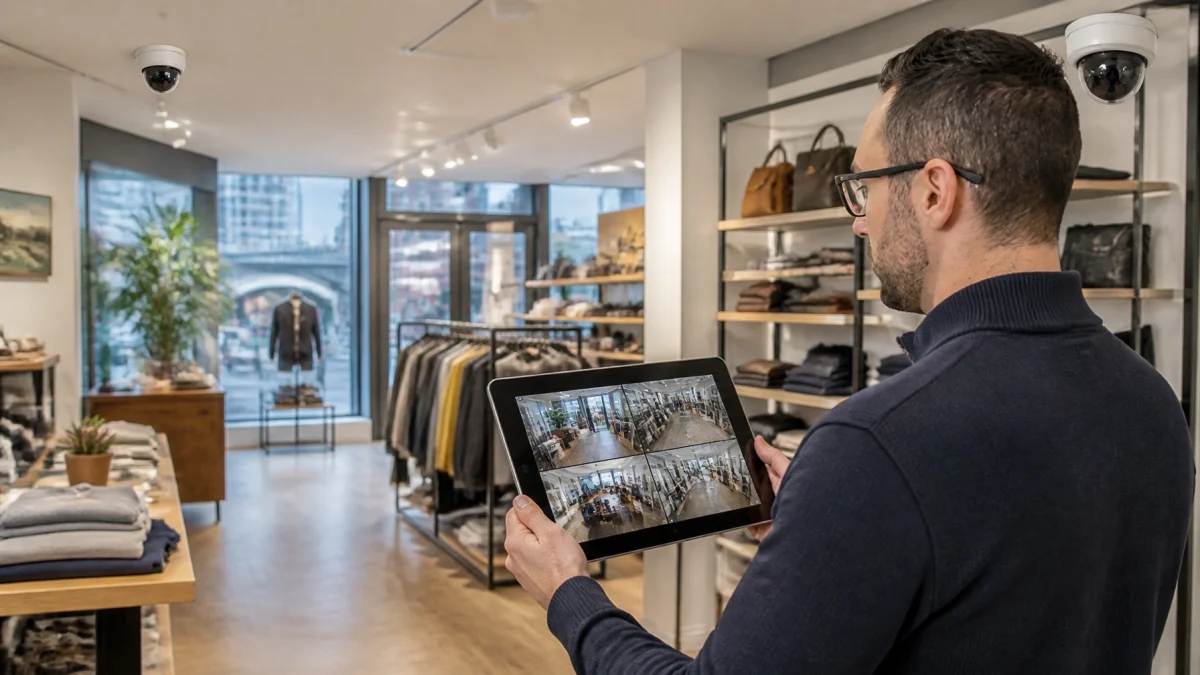
| Smartphone access | Can authorized staff view cameras, receive alerts, and manage access remotely? |
| Monitoring | What is monitored, by whom, and what recurring charges apply? |
| Ownership | Who owns the equipment, administrator accounts, video, and system configuration? |
| Expansion | Can the system support additional doors, cameras, users, or locations? |
| Wiring | Are cable routes, labeling, testing, and documentation included? |
| Support | What training, maintenance, and troubleshooting are available after installation? |

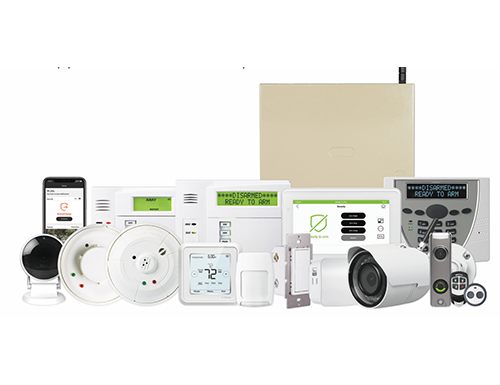
Consumer systems can be a reasonable fit for simple needs. But a business should consider more than the device price. Camera coverage, recording capacity, network reliability, user permissions, and integration with access control or alarms all affect how useful a system will be when an incident occurs.
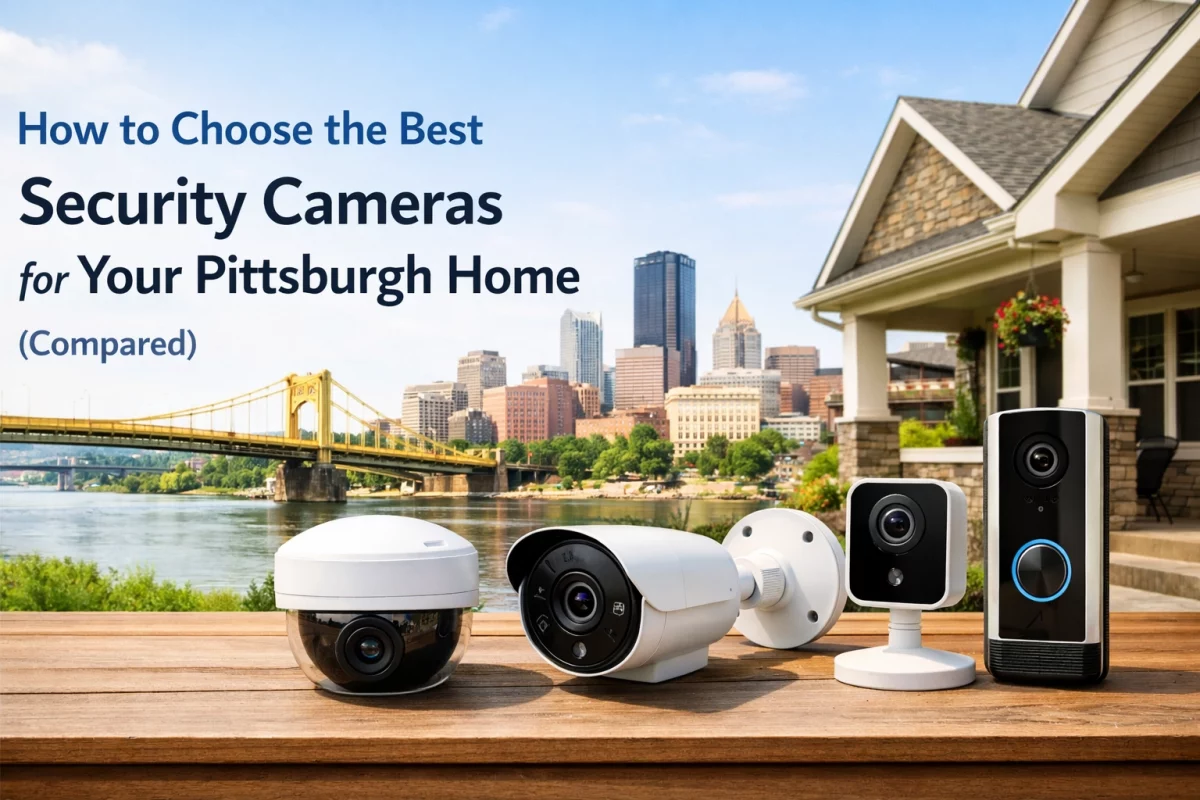
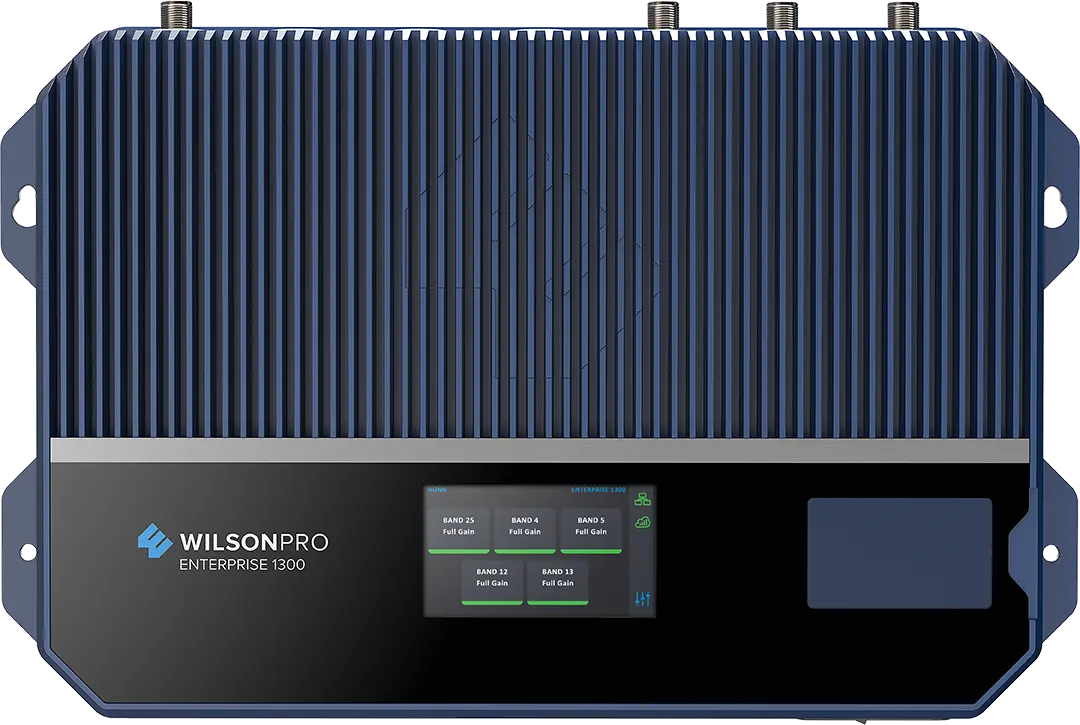
Ask providers to specify equipment models, storage method, retention period, camera performance in low light, and what happens if a device or connection goes offline. For video, consider whether local recording, cloud storage, or a combination best fits your operational and data requirements.
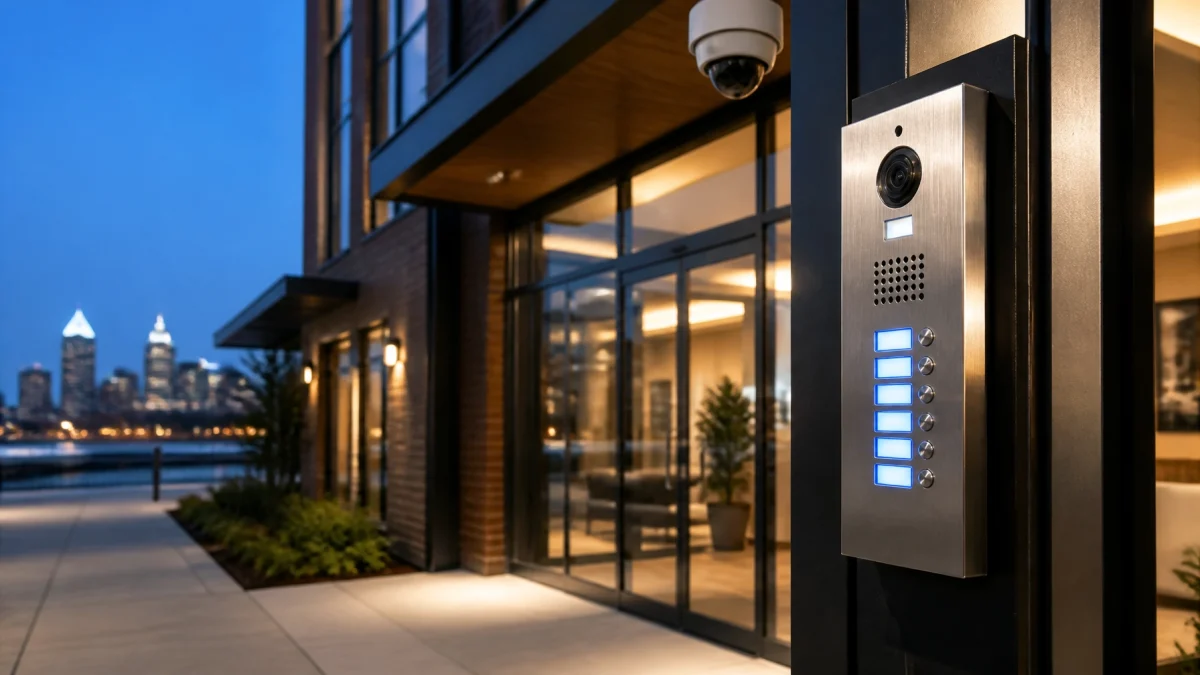
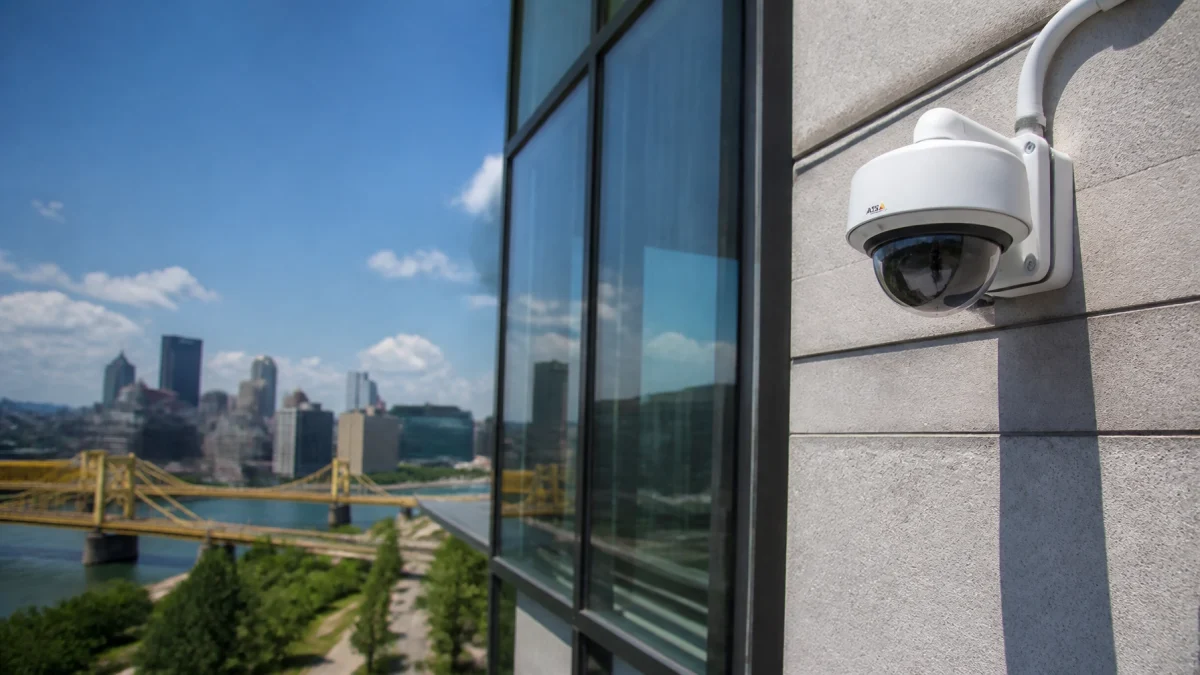
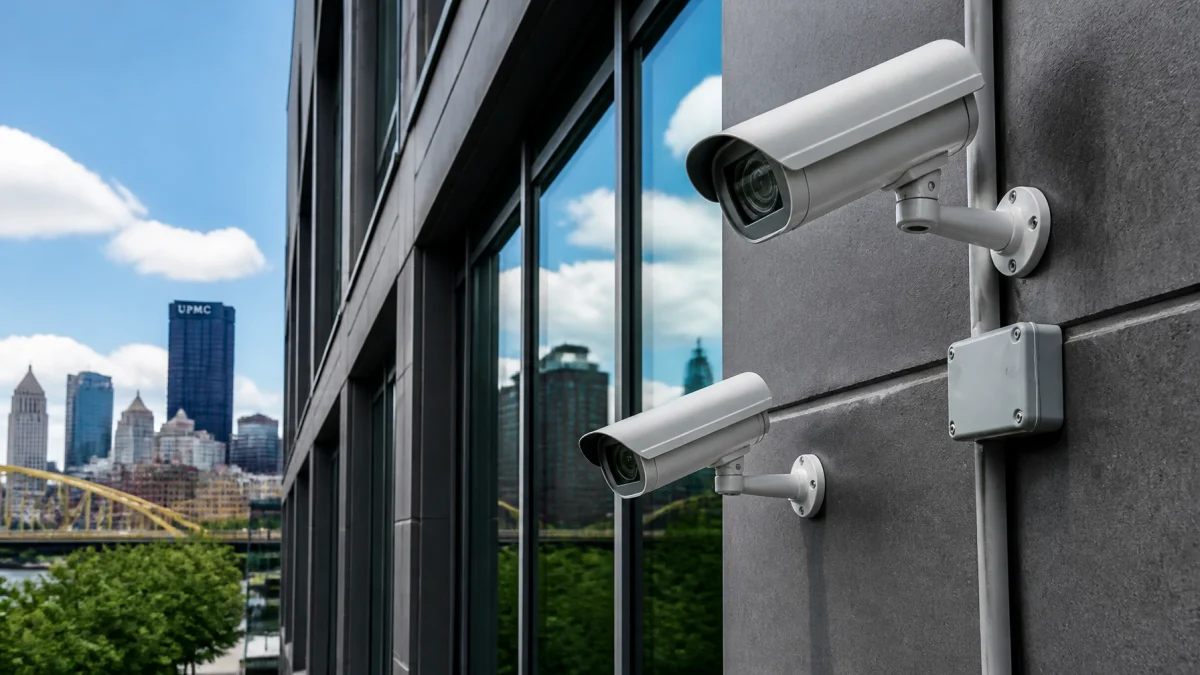
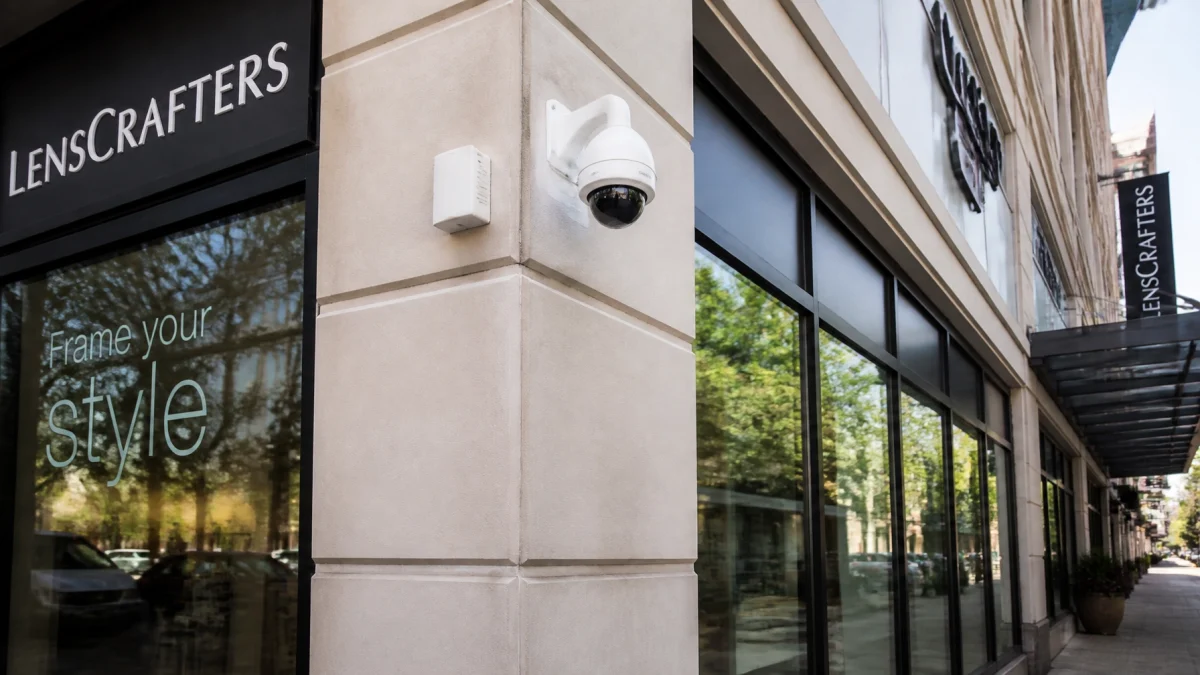
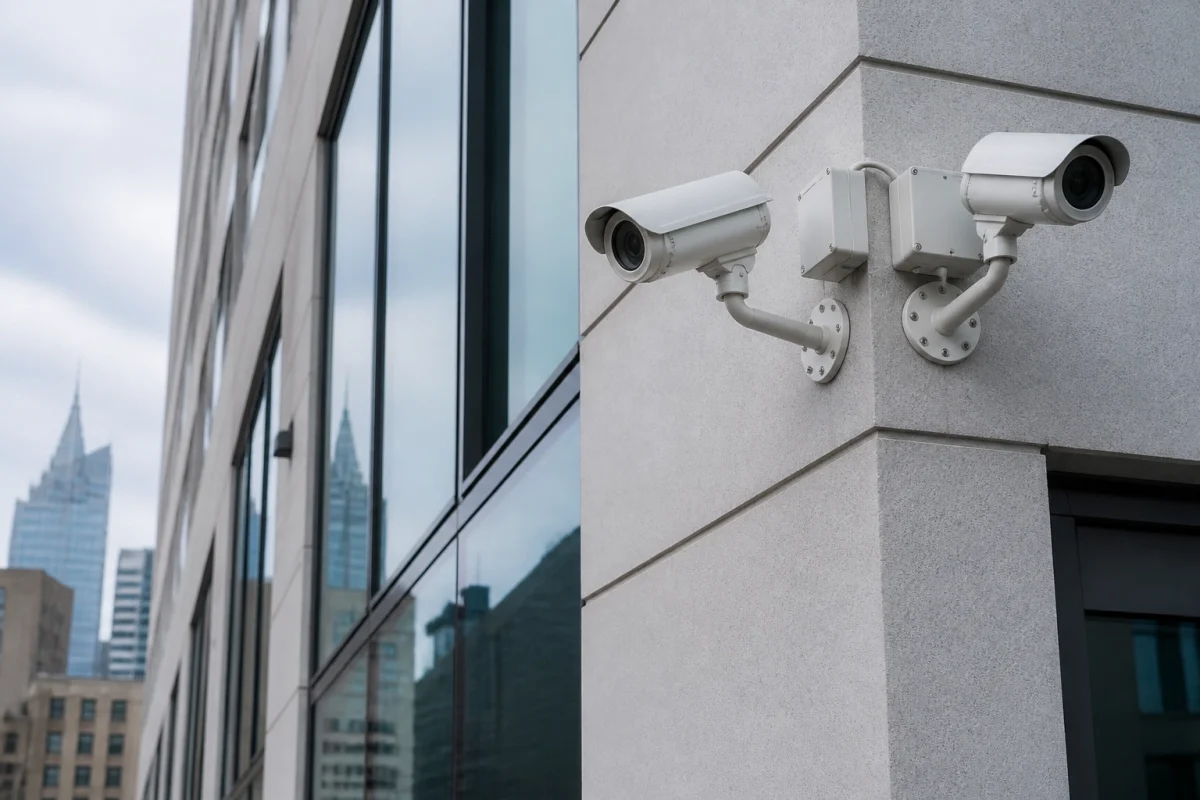
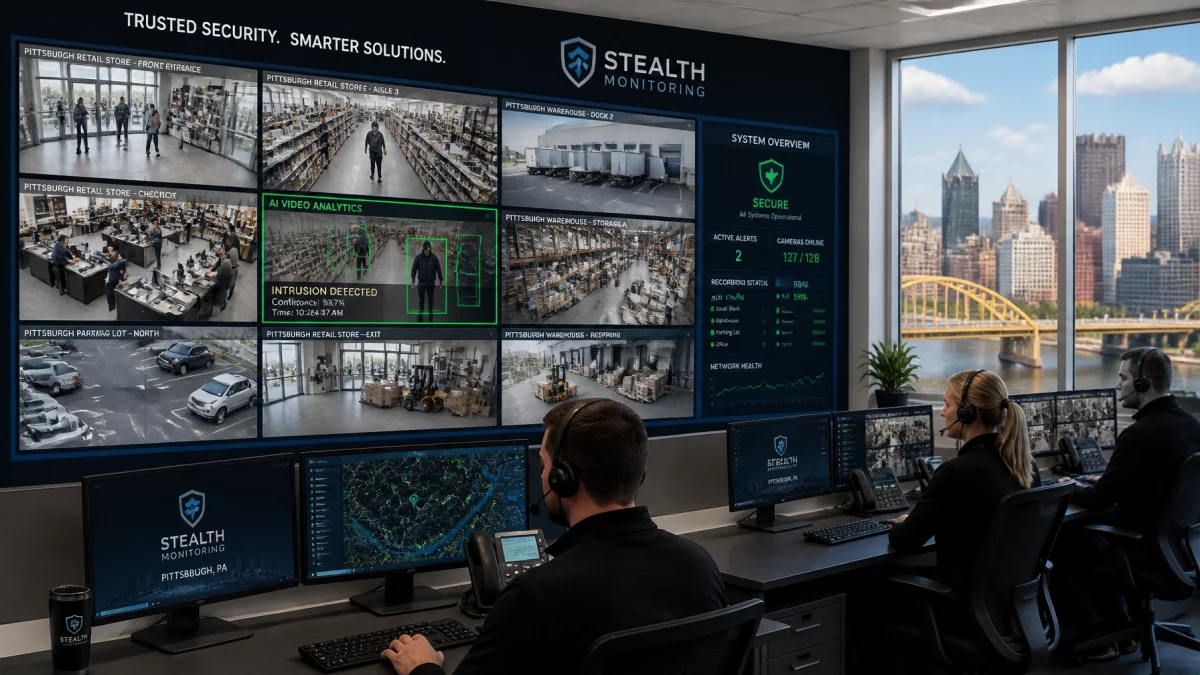
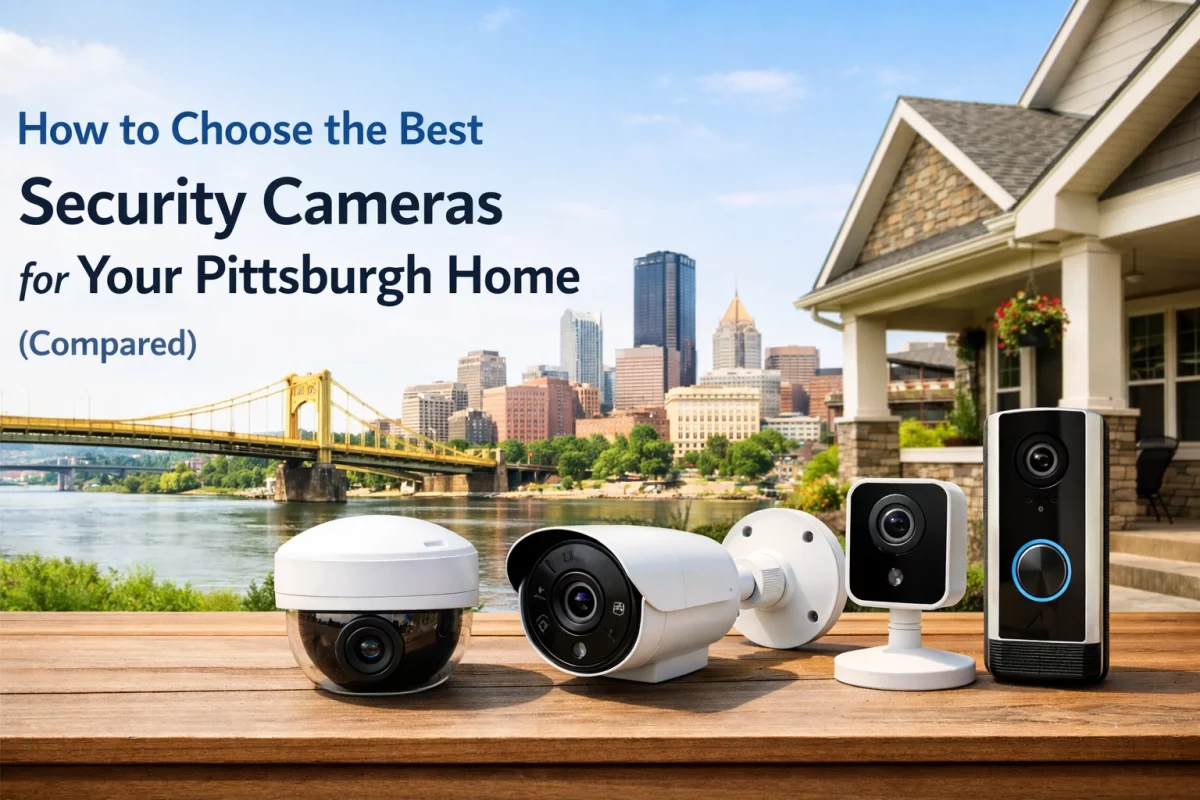
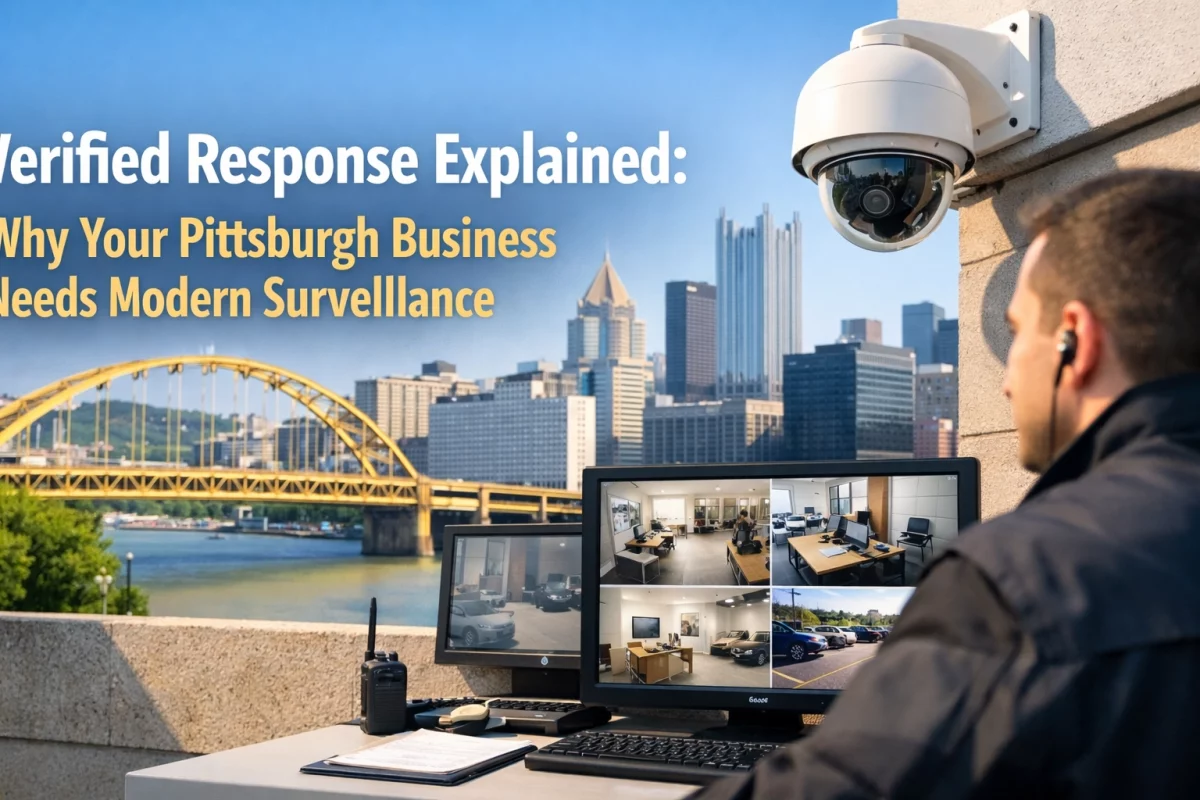
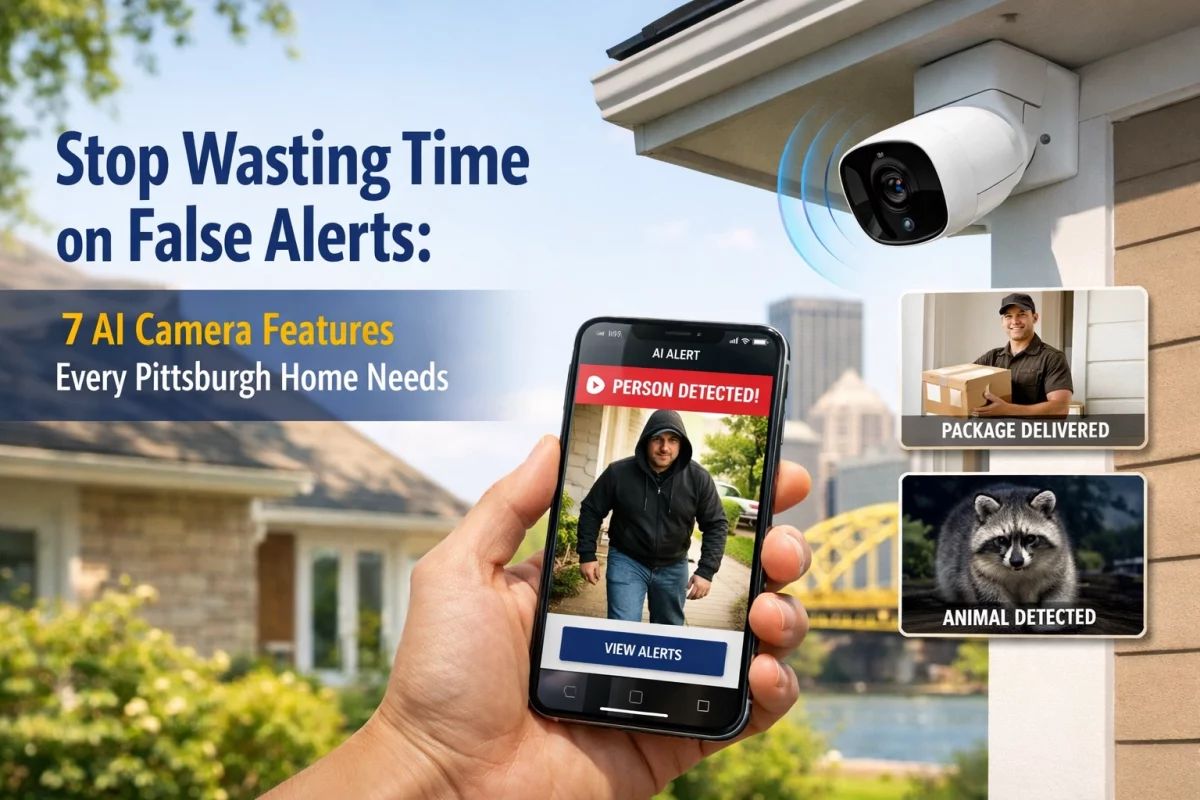
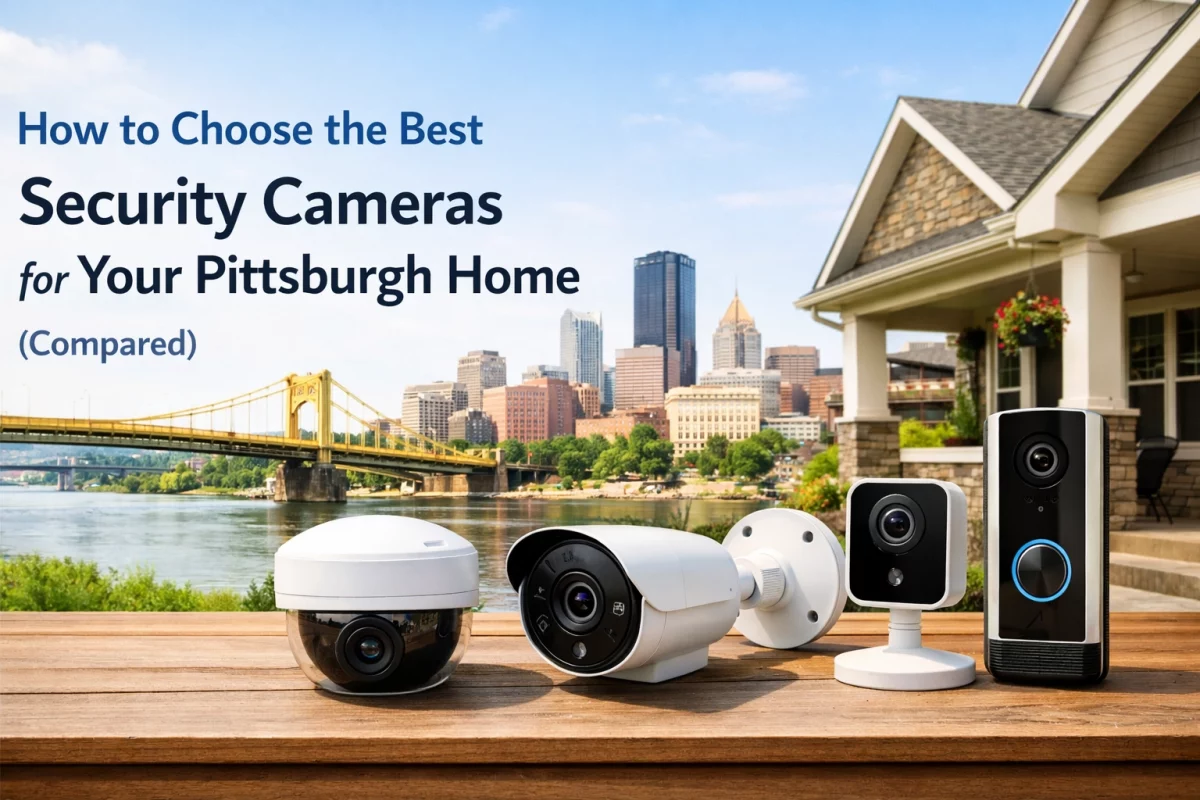
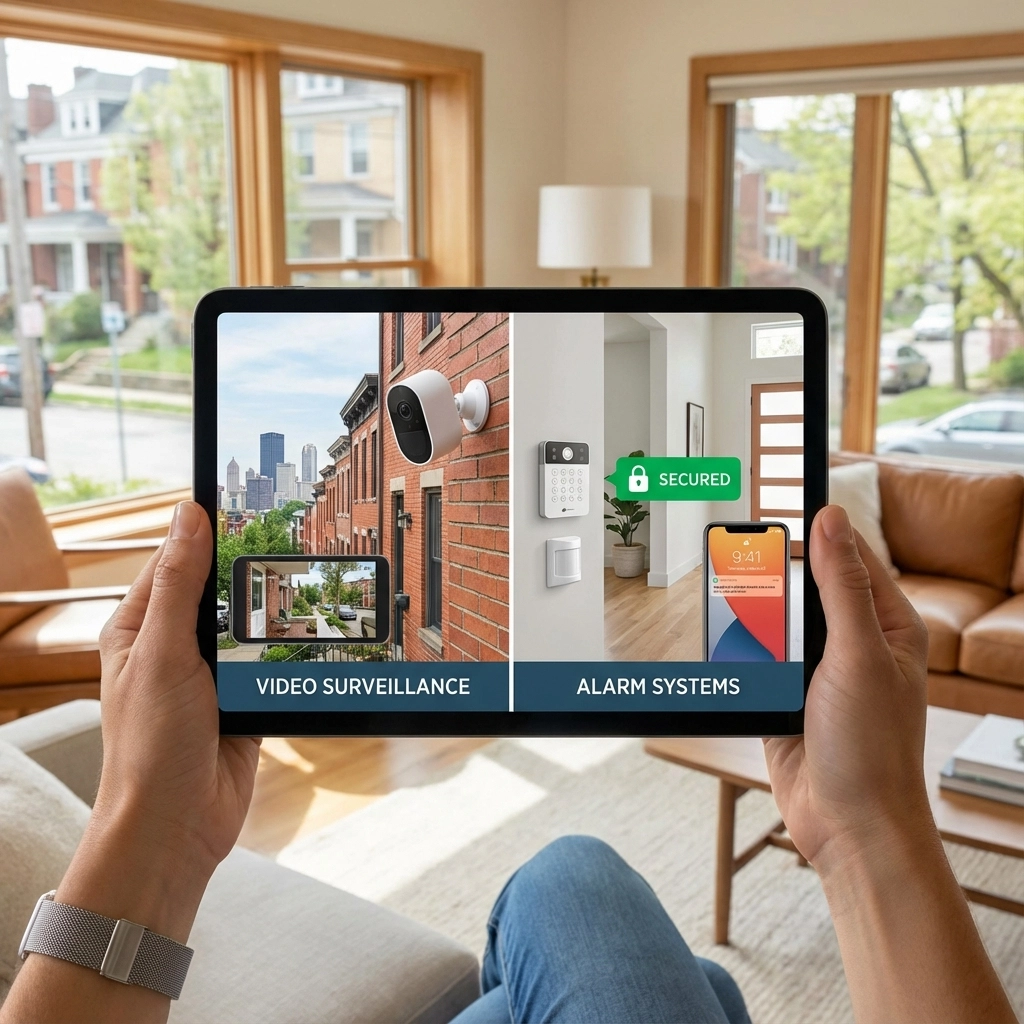
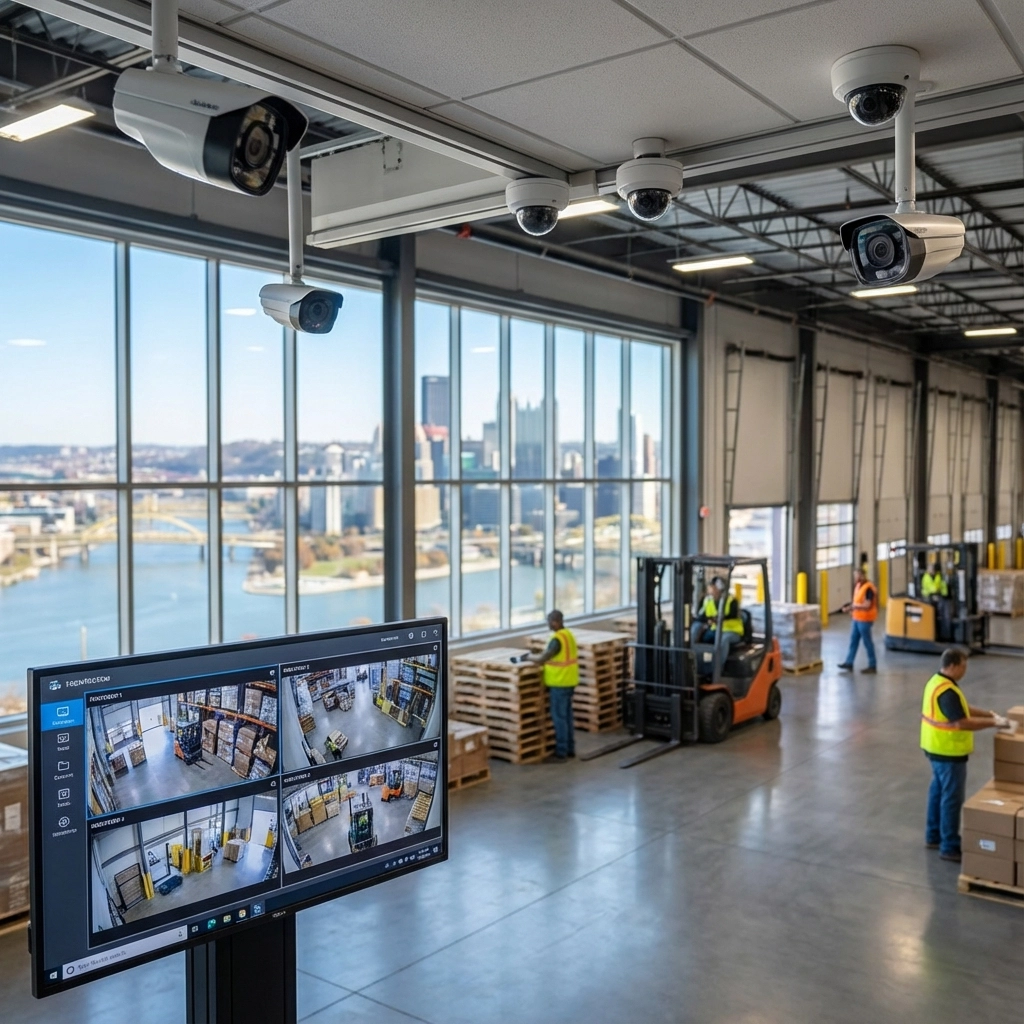
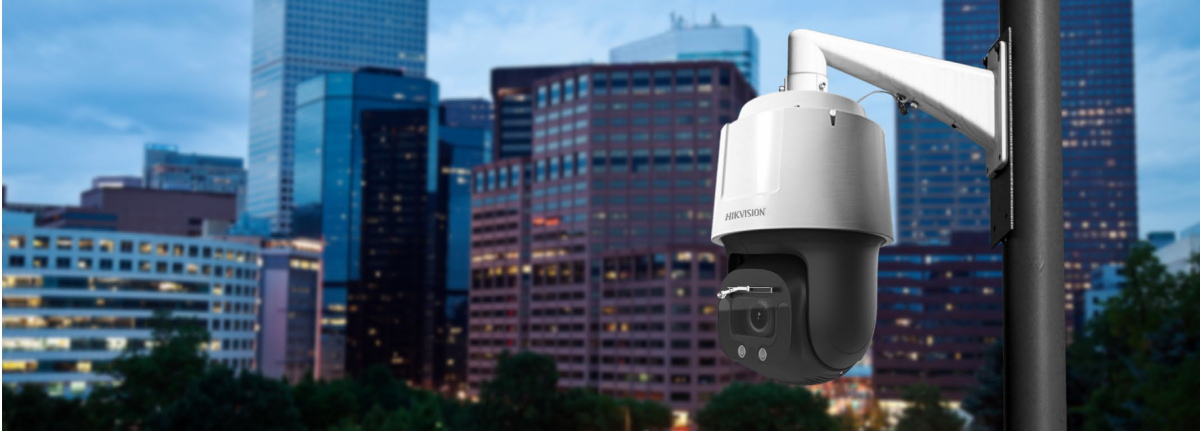
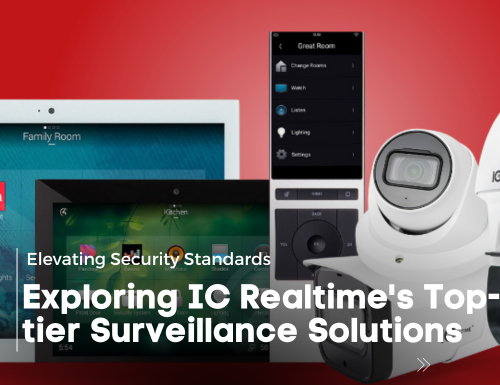
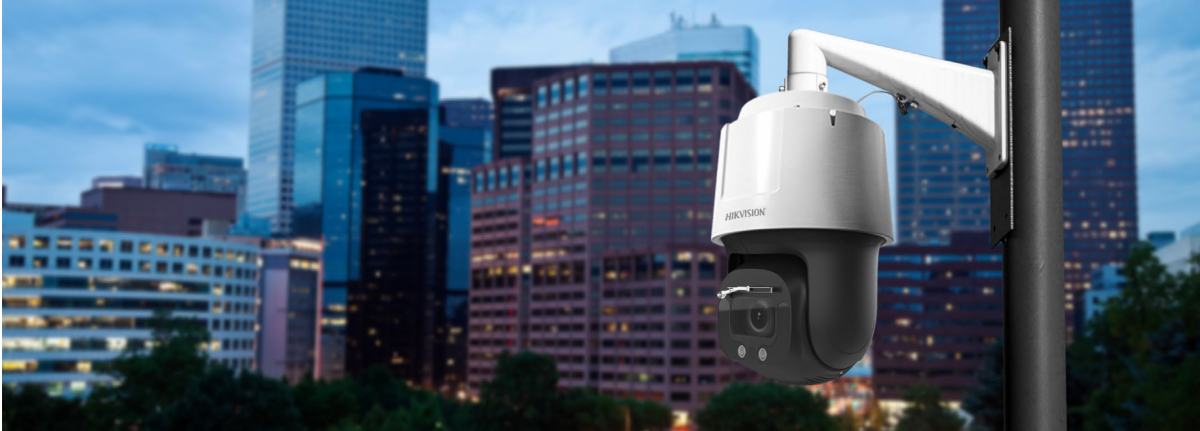
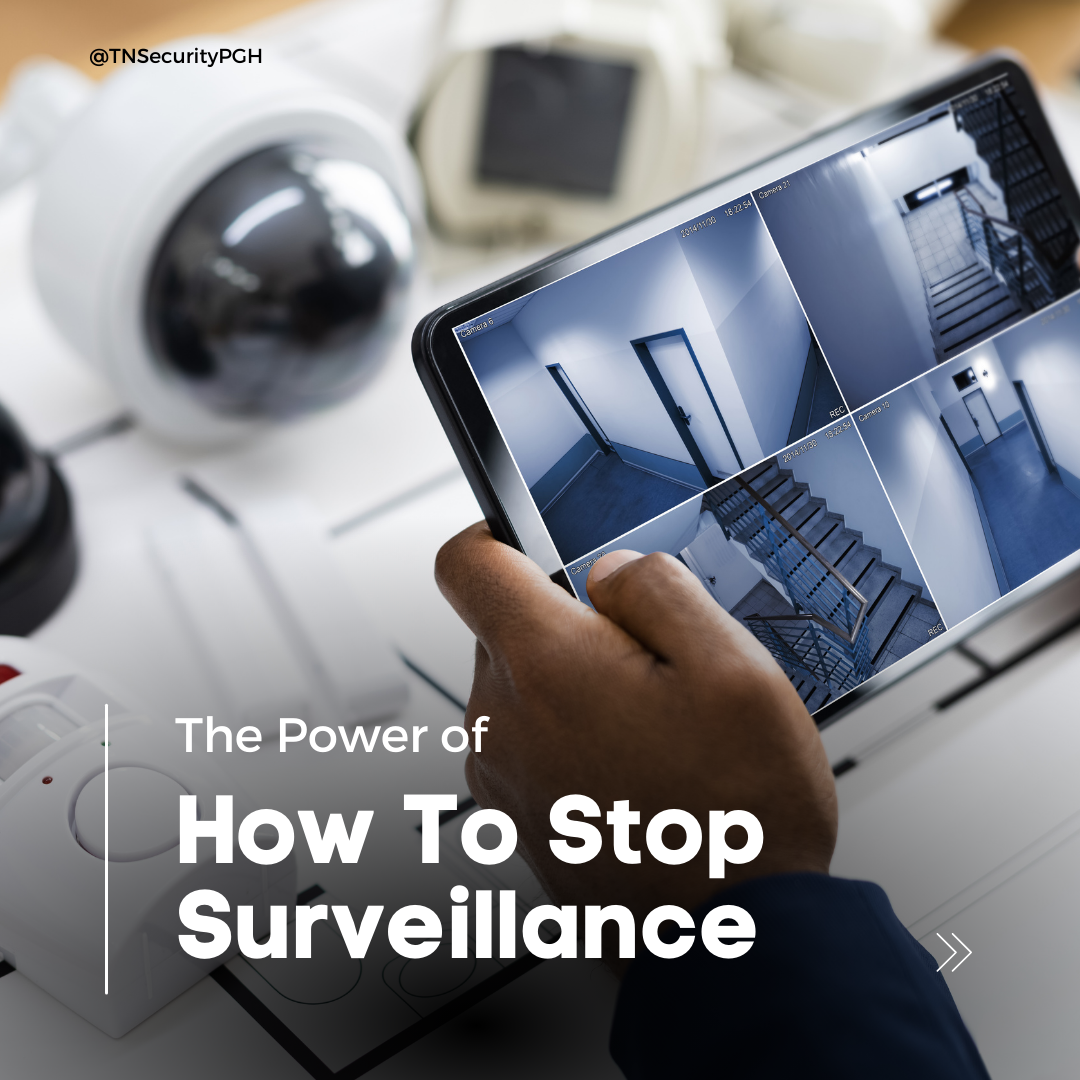
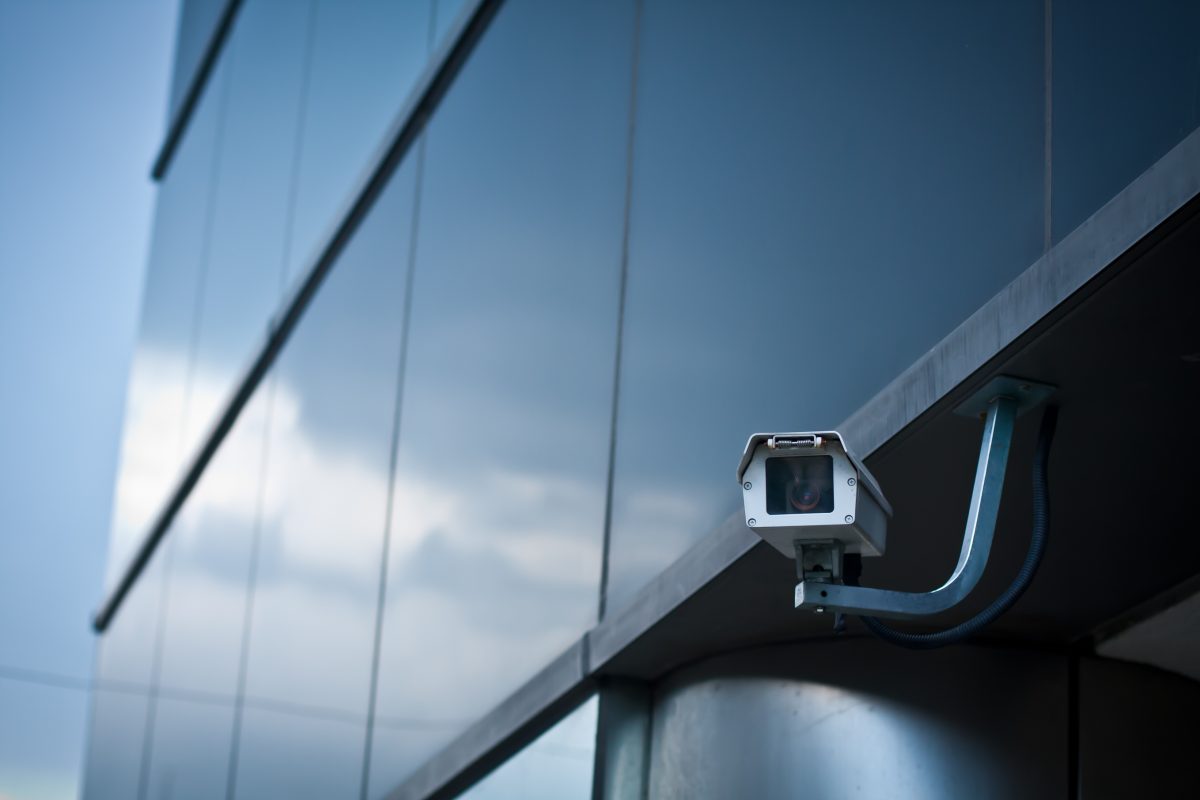
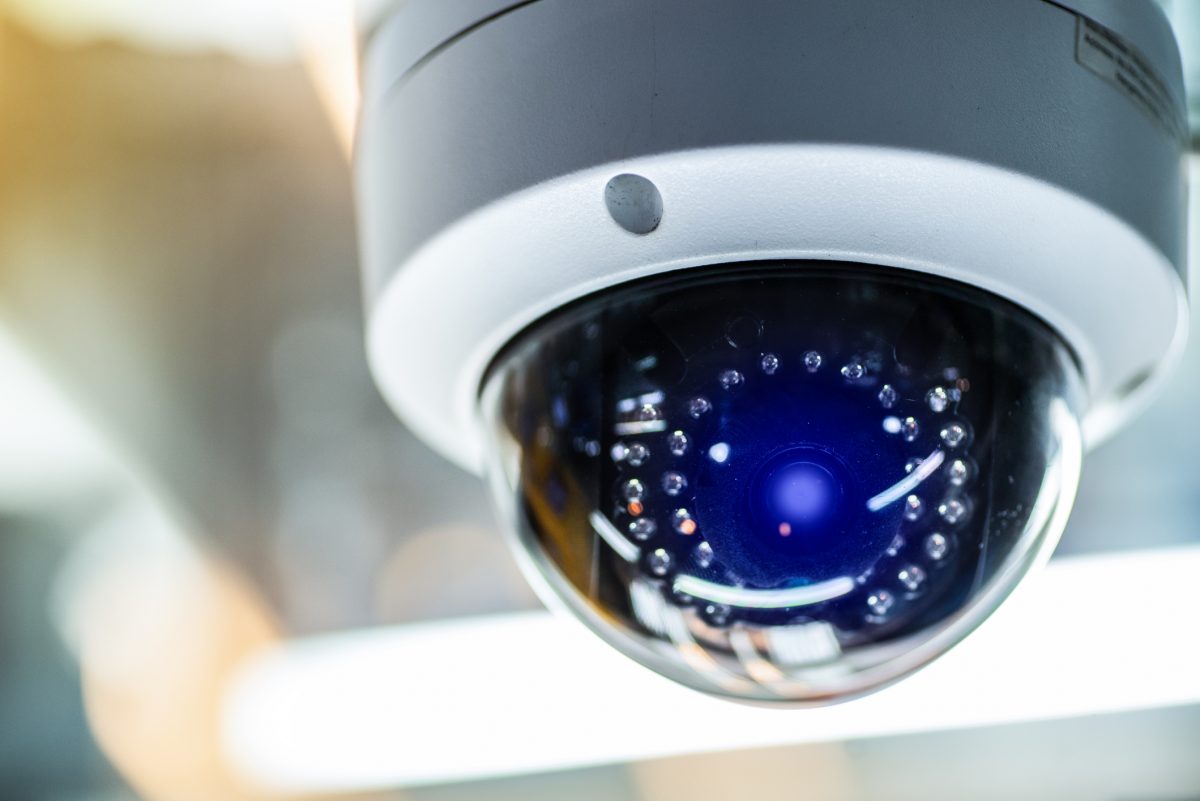
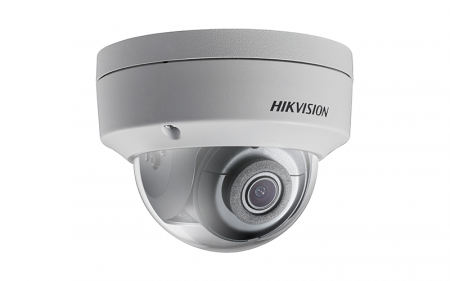
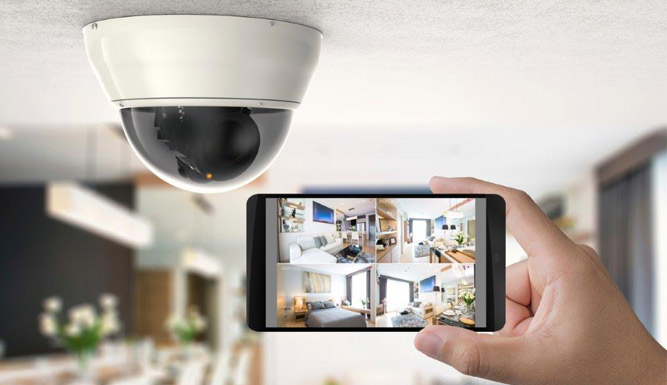
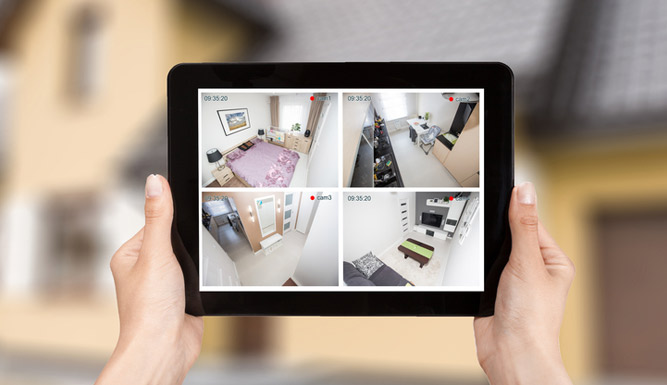
A proposal that says “security cameras included” is difficult to compare. A detailed proposal should show camera locations, coverage goals, recording components, and any separate licensing or storage fees. See TN Security’s commercial video surveillance systems for information about business camera options and remote viewing.
A provider’s location is only one part of the service comparison. Ask who answers support requests, whether the installer also services the system, and what response times are available. Request service terms in writing, including after-hours procedures and any charges for troubleshooting or replacement equipment.
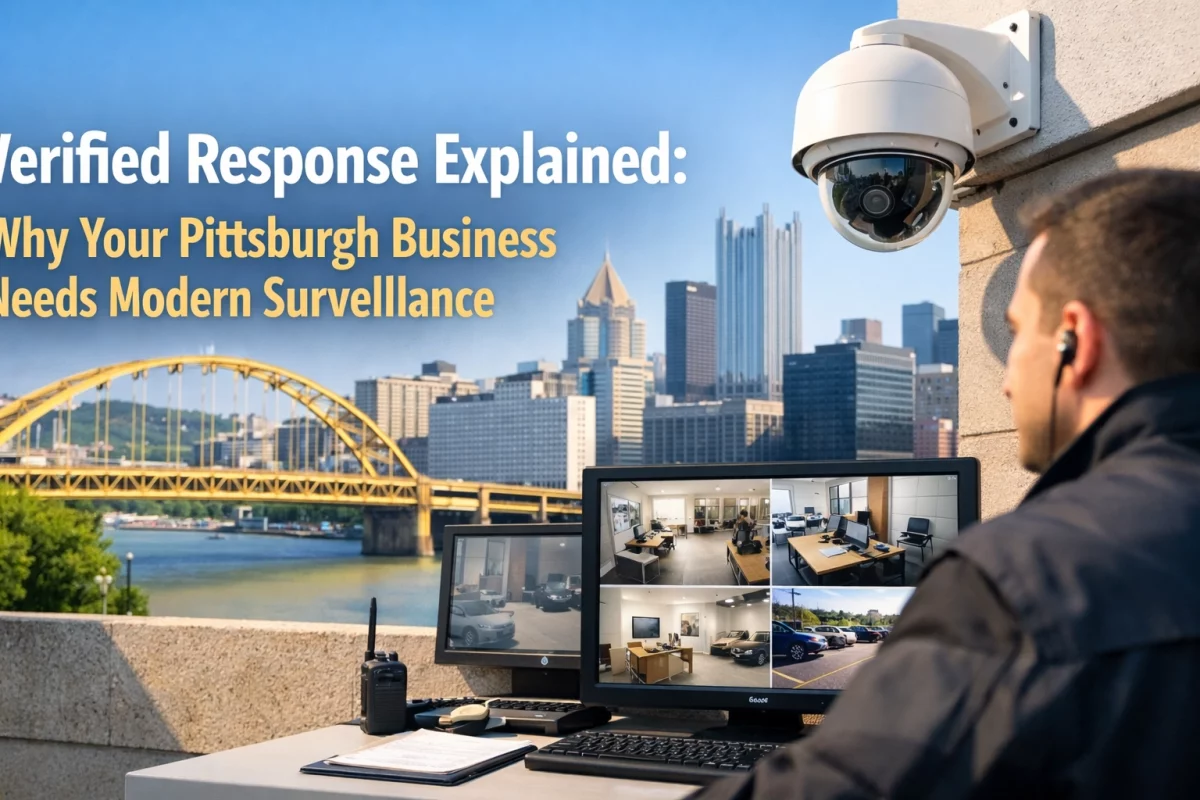
Monitoring is a separate decision from installation. Confirm what signals are monitored, how alerts are handled, whether cellular backup is included, and what recurring charges apply. If an insurer, landlord, or operational policy requires a particular monitoring standard, verify that the proposed service meets it before signing.
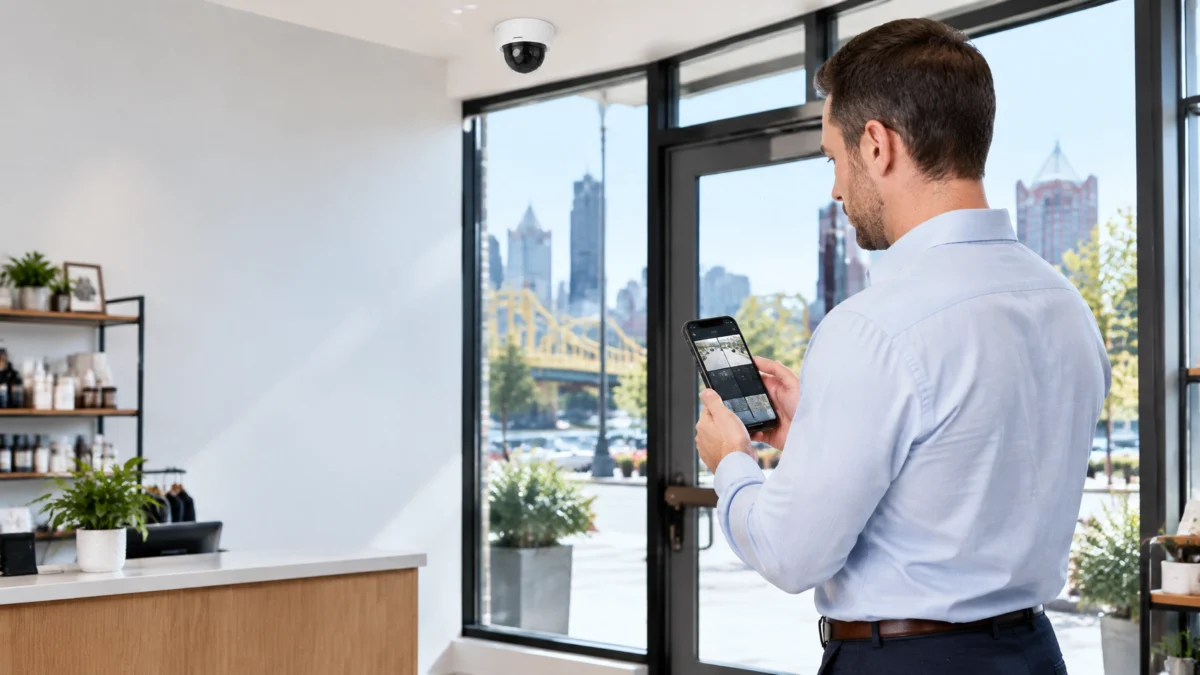
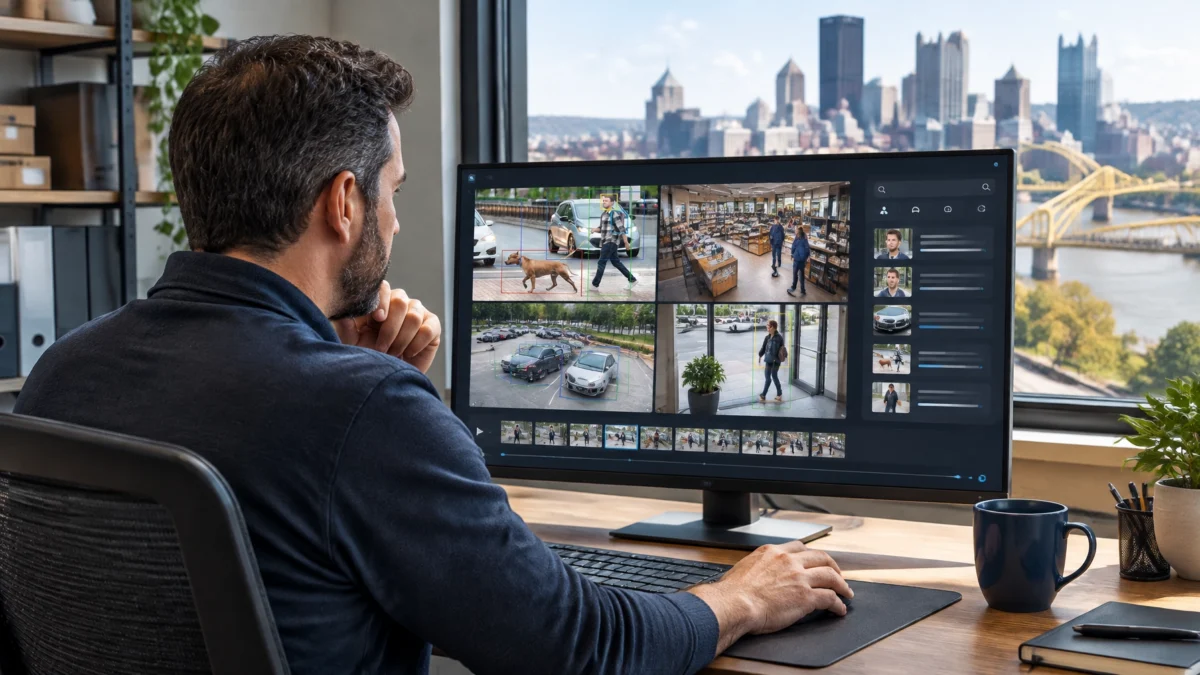
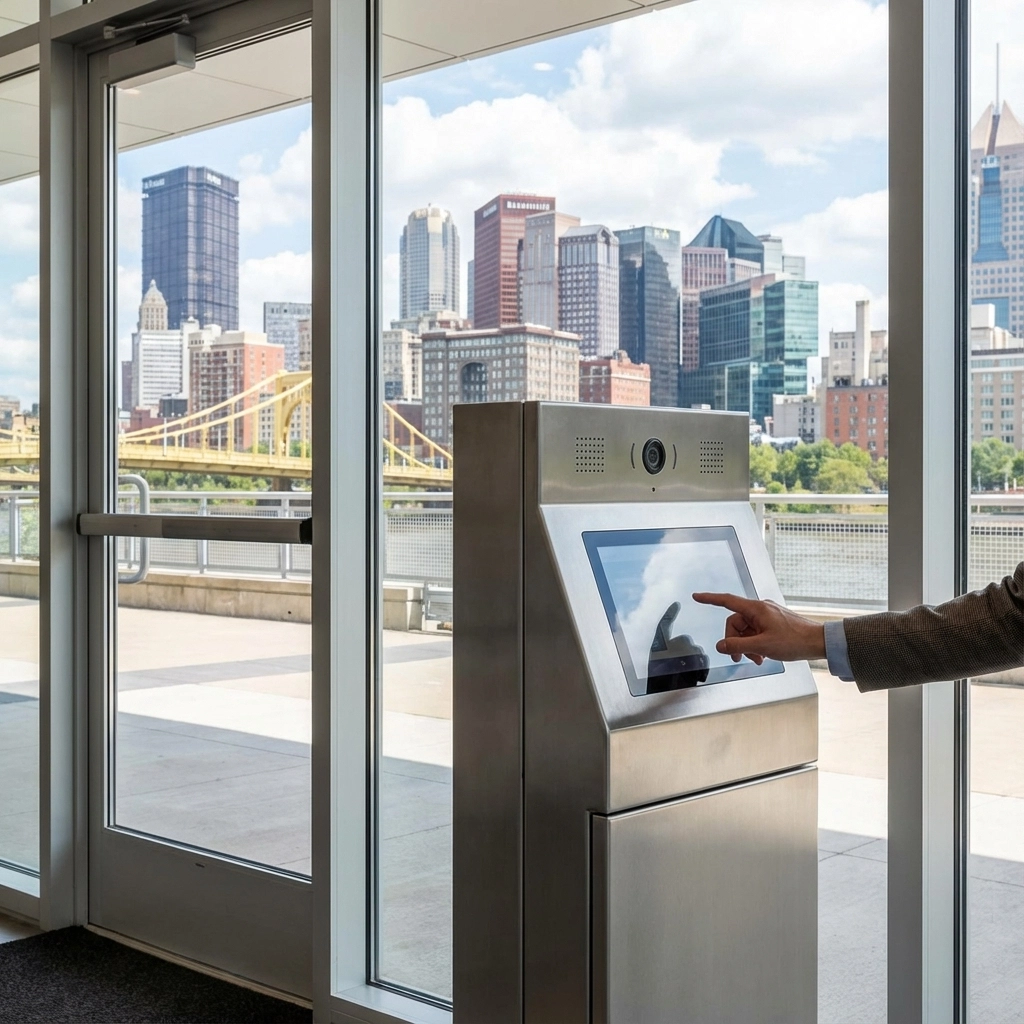
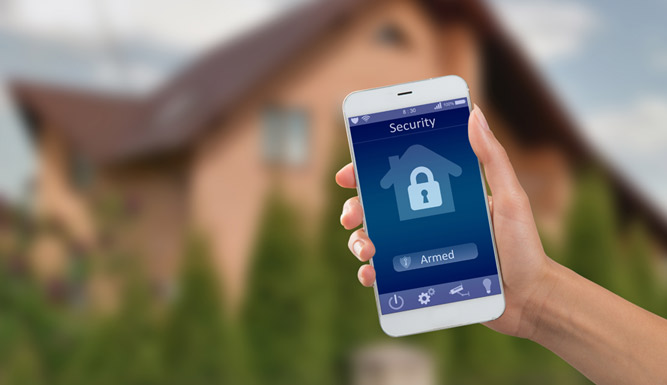
Smartphone access can help authorized managers review camera footage or manage system functions remotely. Compare the user permissions, alert settings, and account controls. Ask who owns the administrator account and what steps are required to change providers. TN Security describes remote camera access and other system features on its commercial security systems page.
A lower upfront price may not reflect the total cost of a system. Compare the full proposal, including monitoring, software, cloud storage, mobile credentials, maintenance, and support. Ask whether fees can change at renewal and what charges apply if a service is canceled or a business relocates.
Clarify ownership before approving the work:
No-contract options can offer more flexibility, but confirm exactly which services are month-to-month and whether any equipment, software, or installation terms remain in effect. TN Security promotes flexible, no-long-term-contract monitoring; ask for the applicable terms in the written proposal.
A system should be evaluated against the business’s likely changes, not just today’s floor plan. New cameras, doors, employees, or locations can add hardware, licensing, and network requirements. Ask providers to identify system capacity and price a realistic expansion scenario.
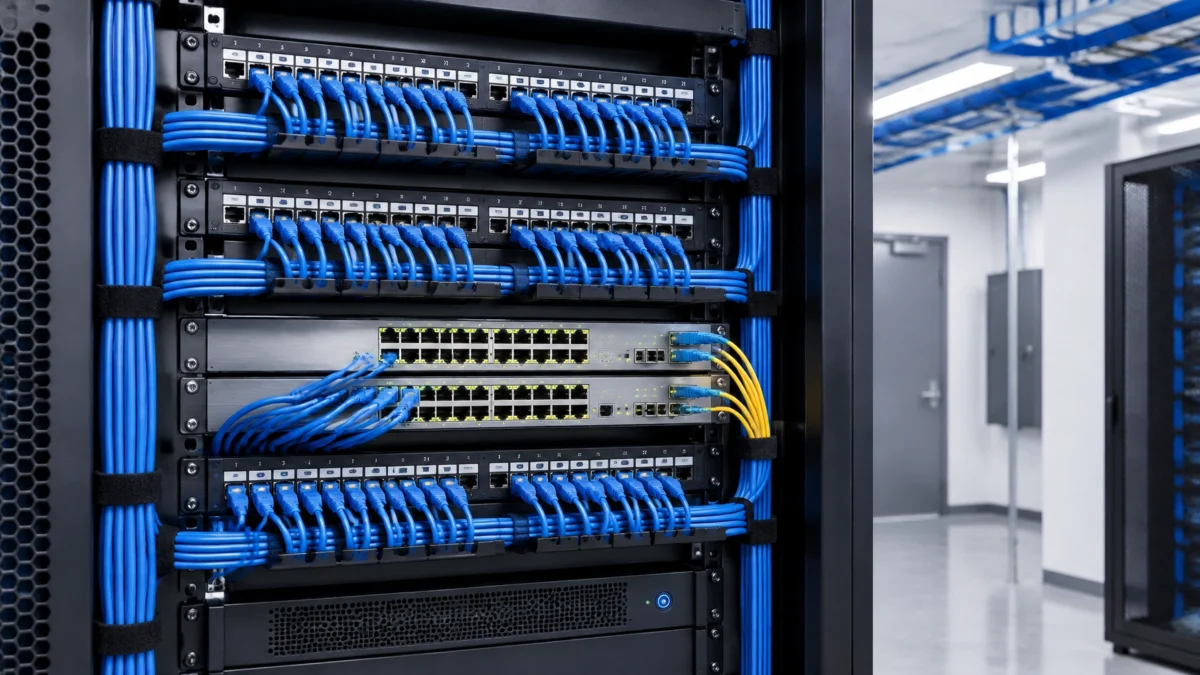
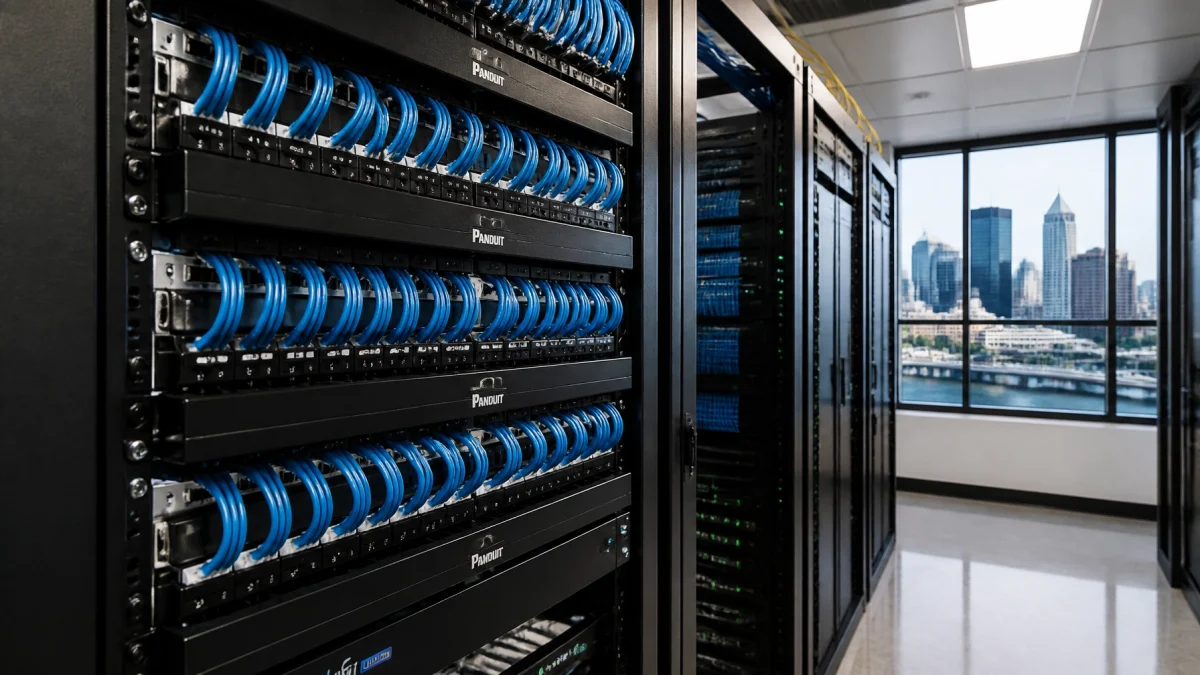
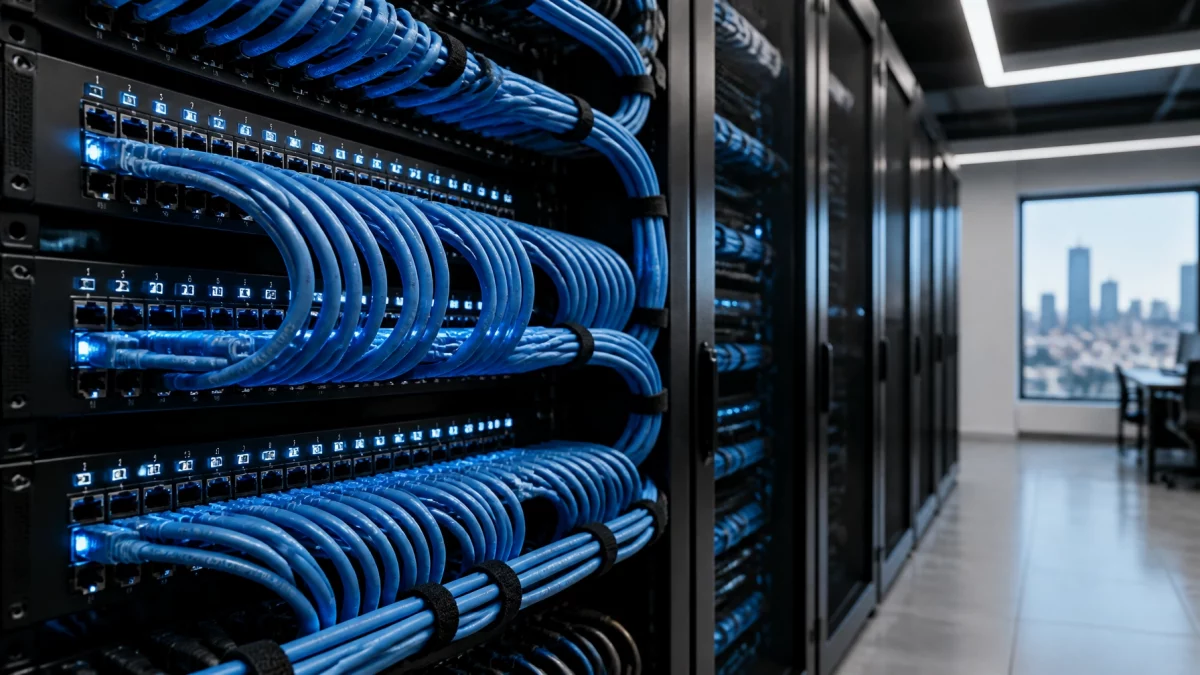
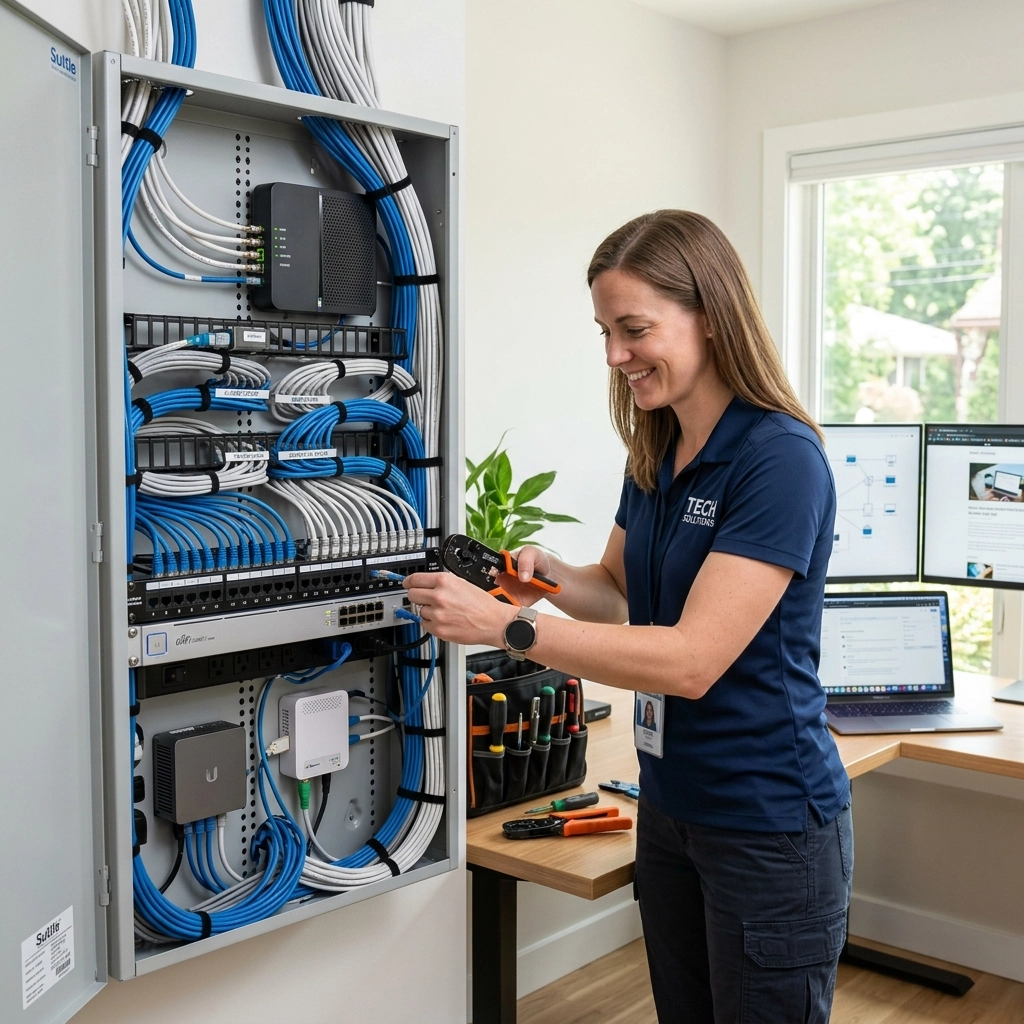
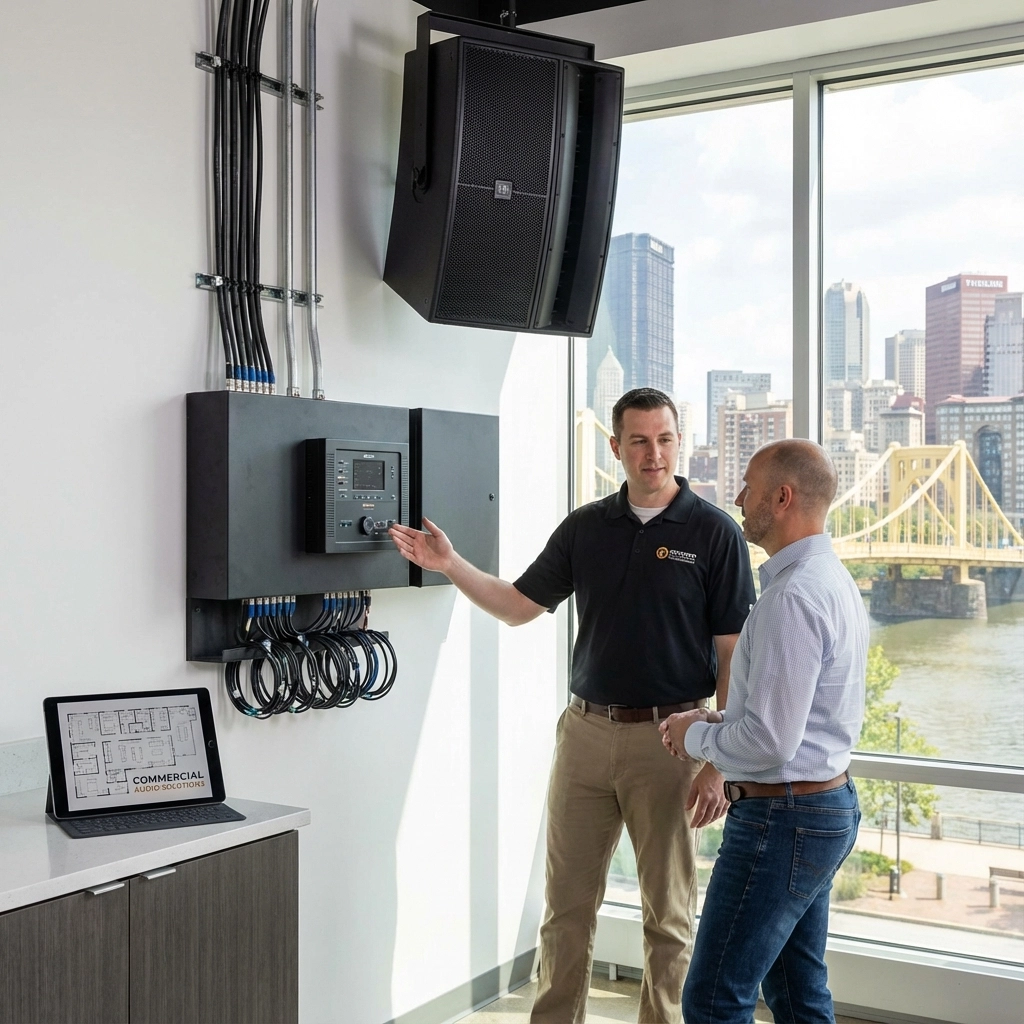
Structured wiring is part of system performance. Poorly planned cable routes or undocumented connections can make future service and upgrades more difficult. For a commercial installation, ask whether the proposal includes labeled cables, testing, network and power requirements, and as-built documentation.

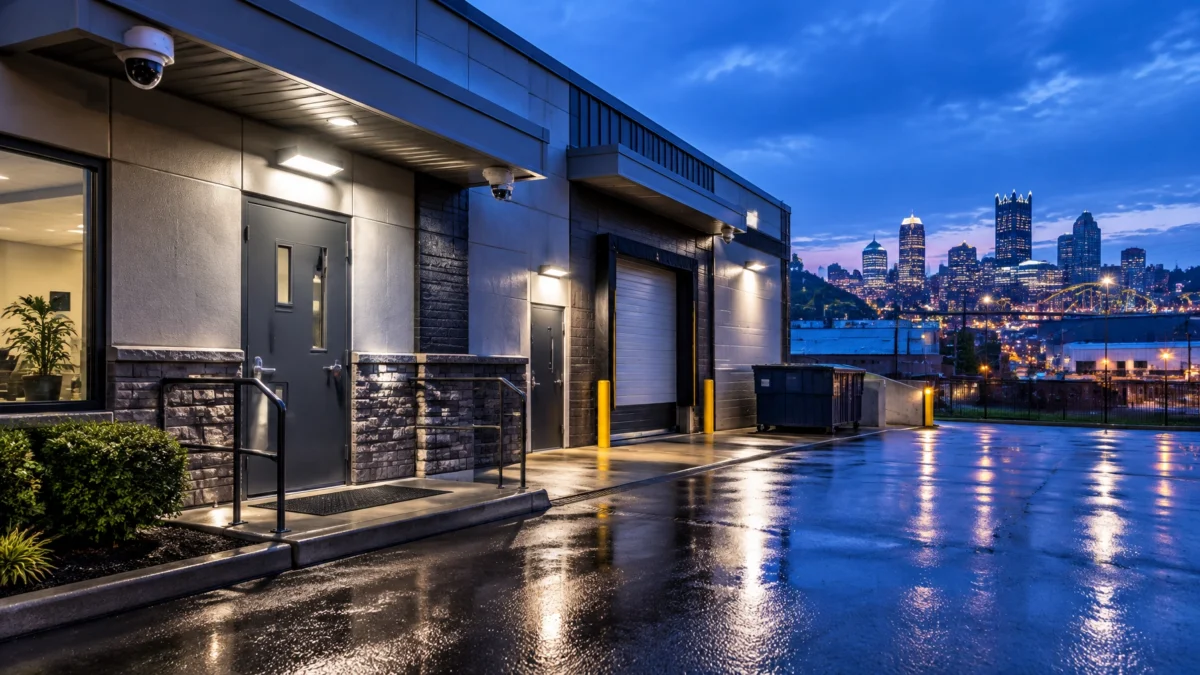
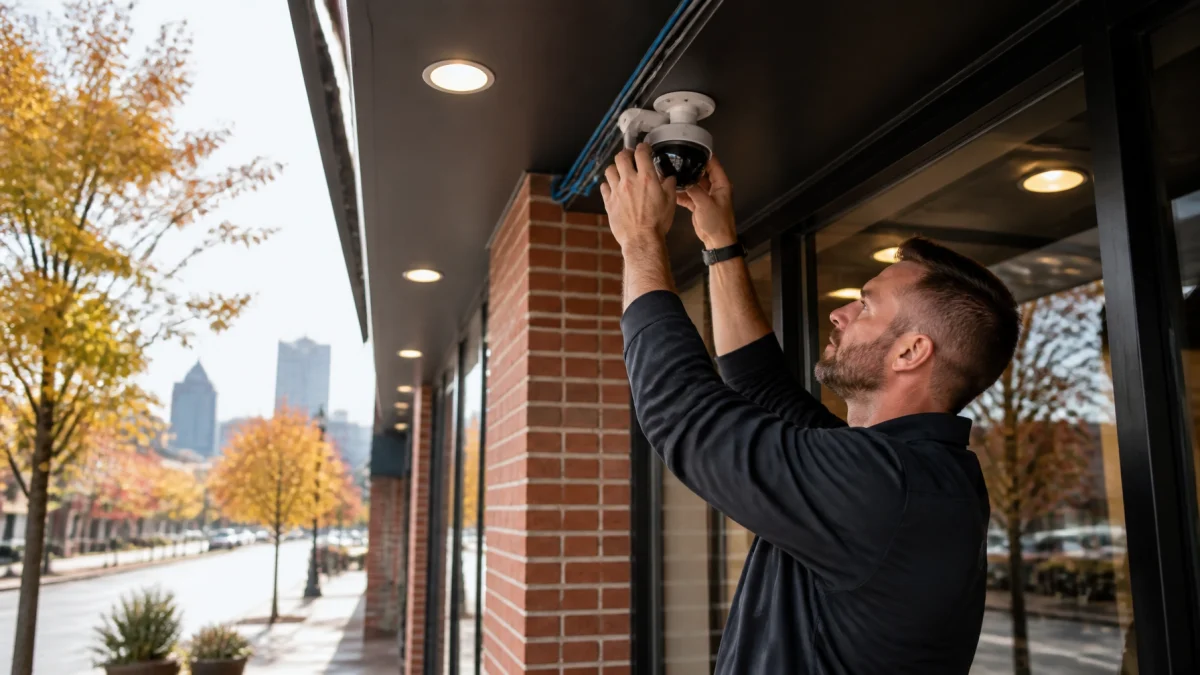
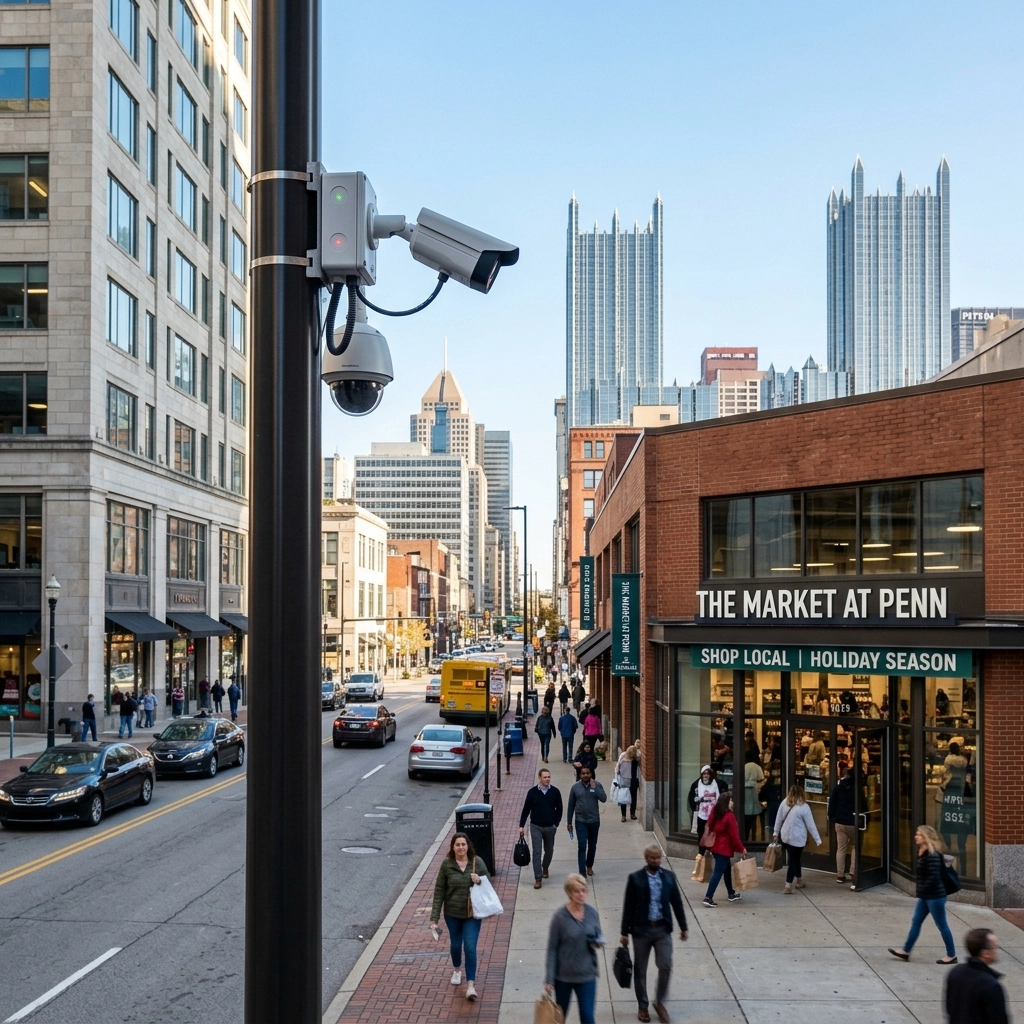
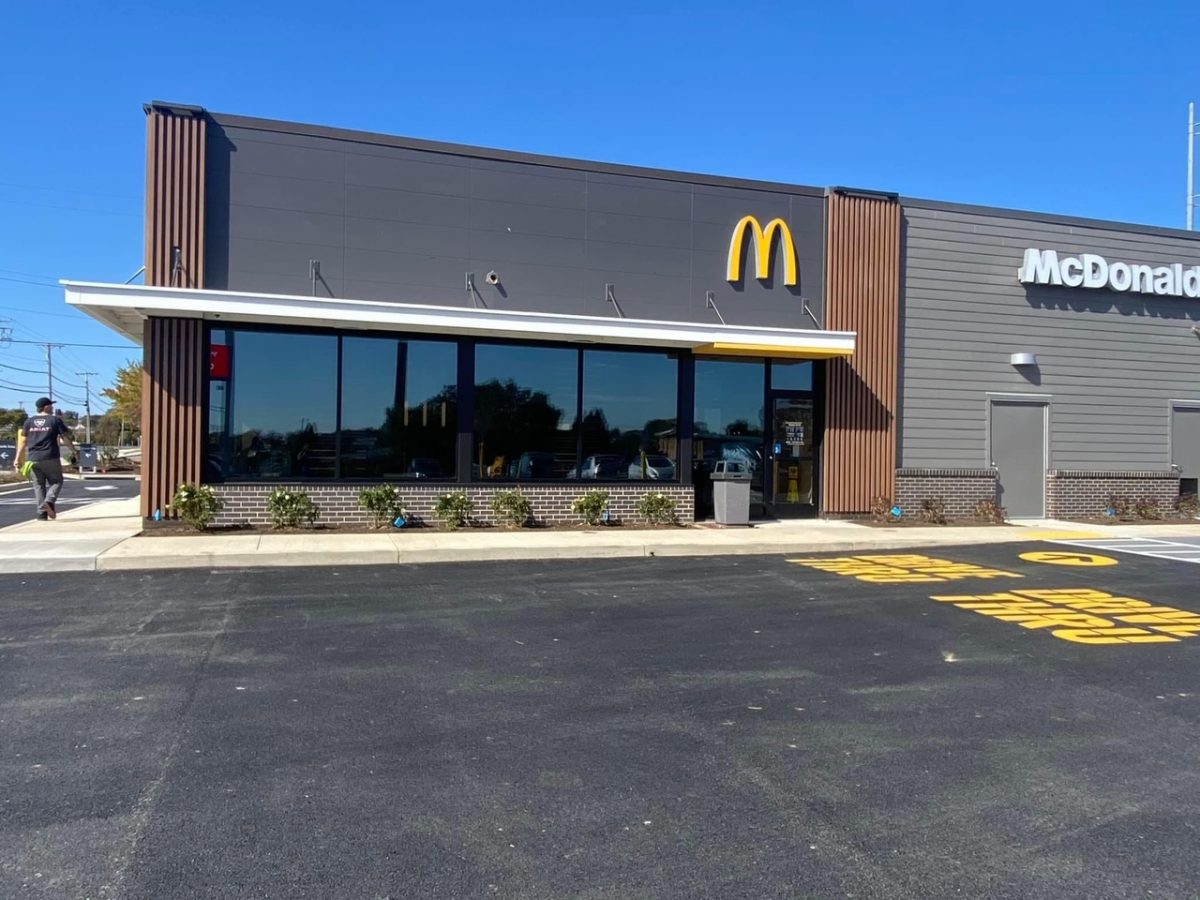
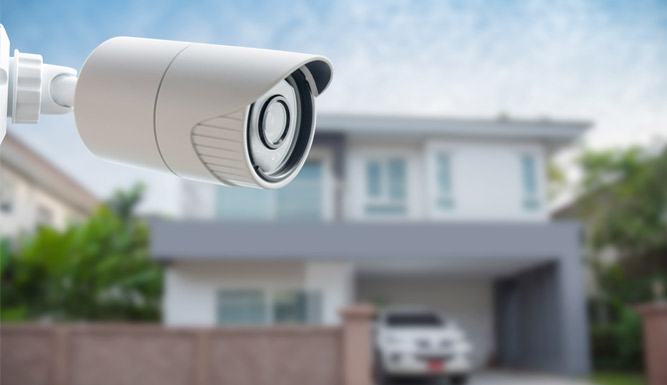
For a Pittsburgh business comparing security cameras near me, request a site assessment. It should consider entrances, receiving areas, customer-facing spaces, lighting, and camera sightlines. The design should balance useful coverage with privacy, operational needs, and applicable requirements. A camera plan should be tailored to the building, not copied from a standard package.
Use the same project scope for each quote. List the locations, doors, camera views, users, storage expectations, monitoring needs, and desired integrations. Then score each proposal against your priorities.
A simple starting point:
Treat this as a decision aid, not a universal formula. A retail business with after-hours inventory concerns may prioritize video and alarm response. An office may place greater emphasis on access control and user management. A multi-site company may need centralized administration and consistent support across locations.
Pittsburgh has a wide range of commercial properties, from storefronts and offices to larger facilities. The right system depends on the building, its operating hours, and how the business will use the technology.
TN Security is proud to be a #1 local resource for security systems Pittsburgh businesses can compare when planning commercial protection. The company offers commercial security and video surveillance, as well as structured wiring and other technology services. TN Security is part of the Team Nutz family and brings more than 15 years of experience in security and technology installations to the Greater Pittsburgh area.
The company’s fit should be assessed against your project requirements, as should every provider’s. Ask for a site-specific proposal identifying the equipment, monitoring options, recurring fees, service terms, and ownership details. A clear scope makes comparison more useful and helps prevent surprises after installation.
For a business researching security systems near me or home security Pittsburgh, a separate residential need, TN Security can discuss commercial requirements and recommend a next step. A business consultation can cover the property layout, desired coverage, wiring, smartphone access, and options for future expansion.

TN Security Pittsburgh
Phone: 412-967-0467
Address: 3287 Library Road, Pittsburgh, PA 15234
Email: sales@teamnutztechnology.com
Compare equipment specifications, installation scope, monitoring, service response, smartphone features, ownership terms, wiring, and future expansion. Request a written quote that lists equipment models and recurring fees.
TN Security provides commercial video surveillance systems in the Greater Pittsburgh area. Review the video surveillance service page and request a site-specific camera plan.
Not necessarily. A business may need different camera coverage, user permissions, monitoring, access control, or expansion capacity. Specify the type of property and its operating requirements when requesting a proposal.